

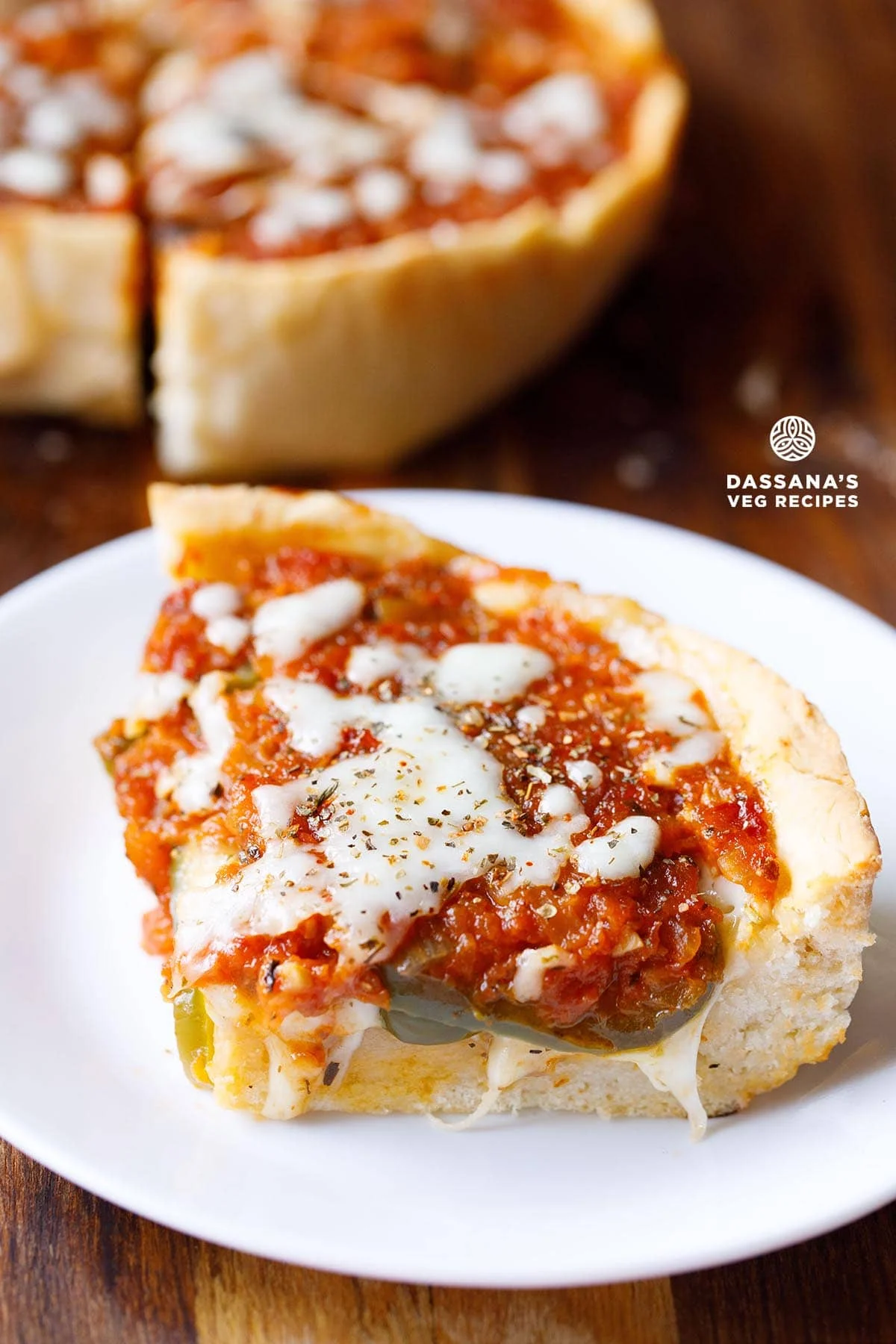
In the vast landscape of American regional cuisine, few dishes command as much reverence—and debate—as the Chicago-style deep dish pizza. Often described more as a savory pie than a traditional flatbread, this architectural marvel of the culinary world has moved beyond the borders of Illinois to become a global symbol of indulgent comfort food. Today, a new wave of home-based gastronomy is deconstructing this mid-century classic, proving that the thick, buttery crust and inverted layers once reserved for specialized pizzerias are now achievable in the domestic kitchen.
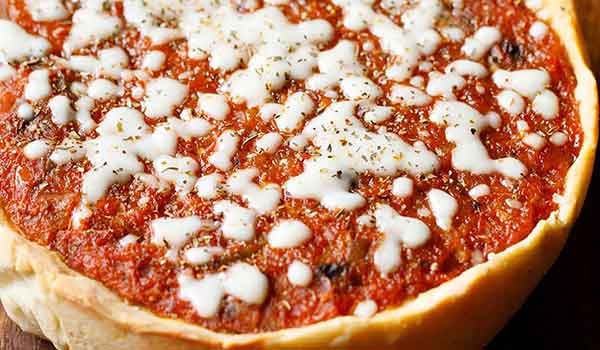
This comprehensive report examines the technical precision, historical evolution, and nutritional profile of the vegetarian deep dish pizza, providing a blueprint for what many are calling the "homemade pizza night" revolution.
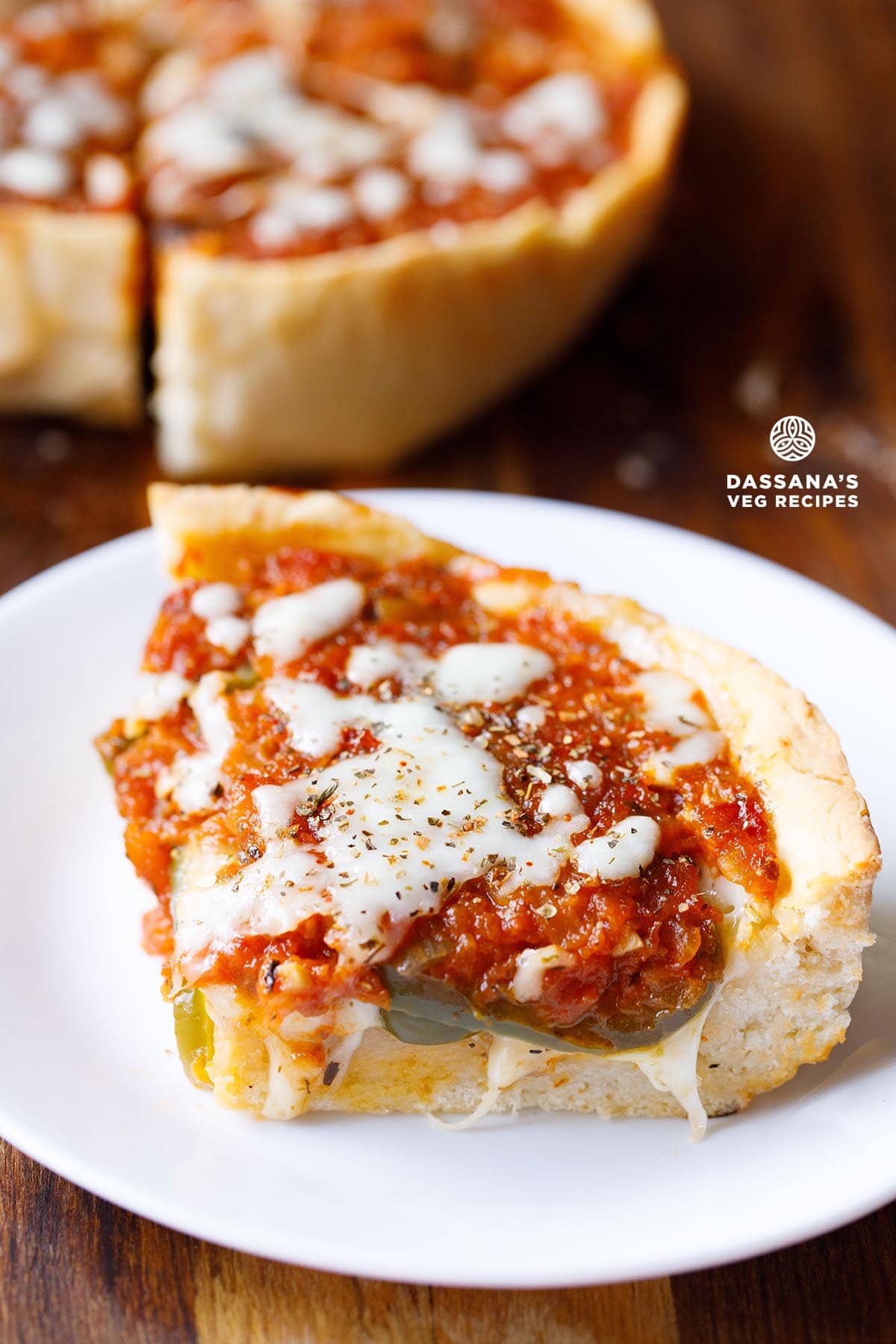
I. Main Facts: Defining the Architectural Integrity of Deep Dish
The Chicago-style deep dish pizza is distinguished by its structural ambition. Unlike its New York-style counterpart, which prioritizes a thin, foldable slice, the deep dish is defined by three primary characteristics: its high-walled crust, its substantial density, and its "reverse-layered" assembly.
The Crust: A Buttery Foundation
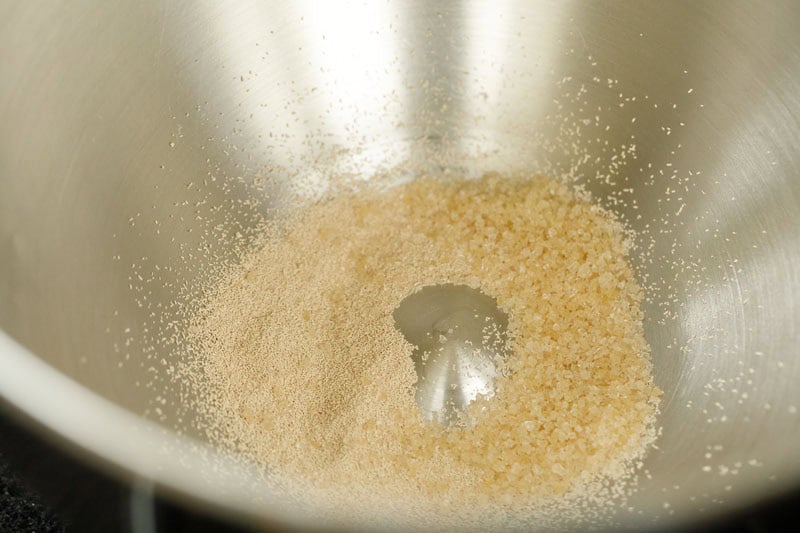
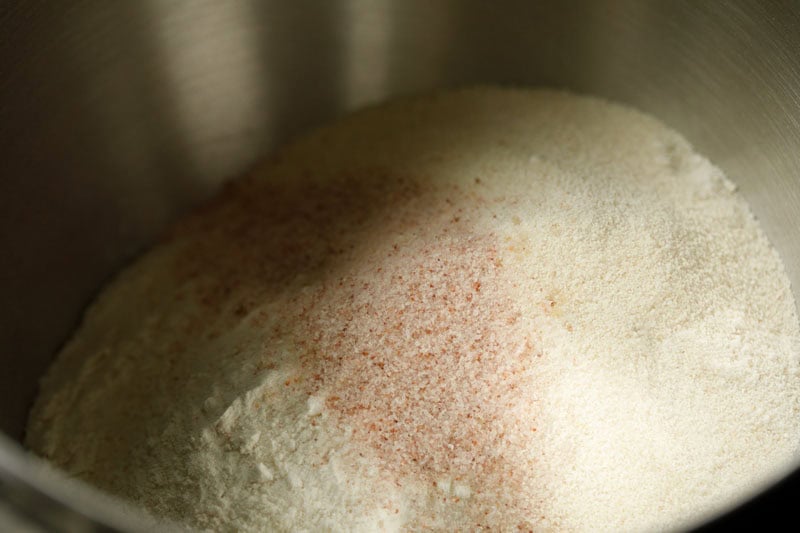
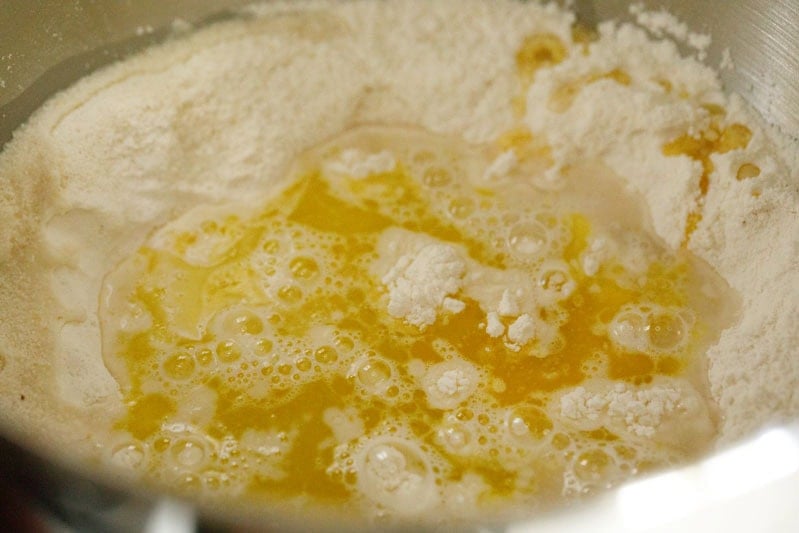
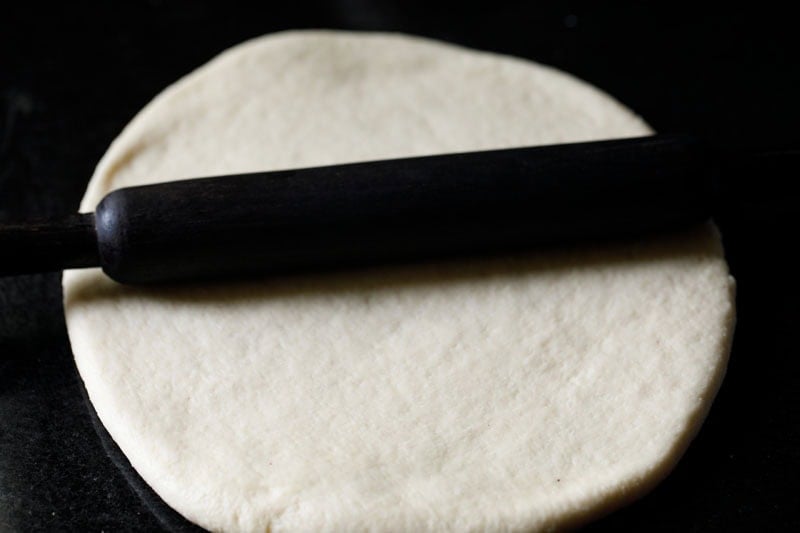
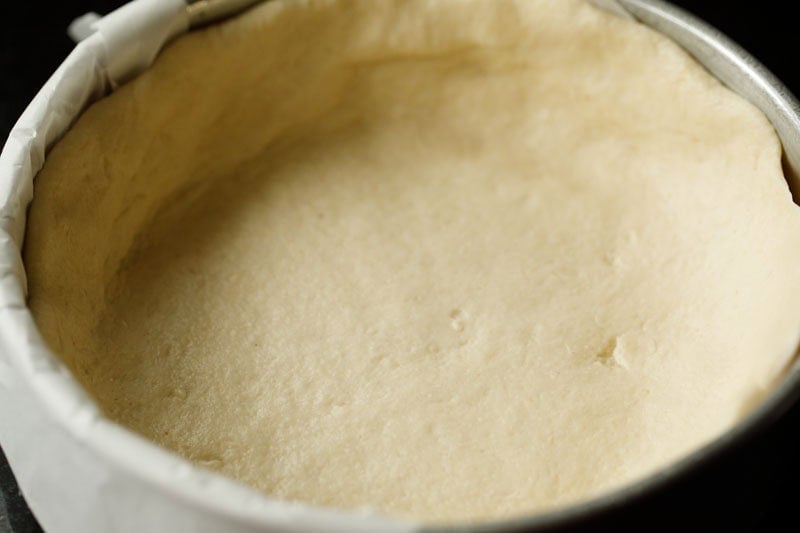
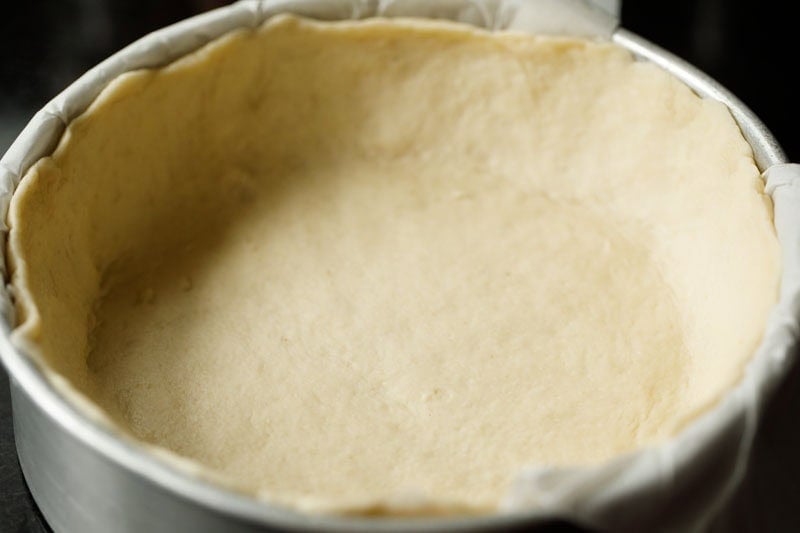
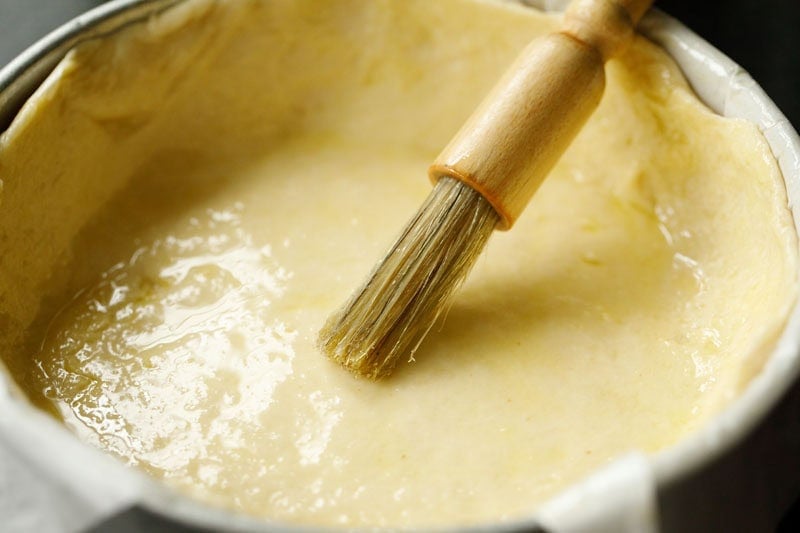
The hallmark of a true Chicago-style pizza is a crust that functions as a vessel. It is not merely a base but a sturdy wall, typically one to two inches high, that contains a massive volume of cheese and toppings. The dough is uniquely enriched with fats—both olive oil and melted butter—to create a texture that is simultaneously crisp on the exterior and soft, almost flaky, on the interior. The addition of semolina flour or cornmeal provides a rustic "crunch" and a structural rigidity that prevents the pizza from becoming soggy under the weight of its fillings.
The Inverted Hierarchy
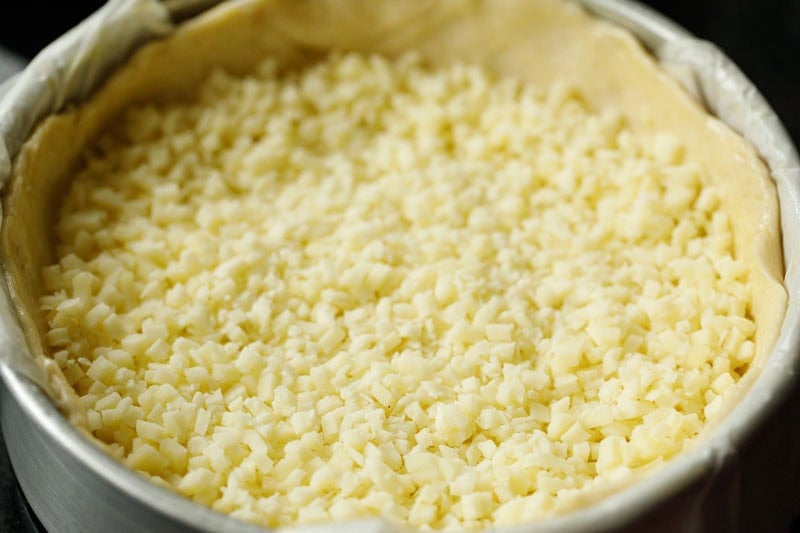
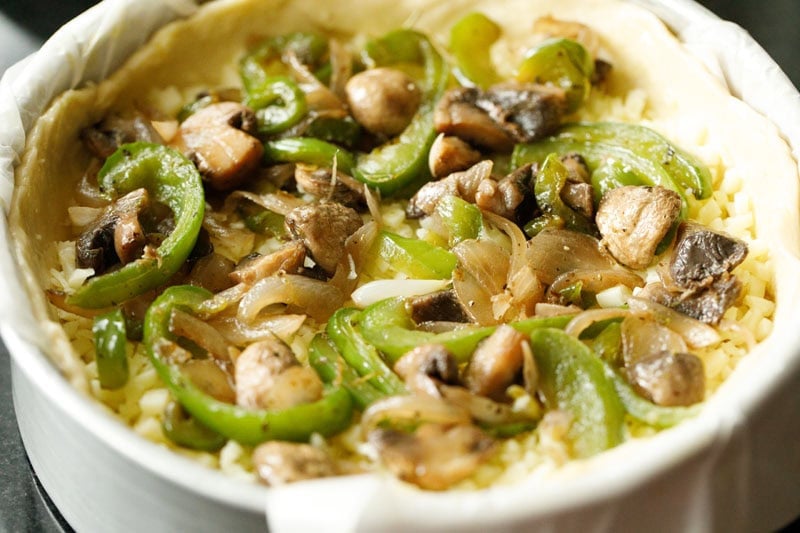
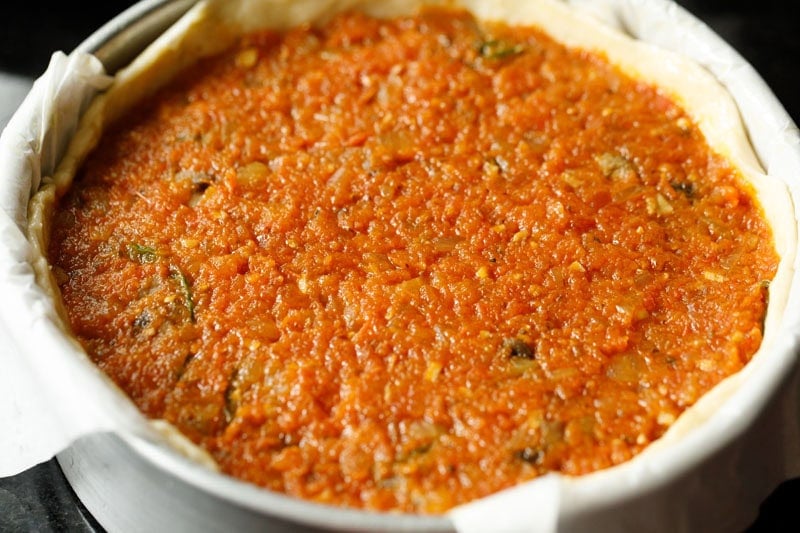
Perhaps the most striking factual deviation from standard pizza-making is the order of assembly. In a deep dish pizza, the cheese is placed directly onto the dough, followed by the vegetable fillings, and finally topped with a thick layer of tangy marinara sauce. This inversion is not aesthetic; it is functional. Because the deep dish requires a significantly longer baking time (often 25 to 30 minutes at high heat), the layer of sauce on top protects the mozzarella from burning, allowing it to melt into a decadent, stretchy core.
A Hearty Vegetarian Profile
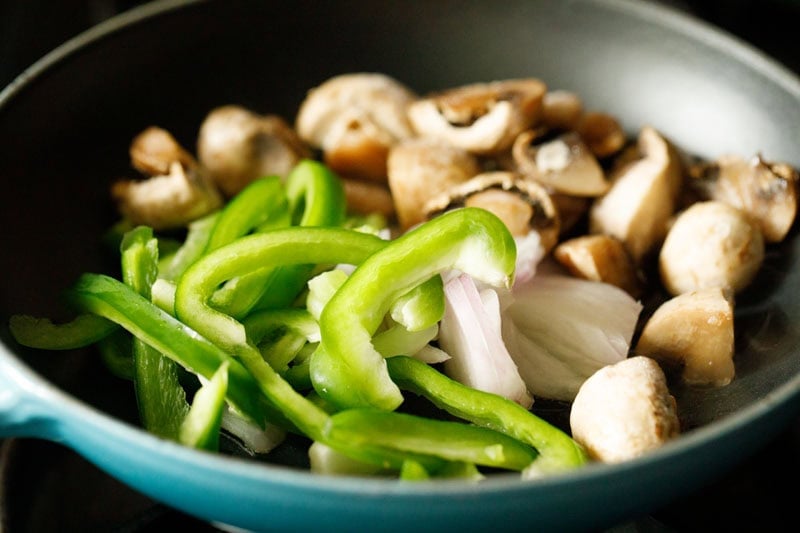
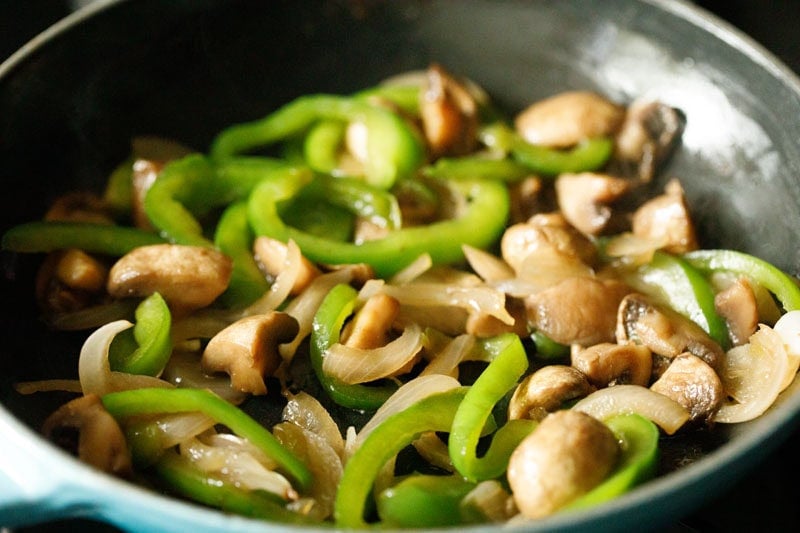
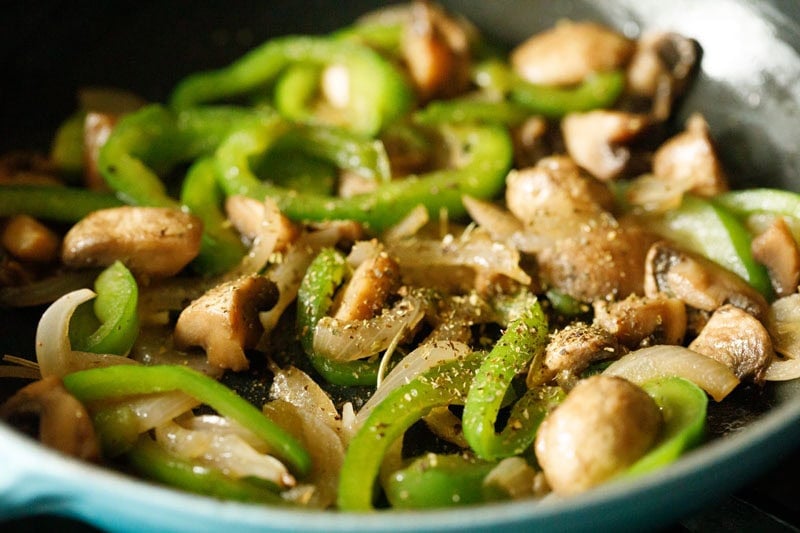
While traditional versions often feature Italian sausage, the modern culinary shift toward plant-based diets has popularized the "garden-style" deep dish. By utilizing sautéed mushrooms, onions, and bell peppers, chefs can replicate the "meatiness" and depth of flavor required for such a heavy dish without the use of animal proteins.
II. Chronology: From 1940s Origins to the Modern Kitchen
The timeline of the deep dish pizza is a story of urban innovation and the eventual democratization of "specialty" cooking.
1943–1950: The Birth of a Legend
The deep dish pizza first emerged in Chicago during the early 1940s. While historians debate the specific creator, the dish is widely believed to have originated at Pizzeria Uno. It was designed to be a more substantial meal than the thin-crust pizzas brought over by Italian immigrants, catering to a post-Depression American appetite for hearty, filling portions.
1970s–1990s: Commercial Expansion
Throughout the late 20th century, brands like Lou Malnati’s and Giordano’s turned the deep dish into a tourist destination. During this period, the recipe remained a "trade secret," with the specific ratios of fat in the dough and the acidity of the tomato sauce closely guarded by professional pizzaiolos.
2020–Present: The Home-Baking Movement
The global shift toward home cooking over the last few years has seen a surge in "bakery-style" projects. Amateur bakers began experimenting with fermentation times and pan types—ranging from cast iron skille to springform pans—to recreate the Chicago experience at home. This led to the development of streamlined techniques, such as the two-stage proofing process, which ensures the dough rises correctly even in non-commercial ovens.
The Modern Preparation Timeline:
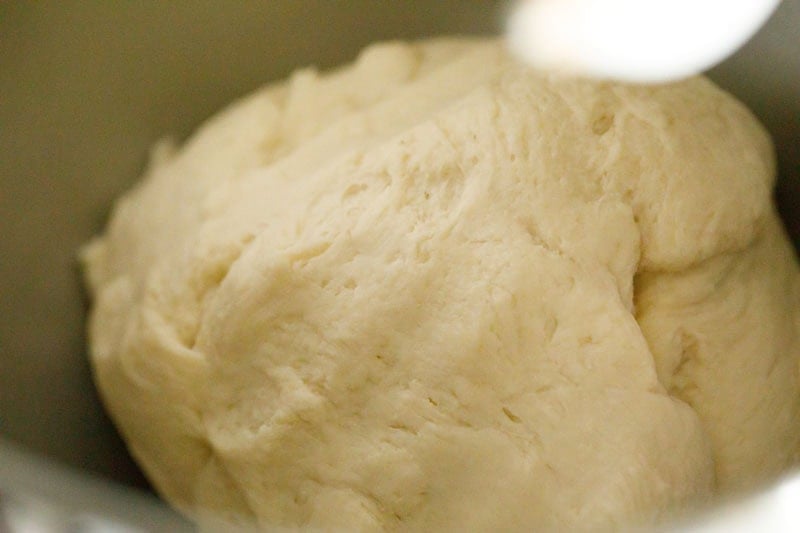
- Dough Integration: Mixing all-purpose flour, semolina, yeast, and fats.
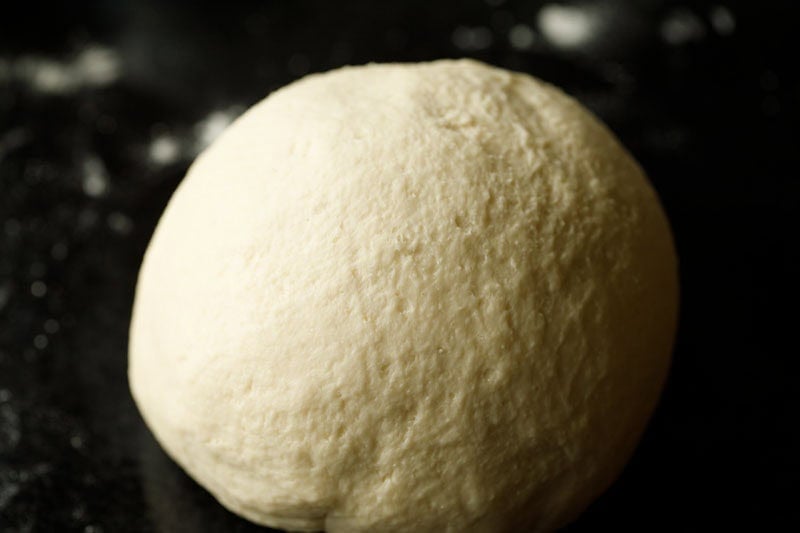
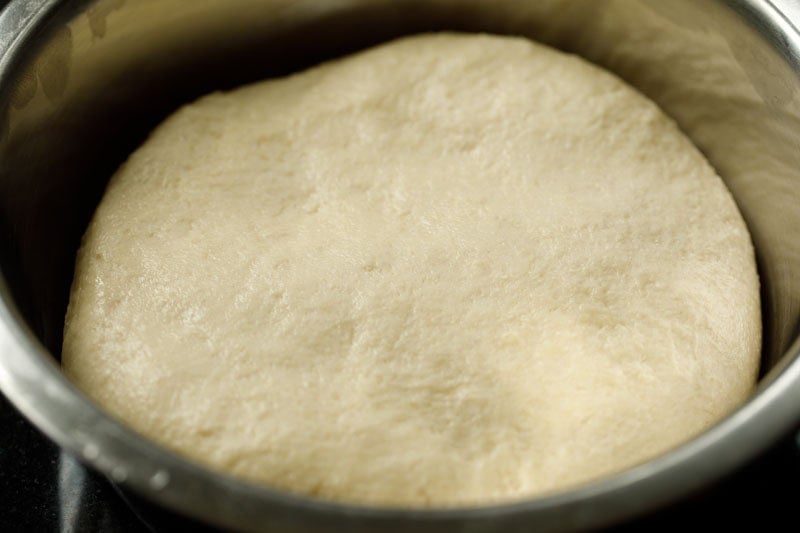
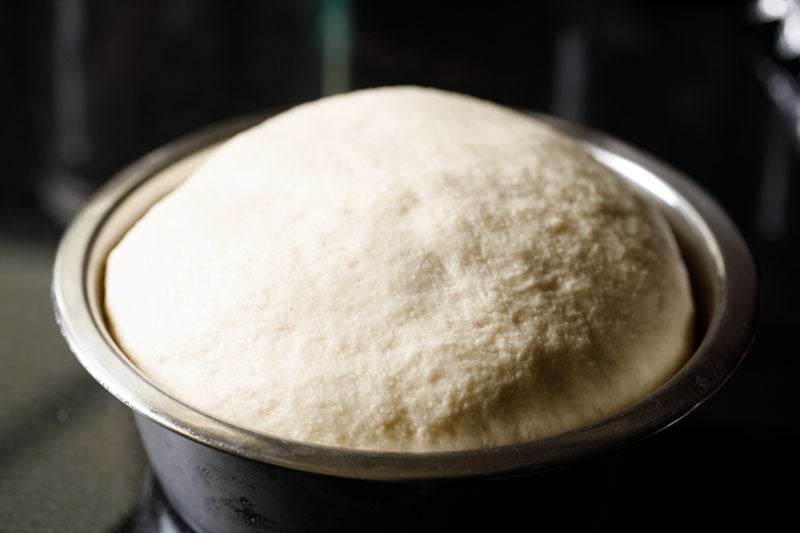
- Primary Fermentation: A 30-to-45-minute rest until the volume doubles.
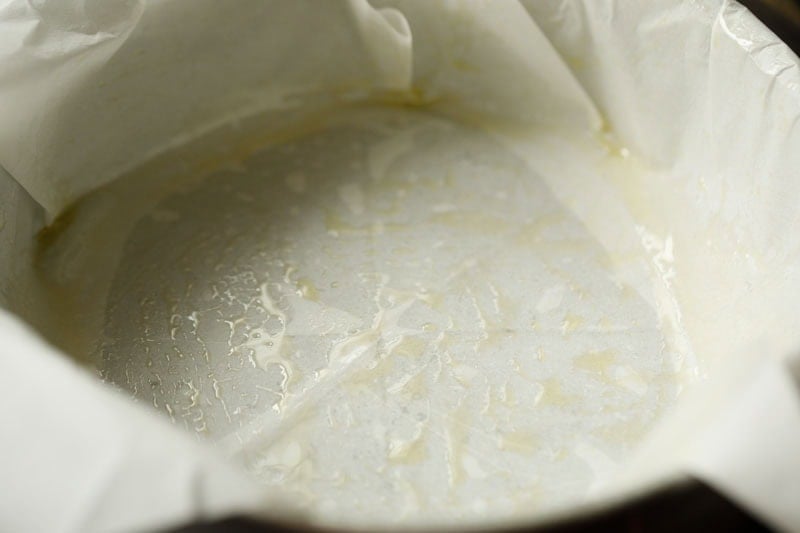
- Mechanical Preparation: Lining deep pans with parchment and oil.
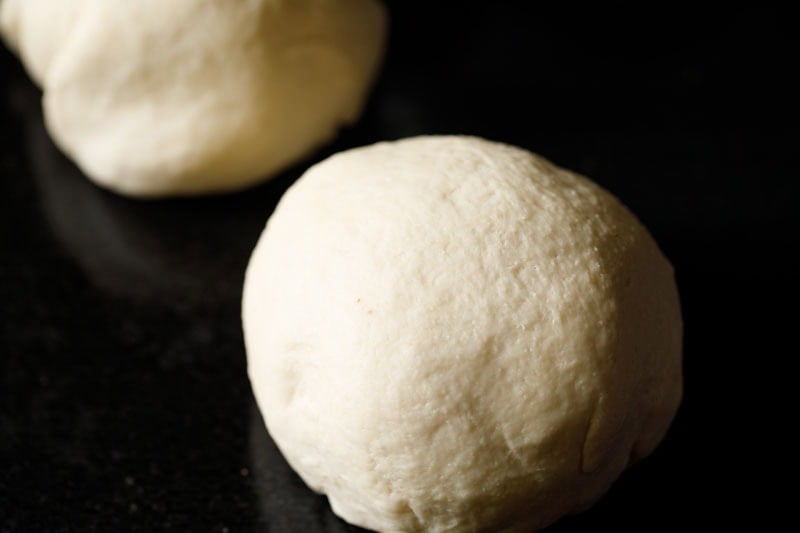
- Secondary Proofing: A 25-minute rest once the dough is shaped into the pan to ensure a light, airy texture.
- Vegetable Reduction: Sautéing toppings to remove excess moisture.
- The Bake: A high-temperature (450°F) finish to seal the crust.
III. Supporting Data: The Science of Moisture and Nutrition
To achieve a professional-grade deep dish at home, one must understand the chemical and nutritional data underlying the recipe.
Moisture Management
The greatest enemy of the deep dish is water. Because the pizza is so dense, excess moisture from vegetables can lead to a "soggy bottom." Supporting data suggests that sautéing mushrooms and peppers for 9 to 10 minutes prior to assembly can reduce their water content by up to 40%. This ensures the crust remains crisp despite being topped with a heavy marinara.
Nutritional Breakdown (Per Two-Pizza Batch)
The deep dish is undeniably a high-energy meal. A standard two-pizza yield using this enriched dough and mozzarella base provides:
- Total Calories: 2,352 kcal
- Carbohydrates: 203g (primarily from the flour and semolina)
- Protein: 70g (derived from the mozzarella and mushrooms)
- Fat Content: 142g (with a significant portion coming from heart-healthy olive oil and butter)
- Micronutrients: The dish is surprisingly rich in Vitamin A (2754 IU), Vitamin C (65mg), and Calcium (967mg), largely due to the concentrated tomato sauce and bell peppers.
The Role of Semolina
The inclusion of 1/2 cup of semolina flour (rava) is a critical data point for texture. Semolina has a higher gluten content and a coarser grind than all-purpose flour, which provides the "sturdy" quality necessary to hold layers of cheese without collapsing.
IV. Official Responses: Culinary Standards and Expert Guidance
Professional chefs and culinary experts emphasize that while the deep dish is forgiving, it requires adherence to specific "Official Standards" to be considered authentic.
On the "Reverse Layer" Method
Culinary experts argue that the placement of sauce on top is the defining "official" act of a Chicago-style pizza. "The sauce acts as a thermal barrier," notes one culinary analyst. "Without it, the cheese would reach its oil-release point and become tough long before the thick dough is fully baked."
Technical Tips for the Home Chef
In what is often referred to as the "Dassana Standard" for vegetarian deep dish, several key tips are highlighted as essential:
- Pan Versatility: While professional pizzerias use seasoned steel pans, official guidance suggests that a standard 7-inch cake pan or a cast iron skillet is an acceptable domestic substitute.
- The "Resting" Period: Experts insist on a 2-to-3-minute rest period after the pizza leaves the oven. This allows the molten cheese to "set," ensuring that when the pizza is sliced with a serrated knife, the layers remain distinct rather than flowing out into a puddle.
- Reheating Protocol: The official stance on leftovers is a strict "No Microwave" policy. To preserve the architectural integrity of the crust, slices must be reheated in an oven or air fryer to restore the crispness of the buttery base.
V. Implications: The Future of Regional Cuisine in a Globalized World
The rise of the homemade Chicago-style deep dish has several broader implications for food culture and the restaurant industry.
The "Slow Food" Appeal
The deep dish pizza is the antithesis of fast food. It requires patience, multiple proofing stages, and a meticulous assembly. Its popularity suggests a growing consumer interest in "Slow Food"—dishes that serve as an activity or a "project" rather than just a quick meal.
Customization and Dietary Flexibility
The transition of this dish into the home kitchen has allowed for unprecedented customization. While the "Main Recipe" focuses on mushrooms and bell peppers, the implications for dietary inclusivity are vast. Home cooks are now experimenting with:
- Gluten-Free Foundations: Using alternative flour blends to replicate the semolina crunch.
- Vegan Adaptations: Utilizing cashew-based "mozzarella" and high-quality plant butters.
- Fusion Toppings: Incorporating regional ingredients like cottage cheese (paneer) or roasted Mediterranean vegetables, further evolving the Chicago classic into a global hybrid.
Impact on the Pizzeria Industry
As high-quality deep dish recipes become accessible to the average person, professional pizzerias are being forced to innovate. The "standard" deep dish is no longer enough; restaurants are now focusing on artisanal flour blends, long-fermented sourdough bases, and organic, farm-to-table toppings to maintain their edge over the increasingly skilled home baker.
Conclusion
The Chicago-style deep dish pizza remains more than just a meal; it is a feat of culinary engineering. By mastering the balance of a buttery, semolina-enriched crust and the physics of the inverted layer, home cooks are preserving a 1940s American tradition while adapting it for a modern, health-conscious, and globally-minded palate. Whether served as a hearty weekend project or a customized vegetarian feast, the deep dish continues to prove that in the world of pizza, there is always room for a little more depth.
