

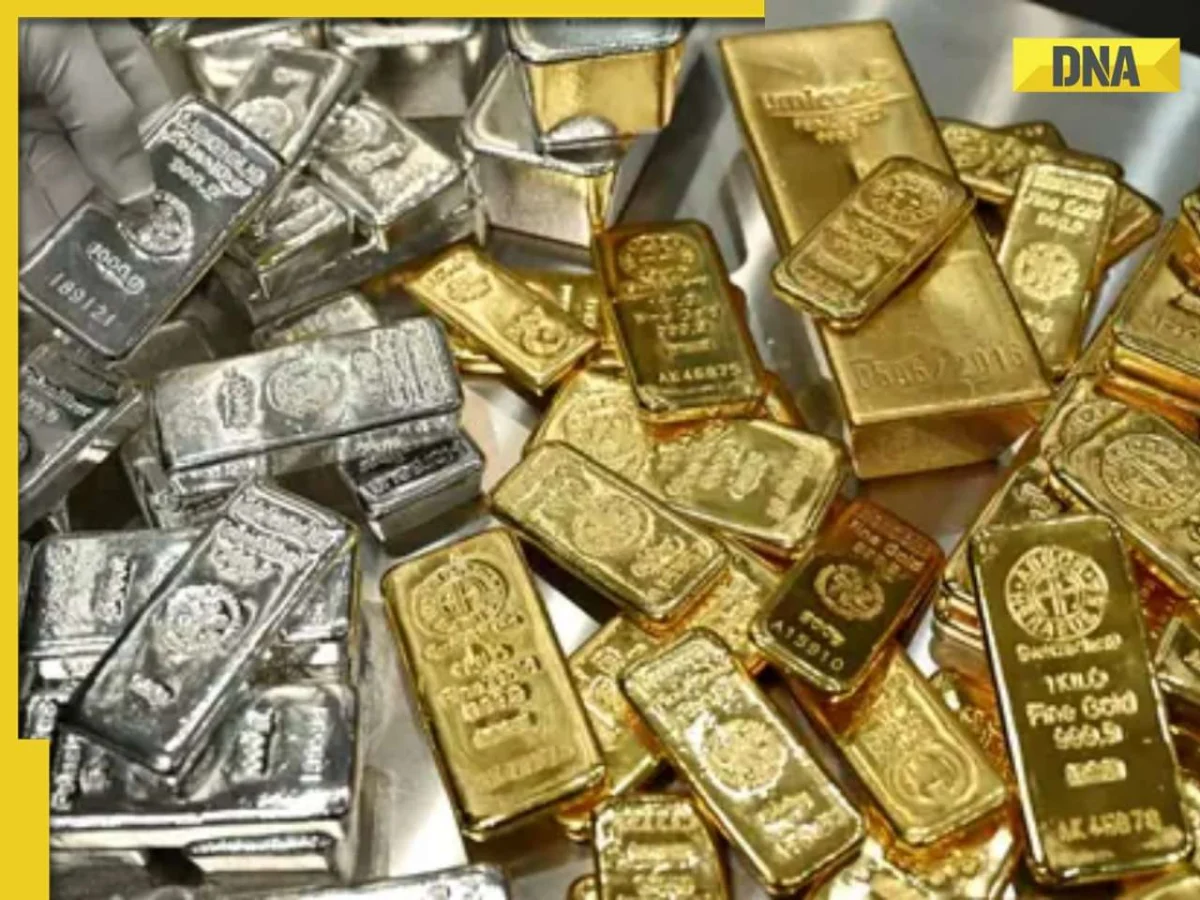
Mumbai, India – May 10, 2026 – The Indian precious metals market continues its fascinating dance with global economic forces, domestic demand, and currency fluctuations. As of today, May 10, 2026, both gold and silver have registered notable price movements, reflecting a complex interplay of international trends, inflationary pressures, and the enduring cultural significance of these metals in India. This detailed report delves into the current prices, the underlying factors driving them, expert opinions, and the implications for both investors and consumers across the nation.
Executive Summary: Gold and Silver Prices on May 10, 2026
The Indian bullion market on May 10, 2026, presents a picture of slight upward momentum for gold, while silver maintains a robust valuation. The average price for 24K gold stands at ₹15,037 per gram, with 22K gold trading at ₹13,784 per gram. Silver, the industrial metal with significant investment appeal, is priced at approximately ₹2,65,000 per kilogram for 999 purity. These figures underscore a market influenced by a blend of global economic stability concerns, persistent inflationary trends, and strong domestic demand.
Gold prices have seen a marginal rise, largely attributed to heightened global demand for safe-haven assets and persistent inflationary pressures observed across major economies. Meanwhile, silver’s valuation is buoyed by its dual role as an industrial commodity vital for emerging technologies and a traditional investment vehicle. City-specific variations in prices reflect local demand patterns, logistics, and regional market premiums.
The Precious Metals Landscape: A Deep Dive into Current Trends
The Indian market for gold and silver is unique, characterized by both its sheer volume and its deep-rooted cultural importance. On May 10, 2026, this market continues to be a dynamic arena where international benchmarks meet local sentiments.
Gold’s Steady Ascent: Navigating Global Headwinds
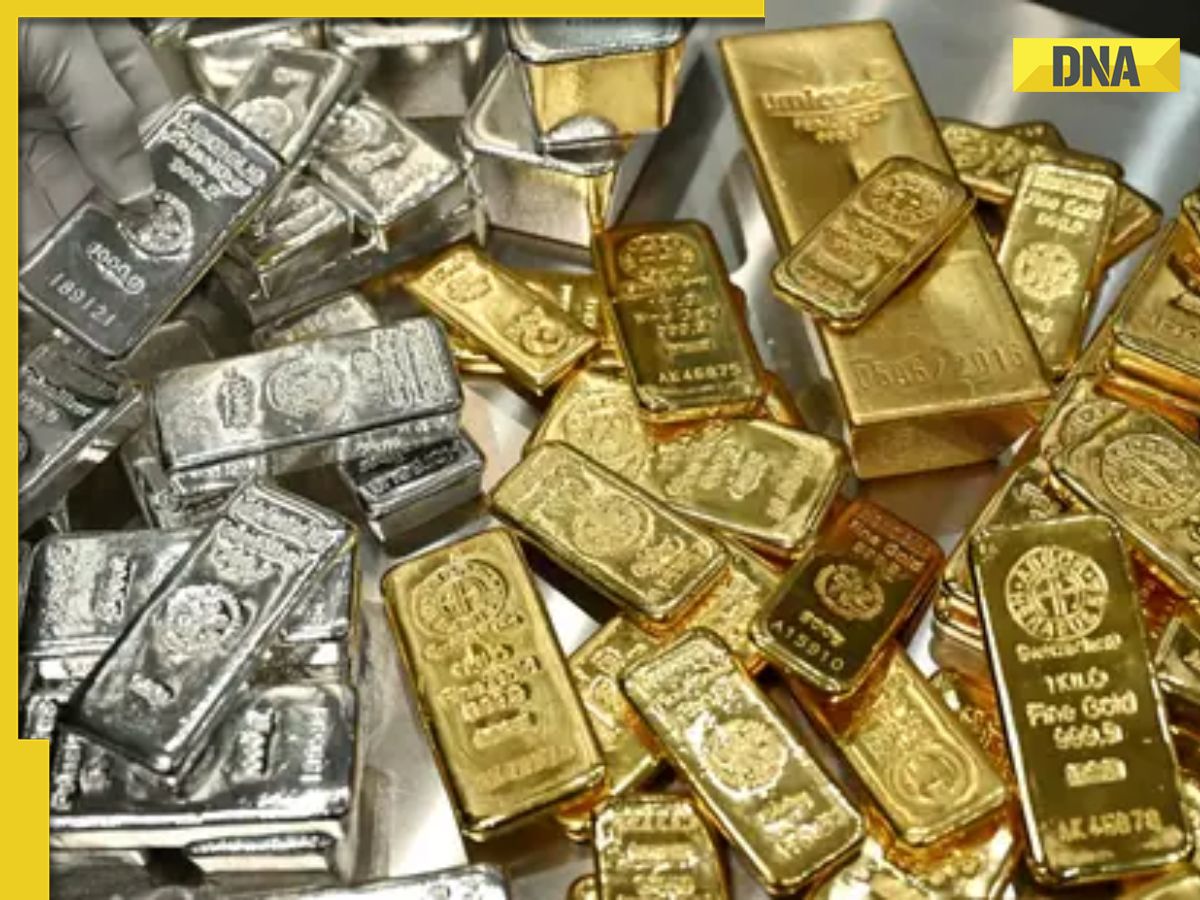
Gold, often considered the ultimate safe haven, has witnessed a slight increase in its valuation today. The global economic landscape in early 2026, marked by continued geopolitical uncertainties and the lingering effects of past inflationary cycles, has consistently pushed investors towards tangible assets like gold. Central banks globally have also maintained a strong appetite for gold, further bolstering its price. This collective demand, coupled with a moderately weakening US Dollar against a basket of major currencies, has provided a conducive environment for gold’s upward trajectory in rupee terms.
The resilience of gold prices in India, even amidst potential domestic market volatility, highlights its role as a hedge against inflation and economic instability. Indian households, traditionally significant holders of gold, continue to view it not just as an ornament but as a crucial component of their financial security and a store of wealth across generations.
)
Silver’s Dual Appeal: Industrial Demand Meets Investment Haven
Silver, often overshadowed by its glittering counterpart, demonstrates its distinct market dynamics on May 10, 2026. While sharing gold’s appeal as an investment metal, silver’s industrial applications — particularly in renewable energy technologies, electronics, and medical devices — play an equally significant role in shaping its price. The ongoing global push towards green energy and technological advancement ensures a steady, often increasing, industrial demand for silver.
Today’s price of ₹2,65,000 per kilogram for 999 pure silver reflects this robust demand. Furthermore, like gold, silver benefits from investment interest during periods of economic uncertainty, acting as a more accessible precious metal for a wider range of investors. Its affordability compared to gold also makes it a popular choice for jewellery, especially in certain regions of India where silver ornaments hold significant cultural value.
A Historical Perspective: Tracing the Path to May 2026
Understanding today’s prices requires a glance back at the forces that have shaped the precious metals market leading up to May 2026. The journey has been marked by significant global events and evolving economic paradigms.

Global Economic Currents: Shaping the Narrative
The period leading up to May 2026 has been characterized by a complex global economic environment. Following the recovery from earlier crises, the world witnessed renewed concerns over inflation, primarily driven by supply chain disruptions, elevated energy prices, and expansionary fiscal policies in several major economies. Central banks, in response, embarked on a series of interest rate adjustments, creating a volatile landscape for traditional financial assets. During such times, gold and silver typically shine as alternative investments, attracting capital seeking refuge from equity market swings and currency depreciation.
Geopolitical tensions, including regional conflicts and shifting global trade alliances, have also played a crucial role. These uncertainties tend to amplify the safe-haven demand for precious metals, pushing prices higher as investors seek tangible assets that are less susceptible to geopolitical shocks. The performance of the US Dollar, the primary benchmark for international commodity pricing, has been another critical determinant. A weaker dollar makes dollar-denominated commodities like gold and silver cheaper for holders of other currencies, thereby stimulating demand.
India’s Enduring Affinity: Cultural and Economic Drivers
India’s relationship with gold, in particular, is unique and deeply ingrained in its cultural fabric. Gold is not merely a commodity; it is an integral part of weddings, festivals, and religious ceremonies. This cultural significance translates into consistent demand, often peaking during the festive and wedding seasons. Akshaya Tritiya, Diwali, and the auspicious wedding months invariably lead to a surge in gold purchases, creating seasonal price pressures that are distinct from global trends.
)
Over the past few years, the Indian government’s policies regarding gold imports and taxation have also influenced domestic prices. Efforts to curb gold imports and manage the current account deficit have sometimes led to local premiums. Simultaneously, increasing financial literacy and access to digital gold platforms have diversified the investment avenues for precious metals, allowing even smaller investors to participate in the market. The cumulative effect of these cultural, economic, and policy factors has created a robust and often resilient demand for gold and silver in India, irrespective of immediate global headwinds.
Unpacking the Numbers: Detailed Price Breakdown and Influencers
The precise figures for gold and silver on May 10, 2026, provide a snapshot of the market. These prices are not uniform across the country, reflecting regional nuances and logistical considerations.
Gold Prices Across Key Indian Cities
The national average for gold prices masks significant city-wise variations. These differences are typically influenced by local demand-supply dynamics, transportation costs, and regional taxation.
)
Delhi’s Market Pulse
In the nation’s capital, Delhi, the prices on May 10, 2026, are recorded as:
- 24K Gold (999 pure): ₹15,123 per gram
- 22K Gold (91.67% pure): ₹13,850 per gram
Delhi, being a major commercial hub, often reflects a blend of investment and jewellery demand, influenced by a large and diverse consumer base.
Mumbai and Kolkata: Mirroring Trends
Mumbai and Kolkata, two other significant economic and cultural centers, show identical pricing today, suggesting a strong integration of their respective bullion markets or similar demand-supply equations.
- Mumbai:
- 24K Gold (999 pure): ₹15,093 per gram
- 22K Gold (91.67% pure): ₹13,835 per gram
- Kolkata:
- 24K Gold (999 pure): ₹15,093 per gram
- 22K Gold (91.67% pure): ₹13,835 per gram
Mumbai, as India’s financial capital, has a strong speculative and investment-driven market, while Kolkata’s demand is heavily influenced by cultural traditions and the festive season. The identical pricing today indicates that broader national or international trends are overriding local specificities in these two cities.
Chennai’s Premium
Chennai consistently exhibits a slight premium over other major cities, a trend often attributed to strong regional demand for gold, particularly for traditional jewellery and cultural practices in South India.
)
- 24K Gold (999 pure): ₹15,273 per gram
- 22K Gold (91.67% pure): ₹14,000 per gram
This higher pricing in Chennai underscores the deep-seated cultural preference and robust purchasing power for gold in the Southern states.
Understanding Gold Purity: 24K vs. 22K
It is crucial for consumers and investors to understand the difference between 24K and 22K gold.
- 24K Gold (999 Pure Gold): This is the purest form of gold, containing 99.9% pure gold. It is typically used for investment purposes, such as gold bars, coins, and digital gold. Due to its extreme softness, it is not suitable for intricate jewellery that requires durability.
- 22K Gold (91.67% Pure Gold): This widely used form of gold contains 91.67% pure gold, with the remaining 8.33% consisting of other metals like copper, silver, or zinc. These alloys are added to increase the metal’s durability, making it ideal for crafting jewellery. The presence of alloys explains why 22K gold is always priced lower than 24K gold per gram.
Silver’s Valuation: Kilogram Rates and Purity Grades
Silver prices on May 10, 2026, are quoted for different purities, reflecting its varied applications.
- Silver 999 (Pure Silver): The price for 999 pure silver, often used for investment bars, coins, and industrial applications, is ₹2,65,000 per kilogram.
- Silver 925 (Sterling Silver): This grade, also known as sterling silver, contains 92.5% pure silver and 7.5% other metals (typically copper). It is widely used in jewellery and decorative items due to its enhanced hardness and durability. The rate for Silver 925 is ₹2,55,000 per kilogram.
The city-wise prices for Silver 999 are remarkably consistent across major metros:
)
- Delhi: ₹2650 per 10 grams
- Mumbai: ₹2650 per 10 grams
- Kolkata: ₹2650 per 10 grams
- Chennai: ₹2650 per 10 grams
This uniformity suggests a highly integrated national market for silver, where local premiums and logistical costs have a less pronounced impact compared to gold, possibly due to its lower per-unit value and extensive industrial supply chains.
Dissecting the Influencers: Global, Domestic, and Monetary Factors
The factors influencing gold and silver prices are multifaceted, creating a dynamic environment for traders and consumers alike.
The Dollar’s Dominance and Geopolitical Shadows
The strength of the US Dollar remains a pivotal factor. A stronger dollar typically makes gold more expensive for non-dollar holders, potentially dampening demand. Conversely, a weakening dollar, as observed recently, can make gold more attractive. Geopolitical events, ranging from regional conflicts to global trade disputes, inject uncertainty into financial markets, often prompting a flight to safety towards precious metals. The ongoing situation in Eastern Europe and trade negotiations between major powers continue to cast a shadow, underpinning demand for gold as a hedge against global instability.
Domestic Demand Dynamics: Festivals and Investment
India’s domestic demand is a powerful force. The calendar year is punctuated by numerous festivals and wedding seasons, during which gold and silver purchases surge. This predictable demand acts as a floor for prices and often creates upward pressure, especially in the lead-up to auspicious dates. Beyond traditional purchases, a growing segment of the Indian population views gold and silver purely as investment assets, utilizing sovereign gold bonds, gold ETFs, and physical bullion for portfolio diversification. This dual nature of demand — cultural and investment-driven — makes the Indian market particularly robust.
)
Inflationary Pressures and Central Bank Policies
Inflationary pressures, which have been a recurring theme in the global economy over the past few years, continue to be a significant driver for gold prices. As the purchasing power of fiat currencies erodes, investors turn to gold as a store of value. Central bank policies, particularly decisions on interest rates, play a critical role. Higher interest rates typically increase the opportunity cost of holding non-yielding assets like gold, potentially dampening demand. However, if inflation outpaces interest rate hikes, gold’s appeal as an inflation hedge remains strong. The Reserve Bank of India’s (RBI) monetary policy, while primarily focused on domestic stability, also responds to global economic cues, indirectly influencing bullion prices.
Industrial Backbone: Silver’s Unseen Strength
For silver, industrial demand is a unique and increasingly important driver. Its exceptional conductivity, reflectivity, and antibacterial properties make it indispensable in various high-growth sectors. The burgeoning solar energy industry, for instance, is a massive consumer of silver for photovoltaic cells. The electronics sector, including smartphones, electric vehicles, and 5G infrastructure, also relies heavily on silver. This sustained and growing industrial uptake provides a fundamental floor to silver prices and often fuels price surges during periods of technological innovation and economic expansion.
Expert Insights and Market Sentiments
To provide a more holistic view, we reached out to market analysts and industry stakeholders for their perspectives on the current trends and future outlook.
)
Analyst Projections: What Lies Ahead?
"The current stability in gold prices, with a slight upward bias, reflects a global market that is still navigating persistent inflation and geopolitical complexities," commented Dr. Alok Kumar, a Senior Commodity Analyst at Bullion Capital India. "We anticipate gold to maintain its strong position in investment portfolios as long as real interest rates remain subdued and global uncertainties persist. The ₹15,000-mark for 24K gold per gram seems to be a new psychological benchmark, indicating sustained strength."
Regarding silver, Ms. Priya Sharma, Head of Research at Precious Metals Insights, noted, "Silver’s performance is particularly interesting due to its dual nature. While it benefits from the safe-haven appeal, its industrial demand, especially from the renewable energy sector, is a powerful long-term driver. We project continued strong demand for silver, potentially leading to further appreciation as the global green transition accelerates. The current price of ₹2.65 lakh per kilogram reflects this strong fundamental demand."
Jewelers’ Perspectives: Adapting to Price Swings
Local jewelers are acutely aware of these price movements. "High gold prices always present a challenge, especially for wedding jewellery, which forms a significant part of our business," stated Mr. Rajesh Mehta, owner of Mehta Jewellers in Mumbai. "However, Indian consumers have a deep-seated trust in gold. While some might opt for lighter pieces or consider 22K over 24K for jewellery, the overall demand remains resilient. We’ve also seen an uptick in silver jewellery sales as a more affordable alternative, particularly among younger demographics."
)
Government’s Role: Policy Implications
Government policies, particularly regarding import duties and Goods and Services Tax (GST) on gold and silver, also play a role in domestic pricing. Any changes in these policies can have an immediate impact on the landed cost of precious metals. The Indian government consistently monitors these imports to manage the current account deficit, and future policy adjustments could further influence prices. Discussions around potential rationalization of duties or new investment schemes linked to gold could impact market dynamics in the coming months.
Implications for Investors and Consumers
The current price trends for gold and silver have distinct implications for different segments of the Indian population.
For the Savvy Investor: Diversification and Timing
For investors, the current market conditions reinforce the role of precious metals as a diversification tool. Gold, with its proven track record as a hedge against inflation and economic uncertainty, continues to be a crucial component of a balanced portfolio. The slight price increase might encourage existing holders to consider booking partial profits, while new investors might view this as an opportune moment to enter the market, especially with the long-term outlook for gold remaining positive amidst global instability.
)
Silver, on the other hand, offers a more volatile but potentially higher-reward investment. Its industrial demand provides a strong fundamental argument for long-term growth. Investors looking for exposure to the green energy transition and technological advancements might find silver particularly appealing. Diversifying between physical gold/silver, sovereign gold bonds, and exchange-traded funds (ETFs) can help manage risk and leverage different market opportunities.
For the Indian Consumer: Navigating Purchases
For the average Indian consumer, especially those planning weddings or festive purchases, the current gold prices necessitate careful budgeting. The premium in cities like Chennai highlights regional demand strength. Consumers might opt for lighter weight jewellery, explore designs that use less gold, or consider purchasing certified 22K gold, which is more durable for daily wear. The consistent and relatively lower price of silver makes it an attractive alternative for gifting and personal adornment, particularly during auspicious occasions where traditional metal purchases are customary. Awareness of purity levels (24K vs. 22K for gold, 999 vs. 925 for silver) and transparent pricing from trusted jewelers remains paramount to ensure value for money.
Outlook and Concluding Thoughts: The Road Ahead for Precious Metals
As of May 10, 2026, the Indian gold and silver markets stand at an interesting juncture, shaped by a confluence of global economic forces, persistent inflation, geopolitical realities, and India’s unique domestic demand dynamics. The slight increase in gold prices underscores its enduring appeal as a safe haven and inflation hedge, while silver’s robust valuation highlights its critical role in both investment and industrial sectors.
)
Looking ahead, the trajectory of precious metals will largely depend on the evolution of global monetary policies, the resolution or escalation of geopolitical tensions, and the pace of global economic recovery. Any significant shifts in the US Dollar’s strength or the inflation outlook could trigger further price movements. For India, domestic demand, particularly during the upcoming festive and wedding seasons, will continue to provide a strong underlying support for both gold and silver prices. Investors and consumers alike are advised to stay informed, consult financial experts, and make decisions aligned with their individual financial goals and risk appetites in this ever-evolving market.
