

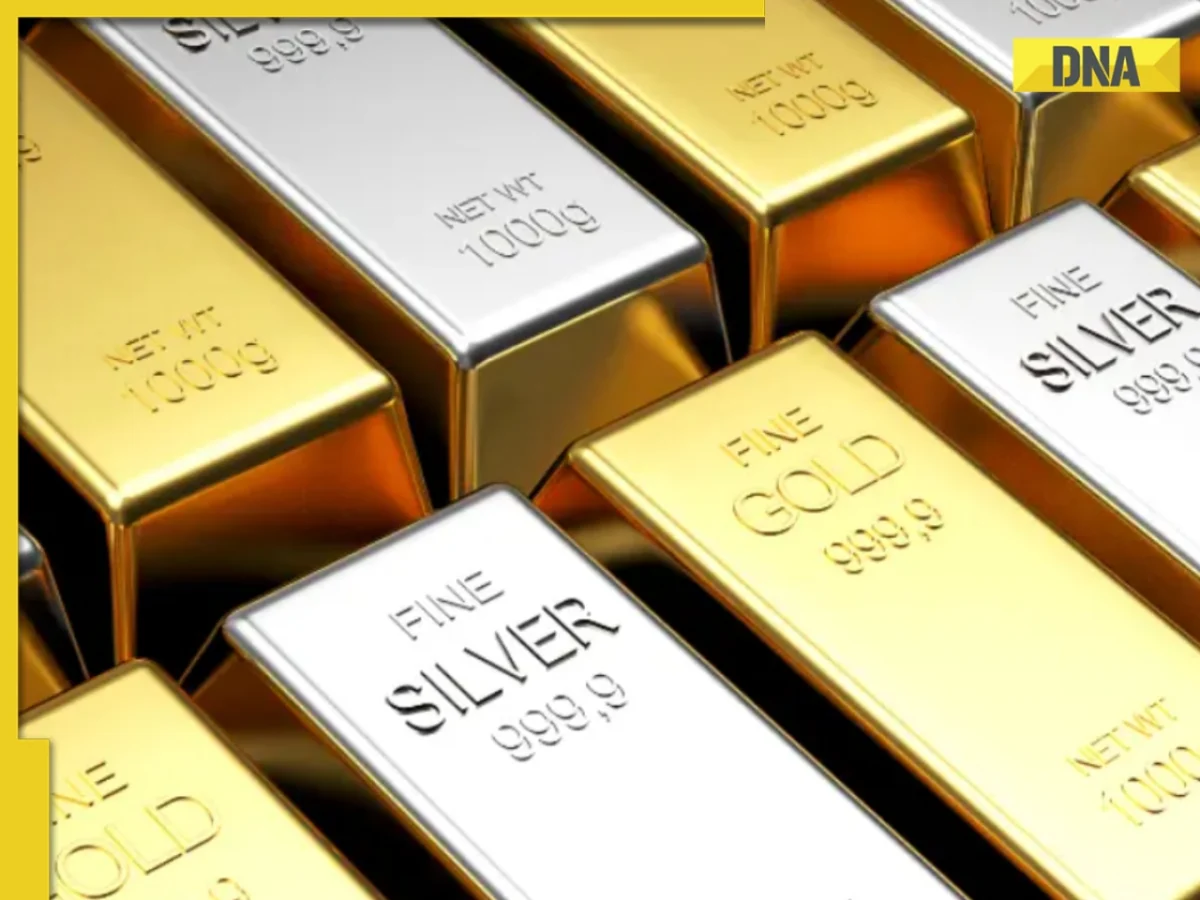
New Delhi, India – As of May 8, 2026, India’s venerable precious metals market finds itself at a pivotal juncture, with gold and silver prices demonstrating a nuanced upward trajectory. Influenced by a complex interplay of global economic indicators, evolving geopolitical landscapes, robust domestic demand, and fluctuating currency exchange rates, the yellow and white metals continue to assert their traditional roles as both investment havens and cultural mainstays. The slight but discernible rise observed today underscores persistent inflationary pressures and a cautious global outlook, prompting investors and consumers alike to carefully assess their strategies.
Main Facts: A Snapshot of Today’s Market
Today, May 8, 2026, marks another significant day for precious metals in India. Gold prices have witnessed a slight uptick, largely attributed to sustained global demand and ongoing inflationary concerns that have permeated international markets. The benchmark 24-karat gold (999 pure) is presently valued at Rs 15,031 per gram across national averages, reflecting its inherent appeal as a store of value amidst economic uncertainties. Similarly, 22-karat gold (91.67% pure), the preferred choice for jewellery, is trading at Rs 14,026 per gram.
Silver, often referred to as the "poor man’s gold," is also experiencing robust demand, both for investment and industrial applications. Pure 999 silver is quoted at approximately Rs 270,100 per kilogram, translating to Rs 2,701 per 10 grams in most major cities. Sterling silver (925 purity) is marginally higher at Rs 275,000 per kilogram, highlighting its distinct market segment for jewellery and specific industrial uses.
This current pricing structure is not an isolated event but rather the culmination of several macro and microeconomic factors, ranging from the performance of global equities and bond markets to the strength of the US Dollar and the specific nuances of India’s import duties and local consumption patterns. The market’s resilience and responsiveness to these diverse influences make it a dynamic and closely watched sector within India’s broader economy.
)
Chronology: Tracing the Ascent of Precious Metals
The journey of gold and silver prices to their current levels on May 8, 2026, is a narrative deeply intertwined with global economic shifts and geopolitical developments over the preceding months and years. To fully grasp today’s valuations, it is essential to contextualize them within a broader historical framework.
The Post-Pandemic Bull Run and Inflationary Pressures (2020-2023)
Following the initial shock of the COVID-19 pandemic in 2020, central banks globally unleashed unprecedented monetary stimulus, leading to a surge in liquidity. This, coupled with supply chain disruptions, laid the groundwork for significant inflationary pressures. Gold, traditionally an inflation hedge, began its steady ascent, attracting investors seeking to preserve capital. Silver, with its dual role as an industrial metal, also benefited from economic recovery optimism and increased manufacturing activity, particularly in renewable energy sectors. By late 2022 and early 2023, as inflation reached multi-decade highs in many economies, gold had firmly established itself on an upward trajectory, breaking previous resistance levels.

Navigating Rate Hikes and Geopolitical Tensions (2023-2025)
The subsequent period, primarily through 2023 and 2024, was characterized by aggressive interest rate hikes by major central banks, most notably the U.S. Federal Reserve, in a concerted effort to tame inflation. Higher interest rates typically make non-yielding assets like gold less attractive. However, gold’s performance defied conventional wisdom to some extent, supported by persistent geopolitical tensions across various regions (e.g., ongoing conflicts in Eastern Europe, Middle Eastern instability), which fueled safe-haven demand. Central bank buying, especially from emerging economies like China and India, also provided a strong underlying bid. Silver’s trajectory during this period was more volatile, balancing industrial demand against the headwind of a stronger dollar and higher rates.
The Path to May 2026: Sustained Demand and Macroeconomic Shifts
The period leading up to May 2026 has seen a continuation of these trends, albeit with new dimensions. While inflation has shown signs of moderation in some economies, it remains stubbornly high in others, particularly in emerging markets. Global economic growth forecasts have become more divergent, leading to increased market uncertainty. This environment has reinforced the appeal of gold as a reliable asset.
)
The "slight rise" observed today is a direct consequence of several immediate factors:
- Recent Economic Data: Just in the past few weeks, weaker-than-expected manufacturing data from major economies or slightly higher inflation prints from key regions may have reignited concerns about global economic stability and the purchasing power of fiat currencies.
- Anticipation of Central Bank Stance: Market participants are constantly trying to decipher the future path of interest rates. Any indication that central banks might pause or even consider rate cuts later in the year, due to slowing growth, could be perceived as bullish for gold.
- Increased Investor Inflows: There have been reports of increased inflows into gold-backed Exchange Traded Funds (ETFs) and other investment vehicles over the past month, signaling renewed institutional and retail investor interest.
The cumulative effect of these long-term and short-term factors has culminated in the current robust pricing for both gold and silver, positioning them as critical barometers of global economic health and investor sentiment.
)
Supporting Data: Unpacking the Influential Factors
The pricing of gold and silver in India on May 8, 2026, is a complex equation, solved by an array of global and domestic variables. Understanding these influences provides deeper insight into market movements.
Global Market Dynamics: The Invisible Hand
1. The US Dollar and Interest Rates: The inverse relationship between the US Dollar and gold is a cornerstone of precious metals analysis. When the dollar strengthens, gold (priced in USD globally) becomes more expensive for holders of other currencies, dampening demand. Conversely, a weaker dollar makes gold cheaper and more attractive. On May 8, 2026, a slight weakening of the dollar against a basket of major currencies, or expectations of such, has likely contributed to gold’s rise. Furthermore, the future trajectory of interest rates by the US Federal Reserve remains paramount. Lower real interest rates (nominal rates minus inflation) reduce the opportunity cost of holding non-yielding assets like gold, making it more appealing.
)
2. Geopolitical Instability: Ongoing conflicts, trade disputes, and political uncertainties in various parts of the world consistently drive safe-haven demand for gold. In an environment where traditional financial assets might face volatility, gold offers a perceived refuge. The current global landscape, characterized by persistent regional tensions and an unpredictable geopolitical climate, ensures a baseline level of demand for precious metals.
3. Global Economic Growth and Inflation: The health of the global economy significantly impacts both metals. Robust economic growth generally supports industrial demand for silver. However, if growth is accompanied by inflationary pressures, gold’s appeal as an inflation hedge increases. The current scenario suggests a delicate balance, where growth concerns might be nudging investors towards gold, while industrial demand for silver remains relatively stable.
)
4. Central Bank Purchases: Central banks globally have been net buyers of gold for several years, diversifying their reserves away from traditional fiat currencies and bonds. This sustained institutional buying provides a strong floor for gold prices and signals confidence in its long-term value. Reports from the World Gold Council indicate continued strong central bank demand into 2026, a significant factor in today’s prices.
Domestic Market Factors: India’s Unique Landscape
1. Local Demand and Cultural Significance: India is one of the world’s largest consumers of gold, driven by deep-rooted cultural traditions. Gold is integral to weddings, festivals (like Diwali, Akshaya Tritiya, Dhanteras), and religious ceremonies. This structural demand provides consistent support for prices. Even with price fluctuations, the cultural imperative to buy gold often overrides short-term market movements, particularly ahead of major festive seasons, which are already being anticipated.
)
2. Indian Rupee (INR) Exchange Rate: As India imports a significant portion of its gold, the INR-USD exchange rate plays a crucial role. A depreciating rupee makes imported gold more expensive in local currency terms, even if international prices remain stable. Conversely, a stronger rupee could temper local prices. The stability or slight depreciation of the INR today against the USD has contributed to the local price points.
3. Government Policies and Import Duties: The Indian government frequently adjusts import duties on gold to manage the current account deficit and curb informal trade. Any changes in these duties directly impact local prices. Furthermore, the Goods and Services Tax (GST) on gold jewellery (currently 3% on the value of the jewellery) and on the making charges (5%) adds to the final consumer price. These policy decisions are constantly factored into market pricing.
)
4. Investment Appetite in India: Beyond physical jewellery, Indian investors are increasingly exploring other avenues like Gold Exchange Traded Funds (ETFs), sovereign gold bonds (SGBs), and digital gold. The rise in prices today could stimulate further investment interest, particularly from younger demographics looking for diversified portfolios.
Detailed Price Breakdown: City-Wise Variations
While national averages provide a general picture, precious metal prices exhibit regional variations due to local demand, transportation costs, and specific state taxes or levies.
)
Gold Prices on May 8, 2026 (per gram):
- Delhi: 24K: Rs 15,316 | 22K: Rs 14,041
- Delhi often sees competitive pricing due to its status as a major trading hub and significant consumer market.
- Mumbai: 24K: Rs 15,301 | 22K: Rs 14,026
- Mumbai, as India’s financial capital, typically mirrors national trends closely, with a vast network of jewellers and traders.
- Kolkata: 24K: Rs 15,301 | 22K: Rs 14,026
- Kolkata’s market, with its rich heritage in gold craftsmanship, often aligns with Mumbai due to similar market dynamics.
- Chennai: 24K: Rs 15,384 | 22K: Rs 14,102
- Chennai often records slightly higher prices, particularly for gold. This can be attributed to robust local demand in South India, which has a deeply ingrained cultural affinity for gold, coupled with potentially higher logistical costs.
Silver Prices on May 8, 2026 (per 10 grams of 999 purity):
)
- Delhi: Rs 2,701
- Mumbai: Rs 2,701
- Kolkata: Rs 2,701
- Chennai: Rs 2,749
- Similar to gold, Chennai displays a marginal premium for silver, indicative of strong regional demand for silver ornaments and industrial use.
Silver Specifics: Beyond the Shadow of Gold
Silver’s market dynamics, while influenced by similar macroeconomic factors as gold, possess distinct characteristics. Its "dual demand" nature—both as a precious metal and an industrial commodity—makes its price more volatile.
- Industrial Demand: A significant portion of global silver demand comes from industrial applications, including electronics, solar panels (photovoltaics), medical instruments, and automotive components. As global economies recover and green energy initiatives gain traction, industrial consumption of silver is projected to rise significantly, providing strong price support.
- Gold-Silver Ratio: Investors often monitor the gold-silver ratio (the number of silver ounces needed to buy one ounce of gold). Historically, this ratio has fluctuated, but a higher ratio can sometimes indicate that silver is undervalued relative to gold, potentially signaling a future rally in silver prices. On May 8, 2026, the current ratio suggests that silver still has room to catch up with gold’s gains, hinting at future potential.
Official Responses: Expert Views and Government Stance
The current upward trend in gold and silver prices has elicited a range of perspectives from market analysts, industry bodies, and a measured approach from government and regulatory authorities.
)
Industry Experts and Economists
Mr. Rajesh Verma, Chief Precious Metals Strategist at Quantum Wealth Management, commented, "The slight rise in gold prices today is less about speculative frenzy and more about a fundamental re-evaluation of global economic risks. Persistent inflation, even if moderating, coupled with an unpredictable geopolitical climate, makes gold an indispensable asset for portfolio diversification. We’re seeing sustained central bank purchases and a steady trickle of retail investment, indicating a long-term bullish sentiment."
Regarding silver, Dr. Ananya Sharma, an independent commodities analyst, noted, "Silver’s performance on May 8, 2026, reflects its unique position. While it benefits from the safe-haven allure of gold, its industrial demand component is becoming increasingly crucial. The global push towards renewable energy, particularly solar power, is creating an insatiable appetite for silver. Any slowdown in global manufacturing could cap its gains, but the underlying structural demand from the green transition remains very strong."
)
Mr. Alok Jain, President of the All India Jewellers Association, highlighted the domestic impact: "While higher prices can sometimes dampen immediate consumer demand, the Indian market has a remarkable ability to adapt. We anticipate a robust festive season later this year, and many consumers view gold purchases as a cultural obligation and a form of saving. Jewellers are innovating with lighter designs and flexible payment schemes to cater to various budgets."
Government and Regulatory Bodies’ Stance
The Indian government, while not directly commenting on daily price fluctuations, maintains a keen interest in the precious metals market due to its significant impact on the nation’s economy. High gold imports contribute to the current account deficit, a key economic indicator.
)
Ministry of Finance officials, speaking off the record, indicated that the government continues to monitor import levels closely. There is an ongoing focus on promoting "responsible gold" and formalizing the market. Initiatives such as the Sovereign Gold Bond (SGB) scheme and the Gold Monetisation Scheme (GMS) are designed to channel domestic gold holdings into productive assets and reduce reliance on imports. These schemes offer investors an alternative to physical gold, providing returns and reducing storage concerns, thereby subtly influencing domestic demand patterns.
Furthermore, regulatory bodies like the Bureau of Indian Standards (BIS) continue to emphasize the importance of hallmarking to ensure purity and consumer trust in a volatile market. The enforcement of mandatory hallmarking for gold jewellery and artefacts has been a significant step towards standardizing the market and protecting consumers from adulterated products, ensuring that the prices paid reflect genuine purity.
)
Implications: Navigating the Precious Metals Landscape
The current trajectory of gold and silver prices on May 8, 2026, carries significant implications for various stakeholders, from individual consumers and investors to businesses and the broader Indian economy.
For Consumers and Investors
- Wedding and Festive Purchases: For families planning weddings or festive celebrations, the current higher prices present a challenge. While some may defer purchases, many will proceed, perhaps opting for lighter jewellery or exploring alternatives like silver or platinum, especially given silver’s relatively strong performance. The cultural significance of gold means demand often remains resilient despite price hikes.
- Investment Decisions: For investors, the current environment reinforces the role of precious metals as a hedge against inflation and market volatility. Those seeking to diversify their portfolios might consider allocating a portion to gold and silver, especially through digital platforms, ETFs, or SGBs, which offer liquidity and convenience without the concerns of physical storage. However, experts advise against short-term speculation, emphasizing a long-term perspective.
- Risk vs. Reward: The slight rise in prices could signal further upward momentum, encouraging some to buy in anticipation of future gains. Conversely, it could also prompt profit-taking by those who bought at lower levels. Understanding personal risk tolerance and financial goals is paramount.
For Businesses
- Jewellery Retailers: Higher gold prices can impact sales volumes for jewellers, especially in the mass market segment. Retailers will need to adapt by offering more competitive designs, innovative payment plans, and emphasizing the investment aspect of gold. Inventory management becomes crucial to mitigate risks associated with price fluctuations. The premium on 22K gold, reflecting its use in jewellery, indicates that the sector is still seeing healthy transaction volumes.
- Importers and Refiners: For businesses involved in importing and refining precious metals, volatile prices and currency fluctuations introduce significant operational risks. Hedging strategies become essential to manage exposure to international price swings and INR depreciation.
- Mining Sector: While India’s domestic gold mining is limited, global mining companies benefit from higher prices, potentially leading to increased exploration and production efforts worldwide, which could eventually influence global supply.
For the Indian Economy
- Current Account Deficit: High gold imports are a recurring concern for India’s current account deficit. While the government encourages domestic monetization, persistent consumer demand for imported gold at rising prices can strain foreign exchange reserves. The current trend could necessitate continued vigilance and potentially further policy interventions to manage imports.
- Inflationary Pressures: Rising precious metal prices, especially gold, can sometimes be a leading indicator of broader inflationary pressures within the economy. As gold becomes more expensive, it can contribute to the overall cost of living and impact consumer spending power.
- Foreign Exchange Reserves: Robust forex reserves are essential for India’s economic stability. While gold constitutes a part of these reserves, managing the outflow of foreign currency for gold imports remains a priority for the Reserve Bank of India (RBI).
Future Outlook: A Cautiously Optimistic Horizon
Looking ahead, the outlook for gold and silver remains cautiously optimistic. Global economic uncertainties, the lingering threat of inflation, and geopolitical complexities are likely to sustain demand for safe-haven assets. Analysts predict that gold could continue its upward trajectory, potentially testing new highs if global central banks pivot towards more accommodative monetary policies later in the year. Silver, benefiting from both investment demand and its critical role in emerging green technologies, is also poised for growth, though with potentially higher volatility.
)
For Indian consumers and investors, staying informed about global economic developments, currency movements, and domestic policy changes will be key to making prudent decisions in the dynamic precious metals market. The allure of gold and silver, deeply woven into India’s economic and cultural fabric, ensures that these metals will continue to be a focal point of financial discourse for the foreseeable future.
