

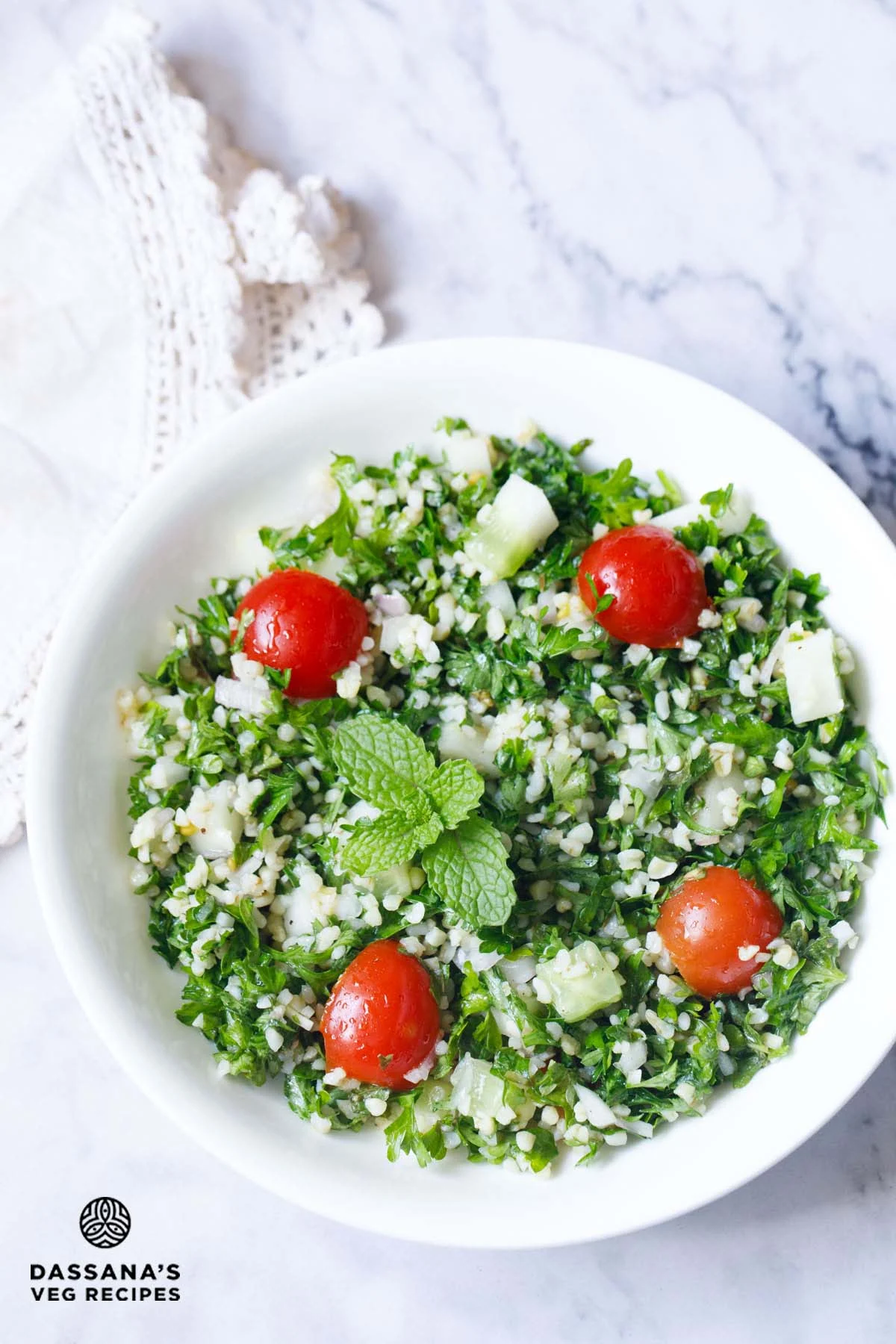
In the pantheon of Middle Eastern cuisine, few dishes carry the weight of tradition, health, and national pride as elegantly as Tabbouleh. Often relegated to a mere "side salad" in Western supermarkets, this herb-centric masterpiece is, in reality, a complex architectural feat of Levantine gastronomy. As global diets shift toward plant-based, nutrient-dense profiles, Tabbouleh has emerged as a cornerstone of the Mediterranean diet, celebrated not just for its refreshing flavor but for its historical resilience and nutritional density.
Main Facts: Defining the Authentic Tabbouleh
Tabbouleh (alternatively spelled tabouli or tabbouli) is a traditional Levantine salad composed primarily of finely chopped flat-leaf parsley, mint, tomatoes, onions, and a modest amount of bulgur wheat. It is seasoned with a simple yet precise dressing of extra virgin olive oil, fresh lemon juice, salt, and black pepper.
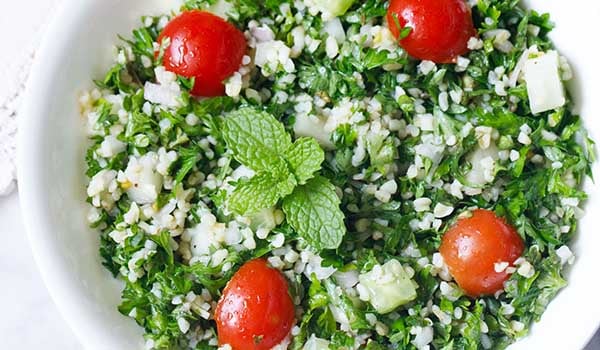
While many international variations mistakenly treat the dish as a grain-heavy salad—similar to a couscous or pasta salad—the authentic Lebanese preparation is strictly "herb-forward." In a traditional kitchen, the bulgur is used sparingly, acting as a textural accent rather than a base. The salad is the quintessential component of a mezze (a selection of small dishes served as an appetizer), often accompanied by hummus, falafel, baba ganoush, and warm pita bread.
Key Characteristics:
- The Hero Ingredient: Fresh parsley, which constitutes the bulk of the volume.
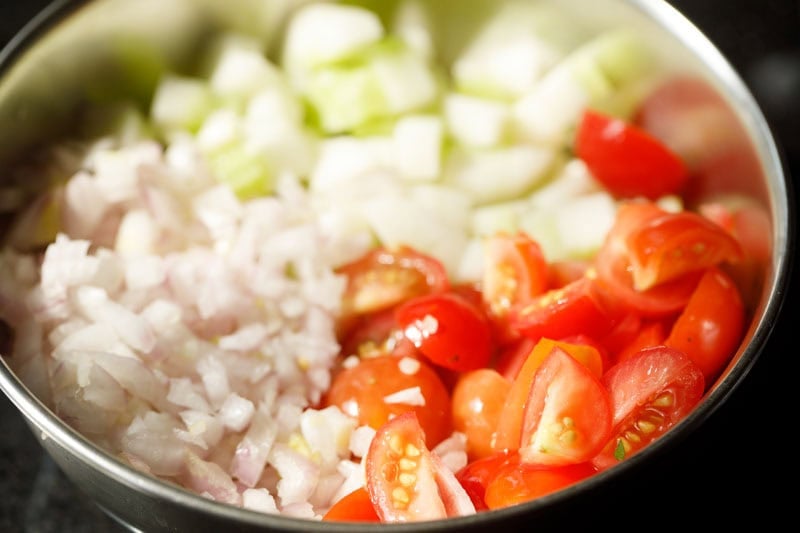
- The Texture: A delicate balance between the crunch of onions and cucumbers, the juiciness of tomatoes, and the slight chew of soaked bulgur.
- The Flavor Profile: Bright, tangy, and cooling, making it a staple during the sweltering summer months in the Middle East.
- Dietary Status: Naturally vegan and easily adaptable for gluten-free diets (by substituting bulgur with quinoa or cauliflower rice).
Chronology: From the Mountains of Lebanon to Global Tables
The history of Tabbouleh is inextricably linked to the agricultural history of the Levant, a region encompassing modern-day Lebanon, Syria, Jordan, Palestine, and Israel.
The Ancient Origins
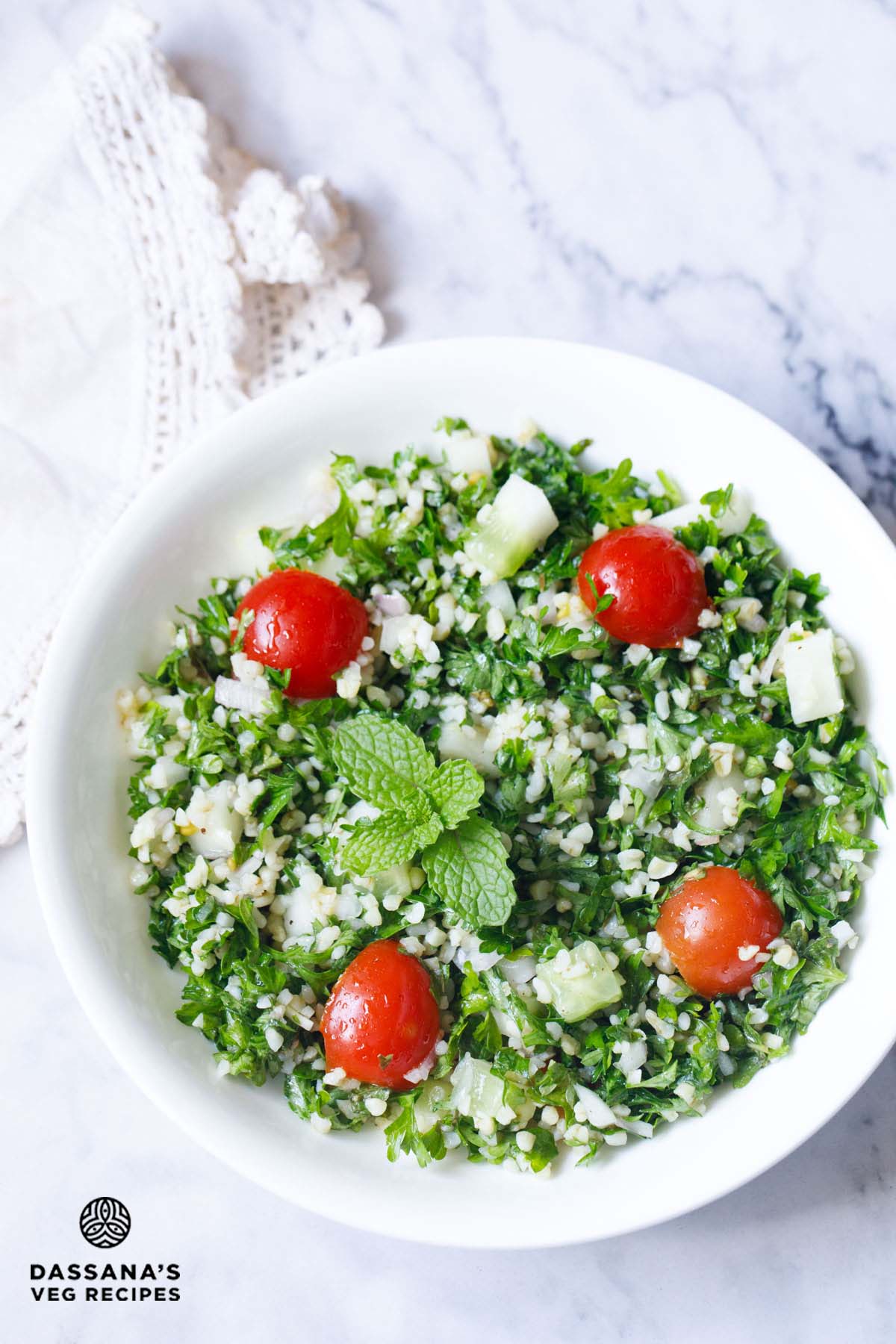
The name "Tabbouleh" is derived from the Arabic word tabbil, meaning "to season" or "to spice." Historically, the dish originated in the mountains of Lebanon and Syria during the medieval period. At the time, herbs like parsley and mint grew abundantly in the fertile valleys, and wheat was a primary staple crop.
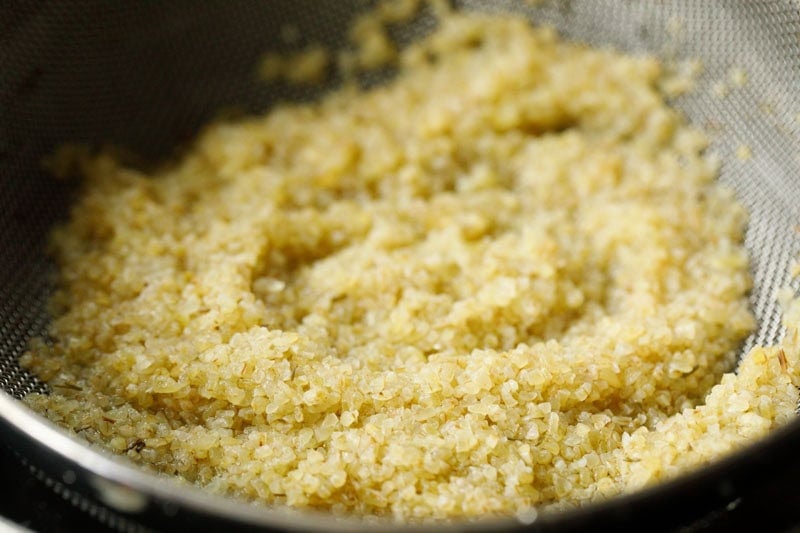
In its earliest iterations, Tabbouleh was a way for mountain dwellers to utilize fresh greens and preserved grains. The use of bulgur—cracked wheat that has been parboiled and dried—was a stroke of culinary genius for the era, as it allowed for a quick-cooking grain that could be stored for long periods without spoiling.
The 19th and 20th Century Expansion
As the Lebanese diaspora spread across the globe in the late 19th and early 20th centuries, they brought their culinary traditions with them. Tabbouleh began to appear in the cosmopolitan centers of Europe and the Americas. However, it remained a niche dish until the late 20th century, when the "Mediterranean Diet" began to gain scientific and popular traction as a blueprint for longevity and heart health.
Modern Day: National Identity
Today, Tabbouleh is more than a salad; it is a symbol of Lebanese identity. Lebanon holds the record for the world’s largest bowl of Tabbouleh, a feat achieved in 2009 where over 300 cooks prepared 4,324 kilograms of the salad to assert their cultural heritage. Since 2001, the first Saturday of July has been celebrated as "National Tabbouleh Day" in Lebanon, highlighting the dish’s role in the nation’s social fabric.
Supporting Data: Culinary Architecture and Nutrition
To understand why Tabbouleh has survived for centuries, one must look at the scientific and culinary logic behind its construction.
The Anatomy of Ingredients
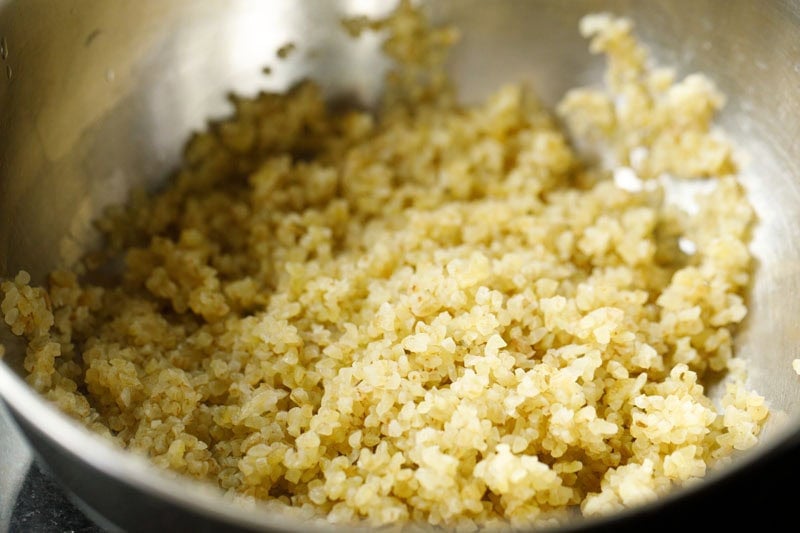
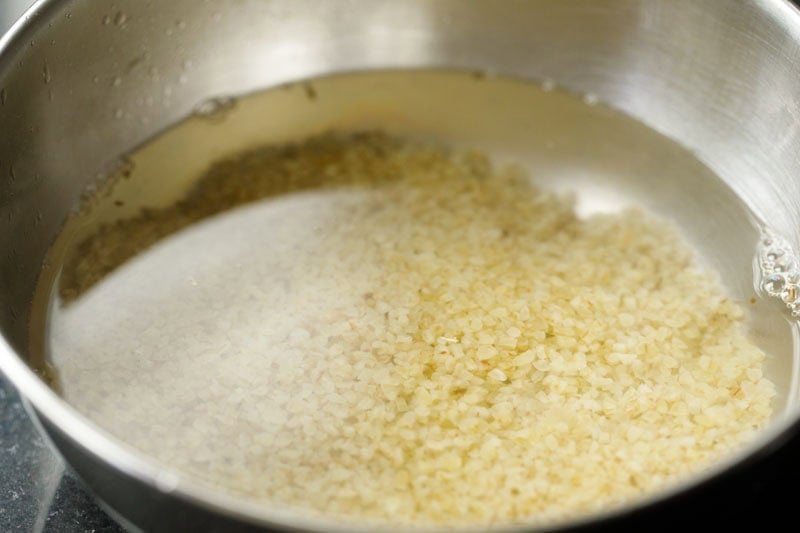
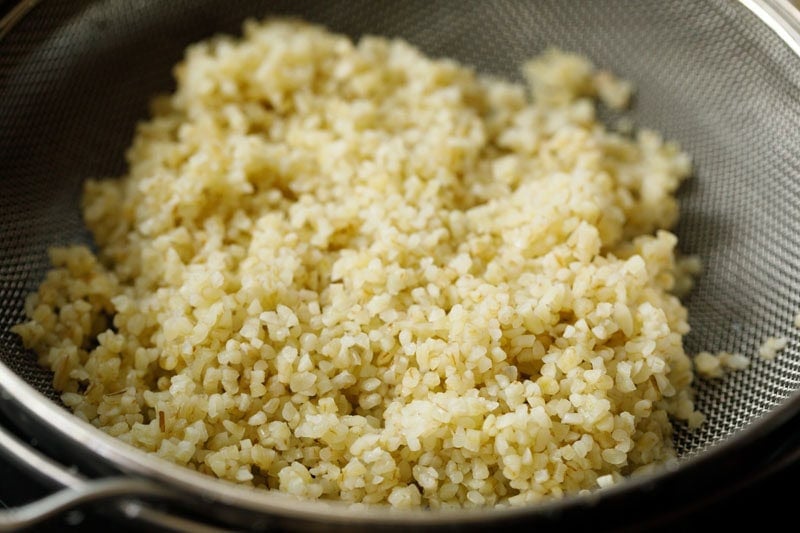
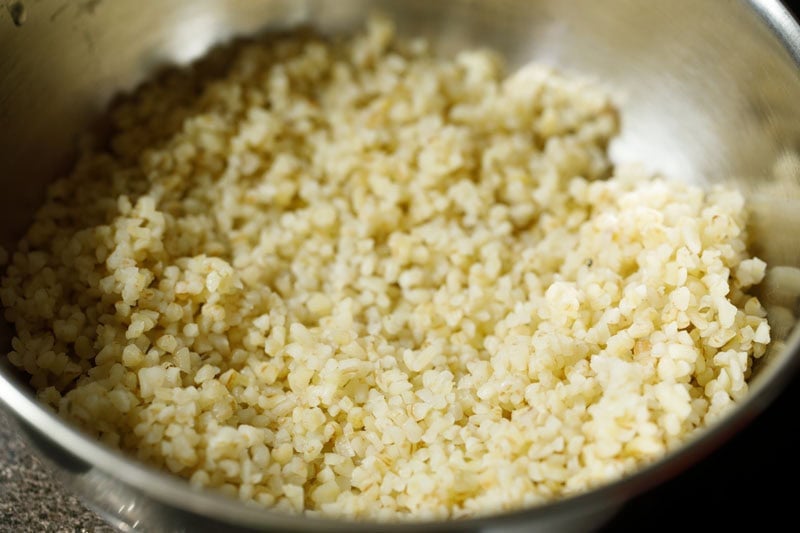
- Bulgur Wheat: Specifically, fine or super-fine bulgur (Grade #1) is required. Unlike coarse bulgur used for pilafs, fine bulgur softens quickly in hot water or even just the juices of the vegetables and lemon.
- The Parsley Dilemma: While flat-leaf (Italian) parsley is the traditional choice for its robust, peppery flavor, curly parsley is frequently used in modern kitchens for its ability to add volume and a lighter, airier texture.
- The "Dry" Requirement: A critical technical data point in Tabbouleh preparation is the moisture content of the herbs. Professional chefs emphasize that parsley and mint must be bone-dry after washing before they are chopped. Wet herbs result in a soggy, "weeping" salad that loses its structural integrity.
- The Knife-Only Rule: Culinary purists argue that a food processor should never touch Tabbouleh. High-speed blades bruise the cell walls of the parsley, releasing chlorophyll and making the salad bitter and wet. A sharp knife ensures clean cuts that preserve the herb’s freshness and vibrant green color.
Nutritional Breakdown (Per Serving)
The health profile of Tabbouleh is formidable. Based on a standard serving (approx. 1/3 of the recipe provided), the nutritional data is as follows:
- Calories: 233 kcal
- Fiber: 6g (24% of Daily Value) – essential for digestive health.
- Vitamin K: 559 µg – nearly 500% of the daily requirement, vital for bone health and blood clotting.
- Vitamin A: 3063 IU – powerful antioxidant for vision and immune function.
- Vitamin C: 59 mg – nearly a full day’s supply, aiding in collagen production and iron absorption.
- Healthy Fats: 15g (primarily monounsaturated fats from olive oil), which are heart-protective.
Official Responses and Expert Perspectives
Culinary experts and cultural historians often weigh in on the "correct" way to serve and preserve this heritage dish.
The "Purist" Perspective
In Lebanese culinary circles, the ratio of greens to grain is a matter of fierce debate. "The most common mistake people make in the West is treating Tabbouleh like a bulgur salad with some parsley garnish," says Chef Antoine Hajj, a renowned figure in Middle Eastern cuisine. "In a true Tabbouleh, the bulgur should be like a secret—you feel its texture, but the visual must be an emerald green field of herbs."
The Scientific View on Flavor Marriage
Food scientists note that Tabbouleh is a "living" salad. The 15-to-30-minute resting period recommended after mixing is not merely a suggestion; it is a chemical necessity. The acid in the lemon juice works to soften the cellulose in the parsley and the starch in the bulgur, while the salt draws out the juices of the tomatoes to create a natural "jus" that mingles with the olive oil.
Storage and Commercial Implications
Food safety experts and commercial producers highlight the challenge of Tabbouleh’s shelf life. Because it is a "raw" salad with high moisture content from the tomatoes and lemon juice, it begins to lose its crispness within hours. This has led to the development of "deconstructed" Tabbouleh kits in the retail sector, where the dressing and grains are kept separate from the fresh herbs to maintain quality.
Implications: The Global Rise of the "Herbivore" Diet
The enduring popularity of Tabbouleh has significant implications for global food trends and sustainability.
The Sustainability Factor
As the environmental cost of meat production becomes a global concern, Tabbouleh represents a sustainable model of eating. It utilizes high-yield herbs and drought-resistant grains. It proves that a "main event" dish can be built entirely from the garden, reducing the carbon footprint associated with livestock.
Health and Longevity
The "Blue Zones" research, which identifies regions where people live the longest, frequently points to the Mediterranean diet as a key factor. Tabbouleh fits perfectly into this paradigm—low in processed sugars, high in complex carbohydrates, and rich in phytonutrients. Its high Vitamin K and folate content are specifically linked to reduced risks of cardiovascular disease and cognitive decline.
Culinary Fusion and Adaptation
The adaptability of Tabbouleh has allowed it to penetrate diverse markets. In India, it is often adapted with local variations of mint and citrus. In the United States, "Tabbouleh bowls" topped with grilled salmon or chickpeas have become a staple of the fast-casual dining revolution. While these adaptations may stray from the Bekaa Valley tradition, they ensure that the spirit of the dish—freshness, health, and vibrancy—continues to reach new generations.
Conclusion
Tabbouleh is far more than the sum of its parts. It is a testament to the ingenuity of Levantine ancestors who transformed humble garden herbs and cracked wheat into a nutritional powerhouse. Whether served as a refreshing lunch on a hot July afternoon or as the center of a celebratory mezze spread, Tabbouleh remains a vital, green link to a rich cultural past and a healthy, sustainable future. As the culinary world continues to move toward "clean eating," the green jewel of the Levant stands ready to lead the way, one finely chopped leaf at a time.
