

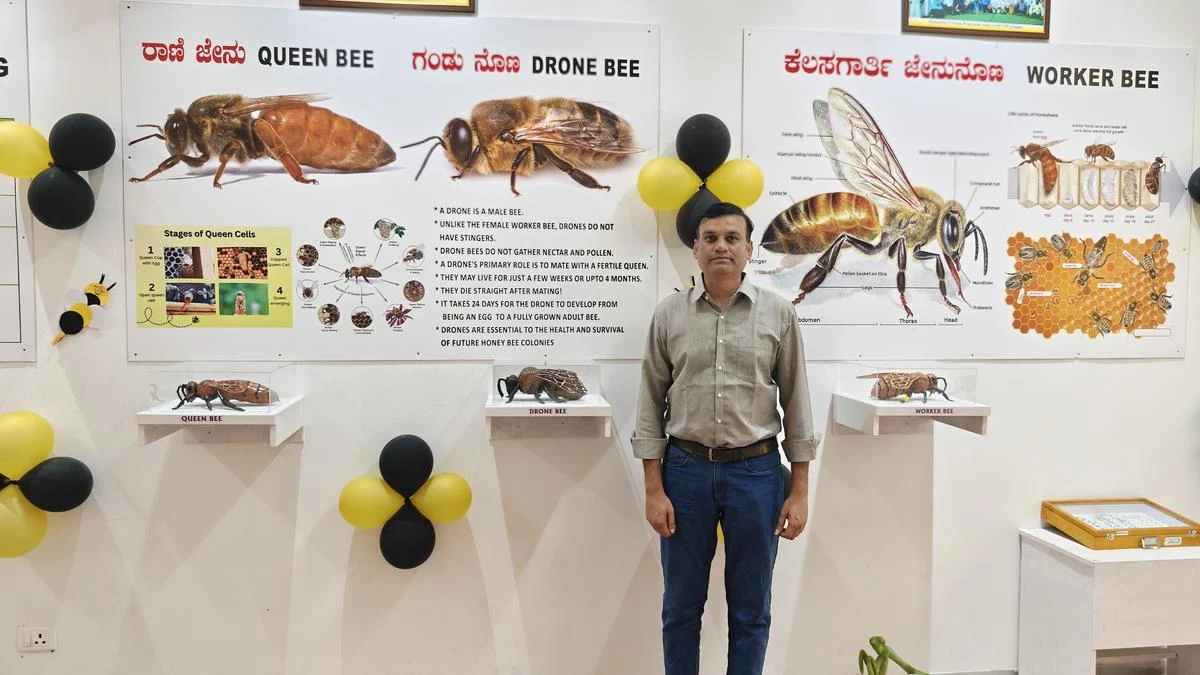
Bengaluru, India – In a quiet corner of Karnataka, amidst the verdant landscapes of Shivamogga, a unique institution has taken flight, promising to elevate the humble bee from a mere insect to a celebrated marvel of nature. Apoorva BV, a Bengaluru-based beekeeper and passionate educator, has meticulously crafted what is believed to be India’s first dedicated Bee Museum at the Keladi Shivappa Nayaka Agricultural and Horticultural Sciences University in Iruvakki. This ambitious project, a testament to Apoorva’s lifelong fascination with the natural world, aims to demystify the intricate lives of bees and underscore their critical role in our ecosystems.
From Childhood Curiosity to a Lifelong Vocation
Apoorva’s journey into the world of bees began not in a bustling city, but in the serene environs of Chitradurga, a small town in central Karnataka. "Animals, birds, and insects have always been my favourite topics since childhood," Apoorva recalls, his voice tinged with a nostalgic warmth. This innate curiosity, however, did not immediately translate into a career path. Like many young individuals, he pursued engineering, a path that promised stability and societal acceptance. Yet, the allure of the buzzing world proved too strong to resist.
During his third year of engineering, a serendipitous encounter with a beekeeping session, organized by S M Shanthaveeraiah of Chandana Madhuvana Gramina Abhivruddhi Sangha, a non-government organization dedicated to rural development, irrevocably altered his trajectory. This experience ignited a spark that would soon blossom into a full-fledged passion.
The Genesis of a Hive of Knowledge
Initially, beekeeping was a personal pursuit for Apoorva. He began by keeping bees in his bedroom, strategically placed near windows, allowing him to observe their daily rituals, particularly their "first flight of the day, which happened at a particular time every day." This hands-on, observational approach laid the groundwork for a deeper understanding.
His engagement deepened as he started assisting farmers who attended Shanthaveeraiah’s beekeeping programs, even volunteering as an assistant trainer. This practical involvement fueled his desire to transform his hobby into a profession. "I then started to explore how I can make this a profession," he explains. Post-graduation, Apoorva embarked on an extensive cross-country journey, seeking out seasoned beekeepers and immersing himself in the practicalities of apiary management by staying with workers and learning their craft firsthand. This period of dedicated learning culminated in the founding of The Hive Trust, a Bengaluru-headquartered non-profit organization committed to bee education and conservation.
A Museum Born from Passion and Purpose
The culmination of years of tireless learning, exploration, and advocacy is the newly established Bee Museum. Apoorva envisions it as a space where "even a person who knows nothing about bees will find them interesting." The museum is designed to be an immersive educational experience, offering a comprehensive overview of the fascinating world of bees.
Visitors can expect to explore a diverse range of exhibits that delve into the fundamental aspects of apiculture. These include:
- Understanding Honey Bees: An introduction to the different species of honey bees and their unique characteristics.
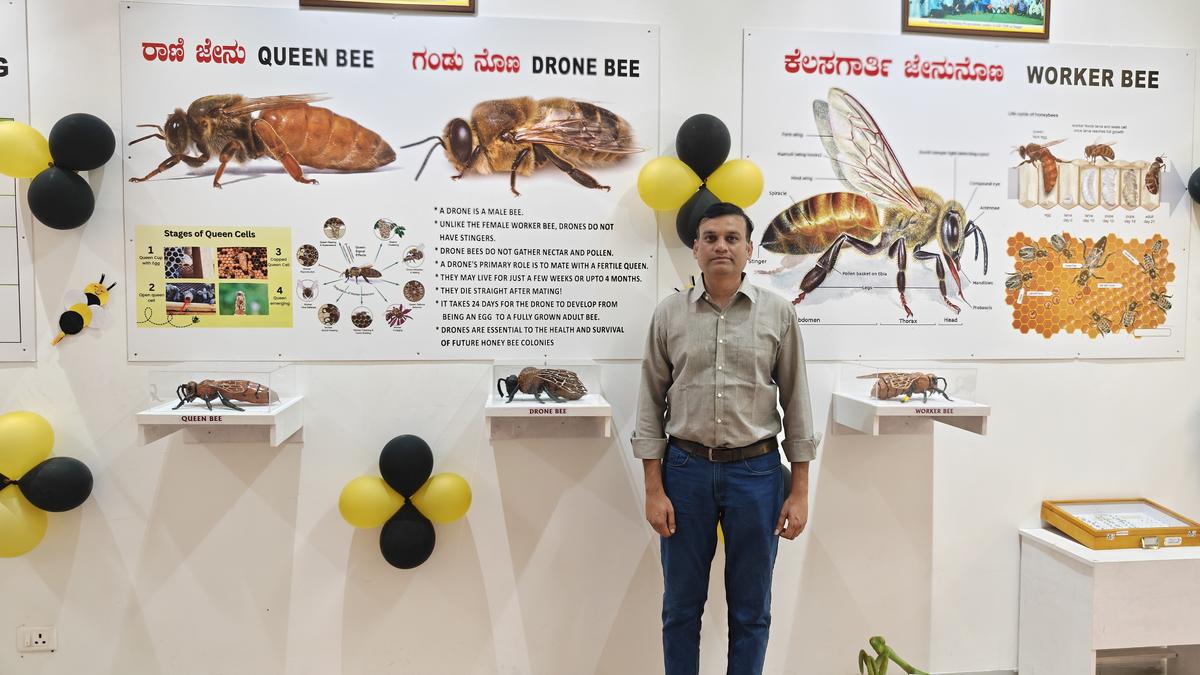
- Colony Hierarchy: A detailed look at the intricate social structure of a bee colony, from the queen bee to the worker bees and drones.
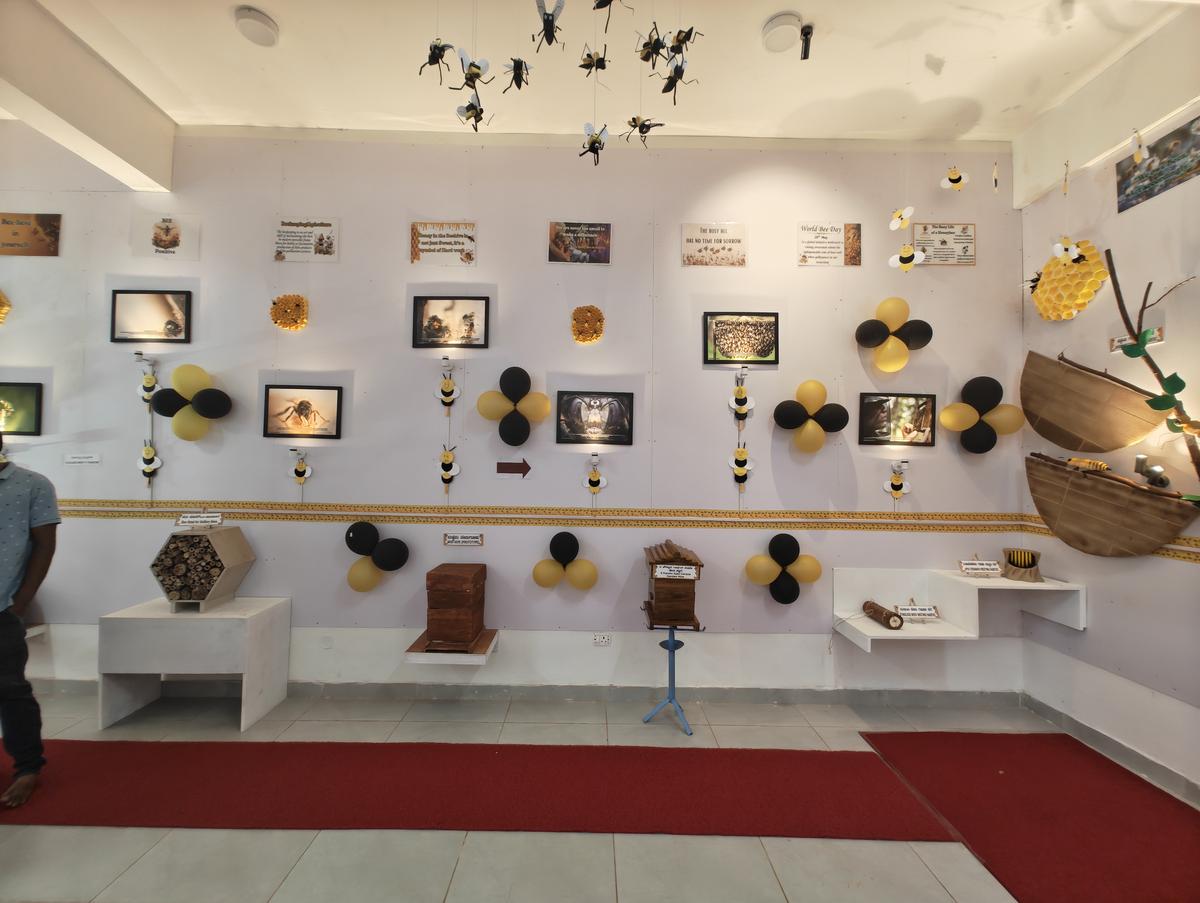
- Beekeeping Equipment: An overview of the tools and technologies used by beekeepers, showcasing the evolution of beekeeping practices.
- Solitary vs. Social Bees: An exploration of the diverse lifestyles of bees, highlighting the significant populations of solitary bees that are often overlooked.
- Bee Habitats: Insights into the natural environments that bees thrive in and the importance of preserving these habitats.
Beyond the intricacies of bee biology and beekeeping, the museum also sheds light on the vital role of pollinators in maintaining ecological balance. Apoorva emphasizes that "small pollinators, including bees, wasps, rodents, and birds, play an indispensable role in ecosystem-functioning." The exhibits also address the significant challenges these crucial creatures face, such as "pesticides, loss of habitat, and changes in agricultural practices affect all these pollinators, not just bees." This broader perspective underscores the interconnectedness of our environment and the far-reaching consequences of pollinator decline.
A Collaborative Effort and Overcoming Hurdles
The establishment of the Bee Museum is a testament to the power of collaboration. The Keladi Shivappa Nayaka Agricultural and Horticultural Sciences University approached Apoorva with the vision of creating this unique educational space, intended not only for university students but also for the numerous farmers who frequent the institution. "Generally, these kinds of things go to professional designers, but, as a beekeeper who always enjoyed educating others on beekeeping, this was a good opportunity for me," Apoorva states.
The university’s initiative was further bolstered by Professor Jayalaxmi Hegde, who was instrumental in implementing the Tribal Sub-Plan (TSP) scheme. Professor Hegde had previously spearheaded beekeeping training programs for farmers, distributing essential equipment and even bees. The remaining funds from this successful scheme were then channeled into establishing the campus museum, with Apoorva taking the reins of its creation.
The realization of this ambitious project was not without its trials. The geographical distance between Apoorva’s base in Bengaluru and the museum’s location in Shivamogga presented a significant logistical challenge. "I am in Bengaluru, and Shivamogga is pretty far (around 300 kilometers from Bengaluru); from Shivamogga, we have to go another 50 kilometers to reach this place," he explains.
Beyond the distance, the construction process was fraught with unforeseen difficulties, including issues with seepage, crumbling walls, and the abrupt departure of workers – "unpleasant surprises that had not been budgeted for." There were moments of doubt, where Apoorva questioned his commitment. "There were nights when I wondered if I should just pack up. But something kept me going. Maybe it was the museum’s purpose. Maybe it was my own," he reminisces. Despite these setbacks, Apoorva persevered, securing the contract in June of the previous year and dedicating nearly a year to bring the museum to fruition, with its grand opening in March of the current year.
Beyond Honey: A Call for Appreciation and Conservation
The mission of the Bee Museum extends far beyond the mere dissemination of information about beekeeping and honey production. Apoorva’s core philosophy revolves around fostering a deeper appreciation for bees as sentient beings. "It is not just about making honey, but also about appreciating and treating bees better," he asserts. He advocates for a paradigm shift in how we perceive these creatures, moving away from viewing them as mere automatons. "Bees, after all, are not machines or robots but sentient beings well connected to nature," he states.
Apoorva’s profound respect for bees is evident in his belief that "They are highly evolved, probably more evolved than us, so we really need to appreciate them." This sentiment underscores a call for ethical beekeeping practices and a recognition of the intrinsic value of these complex organisms.
The Economic and Ecological Potential of Beekeeping in the Western Ghats
India, while still in its nascent stages of commercial beekeeping, holds immense potential for growth in this sector. Apoorva points out that "it was only after independence that the Khadi and Village Industries Commission (KVIC) started to promote it for rural employment." He firmly believes that beekeeping presents an "ideal livelihood for farmers and tribals of the Western Ghats."
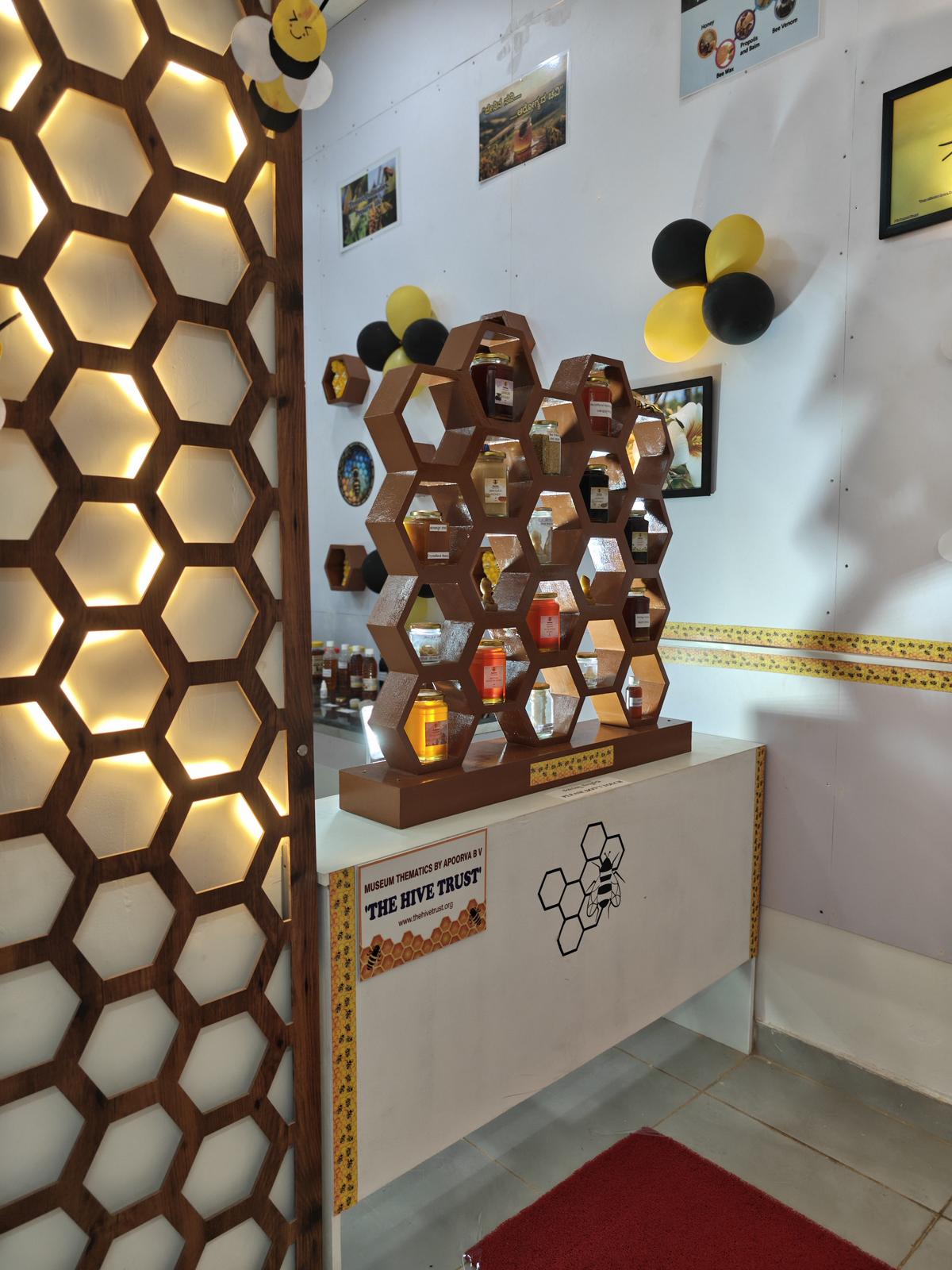
The region’s unique agro-climatic conditions contribute to the production of high-quality honey. "Honey from the Western Ghats is rich in aroma and flavour. It also has undiscovered medicinal values," Apoorva highlights. With the increasing influx of tourism in the Western Ghats, the market value of this artisanal honey is poised for significant growth. He projects that "A family in the Western Ghats can earn a minimum of ₹2 lakhs per year if they keep 50 bee colonies." This economic potential, coupled with the ecological benefits of increased pollination, makes beekeeping a sustainable and promising venture for rural communities.
The Bee Museum stands as a beacon of knowledge and a testament to the dedication of individuals like Apoorva BV. It is a vital step towards cultivating a deeper understanding, respect, and commitment to the preservation of bees and the vital role they play in sustaining our planet. As visitors walk through its halls, the hope is that they will leave with a renewed appreciation for these industrious insects, recognizing them not just as producers of honey, but as essential architects of our natural world.
