

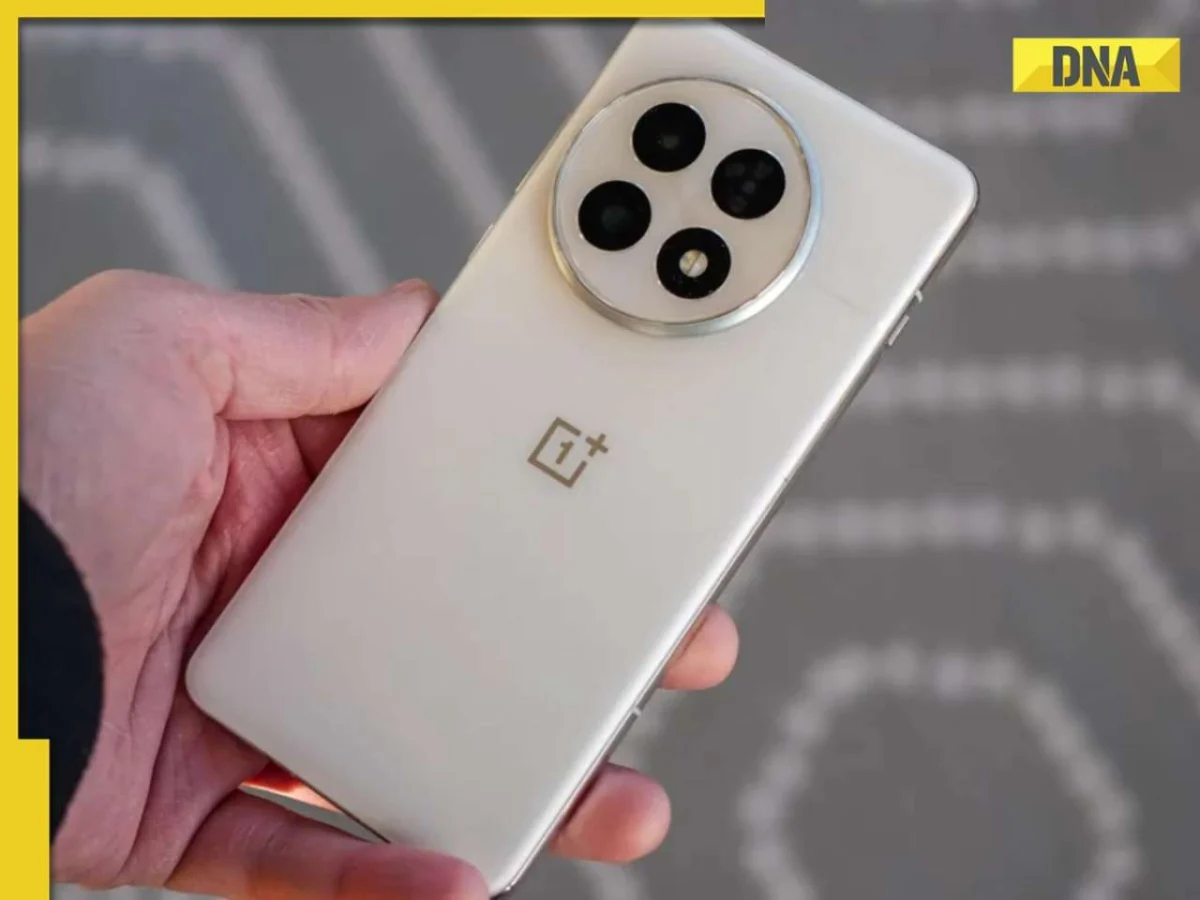
SHENZHEN, CHINA – The smartphone industry is abuzz with reports suggesting a significant strategic pivot for Chinese brand OnePlus. Once lauded as a "flagship killer" with global aspirations, the company is reportedly embarking on a substantial scaling back of its international operations, with a renewed and intense focus on its core markets of China and India. This seismic shift, characterized by leadership changes, workforce adjustments, and an ever-deepening integration with its parent company, Oppo, paints a picture of a brand in transition, grappling with an increasingly competitive global landscape and redefining its identity within a larger corporate ecosystem.
Sources close to the company indicate that this restructuring could see OnePlus withdrawing from several key global markets, particularly in parts of Europe, as early as April 2026. While official confirmation remains elusive, the confluence of internal developments and market pressures suggests a calculated, albeit challenging, strategic realignment designed to consolidate resources and optimize profitability in a challenging economic climate.
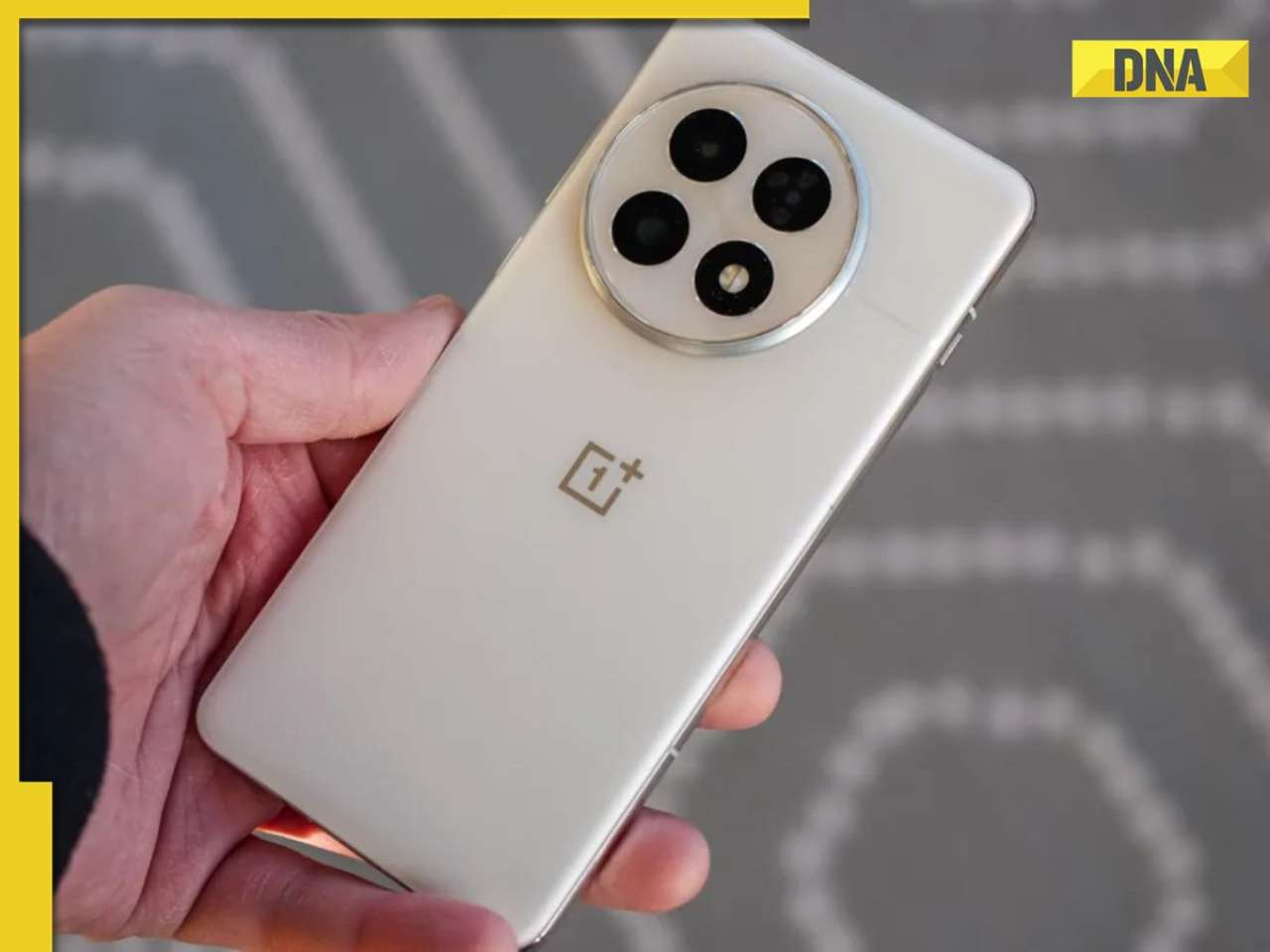
Unpacking the Strategic Shift: Main Facts and Core Developments
The central narrative emerging from industry reports points to a multi-faceted strategic contraction for OnePlus. At its core, the brand, which carved out a niche by offering high-performance devices at competitive prices, appears to be shedding its global ambitions to concentrate its efforts on two of the world’s largest and most lucrative smartphone markets: China and India.
This reported global pullback is not merely a whisper but is corroborated by several tangible indicators:
)
- Leadership Realignment: Robin Liu, the CEO of OnePlus India, has reportedly stepped down from his role and returned to China, signaling a potential centralization of leadership and decision-making within the parent organization.
- Workforce Adjustments: Employees in certain international regions have reportedly been informed of impending closures, with some already receiving severance packages. This suggests concrete steps are being taken to wind down local operations.
- Deepening Oppo Integration: The strategic shift appears to be a natural progression of OnePlus’s increasing integration with Oppo, a process that has been ongoing for several years. This includes shared research and development, supply chains, and increasingly, product strategies.
- Market Prioritization: The focus on China and India underscores a move towards markets where the brand already enjoys significant recognition and market share, potentially leveraging Oppo’s established infrastructure and distribution networks.
- Partnership Evolution: The recent decision by OnePlus to conclude its high-profile camera partnership with Hasselblad for its latest devices, while Oppo continues to feature the collaboration in its flagship offerings, further highlights a divergence in brand strategies and resource allocation.
These developments collectively suggest that OnePlus is moving away from its independent global challenger persona, opting instead for a more streamlined, regionally focused role within Oppo’s broader multi-brand strategy.
A Journey Through Time: The Chronology of OnePlus’s Evolution
To fully grasp the magnitude of this reported strategic shift, it is essential to trace the chronological evolution of OnePlus from its inception to its current crossroads.

The Genesis: A Global Challenger (2013-2016)
OnePlus burst onto the scene in December 2013, founded by Pete Lau and Carl Pei, with a bold vision: to create a "flagship killer" smartphone that offered premium specifications at an accessible price point, directly challenging established giants like Samsung and Apple. Its unique "invite system" for purchasing devices generated immense hype and cultivated a passionate, tech-savvy community. The OnePlus One, launched in 2014, became an instant cult classic, praised for its Cyanogen OS software and powerful hardware. Subsequent models like the OnePlus 2, OnePlus 3, and OnePlus 3T continued this trajectory, cementing the brand’s reputation for performance, clean software (OxygenOS), and user engagement. Global expansion was rapid, with a strong presence quickly established across North America, Europe, and India.
The Growth Years and Early Integration (2017-2019)
As OnePlus matured, it moved beyond the "flagship killer" moniker, gradually increasing its price points while maintaining a focus on premium features. The OnePlus 5, 6, 7, and 7T series saw the brand pushing boundaries in display technology, charging speeds, and camera performance. During this period, subtle signs of integration with Oppo, its parent company under the larger BBK Electronics umbrella, began to emerge. While distinct in their market positioning, shared manufacturing facilities and supply chain efficiencies became more apparent. However, OnePlus largely retained its independent brand identity, particularly in its software experience and direct-to-consumer sales model.
)
The Pivotal Year: Carl Pei’s Departure and Deeper Integration (2020)
The year 2020 marked a significant turning point. Carl Pei, co-founder and the public face of OnePlus’s global marketing efforts, departed the company to found his new venture, Nothing. This event coincided with Pete Lau, the remaining co-founder, taking on an expanded role as Chief Product Officer for Oppo, overseeing product strategy for both brands. This leadership change was a clear signal of deeper integration to come.
Following Pei’s departure, the pace of integration accelerated. OnePlus and Oppo began sharing more extensive resources, including R&D teams, software development, and even product design philosophies. The lines between OxygenOS and Oppo’s ColorOS began to blur, culminating in the eventual announcement of a unified codebase. This period saw OnePlus attempting to broaden its portfolio with more mid-range offerings like the Nord series, further aligning its market strategy with Oppo’s diverse product lines.
)
Recent Developments: Signals of Contraction (2021-Present)
The past two to three years have brought increasingly concrete evidence of the reported global pullback:
- Software Unification: The formal merger of OxygenOS and ColorOS into a single, unified operating system, albeit retaining the OxygenOS branding for global markets, was a major step towards operational consolidation.
- Strategic Market Focus: While OnePlus continued to launch devices globally, there was a noticeable shift in emphasis, with product launches and marketing efforts appearing more robust in China and India.
- Robin Liu’s Departure (Reported): The recent reports of OnePlus India CEO Robin Liu stepping down and returning to China serve as a potent indicator of a potential shift in regional leadership and a move towards more centralized control from the company’s headquarters.
- Severance Packages (Reported): The most direct evidence of an operational scaling back comes from reports of severance packages being offered to employees in certain international regions, suggesting active closure or reduction of local offices.
- Hasselblad Partnership Shift: The decision to not extend the Hasselblad camera partnership to OnePlus’s latest flagship devices, while Oppo continues to leverage it, signifies a differentiation in premium branding and resource allocation, with Oppo’s flagships seemingly taking precedence for high-profile collaborations.
- The April 2026 Timeline (Reported): The specific mention of April 2026 as a potential date for winding down operations in parts of Europe provides a concrete, albeit unconfirmed, timeline for the reported strategic withdrawal. This suggests a phased approach to market exit.
This chronological overview illustrates a brand that, over a decade, has steadily evolved from an independent disruptor to an increasingly integrated component of a larger corporate entity, culminating in the current reported strategy of regional consolidation.
)
Underpinning the Decision: Supporting Data and Market Context
The reported strategic shift by OnePlus is not an isolated event but rather a reflection of broader trends and pressures within the global smartphone industry. A closer look at market dynamics, competitive landscapes, and internal corporate strategies provides crucial supporting data for understanding this decision.
Global Smartphone Market Pressures
The global smartphone market has faced significant headwinds in recent years. After a period of explosive growth, the market has matured, leading to slower sales and increased competition.
)
- Market Saturation: Many developed markets have reached saturation points, with longer upgrade cycles for consumers.
- Economic Downturns: Global economic uncertainties, inflation, and reduced consumer spending power have directly impacted smartphone sales.
- Supply Chain Disruptions: The COVID-19 pandemic and subsequent geopolitical events have led to persistent supply chain disruptions, including chip shortages and increased component costs. This has squeezed profit margins for manufacturers, particularly those operating in the highly competitive mid-range and premium segments.
- Rising Production Costs: The cost of manufacturing, logistics, and R&D has steadily climbed, making it harder for brands to maintain aggressive pricing strategies while ensuring profitability. Chinese manufacturers, known for their value propositions, have been particularly susceptible to these pressures.
The Intensifying Competitive Landscape
The smartphone market is a brutal arena, characterized by fierce competition from a multitude of players.
- Dominance of Giants: Samsung and Apple continue to dominate the premium segment, with vast R&D budgets, strong brand loyalty, and extensive retail presence.
- Aggressive Chinese Competitors: Brands like Xiaomi, Realme, and Vivo (also under the BBK umbrella) are intensely competing in the mid-range and budget segments, often offering similar specifications at even more aggressive price points.
- Brand Fatigue: In markets with numerous brands, consumer attention is fragmented, and it becomes increasingly expensive to cut through the noise with marketing and advertising. For a brand like OnePlus, which prided itself on community and word-of-mouth, maintaining that edge in saturated markets is challenging.
Oppo’s Multi-Brand Strategy
Oppo, as the parent company, operates a complex multi-brand strategy that includes OnePlus, Realme, and potentially others. Each brand typically targets different demographics and market segments.
)
- Rationalization of Portfolio: It is plausible that Oppo is seeking to rationalize its brand portfolio, reducing internal competition and streamlining operations. If OnePlus’s global operations are less profitable or strategically redundant in certain markets compared to Oppo’s own brand or Realme, a pullback makes business sense.
- Resource Consolidation: By focusing OnePlus on specific regions, Oppo can consolidate R&D, marketing, and supply chain resources, leading to greater efficiency and potentially higher profitability for the group as a whole.
- Market Positioning: OnePlus could be repositioned as a premium or performance-focused sub-brand for Oppo in China and India, leveraging shared technology while maintaining a distinct identity within those specific markets. This mirrors how other conglomerates manage their various brands.
Internal Signals as Evidence
Beyond market trends, several internal signals reinforce the likelihood of this strategic shift:
- Shared Ecosystem: The deep integration of software (ColorOS/OxygenOS), hardware components (e.g., shared charging technology like VOOC/SuperVOOC), and even design language indicates a unified ecosystem. Maintaining separate, expansive global operations for brands that are increasingly similar internally becomes less efficient.
- Reduced Independent Marketing/Presence: In some international markets, OnePlus’s independent marketing campaigns and retail presence have appeared to diminish over time, with greater reliance on online sales or partnerships that might be managed by the broader Oppo group.
- Investment Focus: Corporate investment decisions likely prioritize regions offering the highest returns or strategic importance. If other global markets are not meeting profitability targets for OnePlus, diverting investment to high-growth regions like India makes sound business sense.
The combination of a challenging global market, intense competition, and Oppo’s overarching corporate strategy provides a robust framework for understanding why OnePlus might be undertaking such a significant global retreat. It’s a pragmatic response to economic realities and a strategic decision to optimize the performance of the entire BBK Electronics smartphone portfolio.
)
The Silence of the Giants: Official Responses and Unconfirmed Reports
In situations involving significant corporate restructuring and market withdrawals, official statements are often carefully managed, if issued at all, particularly in the early stages. The current situation with OnePlus is no exception.
Lack of Official Confirmation
As of the current reports, neither OnePlus nor its parent company, Oppo, has issued a formal statement confirming the scaling back of global operations or the specific timeline for market exits, such as the rumored April 2026 withdrawal from parts of Europe. This absence of official communication is typical in such scenarios, as companies often prefer to manage internal transitions before making public announcements that could impact consumer confidence, partner relationships, or employee morale.
)
The news primarily stems from "industry sources," "reports," and "internal indications," which, while often reliable in the tech industry, still fall short of an official corporate declaration. The use of terms like "reportedly," "suggests," and "sources indicate" throughout the initial reporting underscores this lack of direct confirmation.
Past Statements on Independence
It is worth noting that in the past, particularly during the initial phases of integration with Oppo, OnePlus leadership (including Pete Lau) had often assured customers and the community that OnePlus would retain its independent brand identity and continue to operate distinctly. For instance, when the software teams merged, statements emphasized that OxygenOS would remain a separate user experience, even if built on a shared codebase. These past assurances now stand in contrast to the current reports, highlighting the dynamic nature of corporate strategy and market conditions.
)
The silence from official channels at this juncture can be interpreted in several ways:
- Strategic Secrecy: The company might be executing a phased withdrawal and wishes to control the narrative and timing of any public announcements. Premature announcements could disrupt ongoing operations, trigger unwanted market speculation, or complicate negotiations with partners and distributors.
- Internal Management: The priority might be on managing the internal aspects of the transition, including employee communications, severance packages, and operational wind-down, before addressing the broader public.
- "Wait and See" Approach: The company might be monitoring market reactions and internal progress before making any definitive public statements.
While the absence of official confirmation means the reports remain speculative to some degree, the sheer volume of corroborating internal indicators – from leadership changes to reported severance packages – lends significant credibility to the underlying narrative of a major strategic shift. The industry will be closely watching for any official communication that either confirms, denies, or clarifies these widespread reports.
)
The Ripple Effect: Implications for OnePlus, Consumers, and the Market
The reported global retreat of OnePlus carries significant implications for various stakeholders, reshaping the brand’s future, impacting consumer choices, and influencing the broader smartphone market landscape.
Implications for OnePlus as a Brand
- Loss of "Global Challenger" Identity: For years, OnePlus cultivated an image as a plucky challenger, a global disruptor offering premium experiences without the premium price tag. Scaling back global operations fundamentally undermines this identity. The brand risks being perceived as less ambitious or, worse, a mere sub-brand of Oppo rather than an independent innovator.
- Stronger Integration with Oppo: This move solidifies OnePlus’s position as a more specialized brand within Oppo’s extensive portfolio. While this can lead to greater efficiencies and shared technologies, it also means a potential loss of distinctiveness. The brand’s unique software experience (OxygenOS) and community-driven approach, once its hallmarks, have already seen significant convergence with ColorOS. This trend is likely to accelerate.
- Refined Market Focus: By concentrating on China and India, OnePlus can potentially become a more formidable player in these specific markets. It can tailor products, marketing, and services more precisely to local tastes and demands, leveraging Oppo’s established infrastructure and market insights. This could lead to stronger market share and profitability in these key regions.
- Product Strategy Evolution: The future product strategy will likely be influenced heavily by Oppo’s overall vision. OnePlus might focus more on specific niches – perhaps high-performance gaming phones or premium devices at a slightly lower tier than Oppo’s absolute flagships – within its designated markets.
Implications for Consumers
- For Users in Affected Markets (e.g., Europe, North America):
- Availability of New Devices: New OnePlus devices may become unavailable, or their release could be severely delayed and limited to import channels, making purchases more difficult and potentially voiding local warranties.
- Long-Term Support: The most pressing concern for existing users will be long-term software updates, security patches, and customer service. While companies typically commit to supporting existing devices for a certain period, the uncertainty surrounding a market exit can create anxiety about the longevity of support and availability of spare parts for repairs.
- Community Services: The vibrant OnePlus community, a cornerstone of its early success, could diminish in regions where the brand retracts its official presence.
- Resale Value: The resale value of existing OnePlus devices could depreciate more rapidly if the brand officially withdraws from a market, as future support and new product availability become uncertain.
- For Users in Focus Markets (China, India):
- Potentially Stronger Offerings: Consumers in China and India might benefit from a more concentrated focus, potentially leading to devices better tailored to local preferences, more aggressive pricing, and enhanced localized customer support.
- Continued Support: For these regions, the commitment to software updates, service, and new product launches is likely to remain robust, if not strengthen.
Implications for the Broader Smartphone Market
- Market Consolidation: This move reflects a broader trend of consolidation in the smartphone industry. As margins tighten and competition intensifies, only the strongest and most strategically focused brands will thrive. Smaller players or those lacking a clear differentiation strategy face increasing pressure.
- Increased Competition in Key Regions: The intensified focus on China and India will likely escalate competition in these already fiercely contested markets, potentially leading to more innovation and better value for consumers in those regions.
- Challenges for Mid-Tier Brands: The struggles of a brand like OnePlus, which once occupied a unique space between premium and mid-range, highlight the difficulties faced by companies attempting to navigate this challenging segment globally.
- Oppo’s Strengthened Position: By streamlining its brand portfolio, Oppo can potentially strengthen its overall position in the global market, allowing its flagship Oppo brand to compete more directly with Samsung and Apple, while Realme targets the budget segment, and OnePlus caters to a specific performance-oriented niche in key regions.
Potential Scenarios for Global Users
While an official statement is awaited, several scenarios could unfold for OnePlus users outside of China and India:
)
- Full Withdrawal: The most drastic scenario, where OnePlus completely ceases operations, sales, and potentially long-term support in affected markets.
- Online-Only Model: A less severe outcome where the brand maintains a minimal online presence for sales and limited support, foregoing physical retail and extensive marketing.
- Absorption into Oppo: In some markets, Oppo might fully absorb OnePlus operations, potentially offering existing OnePlus users support under the Oppo brand, though new OnePlus-branded devices might not be launched.
The situation mirrors changes seen with Realme, another brand under Oppo’s umbrella, which has strategically adapted its global presence over time. While OnePlus has previously assured customers of continued support and service commitments, its future as a global standalone brand now appears uncertain, ushering in a new era defined by strategic regionalism and tighter corporate integration. The coming months will undoubtedly reveal the full scope of this transformative period for OnePlus.
