

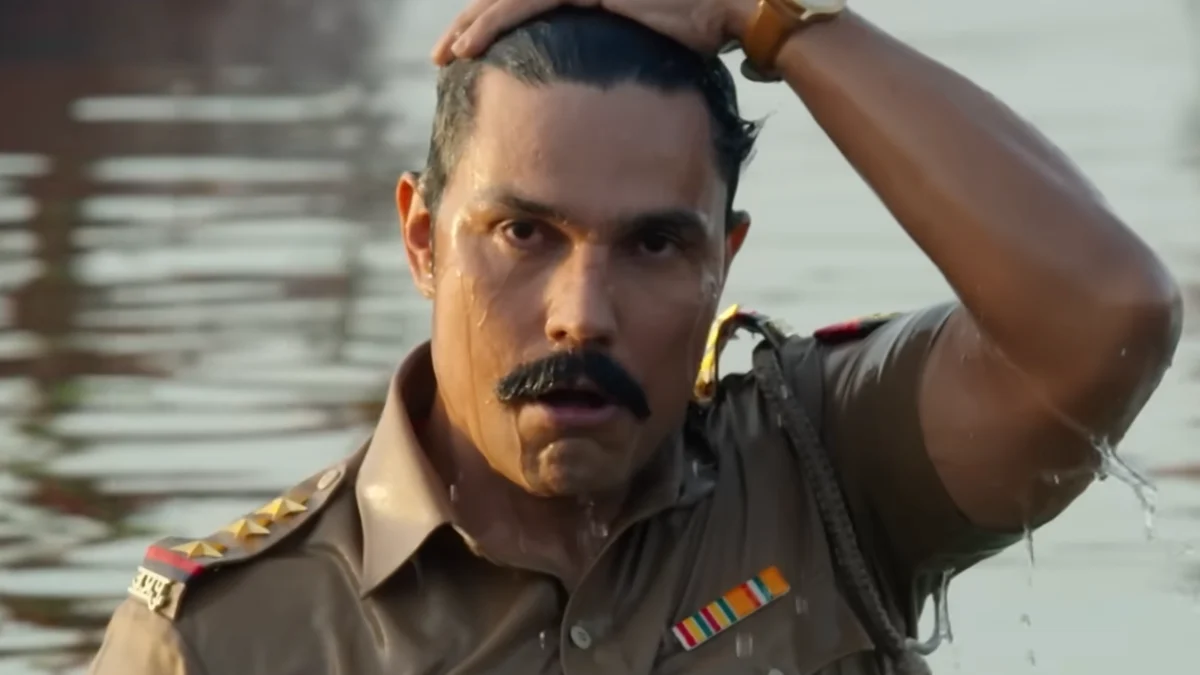
Mumbai, India – May 15, 2024 – Randeep Hooda, a name synonymous with intense portrayals and a chameleon-like ability to inhabit diverse characters, is once again stepping into the formidable shoes of Inspector Avinash. The much-anticipated Season 2 of the pulpy crime-thriller series, Inspector Avinash, is set to premiere on JioHotstar, promising another dose of high-octane action and gripping narratives. This return to the uniform, however, wasn’t initially an easy sell for the seasoned actor, who has a well-documented history of embodying law enforcement officers across various cinematic landscapes.
Hooda’s career boasts a notable collection of roles as a cop, each leaving an indelible mark. From the retro swagger of his portrayal in Once Upon A Time In Mumbaai (2010) to the gritty, unyielding intensity in Jannat 2 (2011), and even his memorable turn chasing a superstar in Kick (2014), the actor has consistently demonstrated his prowess in the genre. It was this very familiarity that made him hesitant when filmmaker Neeraj Pathak first approached him for Inspector Avinash. "I told him that I don’t want to hear a cop script, as I was getting too many of those," Hooda confesses. "But then he told me the story, I was quite bowled over." This anecdote underscores a core philosophy that guides Hooda’s professional journey: "Between what you choose and what chooses you, lies your career. I just try to select whatever it is that fascinates me in that particular moment."
The Art of Selection: Beyond the Script
For Randeep Hooda, the decision to commit to a project is a nuanced process that extends beyond the immediate allure of a compelling script. While the initial spark of interest is crucial, a deeper evaluation is always at play. "During the script narration, I should be able to listen to it with interest and imagine the world," he explains. "The story should also have a shade of something that I have not done before." This pursuit of novelty and the desire to explore uncharted territories in his performances are driving forces behind his career choices.
However, in recent years, Hooda has broadened his considerations to encompass factors that extend beyond the creative realm. The practicalities of production and distribution have gained significant weight in his decision-making. "It is important to know who is producing it, how it is going to be exhibited and where, because a lot of hard work can go unnoticed if it’s not for the right platform," he states. This pragmatic approach highlights a growing awareness of the industry’s evolving landscape and the critical role of strategic partnerships and exhibition channels in ensuring a project’s visibility and impact.
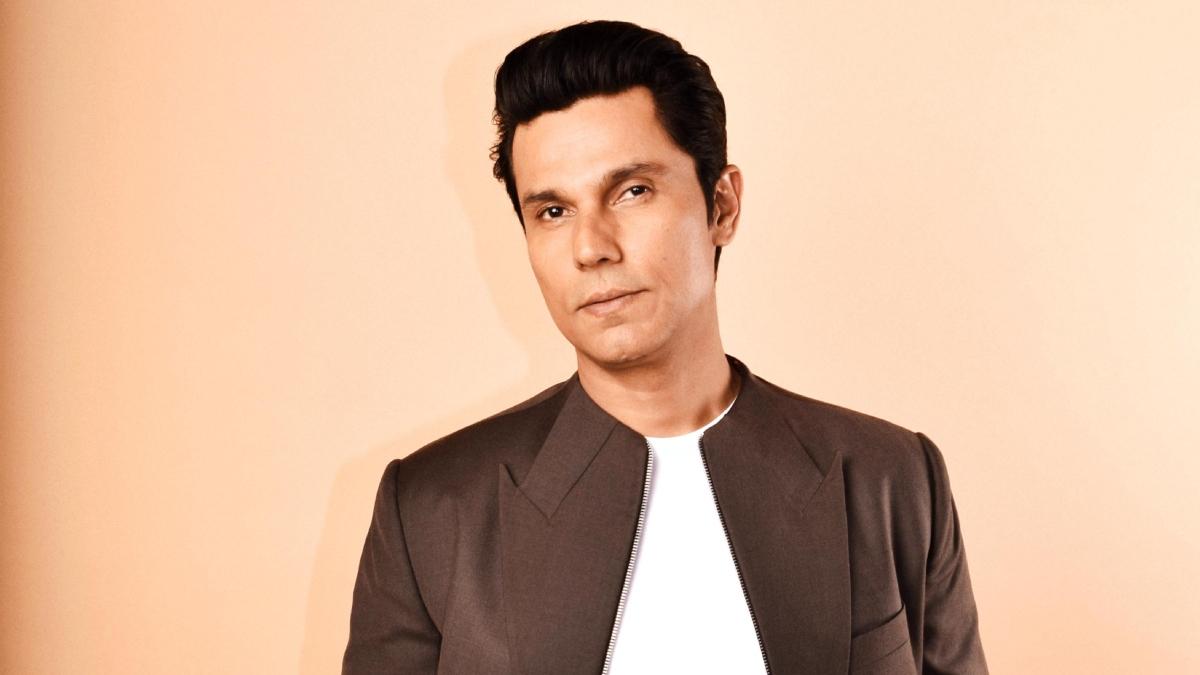
A Deep Dive into Inspector Avinash: The Genesis of a Crime Thriller
Inspector Avinash is not merely a fictional narrative; it is a dramatization inspired by the real-life exploits of Avinash Mishra, a formidable "super-cop" from Uttar Pradesh. The series plunges viewers into the tumultuous landscape of the 1990s, a period rife with organized crime and the pervasive influence of weapon cartels. At the heart of this gritty narrative is Inspector Avinash, leading his newly formed Special Task Force (STF) in a relentless battle against sinister criminal elements.
Despite delving into dark and often violent themes, the series masterfully balances its intense subject matter with a surprising element of humor, largely emanating from the character of Avinash himself. A unique narrative device employed by the show is Avinash’s ability to break the fourth wall, directly addressing the audience with witty observations and personal reflections – insights that remain unheard by his fellow characters. This directorial choice, according to Neeraj Pathak, was a deliberate attempt to weave a parallel narrative that complements the unfolding investigations.
The Fourth Wall: A Bold Narrative Technique
Pathak elaborates on the rationale behind this distinctive storytelling approach. "I didn’t want to use voice-overs where he is heard telling his story over other visuals," he explains. "Instead, I thought of some punchy one-liners that he can deliver directly to the camera to grab everyone’s attention. It was written carefully to have that effect." The filmmaker reveals that this technique was met with positive feedback from viewers, many of whom eagerly anticipated these direct addresses.
Interestingly, Randeep Hooda initially harbored reservations about this unconventional narrative tool. "I had only seen it in House of Cards," he admits. "I wasn’t too sure how it would pan out here." His apprehension, however, soon gave way to a newfound appreciation. "But when I faced the camera for the first time and delivered my lines, I enjoyed doing it and felt that it was possible. It’s good that I wasn’t able to influence Neeraj," he says with a smile, acknowledging the director’s vision.
Action Sequences: Bridging Hollywood and Bollywood
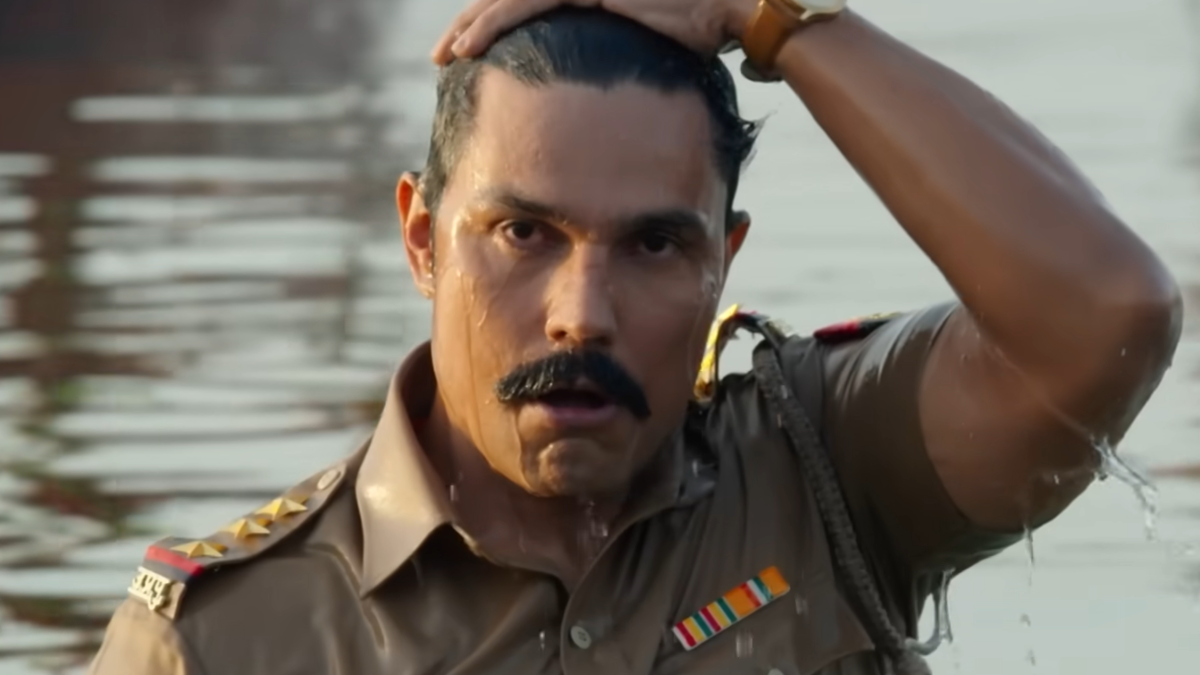
Another aspect of Inspector Avinash that initially tested Hooda’s convictions was the treatment of its action sequences. With prior experience in Hollywood action blockbusters like Extraction (2020) and an upcoming role in the John Cena-starrer Matchbox: The Movie, Hooda possesses a keen understanding of action choreography and its execution. He notes a significant divergence in working styles between Hollywood and Bollywood when it comes to action.
"In Hollywood, the preparation, rehearsals, and safety are more advanced," Hooda observes. "Whereas in most movies in India, we go on set and make it all up as we go along, and there are a lot of cuts." This difference in approach led him to question the direction of the action in Inspector Avinash. "So, for Inspector Avinash, I told the action director, ‘This is a realistic show. Why are you bringing this South Indian masala action into it?’" Yet, much like his initial skepticism about the fourth-wall breaks, Hooda ultimately concedes, "But again, I am glad they didn’t listen to me." This suggests that the blend of gritty realism and stylized action, while initially debated, ultimately contributes to the show’s unique appeal.
The Vision of Neeraj Pathak: Commercial Cinema on OTT
Inspector Avinash marks the directorial debut of Neeraj Pathak on the Over-The-Top (OTT) platform. Known for his work on films like Apne (2007), Gumnaam: The Mystery (2008), and Bhaiyyaji Superhit (2018), Pathak brought a distinct vision to the series, aiming to infuse the fast-paced world of commercial cinema into the often-realistic grammar of web series.
"When I was writing the show, most of the crime dramas coming on OTT were realistic slow burners and had an entirely different grammar," Pathak explains. "But I wanted to bring in the aesthetics of commercial cinema on OTT. It is a huge challenge to reach the last level of audience and I always want to do that." This ambition to bridge the gap between artistic intent and mass appeal is a central theme in Pathak’s approach.

The Appeal of Short, Engaging Episodes
Hooda echoes this sentiment, finding the show’s pacing and episode length to be a significant strength. He expresses a personal dissatisfaction with many current OTT crime dramas, describing them as "quite boring" and difficult to sustain attention through. "I cannot sit through them anymore," he states emphatically. The actor appreciates Pathak’s decision to keep the episode lengths concise, as he believes that overly long episodes, especially those with an "artistic, unpalatable treatment," can alienate viewers. "Nobody wants a psychology lesson late at night," Hooda remarks, underscoring the need for engaging and accessible storytelling.
Navigating the Actor’s Labyrinth: The Hero, the Villain, and the In-Between
Beyond the specifics of Inspector Avinash, Randeep Hooda’s career is characterized by a conscious effort to avoid being pigeonholed. He finds the notion of confining himself to a specific image – be it that of a macho man or a carefully constructed public persona – to be creatively stifling. The very question posed by his character in Inspector Avinash, "Am I a hero or a villain?", resonates deeply with Hooda’s own professional trajectory.
His filmography showcases a deliberate exploration of both heroic and villainous archetypes, as well as roles that defy easy categorization. His recent performance in Jaat, where he played a menacing antagonist, further exemplifies his inclination towards complex characters. Hooda openly admits that he finds "villainous characters generally more interesting." This preference stems from the inherent depth and often greater dramatic potential that such roles offer.
However, he acknowledges the industry’s tendency to create expectations based on an actor’s past successes. "But cinema today is also heading away from black-and-white and exploring both the good and bad in a person," he observes, highlighting a positive shift towards nuanced characterizations. This evolving cinematic landscape allows actors like Hooda to experiment more freely.

The actor articulates the inherent challenge of navigating audience expectations: "If you do something different, you are screwed; if you keep doing the same, you are screwed. That is a difficult space to be in, and I was never comfortable with that." It is this discomfort with creative stagnation that has driven him to "purposely try to change my choices," ensuring that his career remains a dynamic and evolving entity.
The Road Ahead: Season 2 and Beyond
As Inspector Avinash Season 2 prepares to premiere, Randeep Hooda continues to embody the spirit of an artist constantly seeking new avenues of expression. His journey from initial hesitation to embracing the role, his thoughtful reflections on career choices, and his collaboration with Neeraj Pathak underscore a mature and insightful approach to his craft. The series promises to deliver the compelling blend of action, drama, and subtle humor that has captivated audiences, while Hooda’s personal narrative offers a glimpse into the strategic and artistic considerations that shape a successful and enduring career in the ever-evolving world of entertainment.
Inspector Avinash Season 2 will be releasing on JioHotstar on May 15.
