

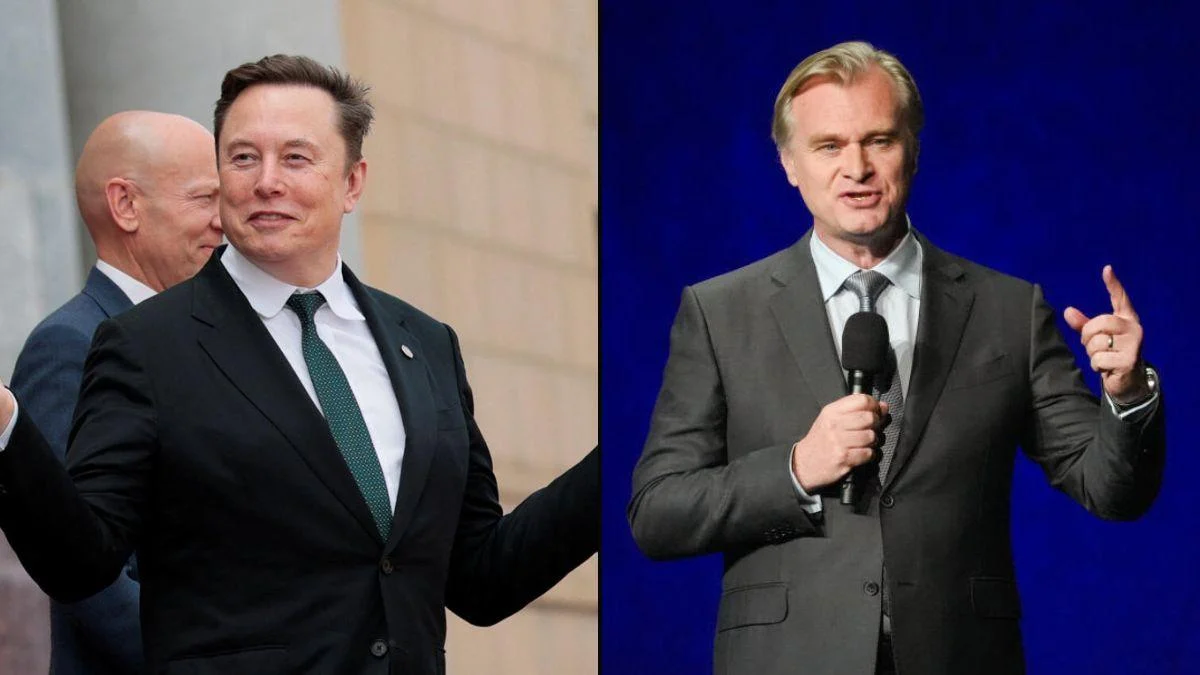
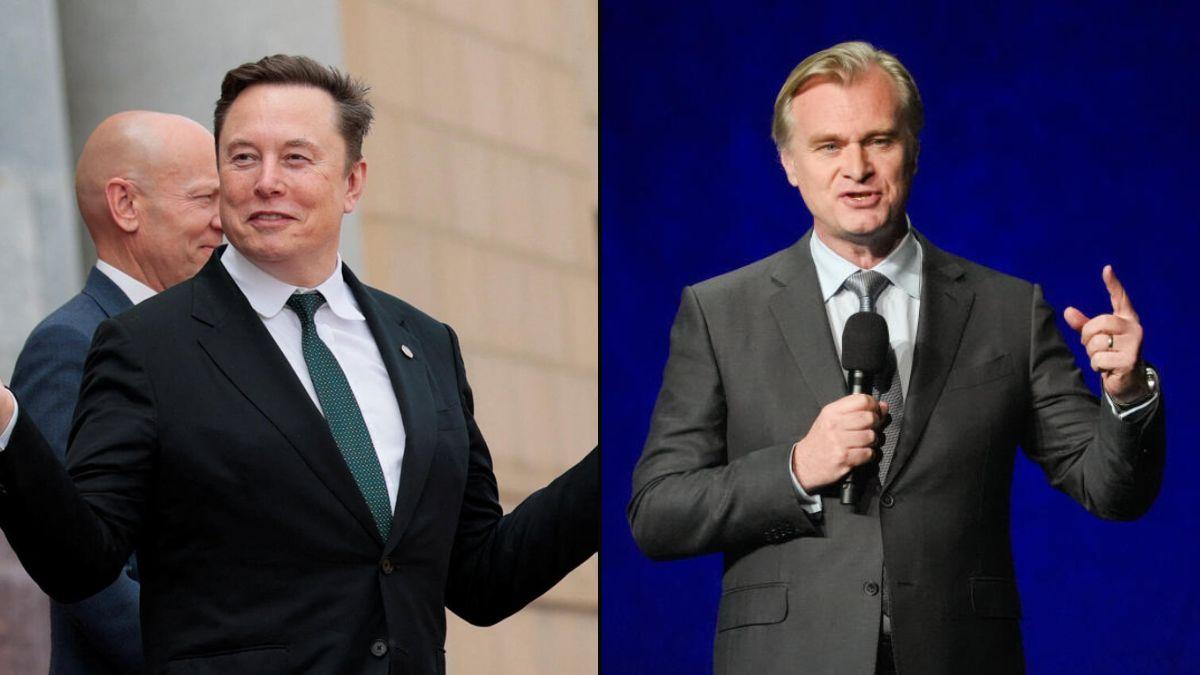
San Francisco, CA – May 14, 2026 – A brewing storm in the entertainment world has intensified as tech mogul Elon Musk has publicly voiced strong criticism regarding the casting choices for Christopher Nolan’s highly anticipated epic adaptation of Homer’s The Odyssey. Musk’s pointed remarks, particularly concerning the casting of Lupita Nyong’o as Helen of Troy and her sister Clytemnestra, have reignited a debate around historical accuracy, artistic interpretation, and the burgeoning influence of diversity initiatives in Hollywood. The controversy, amplified by Musk’s significant online presence, has drawn reactions from commentators, fellow celebrities, and is poised to cast a shadow over the film’s upcoming release.
The Spark: Musk’s Direct Attack on Nolan’s Vision
The latest salvo in this unfolding saga came via a series of public exchanges on the social media platform X, formerly Twitter. The controversy initially gained traction when conservative commentator Matt Walsh took to X to criticize Nolan’s decision to cast Lupita Nyong’o in the dual roles. Walsh suggested that Nolan, a filmmaker often lauded for his meticulous attention to detail and historical grounding, had bypassed a white actress for Helen of Troy due to an alleged fear of facing backlash for not adhering to contemporary diversity mandates.
Elon Musk, a prolific and often provocative voice on the platform, directly responded to Walsh’s post with a concise, yet impactful, declaration: "True." This single word served as an immediate endorsement of Walsh’s sentiment and signaled Musk’s alignment with the critics of the casting. The implication was clear: Musk believed Nolan’s decision was driven by external pressures rather than artistic merit, potentially sacrificing historical verisimilitude for what he perceived as ideological compliance.
Further fueling the fire, Musk engaged with another user who accused Hollywood filmmakers of engaging in "race swapping" of historical figures. In his response, Musk wrote, "He wants the awards." This statement insinuated that Nolan’s casting choice was not an organic artistic decision but rather a calculated move designed to curry favor with the Academy and other award-giving bodies, thereby securing accolades. This assertion suggests a belief that contemporary Hollywood is prioritizing inclusion and diversity over authentic historical representation, a narrative that resonates with a segment of the public and critics alike.
A Pattern of Disagreement: Musk’s Preceding Criticisms
This latest outburst is not an isolated incident. Elon Musk has previously expressed reservations and criticisms regarding various aspects of Nolan’s The Odyssey adaptation, indicating a consistent skepticism towards the project’s direction. Earlier this year, rumors surrounding Lupita Nyong’o’s potential casting first surfaced, prompting Musk to voice his concerns. At that time, he asserted that the film was disrespecting Homer’s original descriptions of Helen of Troy, a character traditionally depicted with fair features in classical literature and art. This earlier critique established a foundation for his current objections, framing them as a defense of canonical literary representation.
Furthermore, reports emerged suggesting that actor Elliot Page might be considered for a role in the film. Musk also publicly criticized these reports, adding another layer to his growing apprehension about the project’s casting strategy. While the specifics of the Page casting remain unclear and unconfirmed, Musk’s reaction indicated a broader discomfort with what he perceived as a departure from traditional casting norms in Nolan’s rendition of the ancient epic.
The Cultural Nexus: Hollywood’s Evolving Landscape
The controversy surrounding The Odyssey‘s casting touches upon a broader cultural conversation about representation in media. For decades, Hollywood has grappled with the imperative to reflect the diversity of its audience and the world at large. This has led to increased efforts to cast actors from underrepresented backgrounds in roles that were historically dominated by white actors. While many view these changes as a positive and necessary evolution, others, like Elon Musk and Matt Walsh, perceive them as a form of "reverse discrimination" or a departure from historical accuracy.
The debate often pits the principles of artistic freedom and creative interpretation against the demands for authentic representation and historical fidelity. Proponents of diverse casting argue that ancient societies were more diverse than often portrayed and that art has the power to reimagine and recontextualize classic stories for contemporary audiences. Critics, conversely, express concerns that such reinterpretations can erase or distort historical narratives and that casting should prioritize historical accuracy, particularly in adaptations of foundational texts.
Defense and Rebuttal: Voices of Support for Nyong’o
Amidst the rising tide of criticism, voices have emerged in defense of Lupita Nyong’o and the casting decisions. The debate quickly spilled over into mainstream media, with prominent figures weighing in on the matter. During an episode of the popular talk show The View, co-host Whoopi Goldberg directly addressed and pushed back against the criticism leveled at Nyong’o.
Goldberg, a veteran actress and vocal advocate for diversity in Hollywood, highlighted Nyong’o’s exceptional talent and standing in the industry. She emphasized that Nyong’o is widely recognized as one of the world’s most celebrated screen performers and a significant figure in the fashion world. Goldberg’s remarks served to underscore Nyong’o’s qualifications and artistic merit, framing the criticism as an unfair attack on a highly accomplished actress. The defense implies that focusing solely on racial or historical accuracy, when an actor possesses undeniable talent and charisma, misses the larger picture of artistic excellence.
The Epic Vision: Nolan’s Ambitious Endeavor
Despite the controversies, Christopher Nolan’s adaptation of The Odyssey remains one of the most eagerly anticipated films on the horizon. The project is characterized by its immense scale and ambitious creative vision. Shot entirely using IMAX 70mm cameras, a format synonymous with Nolan’s commitment to cinematic spectacle, the film promises a visually immersive experience.
The ensemble cast is a testament to the project’s prestige and Nolan’s drawing power. Alongside Lupita Nyong’o, the film boasts a star-studded lineup that includes Matt Damon in the pivotal role of Odysseus. The supporting cast features acclaimed actors such as Anne Hathaway, Tom Holland, Zendaya, Robert Pattinson, and Charlize Theron, each bringing their considerable talent to this epic retelling.

The film is slated for a theatrical release on July 17, 2026, setting the stage for a summer blockbuster that will undoubtedly be scrutinized not only for its cinematic achievements but also for the choices that have ignited such fervent debate. The success of The Odyssey will likely be measured not just by its box office performance but also by its ability to navigate the complex cultural currents surrounding representation and artistic integrity in modern filmmaking.
Implications and Future Outlook
The public spat between Elon Musk and Christopher Nolan over The Odyssey casting has far-reaching implications. Firstly, it highlights the significant influence that high-profile individuals can wield in shaping public discourse and influencing perceptions of artistic projects. Musk’s direct engagement, coupled with his massive following, has amplified the criticism, potentially impacting audience reception and the film’s initial buzz.
Secondly, the controversy underscores the ongoing tension between historical fidelity and contemporary artistic interpretation in filmmaking. As Hollywood continues to diversify its storytelling, these debates are likely to persist, forcing creators and audiences to confront differing perspectives on how to engage with historical and mythological narratives.
Thirdly, it brings to the forefront questions about the role of diversity initiatives and inclusion standards in the film industry. While intended to foster a more equitable and representative cinematic landscape, these initiatives can, as seen in this instance, become a focal point for criticism and debate, particularly when perceived to override other considerations such as historical accuracy or traditional casting norms.
As July 2026 approaches, all eyes will be on Christopher Nolan and his team, not only to witness the grandeur of their epic adaptation but also to observe how this controversy is managed and whether it ultimately impacts the film’s legacy. The conversation ignited by Elon Musk’s remarks is a stark reminder that in the age of social media, cinematic endeavors are no longer confined to the realm of art alone but are deeply intertwined with cultural dialogues and public opinion. The success or failure of The Odyssey may well be judged not just on its narrative and visual merits, but also on its ability to bridge the divide between artistic ambition and societal expectations.
