

VISAKHAPATNAM – As the mercury climbs across the coastal landscape of Andhra Pradesh, a silent but meticulously choreographed battle against the elements is unfolding within the 625-acre expanse of the Indira Gandhi Zoological Park (IGZP). Nestled in the verdant lap of the Eastern Ghats and flanked by the humid breath of the Bay of Bengal, the zoo is currently navigating its most challenging season of the year.
The annual "Summer Management Plan" is no longer a mere seasonal adjustment; it has evolved into a high-stakes logistical operation designed to safeguard over a hundred species from the physiological rigors of tropical heat. From the installation of evaporative cooling systems to the formulation of specialized "ice-cake" diets, the zoo’s administration is employing a blend of traditional wisdom and modern veterinary science to maintain a delicate biological equilibrium.
Main Facts: A Multi-Front Defense Against the Heat
The primary objective of the IGZP administration during the months of April, May, and June is the mitigation of thermal stress. In the wild, animals have the agency to migrate or seek deep subterranean or canopy cover; in a captive environment, the responsibility of providing these micro-climates falls entirely on human intervention.
The strategy is built upon four pillars: Hydration, Nutrition, Architecture, and Observation.
- Hydration Infrastructure: The zoo has decentralized its water delivery systems. Rather than relying on central watering holes, water sources have been multiplied across both day enclosures and "night kraals" (indoor holding areas). This ensures that no animal has to exert significant energy or travel long distances to hydrate.
- Architectural Modification: The physical structures housing the animals have been retrofitted. This includes the application of reflective, heat-resistant white paint on the roofs of night shelters to deflect solar radiation, and the deployment of traditional khus (vetiver) mats and palmyra-leaf thatchings to create shaded buffers.
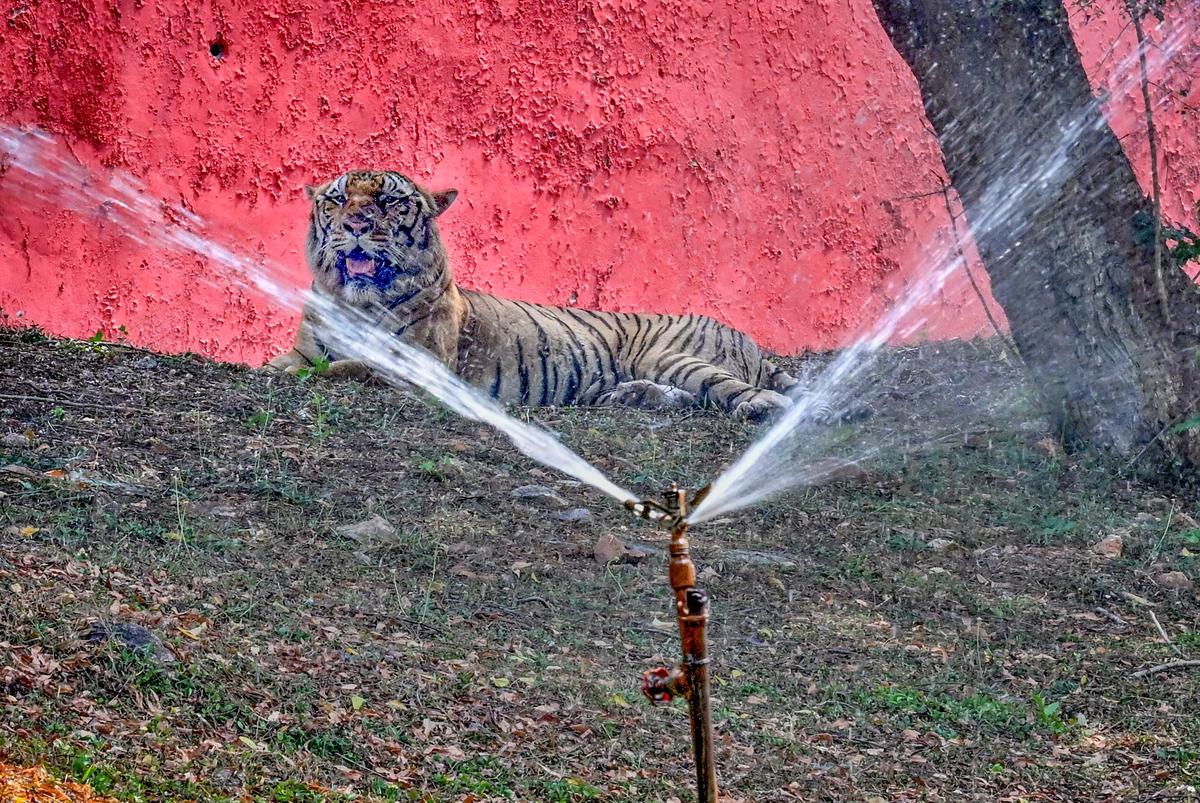
- Climate Control Technology: For high-sensitivity species, particularly primates and large carnivores, the zoo has deployed a fleet of pedestal fans, exhaust systems, and high-capacity air coolers. Intermittent sprinkler systems operate throughout the day to maintain ambient humidity and cool the soil.
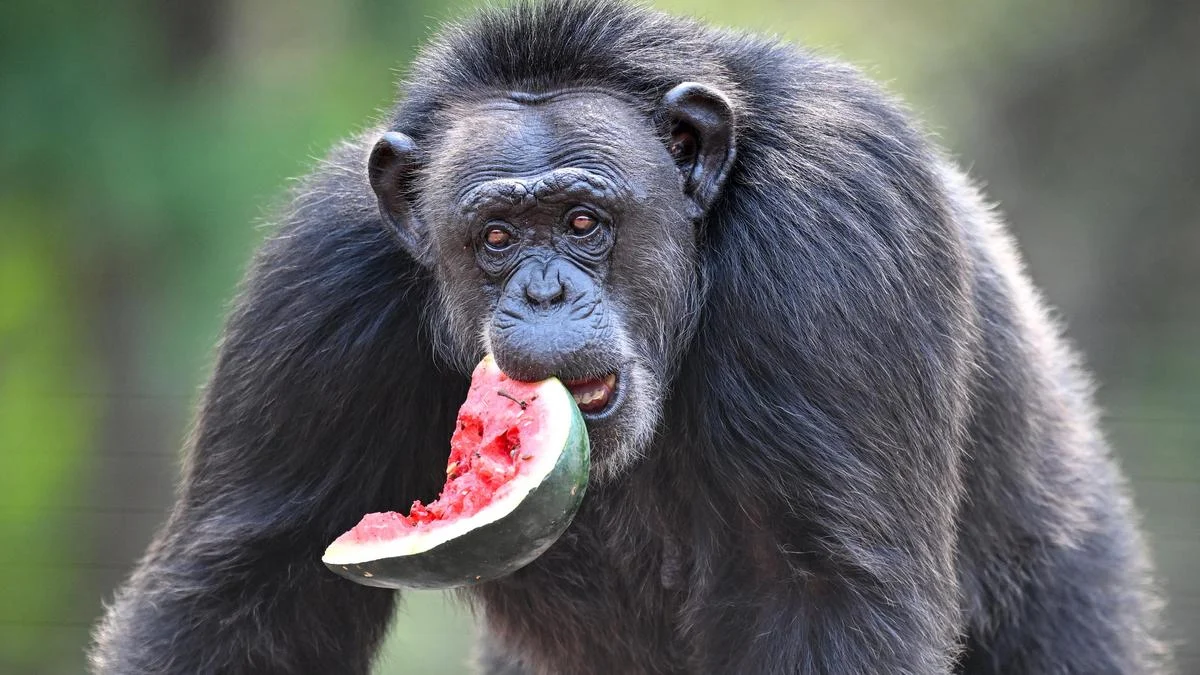
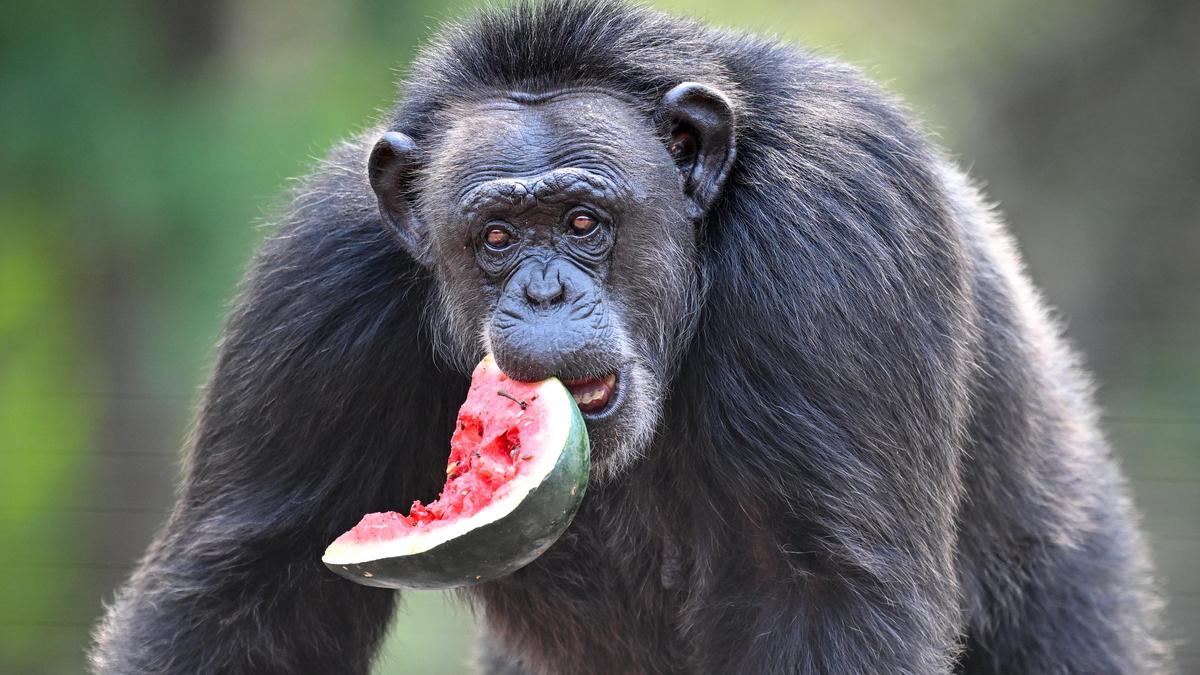
- Dietary Recalibration: The caloric and nutritional intake of the residents has been adjusted. High-moisture fruits like watermelon and cucumber have replaced drier fodder, while electrolytes and glucose are now standard additives in the water supply.
Chronology: From Planning to Peak-Heat Execution
The management of summer heat at IGZP is a cyclical process that begins long before the first heatwave hits the coast of Visakhapatnam.
- Phase I: Pre-Summer Audit (February – March): The process begins with a comprehensive audit of all enclosures. Maintenance teams check the integrity of existing sprinklers, repair "wallowing ponds" for elephants and rhinos, and source thousands of kilos of khus and palmyra leaves. This is also when the veterinary team begins baseline health checks to identify animals that might be more vulnerable due to age or pre-existing conditions.
- Phase II: Structural Implementation (Late March): As the temperature crosses the 30°C (86°F) mark, the architectural changes begin. Night shelters are whitewashed, and thatched pandals (temporary sheds) are erected in open areas to provide "islands of shade."
- Phase III: Dietary Transition (April): The zoo’s kitchen transitions to its summer menu. This involves the procurement of seasonal fruits and the preparation of "frozen enrichment"—large blocks of ice containing fruit or meat to encourage slow consumption and cooling.
- Phase IV: Peak Management (May – June): This is the current phase. Routine observations are intensified. The "lift doors" of night kraals are left open during the afternoon, allowing animals the choice to retreat into shaded indoor areas or remain in the ventilated enclosures. The frequency of water replenishment increases, and the veterinary staff conducts "heat rounds" multiple times a day.
Supporting Data: The Physiology of Captive Cooling
The necessity for these measures is rooted in the complex physiological needs of diverse species. According to zoo records, the humidity levels in Visakhapatnam can often make the "real feel" temperature significantly higher than the recorded Celsius, leading to a higher risk of respiratory distress and electrolyte depletion.
The Carnivore Protocol
Large cats—tigers, leopards, and lions—are particularly susceptible to heat exhaustion. To combat this, the zoo utilizes "meat-ice blocks." These are nutrient-dense, frozen liquids containing meat juices that the cats lick over several hours. This serves a dual purpose: it lowers their internal body temperature and provides "environmental enrichment," keeping the animals mentally engaged during the lethargic afternoon hours when they would otherwise be prone to stress-induced pacing.
The Herbivore Hydration Strategy
For herbivores like the spotted deer, sambar, and various antelope species, the focus is on maintaining salt balances. Salt licks are placed strategically throughout the enclosures. These blocks provide essential minerals that are lost through perspiration and panting. Furthermore, the zoo provides "lush pasture" and fodder branches that have been soaked in water to increase the animals’ incidental fluid intake.
The Reptilian Balance
As ectotherms, reptiles like the Mugger crocodile and the King Cobra rely on their environment to regulate body temperature. While they are often perceived as heat-tolerant, they cannot survive rapid temperature spikes. The zoo monitors the water temperature in their ponds daily, ensuring it remains within a specific range (typically 25°C to 30°C) to prevent thermal shock.
Official Responses: The Philosophy of Care
The leadership at IGZP emphasizes that summer management is a proactive, rather than reactive, discipline.
G. Mangamma, Curator of IGZP, notes that the clinical risks are the primary drivers of their daily schedule. "The most significant physiological risks for animals at the Visakhapatnam zoo are dehydration, heat stress, electrolyte imbalance, and a decline in appetite," she explains. "Our interventions are adjusted based on species behavior and daily observations. It is a planned cycle where every enclosure carries a specific plan; every species demands a different response."
The medical perspective is equally rigorous. Dr. Bhanu, the zoo’s veterinarian, highlights the shift in priority from public display to animal welfare during the summer months. "In extreme hot weather, it is recommended to keep a majority of the animals in night kraals. We advise keeping lift doors open during afternoon hours," Dr. Bhanu says.
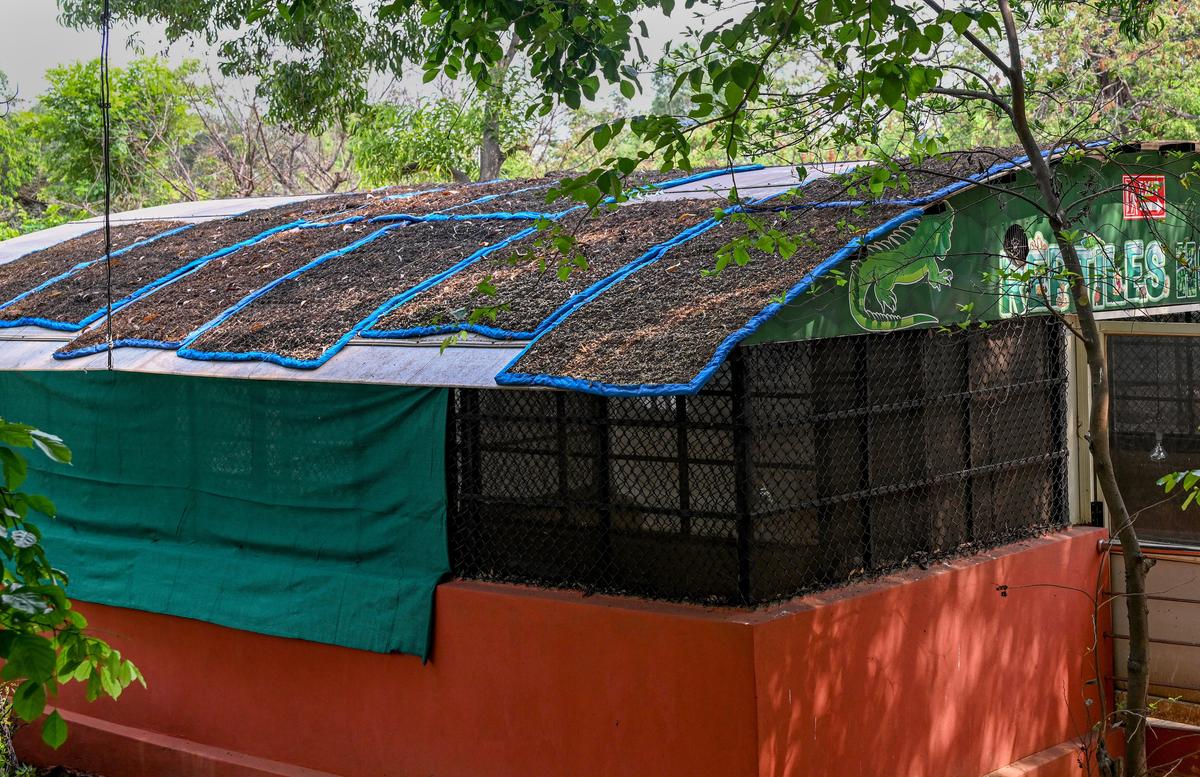
On the subject of the zoo’s more sensitive inhabitants, Dr. Bhanu adds: "Primates are more sensitive to heat stress. They are given frequent fruit feeds, frozen enrichment, and enhanced ventilation. Even reptiles, which show higher heat tolerance than mammals, cannot maintain a stable body temperature in rapidly changing environments, necessitating the use of shaded spaces and damp coverings."
Implications: Conservation in a Warming World
The intensive summer management at IGZP has broader implications for the field of wildlife conservation and captive animal management. As global temperatures continue to rise, the strategies developed in Visakhapatnam serve as a blueprint for other zoological parks in tropical regions.
1. The Cost of Climate Adaptation
The financial and labor-intensive nature of these measures highlights the increasing cost of conservation. Maintaining a 625-acre park with specialized cooling for hundreds of animals requires significant budgetary allocation for electricity, specialized feed, and temporary staffing.
2. Behavioral Adaptation and Welfare
The zoo’s policy of allowing animals to choose between their outdoor enclosures and indoor kraals (the "open door" policy) marks a shift toward "choice-based welfare." This empowers the animals to manage their own thermal comfort, which has been shown to reduce cortisol (stress hormone) levels in captive wildlife.
3. Public Awareness and Education
By making these summer measures visible—such as the khus mats and the ice-cake feedings—the zoo educates the public on the realities of climate change. Visitors see firsthand that even the most powerful predators are vulnerable to the rising heat, fostering a deeper understanding of the environmental challenges facing the planet’s biodiversity.
4. Genetic Preservation
As many of the species at IGZP are endangered or part of breeding programs (such as the wild dogs and certain bird species), summer management is a critical component of genetic preservation. Losing a single individual to heatstroke is not just a tragedy for the park; it is a loss for the global gene pool of that species.
Conclusion: A Season of Vigilance
As evening falls over the Eastern Ghats, the sprinklers at the Indira Gandhi Zoological Park finally wind down. The elephants have finished their mud baths, the tigers have consumed their frozen treats, and the chimpanzees retreat into their ventilated shelters.
While the visitors depart, the work of the zoo staff continues. Data on water consumption and behavior is logged, and the kitchen prepares for the next day’s delivery of hundreds of kilograms of cooling fruits. In this 625-acre sanctuary, the battle against the summer sun is won one watermelon slice and one wet mat at a time—a testament to the enduring commitment of the guardians who stand between these animals and the escalating heat of a changing world.
Visitor Information:
- Location: Indira Gandhi Zoological Park, Visakhapatnam, Andhra Pradesh.
- Timings: Tuesday to Sunday, 9:00 AM to 5:00 PM. (Closed on Mondays).
- Entry Fees: Range from ₹30 to ₹750 depending on age and vehicle access.
- Note: Visitors are encouraged to visit during early morning hours to observe animals when they are most active before the afternoon heat.
