

Main Facts: A Dual-Resort Pilgrimage into Balinese Culture
In an era where global travel often risks becoming a series of homogenized experiences, the Indonesian island of Bali remains a bastion of distinct cultural identity. At the heart of this identity is a philosophy that views diversity not as a source of friction, but as a harmonious blend. As Roby, a local guide at Sayan, aptly describes it: “Diversity is like a rainbow; in Bali, the people blend in like the seven colors and don’t see them as borders.” This ethos forms the backbone of a unique travel narrative that bridges two of the island’s most iconic landscapes: the coastal cliffs of Jimbaran Bay and the emerald jungles of Sayan.
The journey, centered around the Four Seasons properties in these two regions, is more than a luxury stay; it is a structured immersion into the Balinese way of life. This experience is anchored by three primary pillars: Tri Hita Karana (the traditional philosophy of life), spiritual purification rituals known as Melukat, and the observance of Nyepi, the Balinese Day of Silence. By integrating high-end hospitality with deep-rooted ancestral traditions, the experience offers a blueprint for "slow travel," where the objective is not merely to see the sights, but to understand the energies that define the local environment.
Key highlights of this cultural odyssey include:
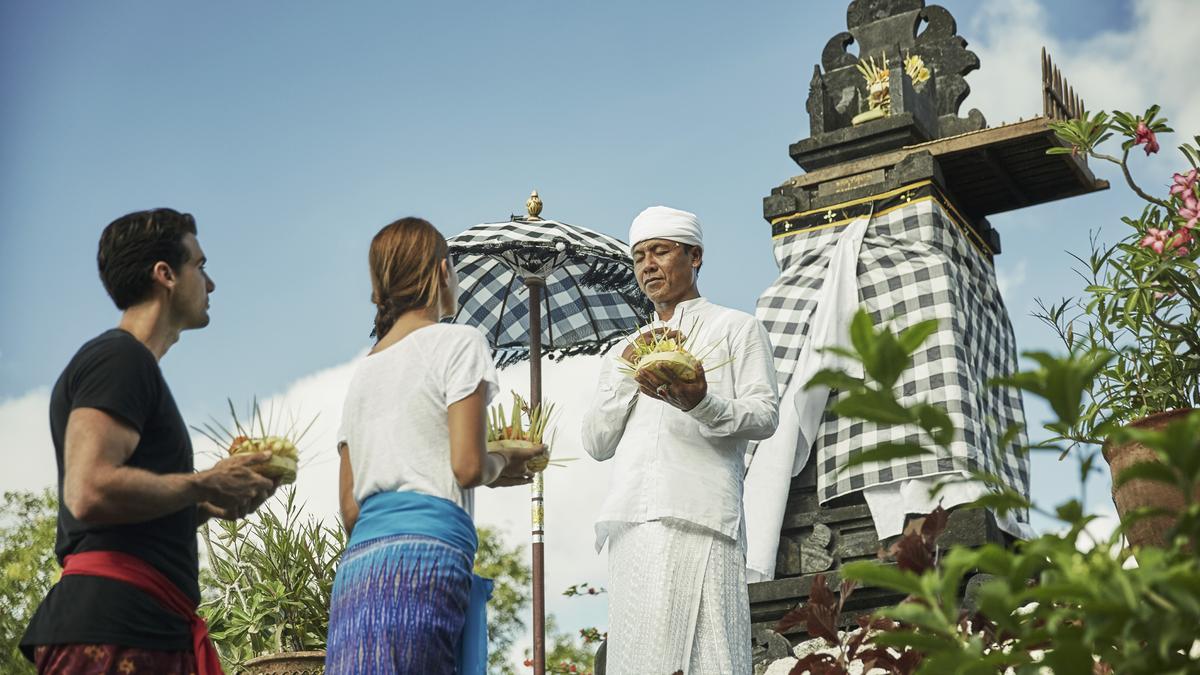
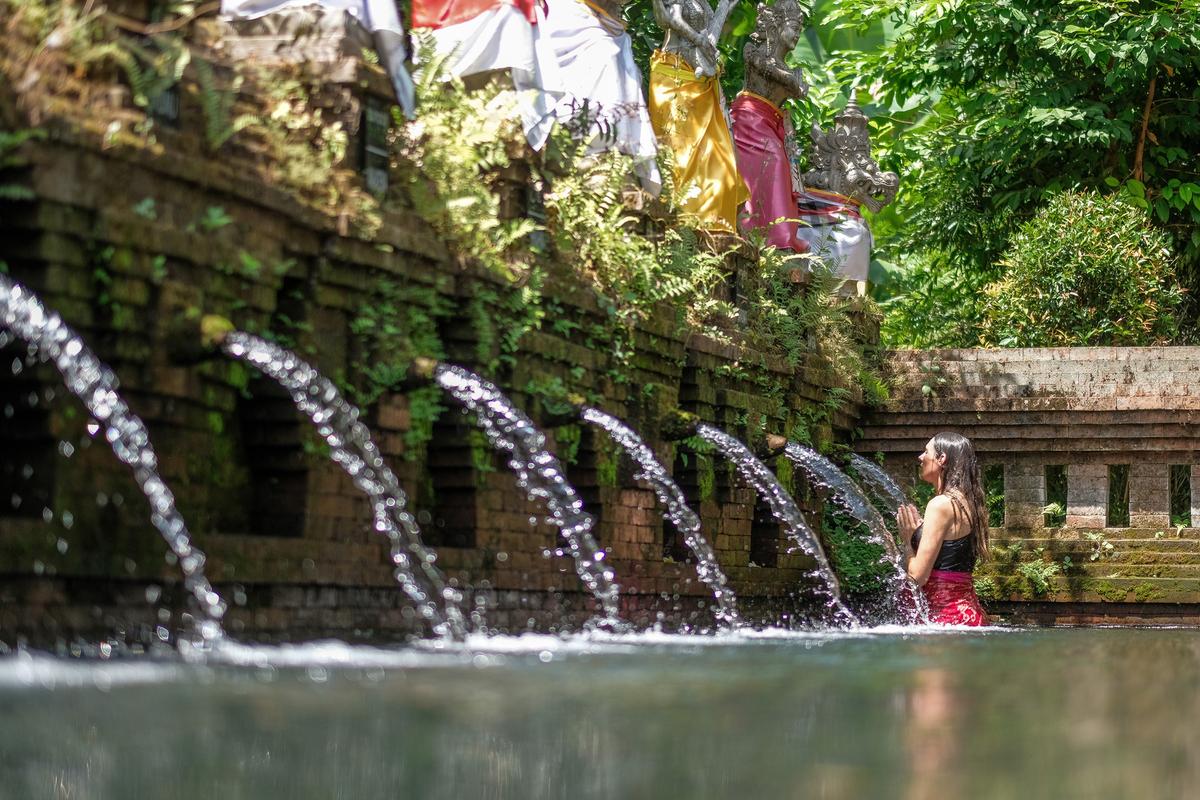
- Spiritual Cleansing: Participation in Melukat rituals to ward off negative energy.
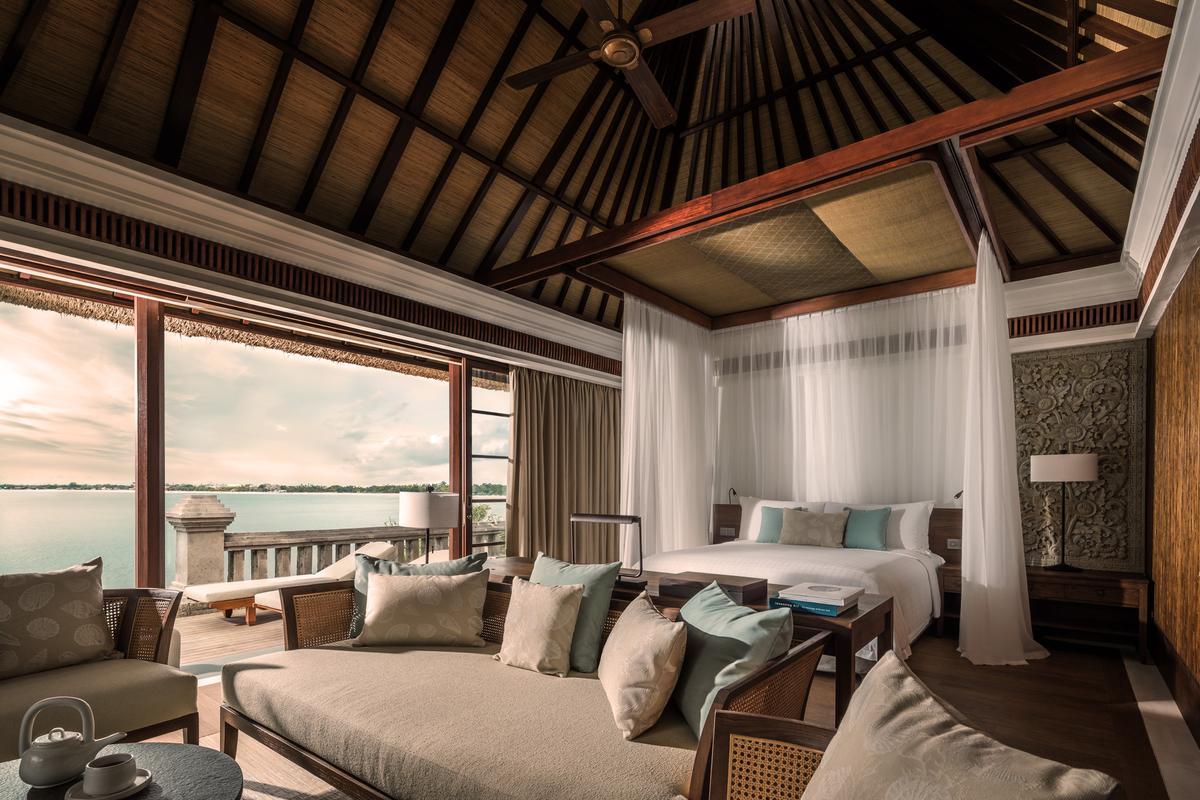
- Architectural Symbiosis: Staying in villas designed to mirror traditional Balinese villages and the island’s UNESCO-listed irrigation systems.
- Ancestral Arts: Learning the Aksara Bali script and traditional arak infusion techniques.
- Natural Integration: A unique "river rafting check-in" that connects the coastal experience to the highland sanctuary of Ubud.
Chronology: From the Ocean’s Edge to the Jungle’s Heart
The Coastal Prelude: Jimbaran Bay and the Eve of Nyepi
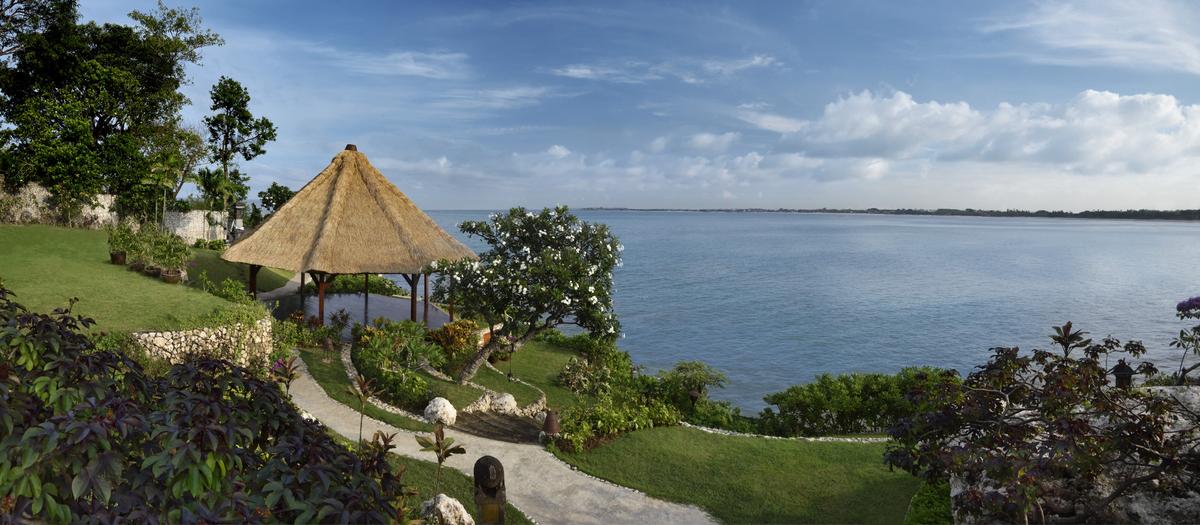
The journey begins at Jimbaran Bay, where the Indian Ocean meets limestone cliffs. The timing of this visit is significant, falling on the eve of Nyepi, the Balinese New Year. Unlike the raucous celebrations found elsewhere in the world, the days leading up to Nyepi are marked by the creation and parade of Ogoh-Ogoh. These are massive, handcrafted effigies representing bhuta kala, or negative forces.
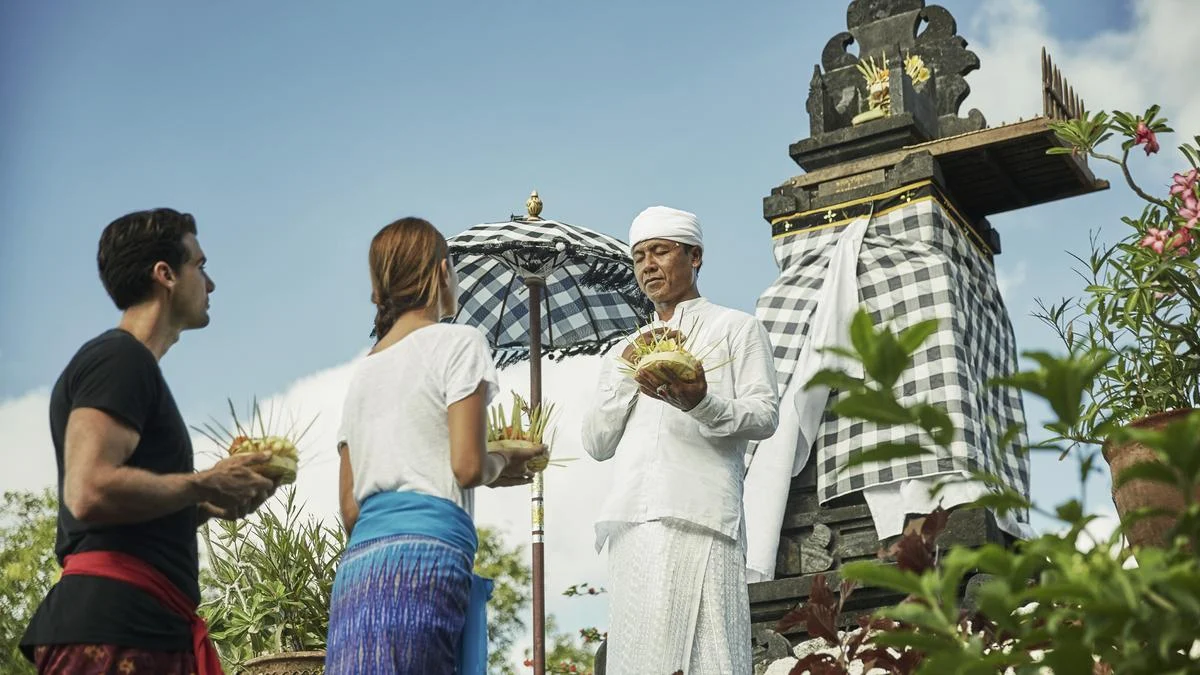
At the Four Seasons Jimbaran Bay, an Ogoh-Ogoh stands as a sentinel in the lobby, overlooking the sea. This serves as a physical manifestation of the spiritual cleansing occurring across the island. The stay begins with a formal welcome at the resort’s 15th-century Hindu shrine, where an in-house priest performs a ritual involving rhythmic chants and the sprinkling of holy water. This serves as an introductory "alignment," preparing the traveler for the introspective days ahead.
The Transit: A Riverine Transition
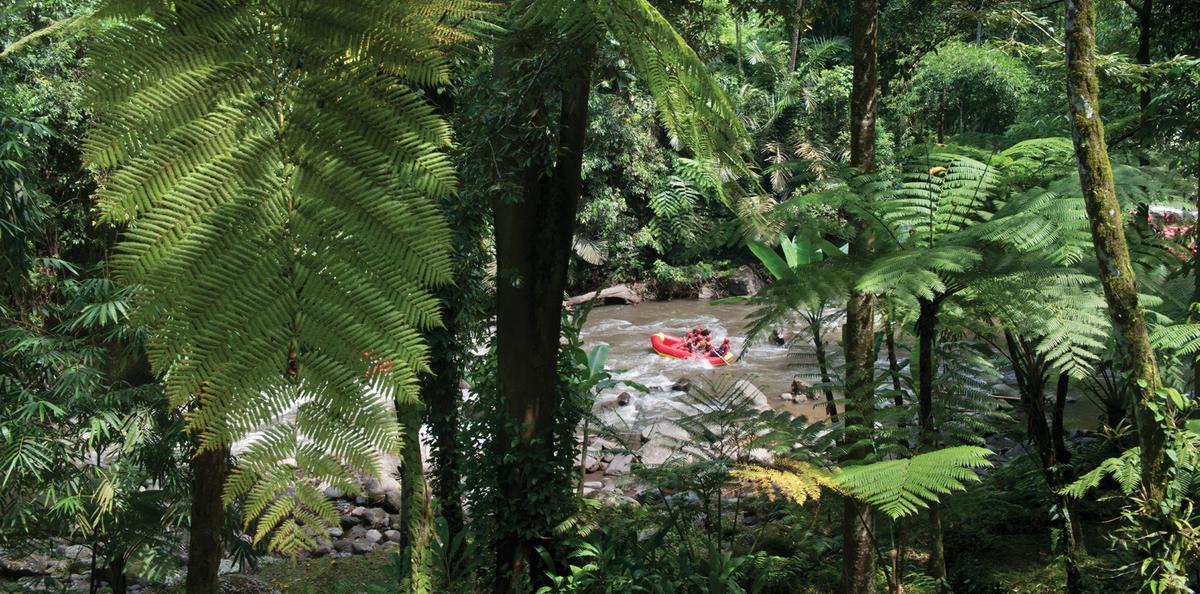
The transition from the coast to the highlands of Sayan is not conducted via a standard limousine transfer, but through the "Ayung River Rafting" experience. This two-hour journey afloat the Ayung River allows guests to witness the island’s interior from a unique vantage point. Passing through historic dams and natural springs, the rafting trip serves as a literal and metaphorical bridge between the beach and the jungle. It is one of the few hospitality experiences globally that utilizes a natural waterway as a primary check-in route, emphasizing the resort’s connection to the land.
The Highland Sanctuary: Sayan’s "Rice Bowl" Architecture
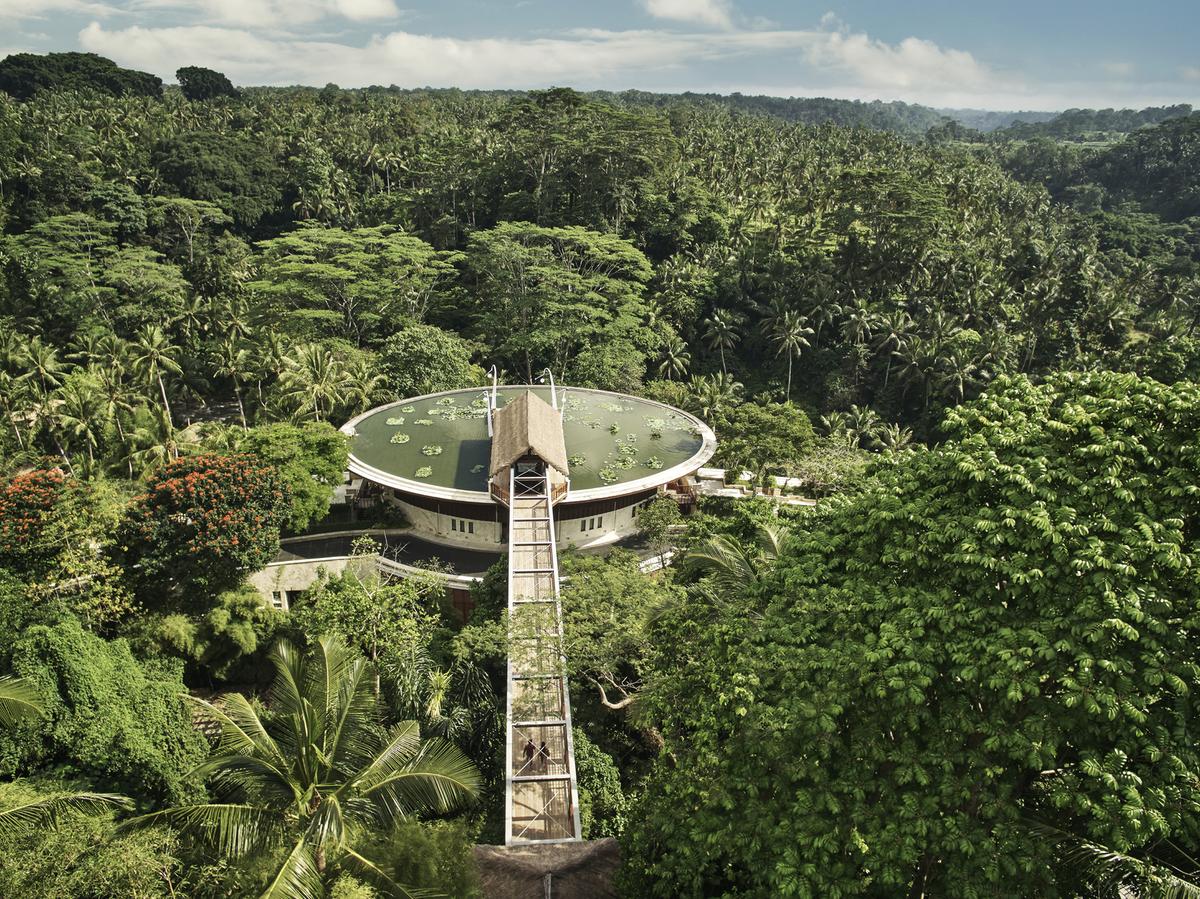
Upon arriving in Sayan, near the cultural hub of Ubud, the atmosphere shifts from the expansive horizon of the ocean to the intimate, lush canopy of the jungle. The Four Seasons Sayan is architecturally renowned for its "suspended rice bowl" design, an homage to the surrounding paddy fields. Here, the focus moves toward the "slow" journey—exploring hidden temples, participating in "Sacred Naps" in silk hammocks, and engaging with the Subak irrigation system, a UNESCO World Heritage site that dictates the flow of water and life in Bali.
Supporting Data: Infrastructure and Heritage Preservation
The scale and detail of these properties reflect a significant investment in cultural preservation. The Four Seasons Jimbaran Bay is structured as a traditional Balinese village, featuring 147 beachfront villas and nine private residences. Each villa is a complex of pavilions set within a courtyard, ensuring privacy while maintaining the communal feel of a village.
Key Architectural and Cultural Statistics:
- Shrines: The Jimbaran property houses over 300 palinggih (Hindu shrines), including a meticulously preserved temple dating back to the 15th century.
- The Imperial Villa: The most premium offering is a two-story beachfront three-bedroom villa, equipped with a personal chef and a private gym, representing the pinnacle of localized luxury.
- Sayan’s Inventory: The Sayan property offers 60 keys, divided into 42 villas and 18 suites, all integrated into the hillside to minimize environmental impact.
- Wellness Programs: The "Sacred Nap" program, led by wellness mentor Ibu Fera, utilizes silk hammocks and rhythmic chanting to induce a state of deep meditative rest, reflecting a shift toward "neurological wellness" in luxury travel.
The commitment to heritage extends to the Aksara Bali classes, where guests learn to engrave the traditional Balinese script onto palm leaves using hazelnut dust. This practice, overseen by cultural ambassadors like Ibu Atik, who has served for over 30 years, is designed to hone patience and mindfulness—traits that are central to the Balinese character.
Official Responses: Insights from the Custodians of the Experience
The success of this cultural immersion relies heavily on the staff, many of whom act as cultural intermediaries rather than mere service providers.
Tim Churchmack, Resort Manager at Sayan, emphasizes the importance of nomenclature and design in maintaining authenticity. "Keeping the property attuned to the region’s local culture has been key," Churchmack notes. He points to the Sokasi restaurant—named after the traditional Balinese woven basket—as an example of how the resort curates "lived experiences." These include programs like "A Day in the Life of a Balinese Farmer," which allows guests to engage directly with the agricultural rhythms of the region.

Roby, the Lead Guide, views his role as an educator. For him, the Melukat (purification ritual) is the most vital offering. "I realize these blessings are a way to learn about the locals’ relationship with the energies around them," he says. This sentiment is echoed by Ibu Atik, the cultural ambassador at Jimbaran Bay, who describes the meditative exercise of script-writing as a tool for modern travelers to rediscover "slow" living.
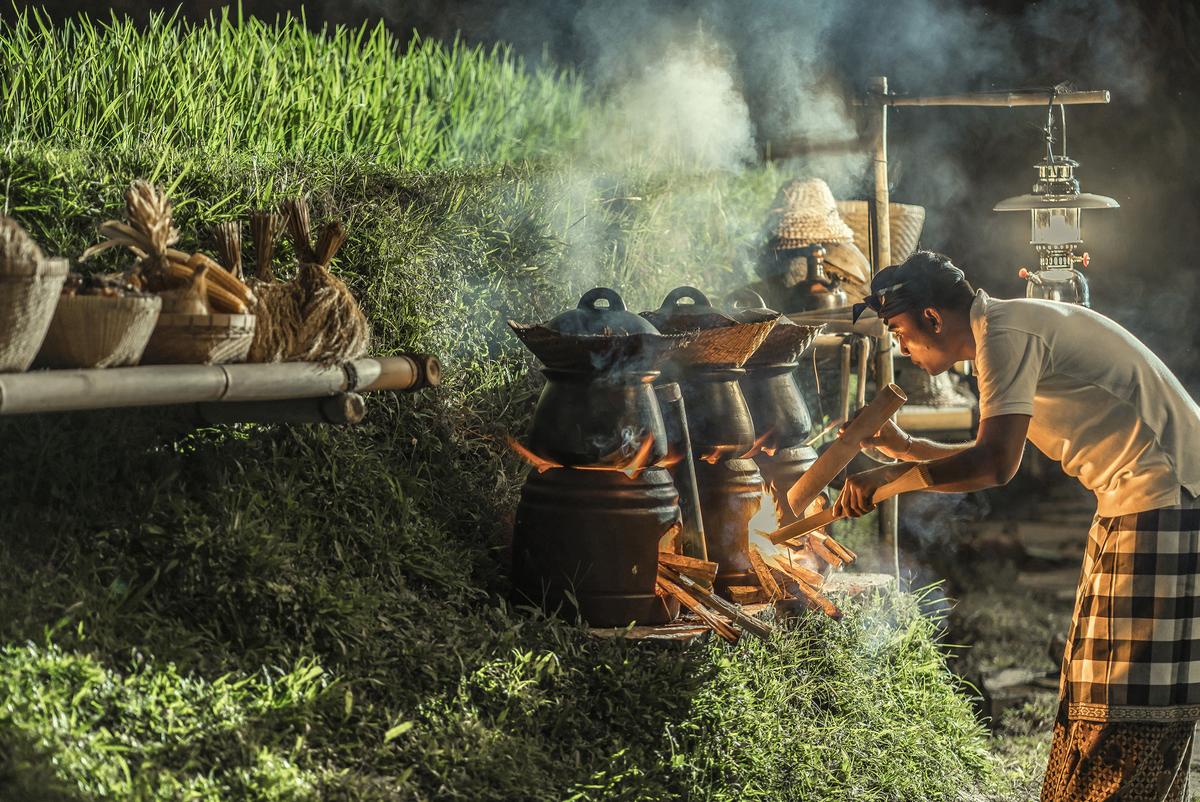
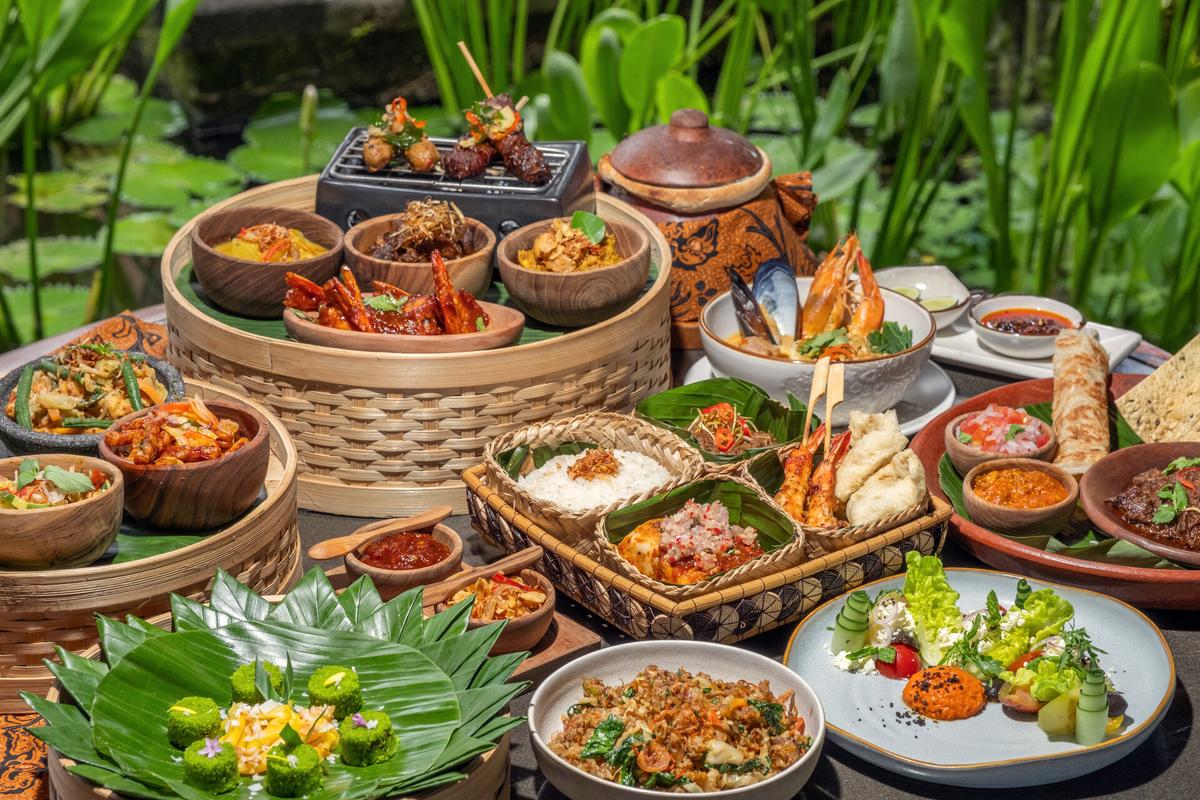
Head Chef Wayan Sutariawan approaches the culinary side of the resort as a guardian of flavor. At the Sokasi open kitchen, he introduces guests to authentic Balinese dishes such as Jagung Panggang (chargrilled baby corn with chilli relish) and Kue Labu (a sweet pumpkin treat). His goal is to move beyond the "international buffet" model and provide a palate that is strictly rooted in the volcanic soil of Indonesia.
Implications: The Future of High-End Cultural Tourism
The experience at the Four Seasons Bali properties signals a broader shift in the luxury travel industry. As high-net-worth travelers move away from "conspicuous consumption," there is a rising demand for "conspicuous contribution" and "deep immersion."
1. The Rise of "Quiet Luxury" and Spirituality
The emphasis on Nyepi and the "Sacred Nap" suggests that silence and introspection are becoming the new luxury commodities. In an increasingly noisy world, the ability to provide a space for "breathwork to sync with the flowing river" is a powerful differentiator. This trend implies that future luxury developments will likely prioritize acoustic design and spiritual programming over traditional opulence.
2. Sustainable Cultural Preservation
By employing cultural ambassadors for over three decades and maintaining hundreds of ancient shrines, the resorts demonstrate that large-scale hospitality can act as a conservator of local heritage. This model suggests that tourism, when managed with sensitivity, can provide the financial resources necessary to keep "dying arts"—like the Aksara Bali script—alive and relevant to a global audience.
3. The "Slow Travel" Movement
The "Can You Keep a Secret" tour, which takes guests to off-the-grid temples and villages not found on social media, highlights a growing backlash against "Instagram tourism." By intentionally keeping certain spots "secret," the resorts are protecting local communities from over-tourism while providing guests with a sense of genuine discovery.
In conclusion, the journey through Bali’s Jimbaran Bay and Sayan is a testament to the power of a "rainbow" philosophy. It proves that when a resort operates as a village rather than a hotel, and when a guide acts as a philosopher rather than a narrator, the resulting experience is not just a holiday, but a "souvenir worth cherishing"—a lasting shift in perspective on how to balance the negative with the positive in daily life.
