

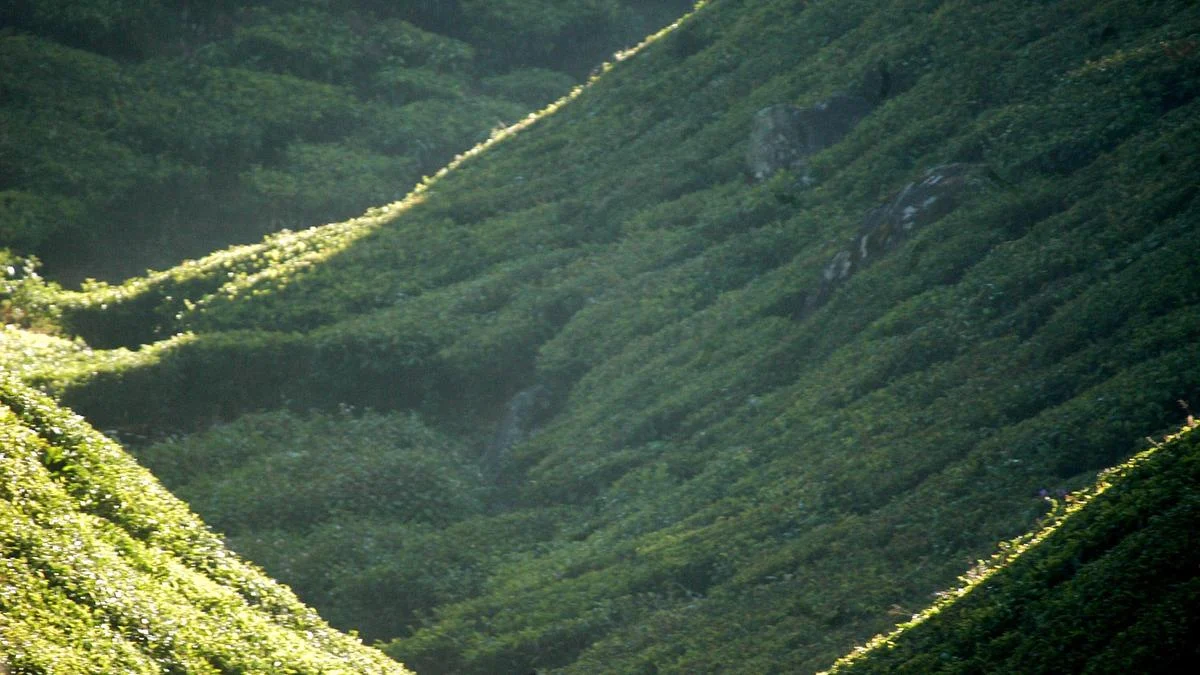
MUNNAR – As a relentless heatwave sweeps across the Indian subcontinent, the southern state of Kerala is witnessing a paradoxical climatic phenomenon. While the plains swelter under record-breaking temperatures, the emerald heights of the Western Ghats have become the final frontier for travelers seeking respite. However, even these high-altitude sanctuaries are not immune to the changing climate of 2026. This year, Munnar and its surrounding peaks are recording unprecedented UV indices and dramatic diurnal temperature swings, signaling a new era for mountain tourism in the region.
From the strawberry fields of Vattavada to the mist-shrouded peaks of Meesappulimala, the landscape is currently hosting a surge of "climate tourists"—travelers who are no longer just looking for sightseeing, but for survival against the urban heat islands of Kochi, Thiruvananthapuram, and beyond.
Main Facts: A Season of Extremes and Immersive Eco-Tourism
The 2026 summer season in Kerala is defined by two distinct trends: extreme weather volatility and a shift toward immersive, community-led eco-tourism. Munnar, the crown jewel of Kerala’s hill stations, recently recorded a daytime high that necessitated health warnings regarding UV exposure, yet saw nighttime temperatures plummet to a staggering 1°C. This 15-to-20-degree variance has created a unique microclimate that is both a draw for tourists and a challenge for local ecology.
Beyond the traditional tea garden circuits, travel aggregators report a 40% increase in inquiries for "off-the-grid" experiences. Tourists are increasingly bypassing luxury resorts in favor of Kerala Forest Development Corporation (KFDC) managed campsites, tribal-led forest walks, and agricultural tourism.
The focus has shifted to four primary hubs:
- Arippa: A lowland evergreen forest becoming a center for avian biodiversity and women’s empowerment.
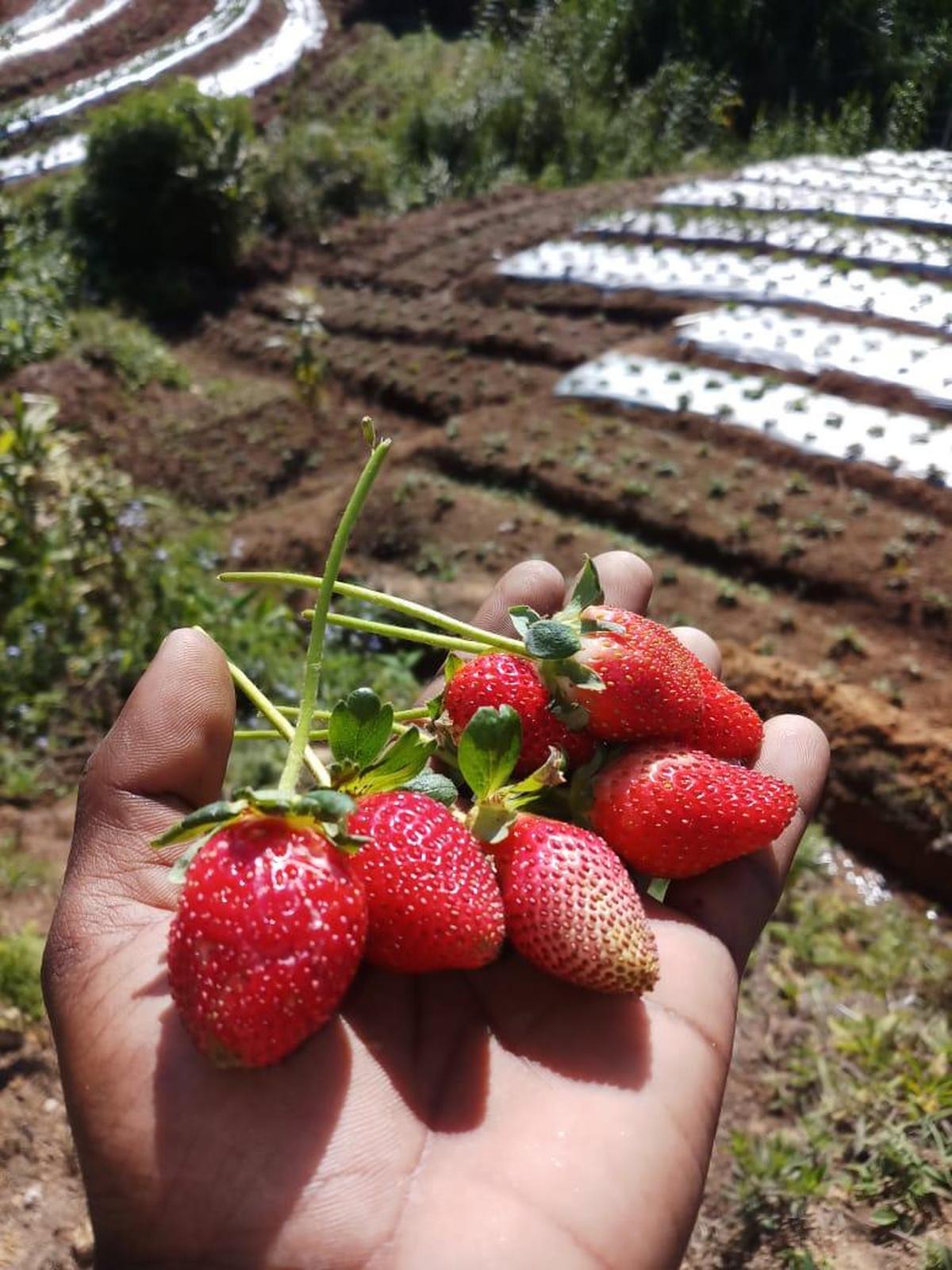
- Munnar & Vattavada: The epicenter of "berry tourism" and high-altitude farming.
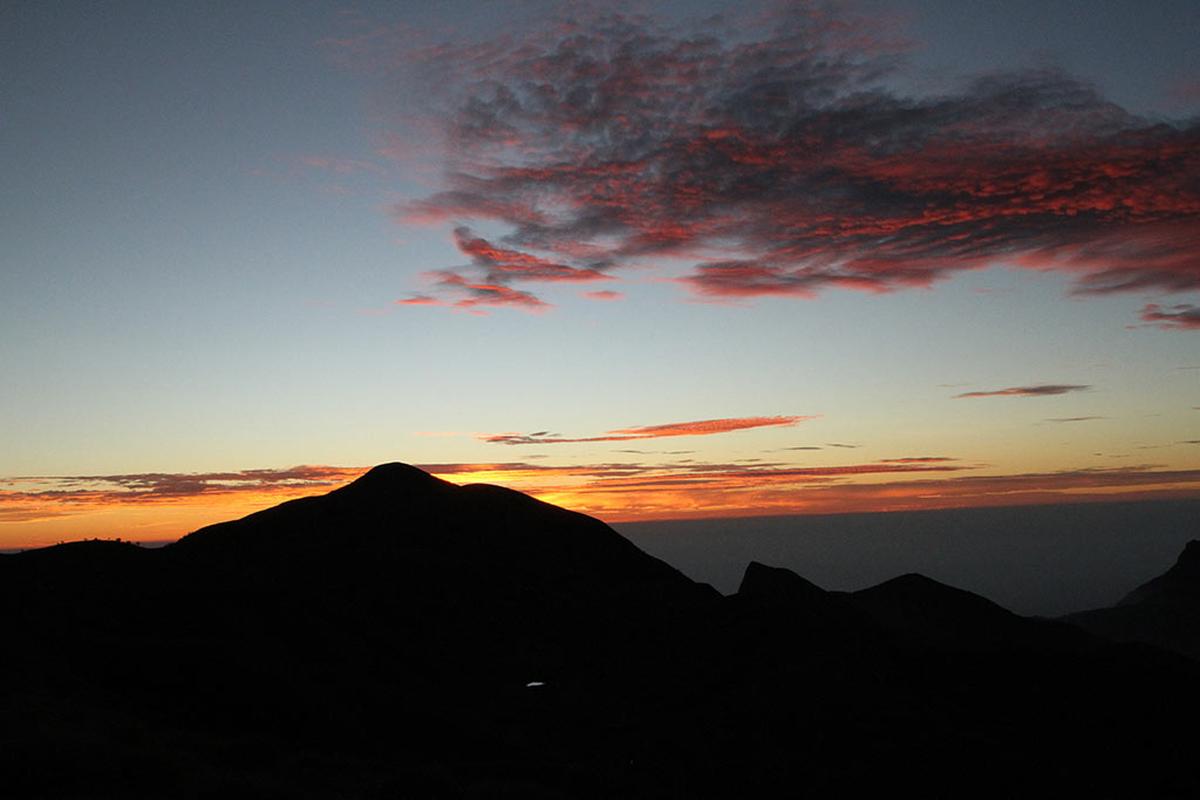
- Meesappulimala: The second-highest peak in the Western Ghats, offering rugged trekking for the adventurous.
- Gavi & Kochu-Pamba: Deep-forest camping within the Periyar Tiger Reserve.
Chronology: The Summer Window of 2026
The summer tourism cycle in the Western Ghats follows a strict chronological rhythm, dictated by the arrival of the southwest monsoon.
- November – February: The "Berry Genesis." This period marks the start of the strawberry season in the Munnar highlands. The cool, dry winter allows the fruits to develop their sugar content, setting the stage for the summer harvest.
- March – Mid-April: The "Thermal Flight." As temperatures in the plains cross the 38°C mark, the first wave of domestic tourists begins the ascent to the hills.
- April 23 – 24, 2026: A landmark event in the state’s tourism calendar occurred as the KFDC launched its inaugural women-only expedition to Arippa. This two-day retreat focused on indigenous knowledge and forest bathing, marking a shift toward gender-specific niche tourism.
- Early May: The "Final Harvest." The strawberry season reaches its crescendo. State-run farms like Horticorp begin their final sales before the rains.
- Late May/June: The "Monsoon Closure." Historically, as the first clouds of the monsoon gather, high-altitude trekking routes like Meesappulimala are evaluated for closure to ensure trekker safety against landslides and torrential rain.
Supporting Data: Biodiversity and Geography by the Numbers
To understand the scale of Kerala’s hill station ecosystem, one must look at the empirical data that defines these regions.
The Arippa Hotspot
Located 52 kilometers from the state capital, Thiruvananthapuram, Arippa is more than just a forest; it is a genetic repository.

- Species Count: The region hosts over 200 species of birds and an equal number of butterfly species.
- Unique Ecosystems: It is home to the Myristica swamp, a prehistoric freshwater swamp ecosystem characterized by stilt roots and knee roots, which are found almost nowhere else on Earth.
The Meesappulimala Ascent
- Elevation: Standing at 8,661 feet (2,640 meters) above sea level, it is the second-highest point in South India.
- Trek Difficulty: Classified as "Medium," the standard trek covers 4 kilometers from the base camp to Rhodo Valley.
- Temperature Variance: During the current season, temperatures fluctuate between a pleasant 10°C and 17°C, providing a stark contrast to the 40°C recorded in the coastal belts.
The Strawberry Economy
- Horticorp Management: The state-run farm on Silent Valley Road spans 2.5 acres dedicated primarily to strawberries.
- Vattavada Hub: Located 40 kilometers from Munnar, Vattavada serves as the "vegetable bowl" of Kerala, providing cool-season crops that cannot be grown elsewhere in the state.
Official Responses: Managing the Influx
Government officials and site managers are working to balance the economic boon of the summer rush with the ecological sensitivity of the Western Ghats.
Shinoj Varghese, a staff member at the KFDC office in Idukki, emphasizes the accessibility of high-altitude trekking. "Despite the height of Meesappulimala, we have designed the packages to be inclusive. Even first-time trekkers can manage the Rhodo Valley route. Our goal is to foster a love for the mountains through guided, safe exposure," Varghese stated.
Regarding the strawberry harvest, Mahesh S, a supervisor at the Horticorp farm, noted the shift in tourist behavior. "There is a steady flow of people who don’t just want to buy a packet of fruit; they want to see where it grows. While we currently restrict visitors from plucking the fruit themselves to protect the plants, the educational aspect of the farm walk has become our biggest attraction."
In the realm of forest conservation, the Kerala Forest Development Corporation has pivoted toward social inclusion. The overwhelming response to the women-only package at Arippa has prompted officials to consider making such events a monthly fixture. The inclusion of Sulochana Kani, an expert on the indigenous knowledge of the Kani and Urali tribes, represents a formal effort to integrate tribal wisdom into the state’s tourism framework.
In the deep woods of Pathanamthitta, Surya Senraj of the Gavi Eco-Tourism office highlighted safety measures. "Camping in a tiger reserve sounds daunting, but our tents at Kochu-Pamba are solar-fenced and monitored. We offer a controlled wilderness experience where the only ‘noise’ is the birdsong and the wind over the Pamba dam."
Implications: The Future of High-Altitude Tourism
The current trends in Kerala’s hill stations carry significant implications for the future of the state’s economy and environmental policy.
1. Climate Change Adaptation
The record-low temperatures of 1°C in Munnar, coupled with high UV indices, suggest that the "hill station" climate is becoming more volatile. This may require a redesign of tourism infrastructure to handle both extreme cold and intense solar radiation. Furthermore, the reliance on these regions as "thermal refuges" puts immense pressure on their carrying capacity.
2. The Rise of "Slow Tourism"
The popularity of strawberry plucking and bird watching indicates a move away from "tick-box" tourism. Travelers are staying longer in one location and engaging with the local community. This shift toward "Slow Tourism" is generally more sustainable and provides better economic returns for local residents, including the tribal populations.
3. Empowerment and Indigenous Integration
The success of the Arippa program suggests that the future of Kerala tourism lies in its people. By involving tribal experts like the Kani and Urali communities, the state is not only preserving dying indigenous knowledge but also providing these communities with a dignified and sustainable source of income.
4. Logistics and Public Transport
The mention of the KSRTC bus route from Pathanamthitta to Kumily as a "tourist attraction" highlights the potential for green transit. Encouraging tourists to use public infrastructure to navigate sensitive forest zones like Gavi could significantly reduce the carbon footprint of the tourism sector.
As the summer of 2026 progresses, Kerala’s hill stations stand at a crossroads. They remain the cool, green heart of a heating peninsula, but their preservation will require a delicate dance between welcoming the world and protecting the very wilderness that people are so desperate to see. For now, under the "Tiger’s Whiskers" of Meesappulimala and within the ancient swamps of Arippa, the air remains thin, cold, and inviting—a precious commodity in a warming world.
