


New Delhi, India | May 14, 2026, 22:22 IST
A silent epidemic, fueled by a powerful synthetic opioid originating from India, is systematically ravaging communities across West Africa. Millions of dollars worth of unapproved tapentadol tablets, deceptively packaged and often labeled as "Harmless Medicines for Human Consumption," are flooding the streets, transforming into a potent "zombie drug" that is leaving a trail of addiction, death, and societal collapse. An in-depth investigation by Agence France-Presse (AFP) has exposed the alarming scale of this crisis, revealing a complex web of illicit trade, regulatory loopholes, and devastating humanitarian consequences.
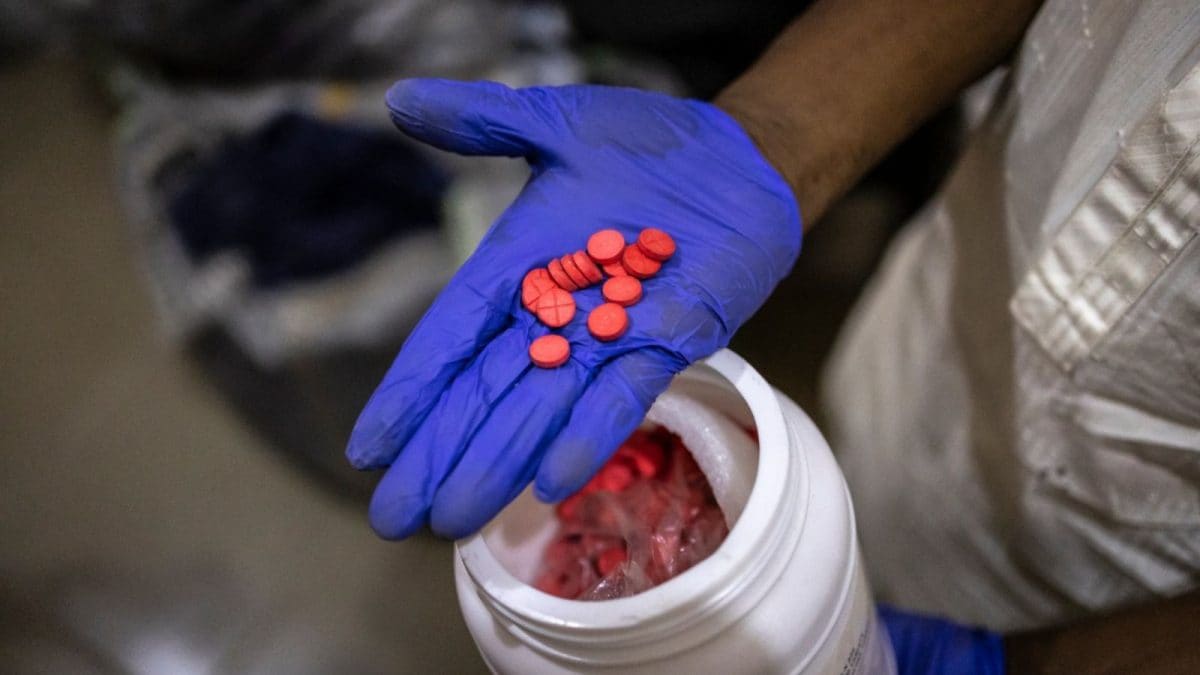
The drug at the heart of this escalating catastrophe is tapentadol, a synthetic opioid designed for the management of severe pain. However, the versions being trafficked into West Africa are of an unprecedented and dangerously high potency. These unassuming blister packs, readily available at roadside kiosks, are not merely contributing to a burgeoning addiction crisis; they are the primary ingredient in "kush," a lethal and ferociously addictive concoction that has already prompted national emergencies in Sierra Leone and Liberia, and is now casting a dark shadow over neighboring nations. The drug’s chilling nickname, "zombie drug," stems from its devastating impact on users, leaving them in a catatonic, unresponsive state, their bodies ravaged and minds seemingly hollowed out.
The Insidious Rise of Tapentadol and "Kush"
Tapentadol, a centrally acting analgesic, functions by inhibiting the reuptake of norepinephrine and serotonin and by binding to the mu-opioid receptor. While legitimate pharmaceutical applications exist for controlled pain management, the tapentadol flooding West African streets is a different beast entirely. According to health experts and researchers interviewed by AFP, these tablets are often so potent that they have never received approval from any regulatory authority worldwide for general consumption.
The transformation of these potent painkillers into a "zombie drug" is a horrifying testament to human desperation and the ingenuity of illicit drug syndicates. Users, often driven by addiction to tapentadol itself or seeking the euphoric and dissociative effects of the concoction, are grinding down the tablets. These pulverized pills are then mixed with other substances, including cannabis and various chemicals, to create "kush." The resulting drug is profoundly debilitating, inducing a state of extreme lethargy, cognitive impairment, and detachment from reality.
The human cost of this epidemic is stark and undeniable. Ansu Konneh, the director of mental health at Sierra Leone’s Ministry of Social Welfare, described the situation as "very alarming." He revealed to AFP that bodies are being collected from "streets, markets, and slums on a daily basis." In the capital city of Freetown alone, an estimated 400 corpses were reportedly retrieved from public spaces within a three-month period, a chilling indicator of the drug’s deadly grip. Similar grim scenes are unfolding in Liberia and other West African nations grappling with the unchecked proliferation of these substances.
A Legal Vacuum and a Regulatory Blind Spot
The root of this devastating crisis lies in a complex interplay of regulatory oversights, deliberate circumvention of laws, and the vast manufacturing capacity of India’s pharmaceutical industry. While India is globally recognized as the "pharmacy of the world" for its extensive production of generic medicines, the specific high-strength (250mg) tapentadol tablets implicated in the West African crisis are so potent that India itself officially does not permit their production without special authorization.
Despite New Delhi’s declared "zero-tolerance" crackdown on illicit drug exports in February 2025, evidence suggests that several pharmaceutical firms have managed to bypass these stringent regulations. The methods employed are as brazen as they are deceptive:
-
Deceptive Labeling: A significant tactic involves mislabeling shipments. To circumvent customs scrutiny, some consignments of tapentadol have been deceptively declared as "Harmless Medicines for Human Consumption," masking their true identity and dangerous potential. This allows them to slip through initial checks, paving the way for their diversion into the black market.
-
Banned Exports: The legal status of tapentadol varies across West African nations, but its presence in the illicit market is unequivocally illegal. In both Nigeria and Sierra Leone, government officials have confirmed to AFP that tapentadol is a prohibited substance. Ghana, for its part, has stated that the drug has never been permitted for importation or sale within its borders. This clear illegality, however, has done little to deter the flow of these drugs.
-
Persistent Shipments Despite Crackdowns: AFP’s investigation meticulously reviewed shipping records, revealing a deeply disturbing trend. Even after India’s February 2025 crackdown, millions of dollars worth of these potent tapentadol pills continued to be exported to Nigeria and Sierra Leone. This indicates either a significant failure in enforcement or a sophisticated network capable of evading detection.
AFP’s investigative journalists were able to trace seized tapentadol tablets in West Africa back to Indian manufacturing license numbers. This painstaking forensic work identified several firms based in the Indian states of Gujarat and Madhya Pradesh as being involved in the production of these illicitly exported drugs.
Official Responses and Industry Defenses
The Indian Drug Manufacturers’ Association (IDMA) has publicly defended the legitimate pharmaceutical industry, stating that responsible manufacturers cannot be held accountable for the actions of those who divert products into the illegal supply chain after they have been legitimately exported. They emphasize that the vast majority of Indian pharmaceutical exports are for legitimate medical use and adhere to international quality standards.
However, health authorities in West African countries remain steadfast in their assertion that these imports are entirely "illegal." They point to the clear lack of regulatory approval for these specific high-strength tapentadol formulations in their respective markets and the evidence of deliberate mislabeling as proof of illicit intent. The burden of proof, they argue, should lie with the exporting nations and manufacturers to ensure their products do not fall into the wrong hands.
The Broader Implications: A Regional Health Crisis
The unchecked influx of these potent opioids has profound implications that extend far beyond individual addiction. West African nations, many of which are still recovering from protracted conflicts and are facing significant developmental challenges, are ill-equipped to handle the burgeoning public health crisis.
-
Overwhelmed Healthcare Systems: Hospitals and clinics are struggling to cope with the influx of individuals suffering from severe addiction, overdose, and the debilitating effects of "kush" abuse. Resources are stretched thin, and specialized addiction treatment facilities are scarce.
-
Social Disintegration: The pervasive use of "kush" is leading to a breakdown of social structures. Families are being torn apart, communities are becoming increasingly unsafe, and productive members of society are being rendered incapable of contributing to their nations’ development.
-
Economic Impact: The illicit drug trade diverts resources that could be used for legitimate economic development. Furthermore, the incapacitation of a significant portion of the population due to drug abuse has a direct negative impact on labor productivity and economic growth.
-
International Cooperation Needed: Addressing this crisis effectively will require robust international cooperation. This includes stricter enforcement of export regulations in India, enhanced border control measures in West African nations, and collaborative efforts to dismantle the transnational criminal networks involved in drug trafficking. Furthermore, there is an urgent need for increased investment in public health infrastructure, addiction treatment programs, and harm reduction initiatives across the affected regions.
The "zombie drug" epidemic in West Africa is a stark reminder of the interconnectedness of global health and security. The actions of a few pharmaceutical firms, driven by profit and exploiting regulatory loopholes, are having a catastrophic impact on vulnerable populations. Without immediate and concerted action from all stakeholders, this crisis, fueled by unapproved painkillers from India, threatens to engulf an entire region in a cycle of despair and destruction. The world cannot afford to look away.
