

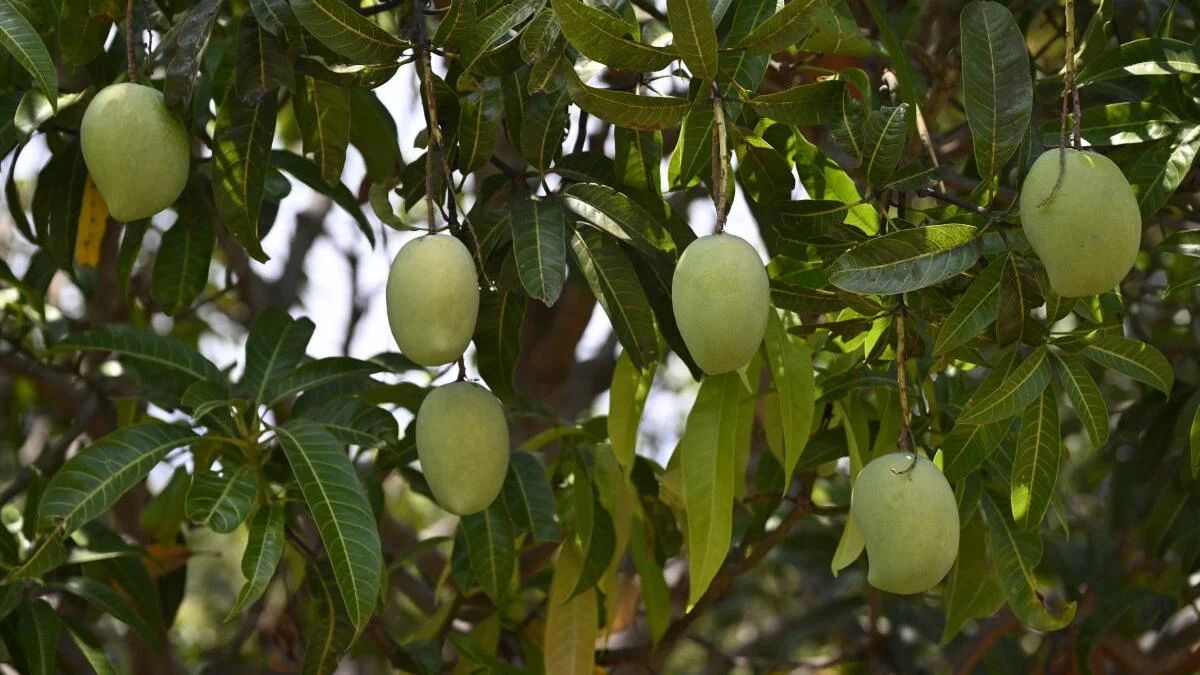
Murshidabad, West Bengal – In the verdant landscapes of West Bengal’s Murshidabad and Malda districts, a quiet revolution is unfolding, one that is as fragrant as it is flavorful. Here, rare mango varieties, once the pride of aristocratic estates and the whispered legends of connoisseurs, are experiencing a resurgence. These are not your everyday supermarket mangoes; they are heirlooms, each with a story as rich and complex as their taste. Varieties like the impossibly delicate Kohitur, the fragrant Champa, the historically significant Bimli, the regal Rani Pasand, and the subtly sweet Anaras, once thrived across Bengal. However, the relentless march of commercial agriculture and the shrinking of traditional orchards had pushed many of these treasures to the brink of extinction. Now, a dedicated network of horticulturists, restaurateurs, and heritage enthusiasts are painstakingly reviving these lost cultivars, ensuring their legacy is not just remembered, but savored.
The Aristocracy of Fruit: Unveiling Murshidabad’s Rare Mangoes
The reverence with which these rare mangoes are discussed mirrors the meticulous care with which ancient noble families speak of their lineage. Each variety possesses unique characteristics that speak of a bygone era of opulence and refined taste.
The Kohitur, perhaps the most delicate mango in the world, is so soft that it is traditionally wrapped in cotton to prevent even the gentlest touch from bruising its exquisite flesh. Its ethereal texture and subtle sweetness are a testament to its aristocratic origins. The Champa, on the other hand, captivates the senses with its enchanting aroma, reminiscent of fragrant frangipani flowers. Its delicate perfume hints at the nuanced flavors within.
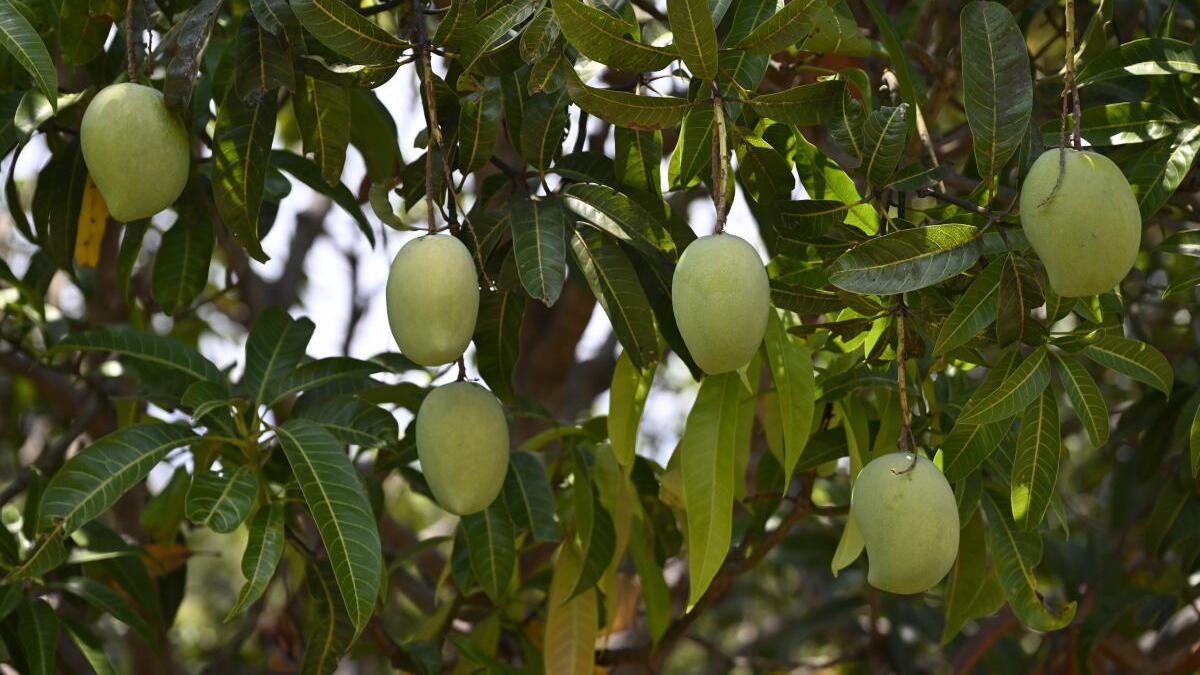
The Bimli, a reddish-yellow gem, carries a historical anecdote of its naming. Legend has it that it was named after a diligent gardener whose hard work so impressed Mir Jafar, the erstwhile commander of the Bengal army under Siraj-ud-Daulah, that he bestowed his name upon the fruit. The Nawab Pasand and Rani Pasand, whose names translate literally to "favored by the Nawab" and "favored by the Queen" respectively, were undoubtedly patronized for their exceptional qualities – a sweet, juicy, and remarkably fiberless pulp that offered a luxurious eating experience.
Other historical varieties include the Kalapahar, distinguished by its dark, almost blackish-green skin that deepens further upon ripening, yet hides a sweet-sour flesh. The Mohanbhog offers a richer, dessert-like texture, while the Molamjam is prized for its intense flavor, though it boasts a fleeting shelf life. The Bira, known for its delicate sweetness and captivating aroma, adds another layer to this rich tapestry of mango heritage.
Harvested from History: The Sheherwali Legacy
The revival of these rare mangoes is inextricably linked to the rich cultural tapestry of Murshidabad, particularly the distinct Sheherwali community. Pradip Chopra, President of the Murshidabad Heritage Development Society and a key organizer of the annual Murshidabad Mango Festival, emphasizes this profound connection. Founded in 2010 with the mission to revive heritage establishments in Azimganj and Jiaganj, the society has become a beacon for the preservation of Murshidabad’s unique cultural and horticultural traditions.
Who are the Sheherwalis?
The story of the Sheherwalis is a fascinating chapter in Bengal’s history. Nearly 300 years ago, Jain merchant Manikchand is credited with encouraging Murshid Quli Khan, the first Nawab of Bengal, to shift the state’s capital from Dhaka to Murshidabad. Upon the city’s establishment in 1717, Manikchand became its first Diwan and earned the esteemed title of "Jagat Seth," meaning "banker of the world." This period saw the migration of several prominent Jain merchant families from Rajasthan to Murshidabad, Azimganj, and Jiaganj. Over time, these families gradually evolved into the distinct Sheherwali community, a harmonious blend of Rajasthani, Mughal, and Bengali customs, food, and language. As wealthy bankers and traders, the Sheherwalis established grand mansions and temples across the region, becoming renowned for their sophisticated cultural pursuits and their passion for horticulture.
"The Sheherwalis possessed the resources to experiment," explains Pradip Chopra. "They would employ unique practices, such as pouring milk into the roots of mango trees or storing fruits in rose water. Stories of these elaborate methods still resonate within their families." This historical patronage and experimentation laid the groundwork for the cultivation of these extraordinary mango varieties.

Chopra further elaborates that many of these rare mangoes require specialized care and are too delicate for widespread commercial distribution. "The authentic taste of a Kohitur can only be truly appreciated in the orchard," he asserts. "The moment it ripens, it must be plucked and consumed immediately under the shade of its parent tree. Any delay can alter its exquisite flavor."
While Pradip Chopra himself does not own orchards, he highlights the pivotal role of two key locations in the revival of these heritage varieties. The Murshidabad Mango Festival primarily sources its offerings from a sprawling 60-acre orchard within the Kathgola Palace, owned by Sanjay Dugar, a descendant of the erstwhile royal family of Kathgola and the sole trustee of the Kathgola estate. Additionally, a smaller, one-bigha (0.62-acre) orchard on the outskirts of Murshidabad, meticulously managed by Rocky Sk, contributes significantly to the festival’s collection. These two orchards serve as the principal reservoirs for the festival’s heritage mangoes. The planting of saplings typically occurs during the monsoon months of May, June, July, and August. Most of these rare mangoes begin to bear fruit in the first week of June and are largely unavailable by the end of the month, underscoring their ephemeral nature. Pradip Chopra also runs the heritage museum hotel, House of Sheherwali, in Azimganj, further integrating heritage preservation with hospitality.
A Rare Obsession: The Dedication of Orchard Keepers
Sanjay Dugar has dedicated the past 22 years to the painstaking revival of exotic mango varieties within his Kathgola orchards. "Murshidabad was historically home to nearly 200 mango varieties," he shares, listing names like Kalapahar, Mohanbhog, Molamjam, and Bira. He meticulously describes the unique characteristics that define each: the Kalapahar’s distinctive dark skin, the Mohanbhog’s rich, dessert-like texture, the Molamjam’s intense yet fleeting flavor, and the Bira’s delicate sweetness and aroma.
The historical roots of this horticultural experimentation can be traced back to Emperor Akbar. It is believed that he maintained an orchard of one lakh mango trees in Darbhanga, Bihar, where extensive crossbreeding experiments were conducted to develop distinct fragrances and flavor profiles. Saplings from these experiments were subsequently circulated amongst the nawabs and zamindars of Murshidabad, allowing them to take root and flourish across the region’s orchards.
"Some varieties were named for their unique sensory profiles," Sanjay explains. "The mango called Anaras had pineapple-like notes, the Champa smelled of frangipani, and the Chandankosa evoked the scent of sandalwood." While the initial experimentation is linked to Mughal and Nawabi horticultural traditions, the subsequent preservation, cultivation, and continuation of many of these rare varieties became deeply intertwined with the wealthy Sheherwali merchant families. These families, with their vast estates across Murshidabad and Azimganj, became the custodians of these precious mangoes.
The preservation of these mangoes is a labor of immense patience. Mango trees can take seven to eight years to bear fruit. Older trees may see a reduction in fruition after 40 to 50 years and eventually decline. Consequently, saplings must be constantly grafted from surviving stock. "Our old trees disappeared over time," Sanjay laments. "So, we sourced saplings from nurseries around Murshidabad that had preserved them and replanted them."
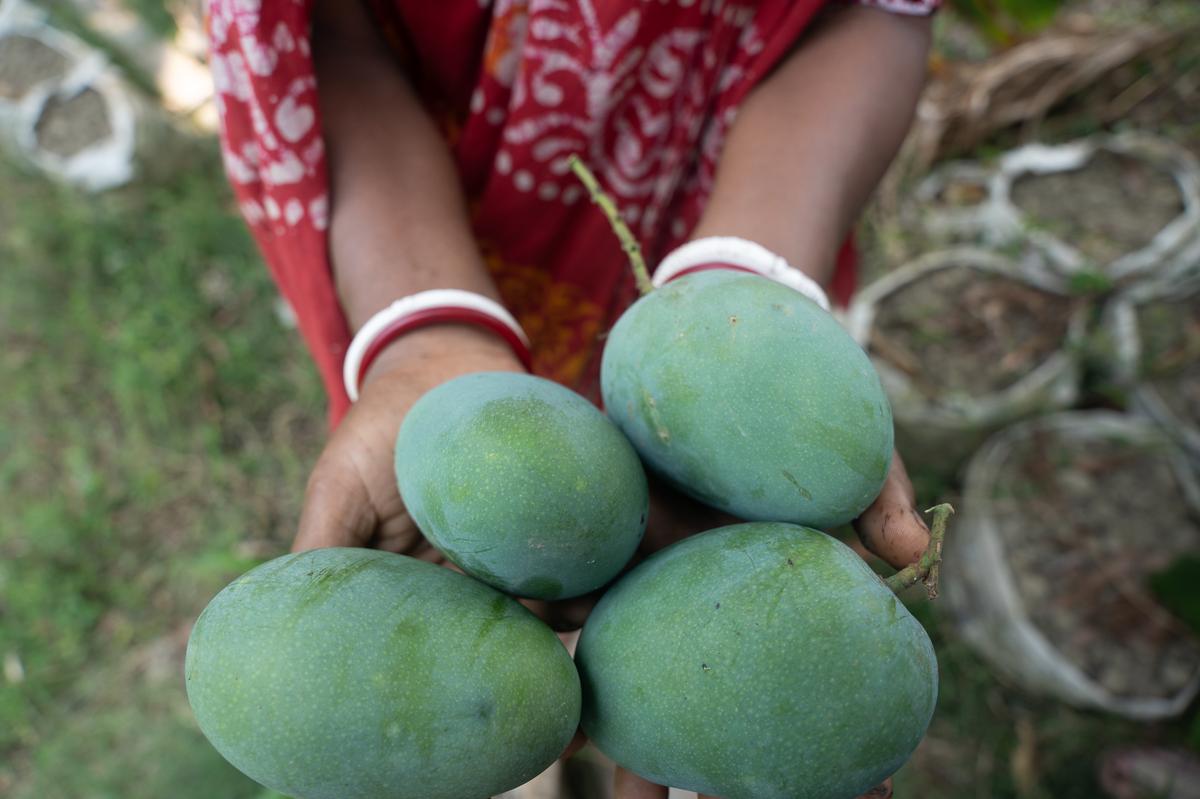
The fruits of this dedication are now beginning to appear. Sanjay notes that rare varieties, including Kohitur, Champa, Bimli, and Rani Pasand, were planted years ago at iconic locations like Victoria Memorial and ITC Sonar in Kolkata. "The climate in Kolkata and Murshidabad is not significantly different," he observes. "These trees should ideally thrive here as well, and from my last observations, they are indeed surviving."
However, the inherent rarity of these mangoes presents a significant challenge to their widespread revival. Even within Murshidabad, Kohitur remains exceptionally scarce. Sanjay mentions that the mango rarely appears in Kolkata markets, except during special showcases and mango festivals. It finds its way to West Asia, where it is reportedly sold for a considerable sum – between ₹3,000 to ₹5,000 per piece. In Murshidabad, its price ranges from ₹250 to ₹500 per piece, reflecting its exclusivity.
Preserving Heritage: Bringing Lost Flavors to the Urban Palate
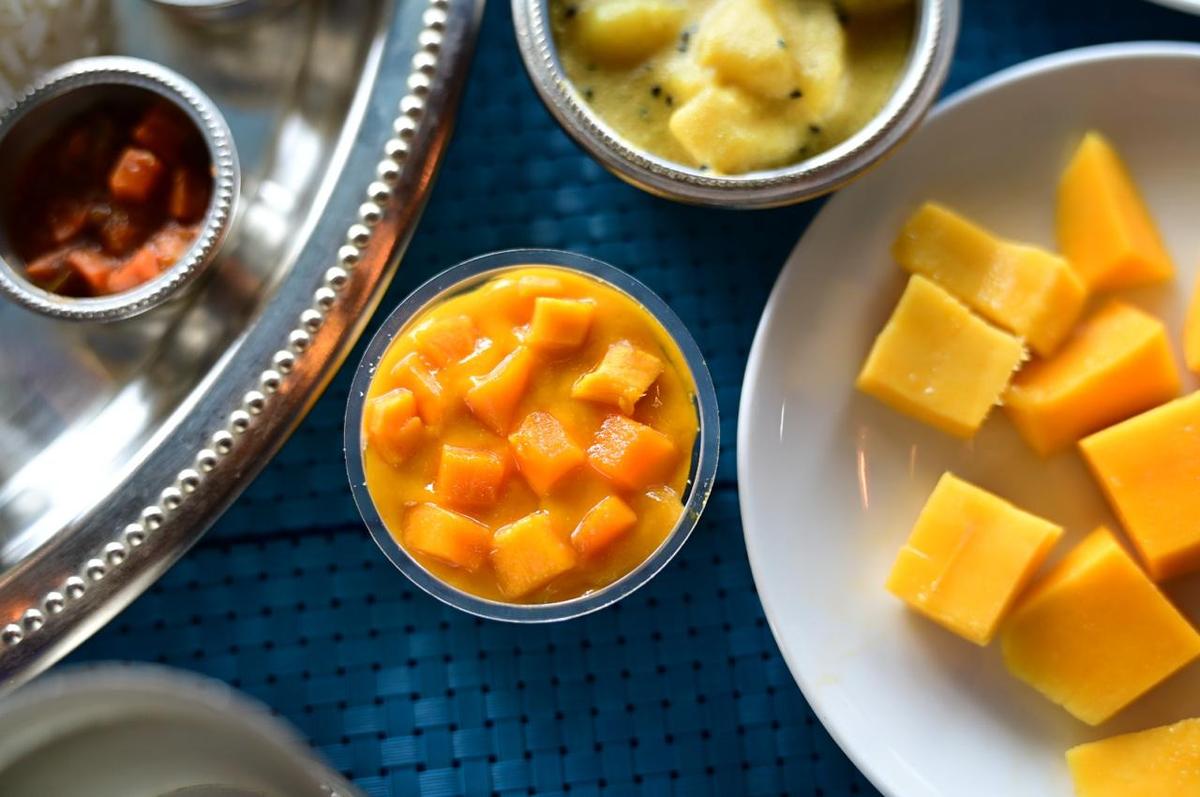
The philosophy of heritage preservation is now extending beyond orchards and festivals, finding a new platform in urban culinary spaces. Restaurants like Amar Khamar, located in the heart of South Kolkata, are actively working to reintroduce Bengal’s forgotten mango varieties to a discerning urban clientele. This ingredient-led lunchroom collaborates with farmer networks across Bengal to revive lost rice and mango varieties, alongside other regional ingredients. Last year, Amar Khamar successfully sourced rare single-estate mangoes such as Bira, Molamjam, and Champa from Murshidabad, offering them to guests for a limited period.
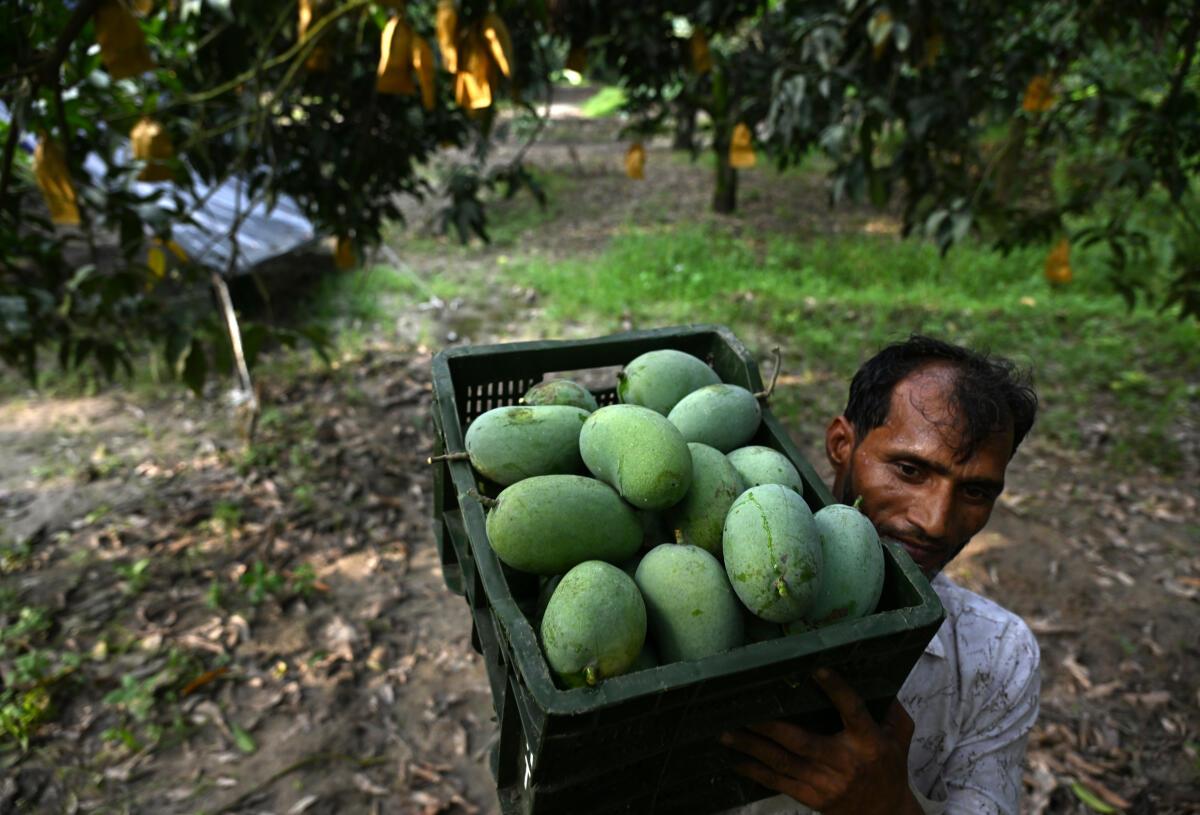
"This year, we are intensifying our efforts to bring rare mango varieties into the restaurant," states Raina Talukder, Head of Brand at Amar Khamar. The team has forged partnerships with orchard owners across Malda, Murshidabad, Birbhum, and North 24-Parganas, aiming to introduce varieties like Rani, Baromasi, and Sindura to their menu.
The process, however, is fraught with challenges. Mangoes often arrive semi-ripe and require careful ripening on-site. Any miscalculation in timing can lead to spoilage, and the rigors of transportation can significantly impact their delicate flavor and texture. "The team is currently conducting trial runs to determine which varieties withstand travel best and the optimal methods for their presentation," Raina explains.
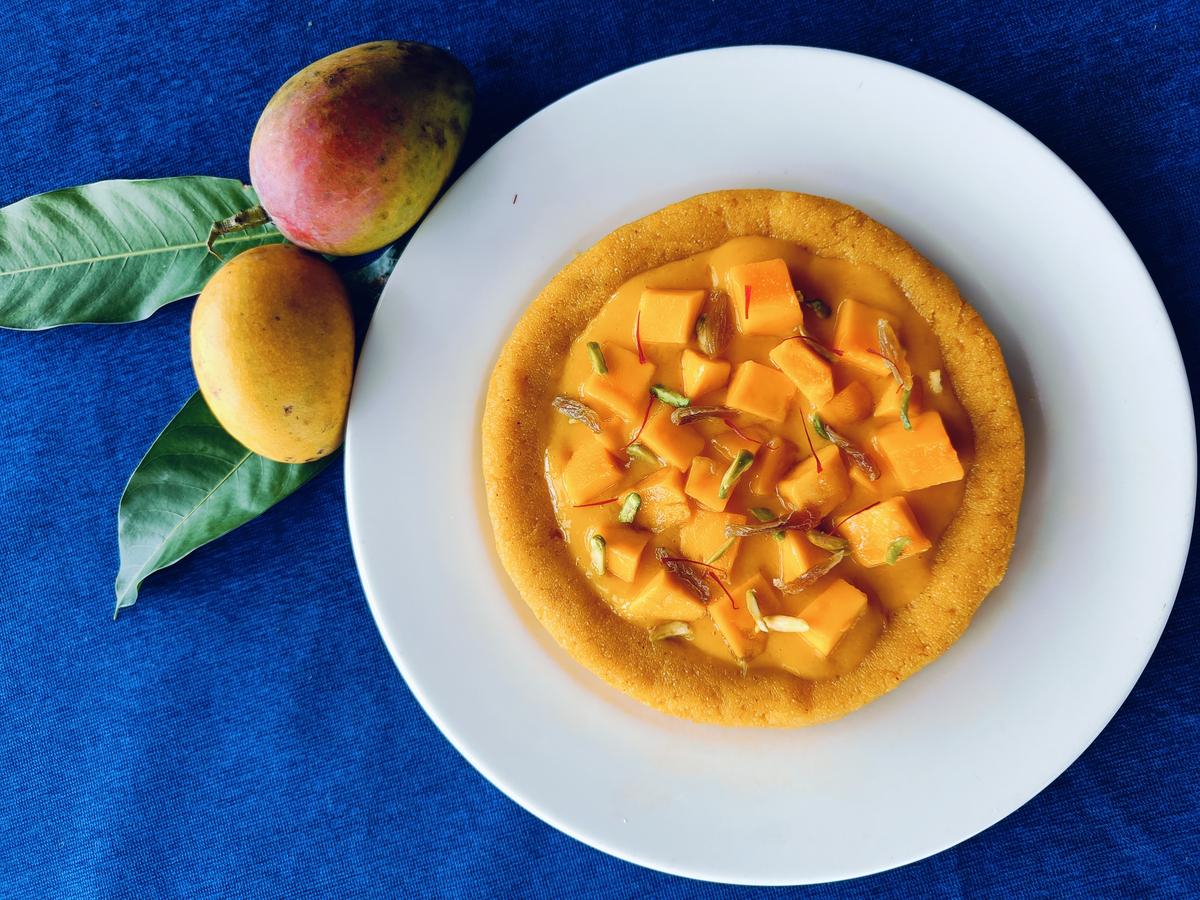
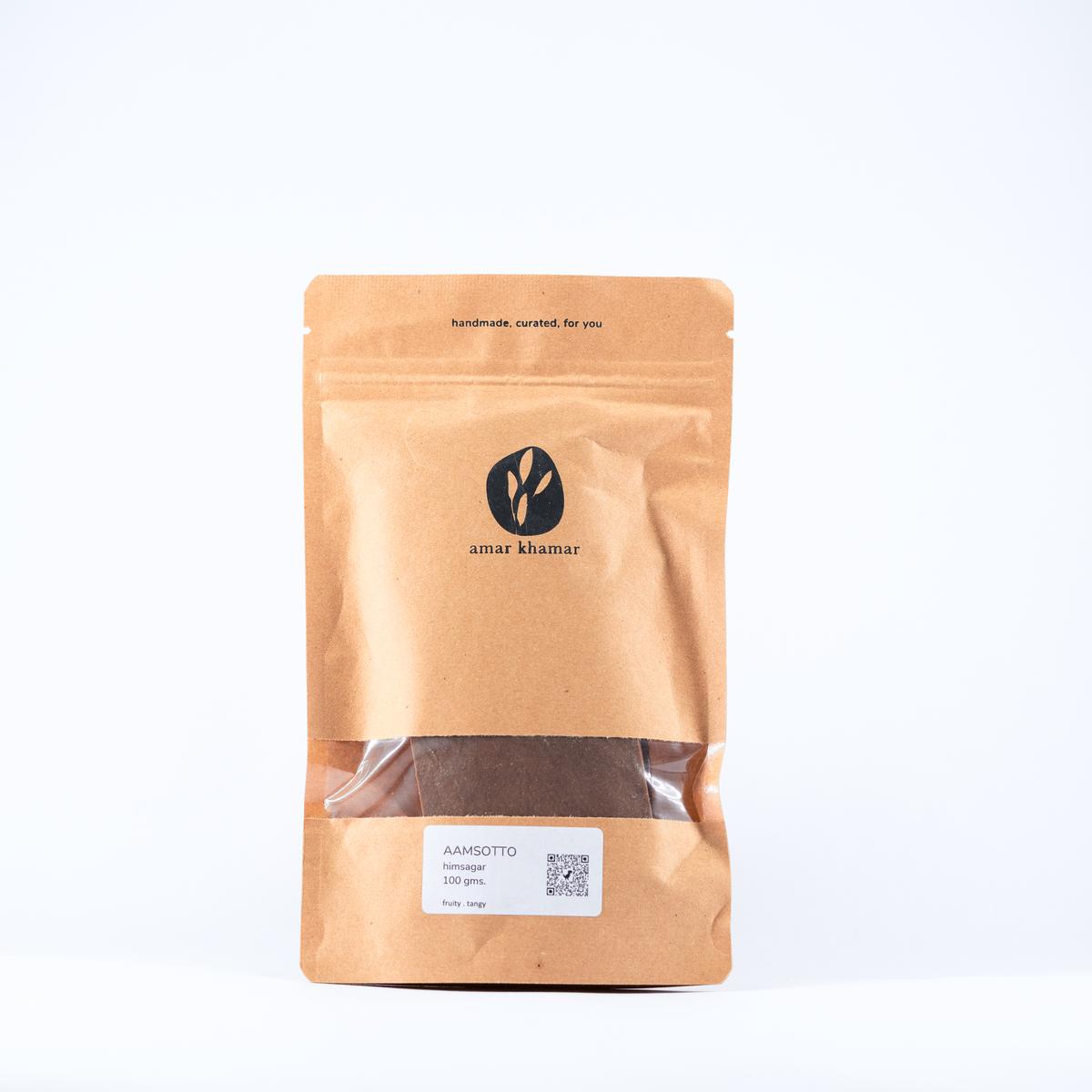
Their preservation endeavors have also extended to transforming popular commercial varieties like Himsagar, Amrapali, and Gopalbhog from Malda into amsattos – Bengal’s traditional sun-dried mango leather, available year-round at Amar Khamar. Unlike commercially produced versions that often incorporate added sugar, these amsattos are naturally dried, allowing the distinct flavor profile of each original mango to shine through. Himsagar, known for its intensely sweet, fiberless flesh; Amrapali, with its deep orange pulp and concentrated flavor; and Gopalbhog, celebrated for its early-season ripening and rich, floral sweetness, are all finding new life in this traditional preparation.
The Road Ahead: Cultivating Awareness and Sustaining Revival
The awareness surrounding these rare mangoes largely stems from orchard-owning families, dedicated collectors, passionate mango enthusiasts, and attendees of the annual mango festivals. This June, the Murshidabad Heritage Development Society will once again host its month-long mango festival in Azimganj, commencing in the first week of June and continuing until the end of the month. This event provides a unique opportunity for visitors to experience the fruits in their peak ripeness, directly within the orchards.
Before June, many of these exquisite varieties remain unavailable, and by July, several have already disappeared from the scene. Their inherent fragility defines their seasonality and their struggle to integrate into commercial supply chains. Many are simply too soft, too temperamental, and too short-lived for the demands of mass distribution.
The revival efforts in Murshidabad’s orchards are not merely about preserving a fruit; they are about safeguarding an entire vocabulary of taste that Bengal once knew intimately. It is a journey of rediscovery, a slow and deliberate process of remembering and savoring a heritage that is as precious as it is perishable. The dedication of individuals and organizations like the Murshidabad Heritage Development Society and Amar Khamar, coupled with the unwavering commitment of the growers, offers a hopeful future for these lost treasures, ensuring that the sweet, complex, and nuanced flavors of Bengal’s rarest mangoes will continue to grace palates for generations to come. Increased awareness and active replanting measures among researchers and city dwellers will undoubtedly play a crucial role in sustaining this vital revival.
