

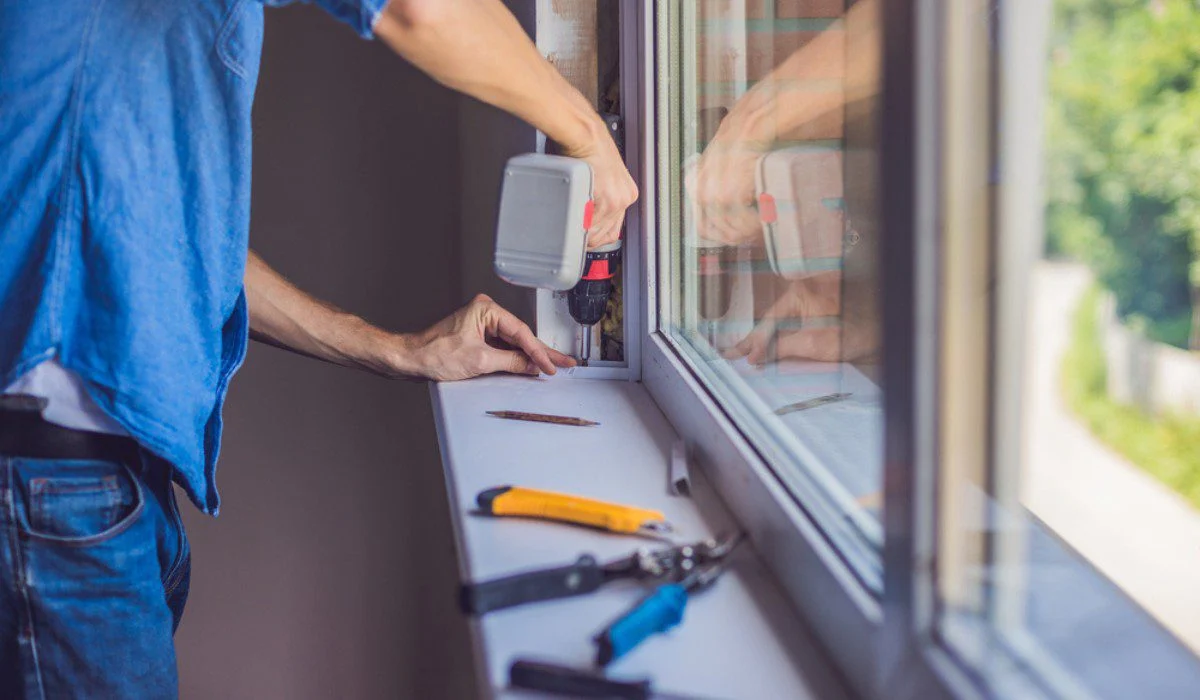
The Indian real estate market is witnessing a profound shift. While the aspiration for homeownership remains a cornerstone of the middle-class dream, the reality of skyrocketing property prices in Tier-1 cities like Mumbai, Bengaluru, Delhi-NCR, and Pune has led to a burgeoning rental population. For many, a rented apartment is not merely a temporary stopover but a long-term home. This shift has birthed a common point of friction: the desire of a tenant to personalize their living space versus the landlord’s right to preserve the structural integrity and value of their investment.
In the complex ecosystem of Indian rental laws, the line between "personalization" and "structural modification" is often blurred, leading to protracted legal battles and forfeited security deposits. Understanding the nuances of what constitutes a structural change, the legal framework governing these actions, and the implications of unauthorized alterations is essential for both parties to maintain a harmonious relationship.
1. Main Facts: Defining the Boundaries of Modification
At the heart of the landlord-tenant relationship lies the Rental Agreement, a legally binding document that outlines the rights and obligations of both parties. One of the most critical clauses in any standard agreement pertains to "Alterations and Modifications."
What Constitutes a Structural Change?
In a professional and legal context, a structural change is any modification that alters the essential framework, load-bearing capacity, or the permanent layout of a building. These are not merely aesthetic choices; they are fundamental changes that affect the building’s "bones." Common examples include:
- Wall Alterations: Demolishing an existing wall to create an "open concept" or erecting a new brick-and-mortar partition.
- Flooring Replacement: Removing original tiles or marble to install new flooring.
- Plumbing and Electrical Overhauls: Rerouting internal pipelines, changing the main electrical board, or heavy-duty rewiring that deviates from the approved building plan.
- Balcony Enclosures: Converting an open balcony into a room or extended living space using permanent glass or masonry.
The General Rule of Thumb
The prevailing legal and customary standard in India is that tenants are prohibited from making structural changes. The ownership of the property confers the exclusive right to alter its structure to the landlord. Even if a tenant believes a modification—such as adding a loft for storage—enhances the property’s utility, doing so without explicit, written permission is considered a breach of contract.
2. Chronology: The Evolution of Rental Governance in India
To understand the current state of tenant rights regarding property modifications, one must look at the evolution of India’s rental legislation.
- The Era of Rent Control Acts (Post-1948): Following Independence, various states enacted Rent Control Acts to protect tenants from arbitrary eviction and excessive rent hikes. However, these laws often made it difficult for landlords to regain possession or prevent tenants from making unauthorized (and often dilapidated) additions to properties. This led to a "frozen" market where landlords stopped maintaining buildings because they had little control over them.
- The Shift Toward Liberalization (1990s – 2000s): As the economy opened up, there was a realization that archaic rent laws were stifling the housing supply. States began amending their acts to allow for more market-driven rental rates and clearer terms regarding property maintenance.
- The Model Tenancy Act (2021): A landmark moment in Indian real estate, the Union Cabinet approved the Model Tenancy Act (MTA) to bridge the trust deficit between landlords and tenants. The MTA provides a clear framework: it mandates a written agreement for all tenancies and specifically addresses the issue of property maintenance and alterations. It seeks to balance the landlord’s right to property preservation with the tenant’s right to a habitable home.
3. Official Responses: The Legal Framework and Regulatory Perspective
The legal stance on structural changes is largely dictated by the Model Tenancy Act (MTA) and the specific State Rent Control Acts. Legal experts and urban authorities emphasize several key points:
The Requirement of Written Consent
Under the MTA, a tenant cannot carry out any structural change without the prior written consent of the landlord. A verbal "okay" over a phone call is rarely sufficient in a court of law. Official responses from real estate regulatory bodies suggest that any significant change should be documented via an "Addendum to the Rent Agreement."
The Role of Local Municipal Bodies
Properties are built according to "Sanctioned Plans" approved by municipal corporations (like the BMC in Mumbai or the BBMP in Bengaluru). If a tenant makes a structural change that violates these sanctioned plans—such as obstructing a fire exit or encroaching on common areas—the landlord is held liable by the authorities. Consequently, landlords are legally incentivized to be strict about modifications to avoid fines or demolition notices from municipal squads.
Maintenance vs. Modification
The law distinguishes between "necessary repairs" and "structural modifications."
- Landlord’s Duty: To keep the structure wind and water-tight, maintain electrical wiring, and ensure the building is habitable.
- Tenant’s Duty: To maintain the property in a good state, handle minor repairs (like tap washers or fuse replacements), and refrain from damaging the structure.
4. Supporting Data: Market Trends and Common Points of Contention
Data from various property management platforms and legal aid cells indicate that "property damage and unauthorized changes" are among the top three reasons for security deposit disputes in India.
| Type of Modification | Frequency of Dispute | Typical Landlord Response |
|---|---|---|
| Painting Walls | High | Usually allowed if restored to original color |
| Drilling Holes (Heavy) | Medium | Deduction from security deposit for "wall putty" and repainting |
| Kitchen Cabinetry | Low | Often welcomed if it adds value, but requires prior approval |
| Breaking Walls | Rare | Immediate grounds for eviction and legal action |
| A/C Installation | High | Standardized; usually requires specific "sleeve" or "bracket" placement |
The "Security Deposit" Factor
In cities like Bengaluru, where security deposits can range from 6 to 10 months of rent, the stakes are incredibly high. Statistical evidence suggests that approximately 15-20% of tenants face some form of deduction at the end of their lease. A significant portion of these deductions is attributed to "restoration costs"—the price the landlord pays to reverse changes made by the tenant.
5. Implications: The Consequences of Unauthorized Alterations
The implications of making structural changes without permission extend beyond a simple argument; they have financial, legal, and social consequences.
Financial Implications
The primary casualty of unauthorized modification is the security deposit. If a tenant installs a permanent wooden partition, the landlord is entitled to use the deposit to hire contractors to remove the partition and repair the floor and ceiling. In some cases, if the cost of restoration exceeds the deposit, the landlord can sue the tenant for the balance.
Legal Implications and Eviction
Under most state laws and the MTA, "causing substantial damage to the property" or "making unauthorized structural alterations" are valid grounds for the termination of the lease. A tenant could find themselves facing an eviction notice with a very short window to vacate, regardless of their payment history.
Safety and Insurance Risks
Structural changes can compromise the safety of the building. Removing a load-bearing pillar, for instance, could lead to cracks in the ceiling or even partial collapse in older buildings. Furthermore, if a fire or structural failure occurs, and it is found that unauthorized modifications were made, insurance companies may reject the landlord’s claims, leading to massive liability for the tenant.
The "Reversibility" Standard
The journalistic and legal consensus is that tenants should adhere to the "Reversibility Rule." If a change cannot be undone within 48 hours without leaving a permanent mark on the building’s shell, it is likely a modification that requires a formal, written agreement.
6. Conclusion: Navigating the "Housing.com POV" and Best Practices
As the Indian rental market matures, the relationship between the provider and the user of the space must become more professional. The "Housing.com POV" (Point of View) suggests a proactive approach to avoid the pitfalls of property modification.
Recommendations for Tenants:
- Audit the Agreement: Before signing, ensure you understand the "Alterations" clause. If you plan to install a specific appliance that requires drilling (like a heavy chimney or a water purifier), get it mentioned in the initial agreement.
- The "Before" Gallery: Take high-resolution photos and videos of the property on the day you move in. This serves as evidence of the "original condition."
- Written Approval for Upgrades: If you wish to improve the property (e.g., installing better kitchen cabinets), present a written proposal to the landlord. Some landlords may even agree to share the cost if the upgrade adds long-term value.
- Restore Before You Leave: To ensure a full refund of your deposit, proactively repair any minor damages (like nail holes) and clean the property before the final inspection.
Recommendations for Landlords:
- Standardize the Clause: Use clear language in the agreement. Instead of saying "no changes," say "no structural changes including but not limited to wall demolition, flooring changes, or permanent fixtures."
- Regular Inspections: Conduct bi-annual or annual inspections to ensure the property is being maintained and no unauthorized work is underway.
- Be Reasonable on Aesthetics: Understand that a tenant needs to feel at home. Allowing reversible changes like a fresh coat of paint (with the caveat of restoration) can lead to longer tenancies and better-maintained properties.
In conclusion, while the freedom to personalize is a hallmark of ownership, the stability and safety of the rental ecosystem depend on a strict adherence to structural boundaries. By fostering transparent communication and documenting every agreement, tenants and landlords can navigate the complexities of urban living without falling into the trap of legal disputes.
