

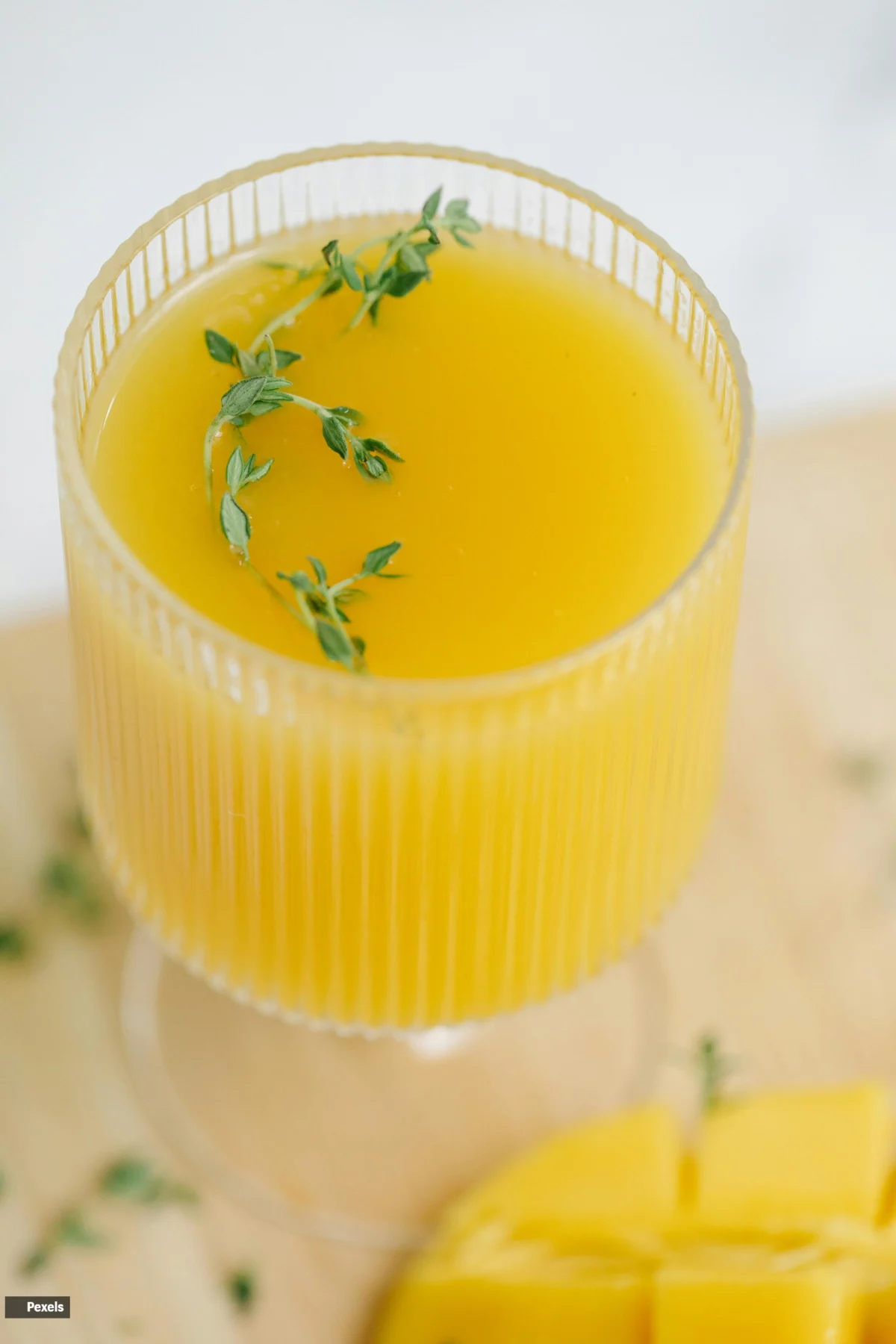
NEW DELHI — As the mercury climbs across the Indo-Gangetic plains and the heat becomes a tangible, oppressive weight, a centuries-old ritual begins in households and street corners from Kolkata to Kabul. It is the ritual of the sharbat. While the modern world has turned toward carbonated sodas and refrigerated juices, the Indian subcontinent remains anchored to a more sophisticated, historically rich form of hydration.
Far more than a simple beverage, the sharbat represents a confluence of Ayurvedic wisdom, Persian refinement, and regional agricultural ingenuity. It is, as culinary historians define it, "amped-up juice"—a concoction where nature’s bounty is distilled, flavored, and often medicinalized to combat one of the harshest climates on earth.
Main Facts: Defining the Sharbat and Its Regional Diversity
The distinction between "juice" and "sharbat" is fundamental to Indian culinary identity. While juice is the simple extraction of liquid from a fruit, a sharbat is a crafted concentrate. It involves the addition of flavoring agents—rock salt (kala namak), ginger, sugar, peppercorns, or floral essences—and is often boiled down to a syrup to be diluted later.
In the contemporary Indian landscape, the sharbat manifests in a dazzling array of regional specialties:
- Bengal’s Aam Porar Shorbot: A smoky, savory-sweet drink made by roasting green mangoes over an open flame until the skin blisters, extracting the pulp, and blending it with salt and sugar.
- The Himalayan Buransh: In Uttarakhand, the bright red petals of the Rhododendron flower are harvested to create a floral syrup believed to have cardioprotective properties.
- The Southern Panakam: A staple in Tamil Nadu and Kerala, this drink uses a base of jaggery (unrefined cane sugar) flavored with black pepper, dry ginger, and cardamom.
- The North Indian Bel: The wood apple (Aegle marmelos), with its hard shell and fibrous pulp, is processed into a thick, cooling nectar that is considered the ultimate panacea for digestive heat.
Chronology: From Vedic Roots to Mughal Refinement
The history of the sharbat is not a single thread but a tapestry woven over three millennia.
The Ancient Era (1000 BC – 500 AD):
The roots of the sharbat lie in the Vedic period. Ancient texts, including the Arthashastra, refer to beverages made from molasses and fermented fruit juices known as Asavas and Arishtas. In South India, the Panaka was already a ritualistic drink, offered to deities and consumed by the masses to maintain electrolyte balance. These early iterations focused on indigenous sweeteners like honey and jaggery, combined with local spices like ginger and pepper.
The Medieval Transition (1000 AD – 1500 AD):
With the advent of Islamic influence in the second millennium, the Indian beverage landscape underwent a transformation. The word sharbat itself is a Persian derivative of the Arabic sharb (to drink). During the Delhi Sultanate, a drink called fuqqa, made from fermented barley, became popular. It was during this period that the concept of "concentrate" took hold, allowing for the preservation of seasonal flavors.
The Mughal Zenith (1526 AD – 1857 AD):
The Mughals brought a Persian aesthetic to the Indian palate, introducing floral essences like rose, kevda (screwpine), and sandalwood. A pivotal moment in this chronology involves Empress Nur Jahan. Legend suggests that while walking in her gardens, the Empress was struck by the scent of roses, reminding her of the drinks of her ancestral Iran. She reportedly tasked her hakims (physicians) with capturing this essence, leading to the birth of the rose sharbat—a precursor to the ubiquitous red syrups found in Indian markets today.
The Modern Era (1900s – Present):
The 20th century saw the commercialization of these traditional recipes. In 1906, Hakeem Hafiz Abdul Majeed launched Rooh Afza in Old Delhi, a formulation of fruits, vegetables, and herbs that would become a cultural icon across India and Pakistan. Today, the sharbat is seeing a "craft" revival, as high-end mixologists and health-conscious consumers move away from synthetic flavors back toward the artisanal methods of roasting, boiling, and infusing.
Supporting Data: The Science and Medicine of Cooling
The sharbat has historically been as much a medical prescription as a refreshment. In the Unani and Ayurvedic traditions, summer heat is seen as an imbalance of the "Pitta" dosha (the fire element).
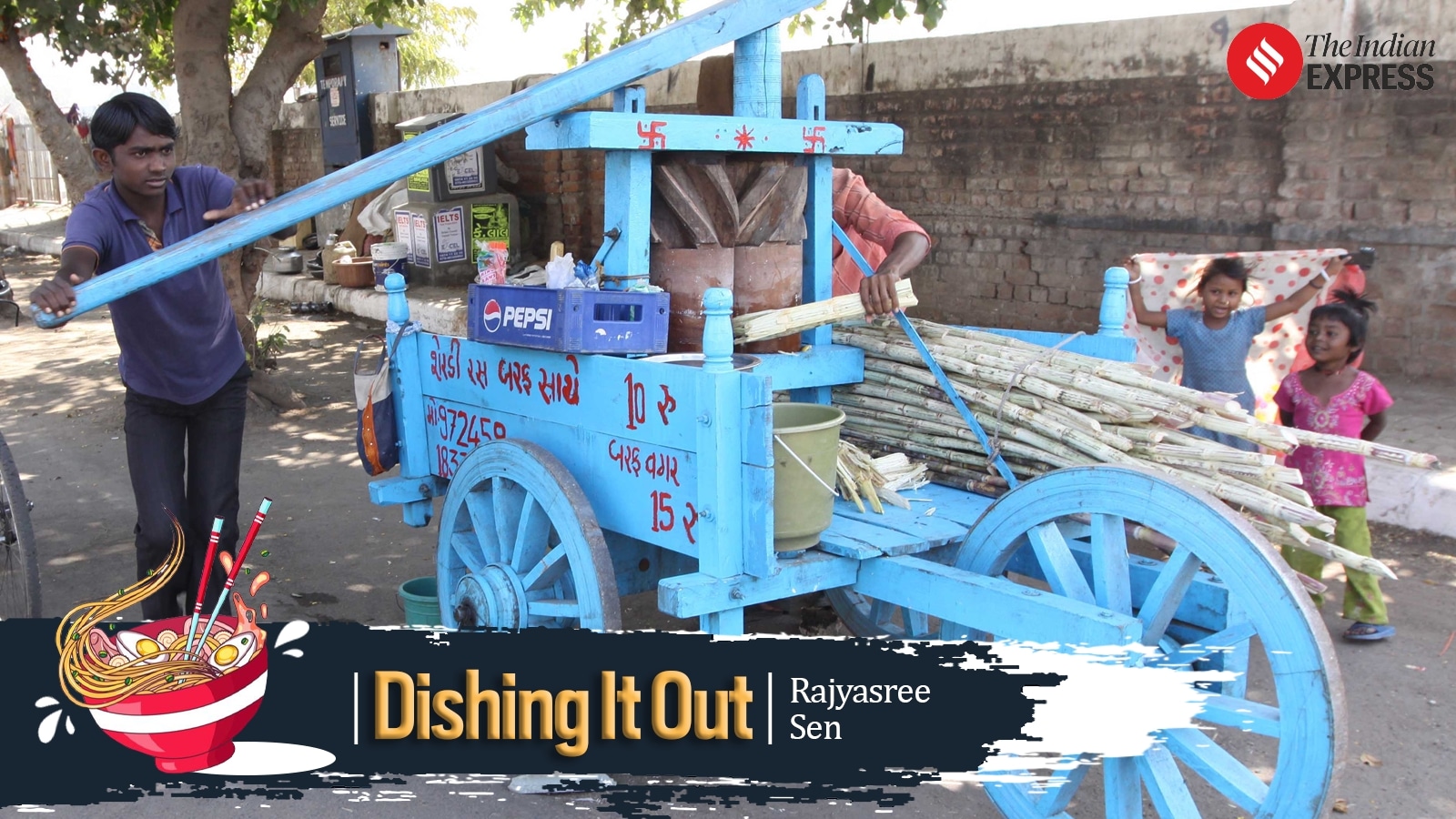
Data from historical texts like Salma Yusuf Husain’s 50 Great Recipes – Sharbats highlights the specific medicinal applications of various drinks:
- Blackberry and Mulberry: Used by 2nd-century hakims to treat chronic coughs and respiratory inflammation.
- Pear and Quince: Prescribed for liver health and to improve bile flow.
- Sugarcane with Ginger: A standard treatment for biliousness and jaundice.
- Phalsa (Grewia asiatica): This tiny purple berry has a low glycemic index and was traditionally used to purify the blood during the hot months.
Modern nutritional analysis supports these ancient practices. Drinks like Aam Pora Shorbot provide essential sodium and potassium lost through sweat, while the high pectin content in Bel juice acts as a natural prebiotic, protecting the gut from heat-induced distress.
Official Responses: Preservation and Regulation
While the sharbat remains a staple of the unorganized food sector (street vendors and home kitchens), there is a growing movement toward formalizing its production.
Food historians and culinary experts have called for the "Geographical Indication" (GI) tagging of specific regional drinks, such as the Buransh of Uttarakhand, to protect local economies from mass-produced imitations. "The sharbat is India’s liquid heritage," says a representative from a New Delhi-based culinary foundation. "Just as France protects its wines, we must protect the traditional methods of preparing Bela (jasmine) or Chandan (sandalwood) drinks."
Furthermore, the Food Safety and Standards Authority of India (FSSAI) has recently increased scrutiny on the dyes and synthetic sweeteners used in commercial sharbats. This has led to a market shift, with a 15% increase in the demand for "natural-identical" or organic fruit concentrates over the last three years, according to industry market research.
Implications: Climate Change and Cultural Identity
The enduring relevance of the sharbat carries significant implications for the future of the subcontinent.
Climate Adaptation:
As climate change leads to longer, more intense heatwaves in South Asia, the public health importance of traditional hydrators cannot be overstated. Unlike caffeinated or highly carbonated drinks, which can lead to dehydration, sharbats are designed for sustained hydration. Public health experts suggest that reviving the consumption of sattu (roasted gram flour) and bel drinks could be a low-cost strategy for heatwave management in vulnerable populations.
Economic Resilience:
The sharbat economy supports a vast network of seasonal farmers. The demand for green mangoes, wood apples, and rhododendron flowers provides a vital income stream for rural communities. By promoting these traditional beverages, India bolsters its "vocal for local" economic policy, reducing reliance on multinational beverage corporations.
Cultural Continuity:
In an era of globalization, the sharbat remains a symbol of resistance against "palate homogenization." The specific taste of a roasted mango or a jasmine infusion is a sensory link to a collective past. Whether it is the Sherbet-e-Mohabbat served in the lanes of Old Delhi during Ramadan or the Panakam served during Rama Navami in the south, these drinks are the cooling thread that binds the diverse fabric of the nation.
As we look toward the future, the "Indian solution" to the summer heat remains unchanged. It is found in a tall, condensation-beaded glass, filled with a liquid that is part history, part medicine, and entirely refreshing. Next week, the exploration of summer sustenance continues with a look at India’s light-eating traditions, from the crunch of jhaal muri to the cooling depths of dahi chaat.
