

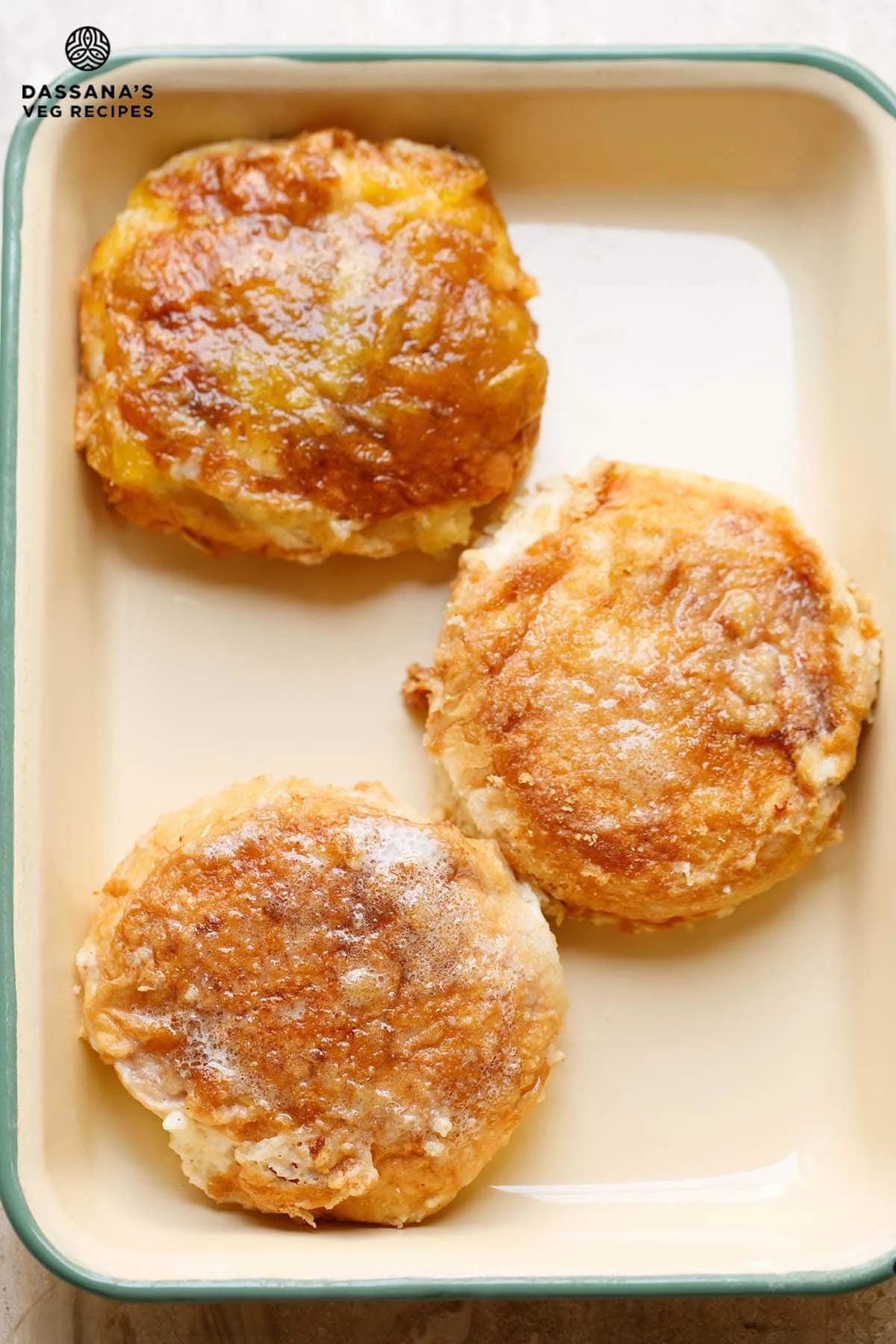
MADURAI, TAMIL NADU – In the narrow, bustling lanes surrounding the historic Meenakshi Amman Temple, a sensory symphony unfolds daily. Amidst the ringing of temple bells and the rhythmic clatter of looms, there is a specific, sweet aroma that defines the city’s gastronomic identity: the scent of melting white butter, browning sugar, and toasted bread. While Madurai is globally renowned for its architectural marvels, it has quietly fostered a street-food revolution centered around a deceptively simple snack—the Madurai Butter Bun.
What began as a humble tea-stall offering has evolved into a regional phenomenon, representing the intersection of colonial influence, local ingenuity, and the "comfort food" ethos of southern India. This article explores the intricate preparation, the cultural history, and the rising global profile of this buttery staple.
I. Main Facts: The Anatomy of a Street-Side Icon
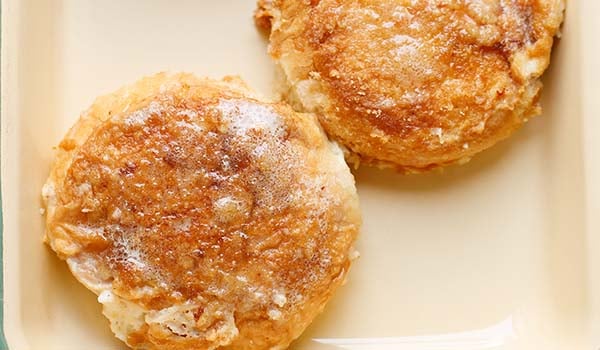
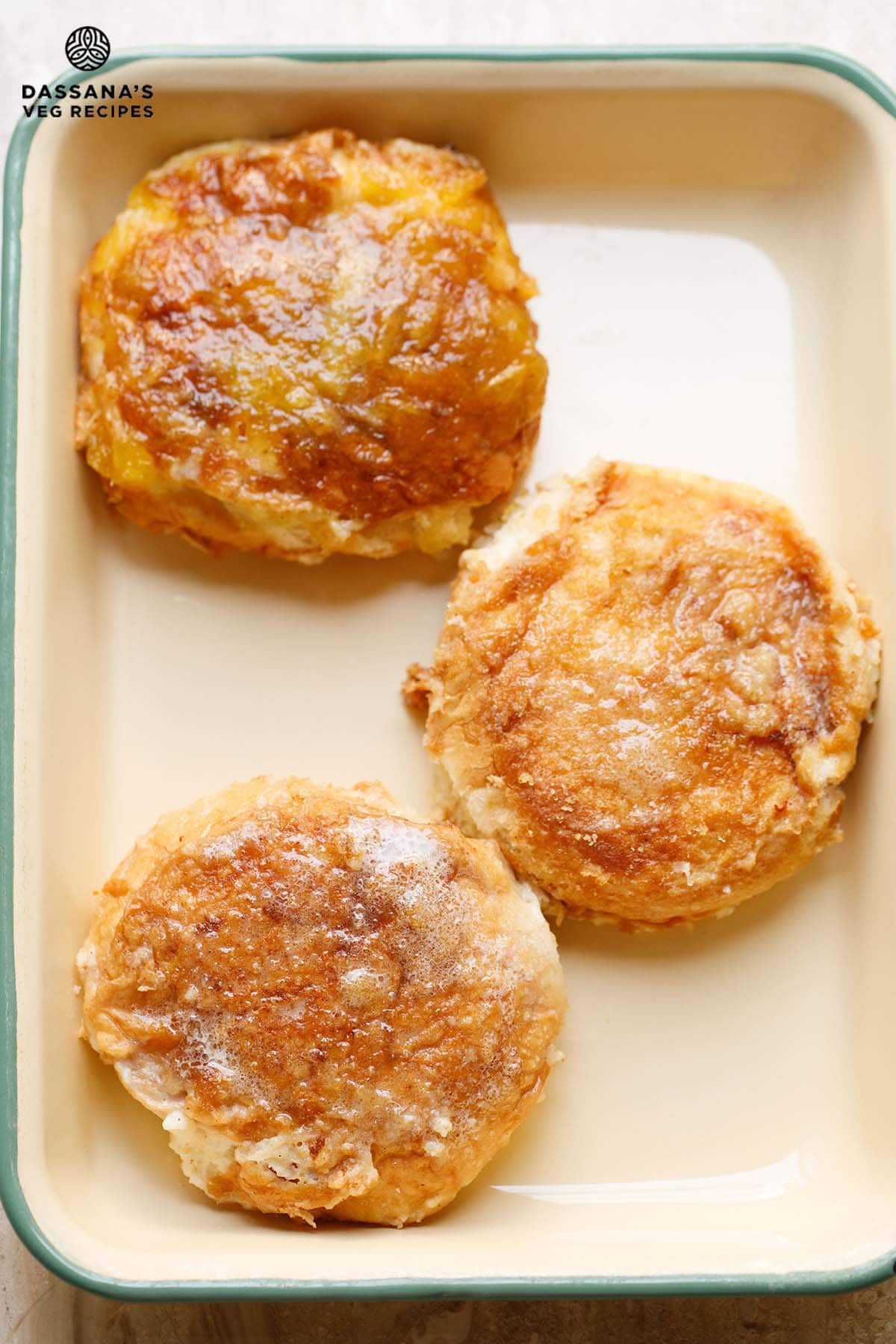
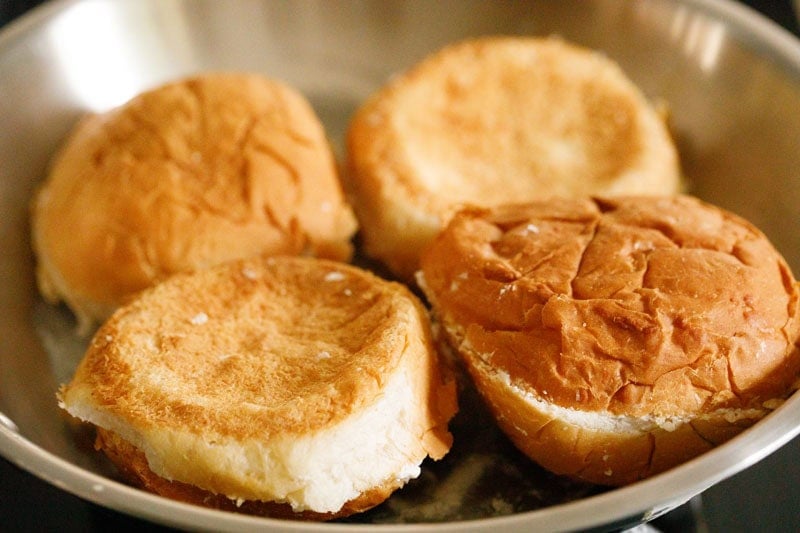
The Madurai Butter Bun is not merely a sandwich; it is a technical exercise in texture management. At its core, the dish consists of a soft, sweet bun—often studded with tutti frutti—that is sliced, slathered with generous amounts of butter and sugar, and toasted on a heavy iron tawa (griddle).
However, the defining characteristic that separates the Madurai variant from its cousins, such as the Parsi Bun Maska of Mumbai, is the introduction of milk during the toasting process. This "steam-toasting" method ensures that while the exterior achieves a crisp, caramelized golden-brown finish, the interior remains moist, pudding-like, and intensely flavorful.
Key Components:
- The Bun: Traditionally a "milk bun" or "sweet bun," characterized by a high sugar content and a light, airy crumb.
- The Fat: While commercial yellow butter is common, authentic vendors often use fresh, unsalted white butter (vennai), which provides a cleaner, creamier palate.
- The Sweetener: Granulated or raw sugar is used, which undergoes a partial Maillard reaction during the high-heat toasting.
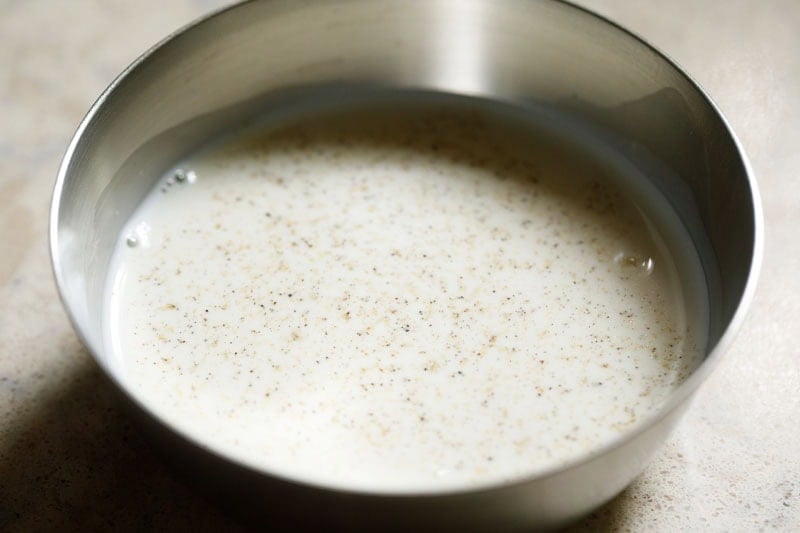
- The Aromatics: Infusions of green cardamom powder in the milk add a layer of complexity that balances the richness of the fats.
II. Chronology: From Bakery Staple to Culinary Masterpiece
The evolution of the Madurai Butter Bun follows a specific sequence of culinary refinement. To understand its popularity, one must look at the "Life Cycle" of the bun as it moves from the bakery shelf to the customer’s plate.
Phase 1: The Preparation of the Base
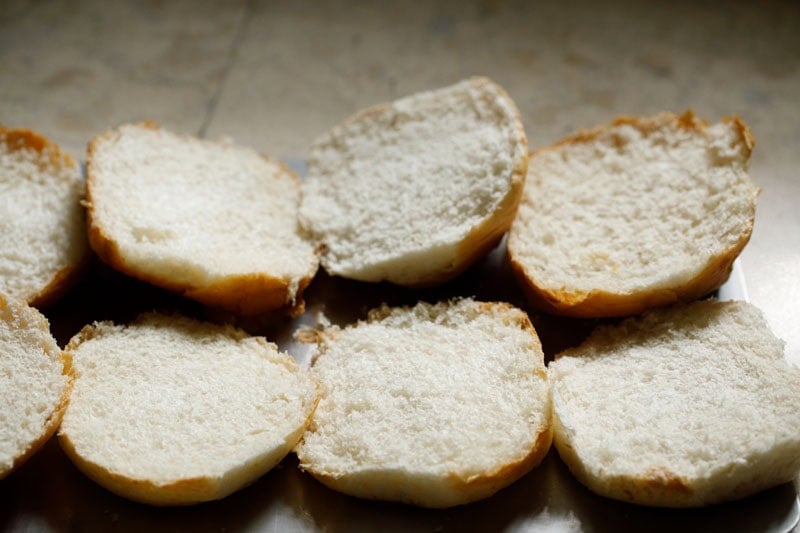
The process begins with the selection of the bread. In the context of Madurai’s tea stalls, the buns are usually sourced from local artisanal bakeries that specialize in "Tutti Frutti" buns. These are sliced horizontally, creating a large surface area for the butter to penetrate.
Phase 2: The Infusion
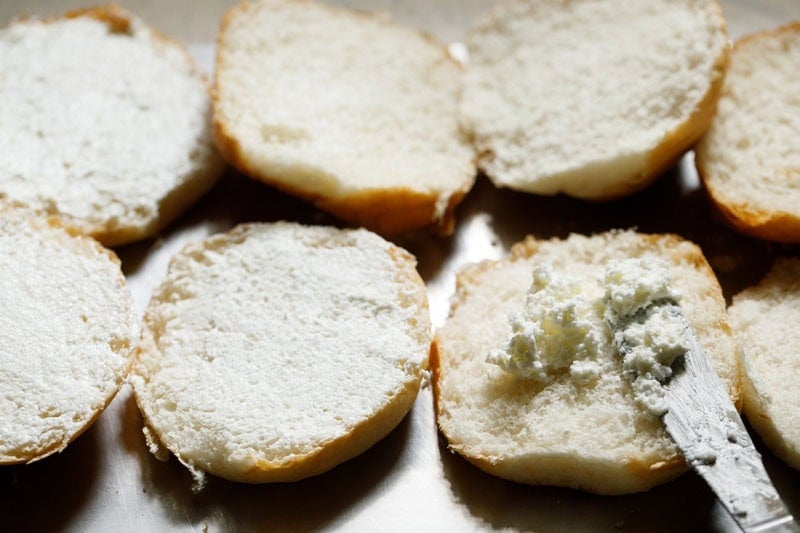
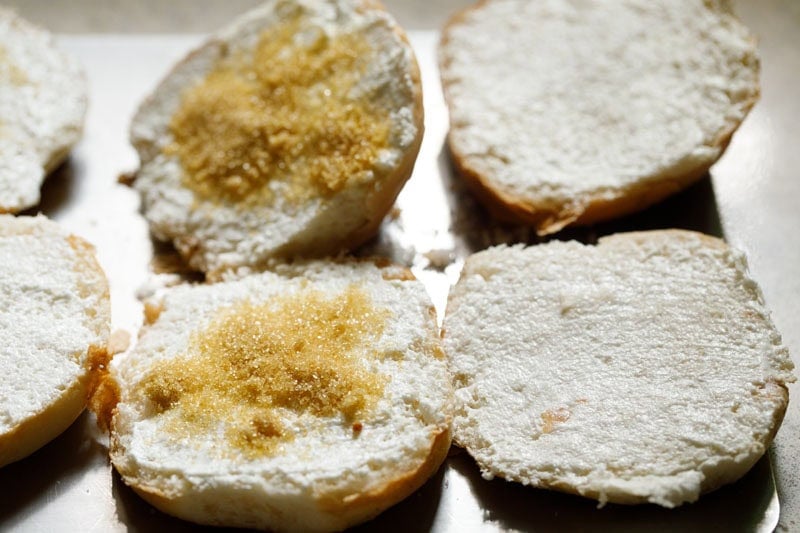
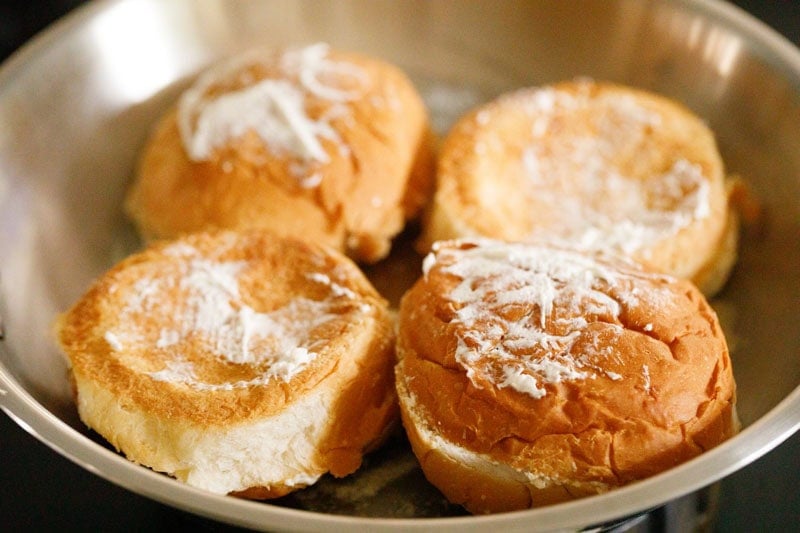
Unlike a standard toast, the buttering of a Madurai bun is an exercise in excess. Vendors typically use upwards of two to three tablespoons of butter per bun. This is followed by a liberal dusting of sugar. If a customer requests the "Jam Variation," a layer of fruit preserve—typically pineapple or mixed fruit—is added at this stage, creating a tart counterpoint to the dairy richness.
Phase 3: The Tawa Transformation
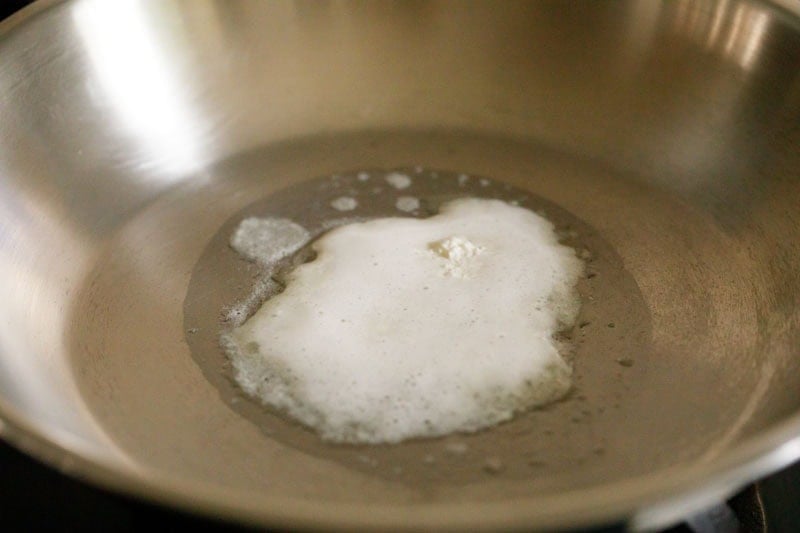
The buns are placed on a pre-heated, butter-slicked tawa. The heat is kept at a precise medium-low. If the heat is too high, the sugar burns before the bread warms; if too low, the bun becomes greasy rather than crisp.
Phase 4: The Milk-Steam Technique
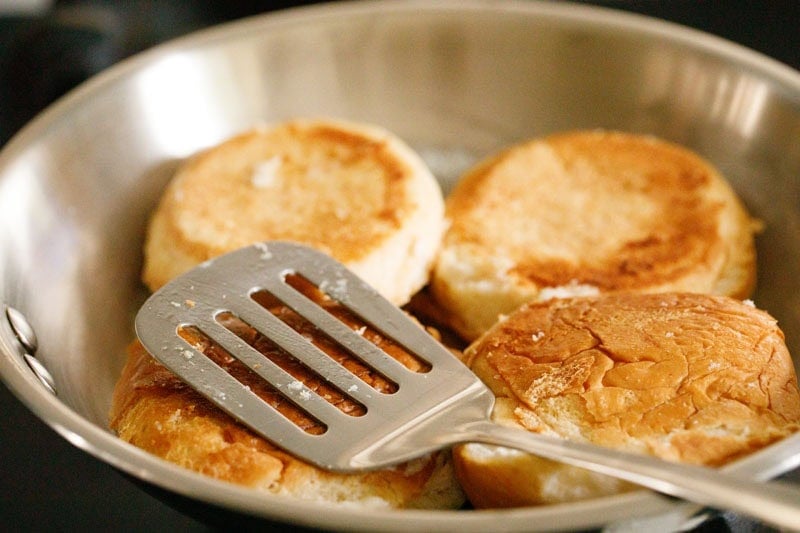
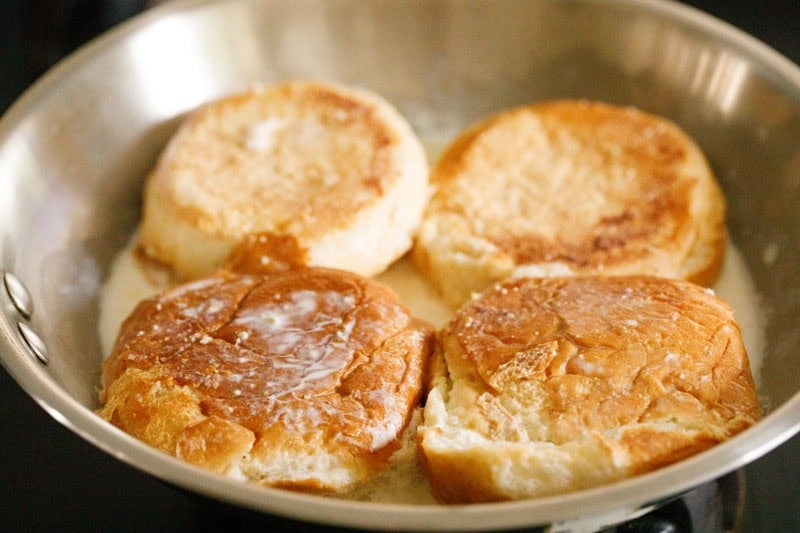
This is the "secret" step in the Madurai chronology. As the bun toasts, the vendor pours a small amount of cardamom-scented milk around the base of the bun and a few drops on top. The liquid hits the hot metal, instantly turning into steam. The vendor then uses a heavy spatula to press the bun down, forcing the steam into the crumb. This hydrates the bread, preventing it from drying out despite the prolonged toasting.
Phase 5: Caramelization and Service
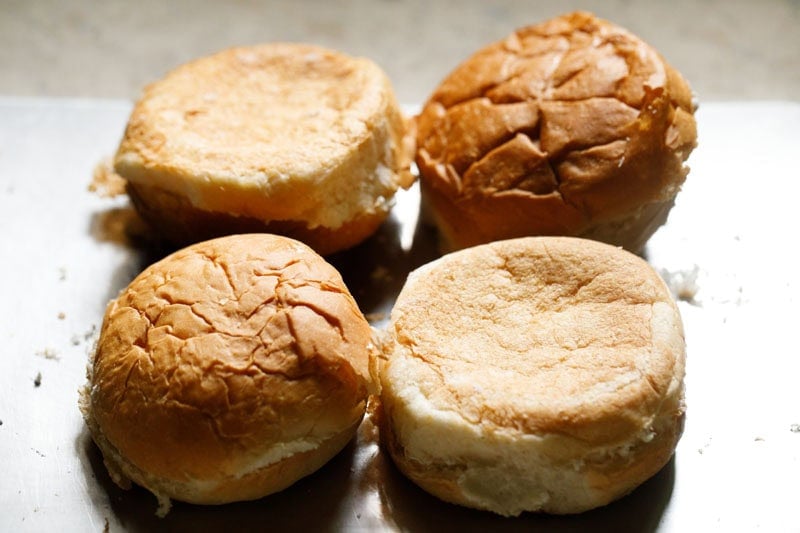
The final minute involves flipping the bun until the sugar on the exterior begins to bubble and brown, forming a thin, glass-like crust. The result is served piping hot, often on a small square of greaseproof paper or a banana leaf, usually accompanied by a glass of strong, frothy Masala Chai or South Indian Filter Coffee.
III. Supporting Data: The Science of Flavor and Nutrition
To the casual observer, the Butter Bun might seem like a simple sugar rush. However, the nutritional and chemical profile of the dish reveals why it is so effective as a "comfort snack."
Nutritional Breakdown (Estimated per Serving)
According to culinary data, a standard Madurai Butter Bun provides:
- Calories: 340 kcal
- Total Fat: 25g (with 15g of Saturated Fat)
- Carbohydrates: 26g
- Sugars: 12g
- Protein: 4g
The high fat and carbohydrate content make it a dense energy source, traditionally favored by laborers and travelers passing through Madurai’s transport hubs.
The Chemistry of the "Crunch"
The unique texture is a result of caramelization. As the sucrose (sugar) is heated to approximately 160°C (320°F), it breaks down into glucose and fructose, creating new flavor compounds that are nutty and slightly acidic. When combined with the proteins in the milk (the Maillard reaction), the bun develops a complex savory-sweet profile that is more sophisticated than a standard dessert.
IV. Official Responses and Culinary Expert Perspectives
While there is no "Official Bureau of Butter Buns," local food historians and veteran tea-stall owners (the Chai-walas of Madurai) provide a consensus on what constitutes the "gold standard" of the dish.
The Local Vendor’s Creed:
"The secret is not the bun, but the tawa," says a third-generation tea shop owner near the Madurai Junction. "A seasoned iron tawa retains flavors from thousands of previously toasted buns. When we add the milk, we aren’t just softening the bread; we are deglazing the pan and bringing all those caramelized juices back into the current bun."
Comparison with Other Regional Snacks:
Culinary experts often compare the Madurai Butter Bun to the Mumbai Bun Maska. However, the official distinction lies in the temperature and the milk. While Bun Maska is often served with a cold slab of butter or whipped cream inside a room-temperature bun, the Madurai version is a "cooked" dish. Every component is heated, fused, and transformed by fire.
The Modern Adaptation:
In response to the growing global trend of veganism, some modern cafes in Chennai and Madurai have begun offering plant-based versions. By substituting dairy butter with coconut-oil-based spreads and using oat or almond milk for the steaming process, they have managed to replicate the texture, though purists argue that the "lactic tang" of real white butter is irreplaceable.
V. Implications: Street Food as a Cultural Ambassador
The rise of the Madurai Butter Bun has broader implications for the Indian food industry and the city’s tourism.
1. The Globalization of Hyper-Local Snacks
With the advent of social media and food vlogging, "hidden gems" like the Madurai Butter Bun are no longer hidden. Tourists now travel to Madurai specifically to complete a "food circuit" that includes Jigarthanda (a cold almond resin drink), Bun Parotta, and the Butter Bun. This has led to an economic boost for small-scale street vendors.
2. The Preservation of the "Tea Shop Culture"
In an era of Starbucks and global coffee chains, the Butter Bun helps keep the traditional South Indian tea shop relevant. These shops serve as "third places"—social hubs where people from all walks of life congregate. The affordability of the Butter Bun (usually priced between ₹20 and ₹40) ensures that it remains an egalitarian snack.
3. Culinary Innovation
The success of the Butter Bun has encouraged vendors to experiment further. We are now seeing "Gourmet Butter Buns" featuring condensed milk drizzles, chocolate shavings, or even savory infusions like garlic and cheese. However, the "Madurai Style" remains the benchmark against which all variations are measured.
4. Health and Wellness Trends
As consumers become more health-conscious, the Butter Bun faces scrutiny for its high caloric and saturated fat content. The implication for the future is a potential shift toward smaller portion sizes or the use of whole-wheat buns, though such changes risk altering the fundamental "soul" of the snack.
Conclusion: More Than a Quick Bite
The Madurai Butter Bun is a testament to the fact that culinary greatness does not require expensive ingredients or "molecular" techniques. It requires an understanding of heat, an appreciation for texture, and a deep-rooted respect for tradition.
As Madurai continues to grow as a modern urban center, its street food remains an anchor to its past. Whether enjoyed by a student on a break, a pilgrim after a long prayer, or a tourist discovering the city for the first time, the Butter Bun offers more than just sustenance—it offers a warm, caramelized slice of Madurai’s enduring spirit. For those looking to recreate the experience at home, the recipe remains simple, but the "magic" lies in the patience of the toast and the hiss of the milk on a hot pan.
