

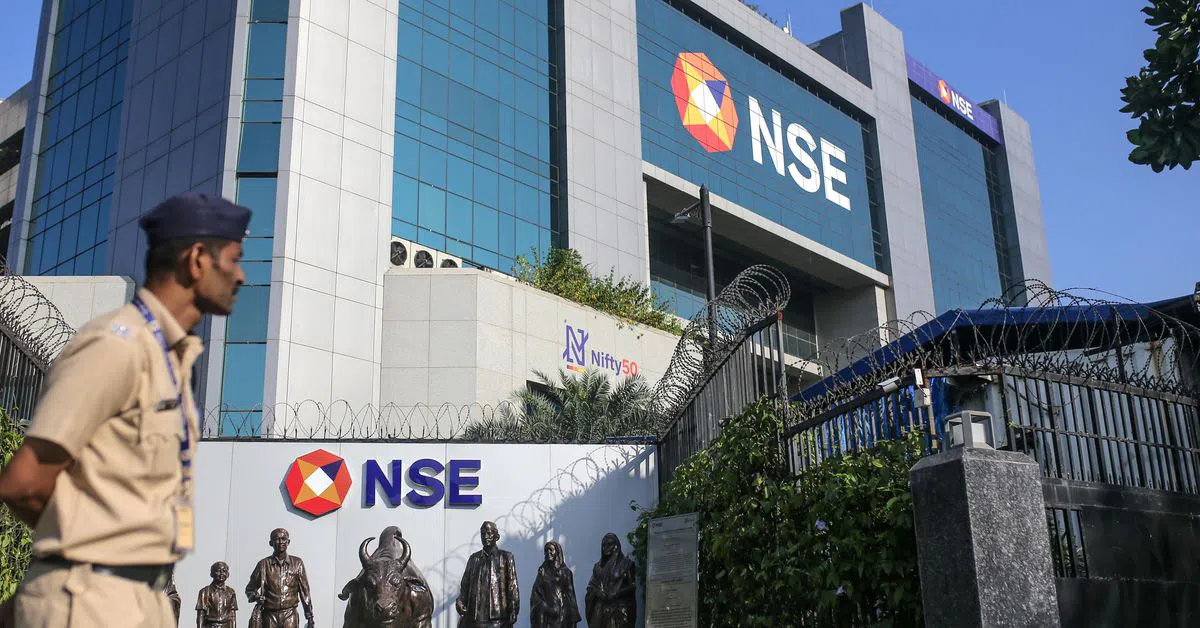
Mumbai, May 16 – The Indian financial landscape is currently navigating a complex intersection of robust corporate earnings and macroeconomic headwinds. As the fourth-quarter (Q4FY26) reporting season reaches its peak, the spotlight shines brightly on heavyweights and mid-cap disruptors alike. While Tata Steel has set a high bar with a triple-digit profit surge, the broader market remains cautious, tethered by a weakening domestic currency and the persistent specter of rising crude oil prices.
Today marks a pivotal moment for several sectors, with a diverse array of companies—ranging from telecommunications giant Vodafone Idea to logistics leader Delhivery—slated to pull back the curtain on their fiscal performance. This report provides an in-depth analysis of the current market state, the stellar performance of industrial leaders, and the implications for the Indian economy in the coming months.
1. Main Facts: A Convergence of Earnings and Macro Pressure
The Indian equity markets are currently witnessing a "tale of two cities." On one hand, individual corporate balance sheets are showing signs of significant resilience and growth. On the other, the macro-environment is being tested by currency depreciation and geopolitical pressures influencing commodity prices.
The Tata Steel Triumph
In a major boost to the metals and mining sector, Tata Steel has reported a staggering 124.9 per cent year-on-year (YoY) increase in consolidated net profit. Attributable to the owners of the company, the profit reached ₹2,925.74 crore for the quarter ending March 31, 2026. This performance was underpinned by a 12.5 per cent growth in revenue from operations, which climbed to ₹63,270.13 crore.
The May 16 Earnings Calendar
Today, May 16, serves as a high-stakes day for the bourses. Investors are awaiting results from:
- Infrastructure & Power: KEC International, Genus Power Infrastructures.
- Automotive & Engineering: UNO Minda, Rolex Rings, Atul Auto.
- Chemicals & Pharma: Neogen Chemicals, Tatva Chintan Pharma Chem, Valiant Organics, Chembond Chemicals.
- Technology & Logistics: Delhivery, Latent View Analytics.
- Telecommunications: Vodafone Idea.
- Consumer & Others: Dodla Dairy, Shemaroo Entertainment, Mangalam Cement.
Market Retraction
Despite the positive earnings momentum from individual players, the benchmark indices—Nifty50 and Sensex—faced a downturn in the previous session (May 15). The Nifty50 slipped by 46.10 points (0.19%) to close at 23,643.50, while the Sensex dropped 160.73 points (0.21%) to settle at 75,237.99. The primary catalysts for this decline were a fresh all-time low for the Indian Rupee against the US Dollar and a sharp uptick in global crude oil prices, which traditionally pressures India’s fiscal deficit.
2. Chronology: The Road to Q4 Results
The current earnings cycle follows a period of intense market anticipation and a volatile start to the fiscal year.
- Early May 2026: Markets began the month with high expectations, fueled by a strong domestic consumption narrative. However, global inflationary pressures started creeping into the Indian narrative.
- Mid-May 2026: The Indian Rupee began a downward trajectory against the Greenback, crossing psychological barriers and causing jitters among Foreign Institutional Investors (FIIs).
- May 15, 2025 (The Previous Session): The trading day began on a relatively stable note, but "late-session selling pressure" dominated the final hour. This was largely attributed to the sudden spike in crude oil, which impacted sectors heavily reliant on energy inputs.
- May 16, 2026 (Today): A flurry of earnings reports is being released throughout the day. The market is expected to remain range-bound as it digests the Tata Steel numbers while waiting for the crucial Vodafone Idea and Delhivery updates.
3. Supporting Data: A Deep Dive into the Numbers
To understand the health of the Indian economy, one must look beyond the headlines at the granular data points provided by the recent filings.
Tata Steel: A Multi-Dimensional Growth Story
The growth at Tata Steel was not merely a result of market fluctuations but a consequence of strategic operational shifts.
| Metric | Q4FY26 | Q4FY25 | YoY Growth |
|---|---|---|---|
| Net Profit | ₹2,925.74 Cr | ₹1,300.81 Cr | 124.9% |
| Revenue | ₹63,270.13 Cr | ₹56,242.00* Cr | 12.5% |
| Sequential Profit | ₹2,925.74 Cr | ₹2,688.70 Cr (Q3) | 8.8% |
| Sequential Revenue | ₹63,270.13 Cr | ₹57,002.40 Cr (Q3) | 11.0% |
Data indicates that the primary drivers for these numbers were higher sales volumes in the Indian domestic market and a significantly improved product mix, focusing on high-margin value-added products for the automotive and construction sectors.
Market Indices and Sectoral Performance (May 15)
The broader market showed a distinct "risk-off" sentiment:
- Nifty MidCap Index: Declined by 0.45%.
- Nifty SmallCap Index: Declined by 0.61%, indicating that the selling pressure was more pronounced in the broader market than in the blue-chip stocks.
- Top Losers: Hindalco Industries, Eternal, and UltraTech Cement bore the brunt of the sell-off, largely due to concerns over input costs and cooling demand in specific infrastructure niches.
4. Official Responses and Corporate Strategy
The Tata Steel Outlook
Management at Tata Steel has emphasized that their "planned cost reductions across regions" have finally begun to bear fruit. In their official communication, the company highlighted that the European operations are undergoing a transition toward more sustainable and cost-efficient production methods, while the Indian operations remain the crown jewel of their portfolio. The focus remains on de-leveraging the balance sheet and expanding capacity at the Kalinganagar plant.
The Telecommunications Watch: Vodafone Idea
While official Q4 statements from Vodafone Idea are expected later today, analysts are focusing on the company’s Average Revenue Per User (ARPU) and its subscriber churn rate. Following its recent Follow-on Public Offer (FPO), the market is looking for concrete timelines on 5G rollout and debt servicing capabilities. Any positive surprise here could spark a massive rally in the telecom sector.
Logistics and Tech: Delhivery and Latent View
For Delhivery, the focus is on achieving consistent profitability. As the e-commerce landscape in India matures, the logistics giant’s ability to optimize "last-mile" delivery costs is being scrutinized. Similarly, Latent View Analytics is being watched as a proxy for the global AI and data analytics demand, with investors looking for signs of margin expansion despite the global slowdown in tech spending.
5. Implications: What This Means for Investors and the Economy
The current confluence of data points suggests several key implications for the short to medium term.
Sectoral Rotation
We are likely to see a rotation of capital. The strong performance of Tata Steel suggests that the "Industrial and Commodities" cycle may still have legs, despite the volatility. However, the selling pressure on cement (UltraTech) and aluminum (Hindalco) suggests that investors are becoming more selective, favoring companies with superior cost-control mechanisms.
The Rupee-Oil Nexus
The weakness of the Indian Rupee is a double-edged sword. While it may benefit exporters like those in the IT and Pharma sectors (potentially aiding firms like Neogen and Tatva Chintan), it significantly inflates the import bill for crude oil. As India imports over 80% of its oil requirements, sustained high prices could lead to "imported inflation," prompting the Reserve Bank of India (RBI) to maintain a hawkish stance on interest rates for longer than previously anticipated.
Mid-Cap and Small-Cap Caution
The fact that the Nifty MidCap and SmallCap indices fell more sharply than the Nifty50 suggests that "smart money" is moving toward quality and liquidity. Small-cap firms like Sportking India or Sayaji Hotels (Indore) may face higher volatility if their earnings do not significantly beat market estimates.
Investor Sentiment
As we move into the final leg of the Q4 results, the sentiment is "cautiously optimistic." The underlying earnings growth of corporate India remains robust, as evidenced by Tata Steel. However, the external environment—characterized by a strong dollar and volatile energy markets—will continue to act as a ceiling for the Nifty and Sensex in the immediate future.
Conclusion
The earnings reports of May 16 will be a litmus test for several key sectors of the Indian economy. From the financial health of the debt-laden telecom sector to the growth trajectories of specialized chemical and automotive component manufacturers, the day’s disclosures will set the tone for the final weeks of the fiscal quarter’s analysis. For now, the market remains a battleground between strong internal fundamentals and challenging external headwinds.
Disclaimer: The financial data and market highlights mentioned in this article are based on current market reports and corporate filings. Investors are advised to consult with financial experts before making investment decisions.
