

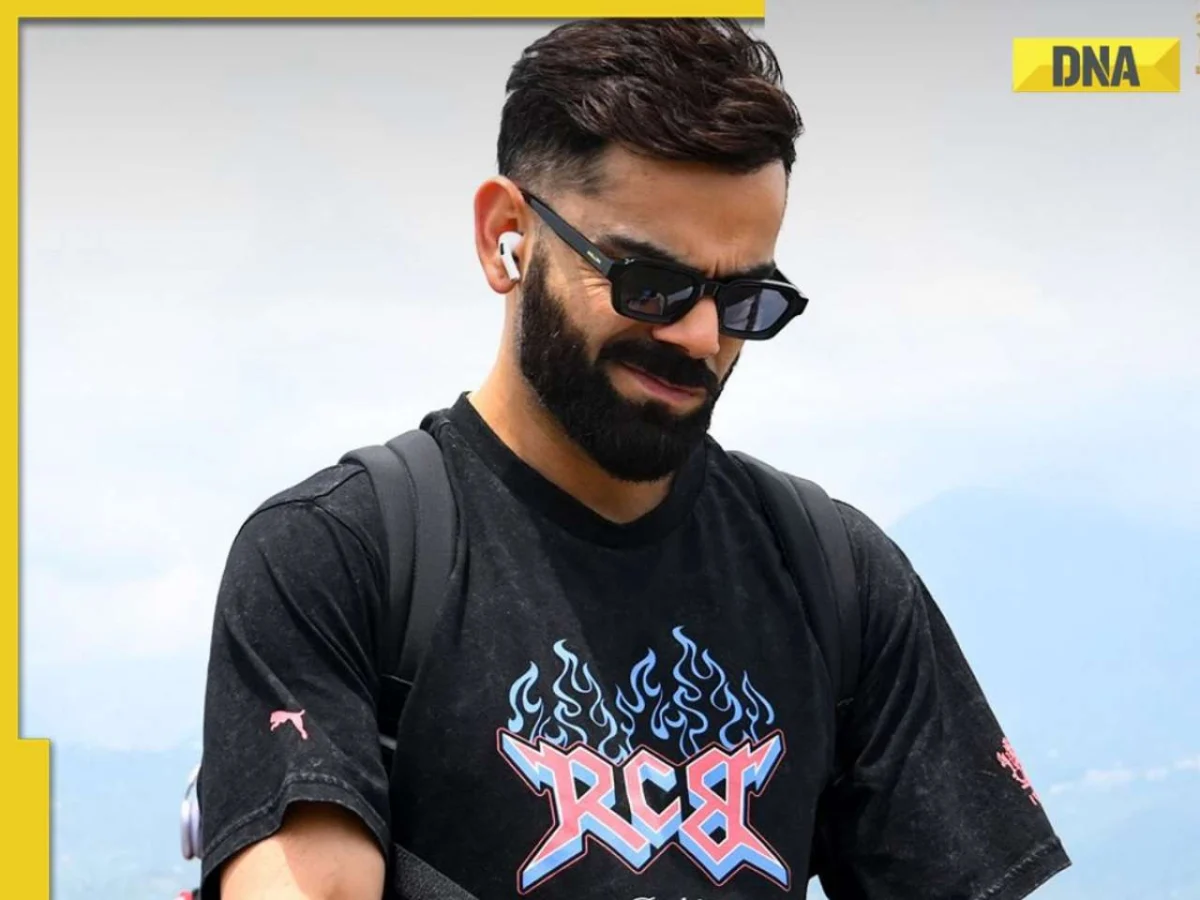
BENGALURU, INDIA – In an era where the lines between public spectacle and private life are increasingly blurred, especially for global sports icons, cricket’s undisputed superstar, Virat Kohli, has ignited a crucial conversation about player privacy. The Royal Challengers Bengaluru (RCB) legend, known for his fierce competitiveness on the field and his candid nature off it, has openly expressed his profound discomfort with the relentless pursuit of content by cameras, particularly when players are away from the competitive arena. His recent remarks underscore a growing sentiment among athletes worldwide, highlighting the mental toll of constant surveillance in the age of pervasive social media and viral content.
Kohli’s statements, delivered with his characteristic forthrightness on the RCB podcast, resonate far beyond the confines of the cricket pitch. They challenge the prevailing ‘content culture’ that has become "baked right into cricket," as he described it, prompting a necessary re-evaluation of the boundaries between fan engagement, commercial interests, and the fundamental right of individuals to personal space and genuine authenticity.
Main Facts: The Core of Kohli’s Stance
Virat Kohli, arguably one of the most scrutinised athletes globally, articulated a clear distinction between his comfort with on-field pressure and his demand for privacy off it. He admitted he is "not comfortable being constantly followed by cameras away from the game," firmly stating that while he thrives under the immense pressure of match situations, personal space should be unequivocally respected beyond the cricketing action.
His central argument revolves around the intrusive nature of ubiquitous filming, particularly during private moments such such as walking to practice or engaging in casual conversations. "You walk to practice and there are six cameras chasing you. It’s not comfortable," Kohli stated, emphasising the detrimental impact on a sportsperson’s ability to focus and genuinely prepare. He argued that this constant surveillance hinders authenticity, transforming natural interactions into staged performances. "If everything is filmed and picked apart, then you’re not really being yourself anymore."
)
Kohli advocates for a "streamlining" of content creation, suggesting that player consent should be a primary consideration before filming. He believes that judgment should be reserved for match-day performances, not for the experimental or preparatory phases of practice. His remarks also touched upon the increasing mechanisation of fan engagement, citing his annoyance with an IPL ‘robodog’ named "Champak" interrupting a sincere conversation, underscoring a broader unease with artificial interactions replacing genuine human connection.
Chronology: The Evolution of Cricket’s Content Culture
The landscape of sports media has undergone a seismic shift over the past two decades, transforming from traditional match broadcasts and newspaper reports to an all-encompassing digital ecosystem. The Indian Premier League (IPL), in particular, has been a significant catalyst in this evolution, pioneering a new frontier of sports entertainment that prioritises fan access and behind-the-scenes content.

The Rise of Digital Dominance and Fan Access
When the IPL launched in 2008, it was revolutionary not just for its T20 format but also for its aggressive marketing and fan engagement strategies. Unlike traditional bilateral series or even established global leagues, the IPL embraced social media and digital platforms from its inception. Teams were encouraged to build robust online presences, offering fans unprecedented access to their favourite stars. This hunger for "inside" content intensified with the proliferation of smartphones, high-speed internet, and platforms like YouTube, Instagram, and TikTok, which incentivised short, engaging, and often personal snippets of athletes’ lives.
This era fostered what Kohli aptly calls "content culture," where every moment, every interaction, every reaction, whether on or off the field, is seen as potential viral material. From locker-room banter to gym sessions, team dinners, and even private conversations, the demand for "exclusive" content has become insatiable. For players like Kohli, whose careers have blossomed precisely alongside this digital explosion, this constant tracking has become an intrinsic, albeit often unwelcome, part of their professional existence.
)
Kohli’s Journey and Amplified Scrutiny
Virat Kohli’s career trajectory perfectly mirrors the rise of this digital age. Debuting internationally in 2008, the same year as the IPL’s inception, he ascended to superstardom as social media became ubiquitous. His aggressive style, record-breaking performances, and charismatic personality made him a marketing dream and a fan favourite, but also a prime target for constant media and fan scrutiny. Every run, every celebration, every emotional outburst, and indeed, every personal decision has been amplified and dissected across countless platforms.
While this global spotlight has undoubtedly contributed to his immense brand value and fan base, it has also subjected him to a level of public intrusion that few athletes before his generation experienced. He has navigated controversies, celebrated triumphs, and endured personal moments under the unblinking eye of cameras and the relentless chatter of social media. His recent comments, therefore, are not an isolated complaint but rather the culmination of years spent under this intense, pervasive gaze, reflecting a weariness that many high-profile figures silently endure.
)
The RCB Podcast as a Platform
It is significant that Kohli chose the RCB podcast, an official team channel, to air these grievances. This platform lends credibility and weight to his statements, indicating that this is not a casual remark but a considered perspective shared within a controlled, yet public, environment. It also highlights how teams themselves, while benefiting from content creation, are increasingly becoming spaces where such critical discussions can take place, potentially paving the way for internal policy reviews.
Supporting Data: The Intricacies of Commercialism, Authenticity, and Well-being
Kohli’s observations are not merely anecdotal; they tap into a complex interplay of commercial imperatives, psychological impacts, and the evolving definition of authenticity in the public eye.
)
The Commercial Imperative vs. Personal Cost
The drive for content is inextricably linked to the commercial machinery of modern sports. Leagues, teams, and individual athletes generate billions through sponsorships, broadcasting rights, and merchandise sales, all heavily reliant on fan engagement. Social media platforms provide direct channels to cultivate and expand fan bases, offering brands unparalleled reach. As Kohli himself acknowledged, "Social media is a huge part of the commercial representation or fan engagement for any team, which is understandable."
However, this commercial benefit often comes at a significant personal cost to the athletes. The relentless demand for content forces players to constantly be "on," even during moments intended for relaxation, preparation, or genuine human interaction. This continuous performance anxiety can be mentally exhausting. The pressure to project a certain image, to be perpetually engaging and accessible, can strip away the spontaneity and genuine emotions that define human experience.
)
The Erosion of Authenticity and Performance Focus
Kohli’s lament that "If everything is filmed and picked apart, then you’re not really being yourself anymore" speaks to a profound erosion of authenticity. Athletes, like all individuals, require space to experiment, fail, and learn without judgment. Practice sessions are precisely these spaces – laboratories where new techniques are tried, weaknesses addressed, and strategies honed. When these private moments of development become public spectacles, subject to instant analysis and critique, it creates an environment of self-consciousness. Players might shy away from unconventional drills or risky experiments for fear of ridicule or misinterpretation, thereby stifling innovation and growth.
"Judge me on my performances during the game. No one should critique how I’m preparing or what I’m trying out in practice," Kohli asserted. This plea highlights the fundamental distinction between the public performance and the private process. The match is the ultimate test, where the results speak for themselves. The preparation, however, is a deeply personal journey that requires focus, peace, and freedom from external pressures. Constant filming blurs this line, turning every moment into a potential performance, which can detract from the genuine work required to excel.
)
Technological Intrusions: Beyond the Human Camera Crew
Kohli’s specific anecdote about the IPL’s "robodog," "Champak," further illustrates the increasing technological intrusion into athletes’ spaces. While seemingly innocuous and intended for entertainment, the presence of such devices signifies a broader trend towards pervasive surveillance. Drones capture overhead shots, body cams offer point-of-view perspectives, and embedded reporters or content creators are often granted unprecedented access. These technologies, while offering novel ways to engage fans, also chip away at the remaining vestiges of privacy.
The interaction with "Champak" wasn’t just about a robot; it was about an artificial interruption to a "real conversation." This highlights Kohli’s preference for genuine human connection and interaction, unmediated by technology or the performative demands of content creation. It underscores a deeper concern that the pursuit of novel content is dehumanising the athlete experience.
)
Broader Sporting Context and Mental Health
Kohli’s concerns echo similar sentiments expressed by athletes across various sports globally. From tennis stars struggling with media obligations at Grand Slams to NBA players navigating 24/7 scrutiny, the mental health implications of constant public life are a recurrent theme. The pressure to maintain a perfect public image, coupled with the relentless demands of performance and travel, can lead to burnout, anxiety, and depression. Many sporting bodies and player associations are increasingly recognising the need for robust mental health support systems, and a critical component of mental well-being is the ability to retreat, recharge, and maintain a semblance of private life.
Official Responses: Navigating the Uncharted Waters
The issues raised by Kohli present a significant challenge for sporting organisations like the BCCI, IPL, and individual franchises. There isn’t a universally agreed-upon "official response" yet, as the balance between commercial viability, fan engagement, and player welfare is a constantly evolving tightrope walk.
)
The Organisations’ Dilemma
For the IPL and its constituent teams, content generation is not merely an optional activity; it is a fundamental pillar of their marketing and revenue strategies. The league thrives on creating a spectacle that extends beyond the 22 yards, offering fans a glimpse into the lives of their heroes. This strategy has been incredibly successful in building brand loyalty and attracting sponsors. Therefore, any move to significantly restrict access to players for content creation would likely be met with resistance from marketing departments and commercial partners.
However, player welfare is also paramount. Happy, healthy, and authentic players are the most valuable assets. Pushing players to a breaking point or alienating them could have long-term negative consequences, including burnout, decreased performance, or even players choosing to limit their participation. The challenge for these organisations is to find a middle ground that satisfies commercial demands without compromising the well-being and privacy of their athletes. Currently, explicit, detailed policies regarding player consent for off-field filming are often vague or non-existent, leaving much to the discretion of individual teams and content creators.
)
The Role of Player Associations and Collective Voice
While cricket does not have as strong a player union culture as some other global sports, voices like Kohli’s can catalyse change. When an athlete of his stature speaks out, it creates an opportunity for player associations (or equivalent bodies) to advocate for clearer guidelines and protections. This could involve negotiating collective bargaining agreements that include clauses on media access, content creation, and player consent.
It’s likely that many other players, perhaps less vocal or influential than Kohli, share similar sentiments. His public statement gives them a platform and validates their feelings, potentially encouraging a more collective approach to address these concerns within the cricketing fraternity.
)
Media’s Perspective
From the media’s standpoint, the pursuit of "exclusive" content is a competitive imperative. News outlets, digital platforms, and social media influencers are all vying for eyeballs and engagement. The public’s appetite for behind-the-scenes access and personal stories about athletes is undeniable. The debate then becomes one of the "right to know" (or rather, the public’s desire for access) versus the "right to privacy" of the individual. Responsible journalism and content creation would ideally involve ethical considerations and respect for boundaries, but the commercial pressures of the digital age often push these boundaries.
Implications: Shaping the Future of Sports Media and Athlete Welfare
Virat Kohli’s powerful message carries significant implications for the future of sports media, athlete welfare, and the evolving relationship between players and fans.
)
Towards Streamlining and Consent Protocols
Kohli’s call for "more streamlining" and ensuring "the player is okay with being filmed all the time" points towards concrete solutions. This could involve:
- Designated Filming Zones: Limiting filming to specific areas within training facilities or team hotels, allowing players private zones.
- Consent-Based Content Creation: Implementing clear protocols where player consent is explicitly sought for non-match-day filming, particularly for personal content.
- Time-Bound Access: Restricting media and content creator access to specific windows, ensuring players have dedicated periods of uninterrupted privacy.
- Stricter Guidelines: Developing comprehensive guidelines for content creators regarding the type of content that can be captured and published, prioritising player well-being over viral potential.
- Education for Fans and Content Creators: Fostering a greater understanding among fans and content creators about the importance of player privacy and mental space.
Such measures would require collaboration between leagues, teams, players, and media partners, but they are crucial for creating a sustainable and respectful environment.
)
The Evolving Player-Fan Relationship
The constant pursuit of content, if unchecked, risks alienating the very fans it aims to engage. Over-saturation can lead to fatigue, and manufactured content can dilute the authenticity that fans truly crave. While access is valued, genuine moments of athletic prowess and human emotion often resonate more deeply than curated, performative snippets. Respecting player privacy could, paradoxically, foster a more profound and authentic connection between fans and their heroes, as moments of genuine vulnerability or joy become more impactful when not constantly forced.
Kohli’s Legacy Beyond the Boundary
By speaking out on this issue, Virat Kohli solidifies his position not just as a cricketing legend but also as a powerful advocate for athlete welfare. He joins a growing list of prominent athletes who are using their platforms to address mental health, privacy, and the human cost of professional sports. His courage in tackling such a sensitive topic, especially one that directly impacts the commercial machinery of the sport he dominates, is commendable. It underscores a shift where athletes are increasingly taking control of their narratives and demanding respect for their personhood beyond their professional roles.
)
The Unforgettable Roar: A Contrast in Emotion
It is poignant that Kohli’s reflections on privacy were coupled with his emotional recount of RCB’s historic IPL title win. After years of chasing the elusive trophy, the moment he dropped to his knees and shed tears as Josh Hazlewood bowled the final ball against Punjab Kings, was raw, unadulterated emotion. "I felt very thankful, and I still feel grateful every day. But that night, honestly, I can’t describe what went through me in the last four balls of that final over," he shared. This profound, genuine experience of triumph and relief stands in stark contrast to the manufactured "content" he laments. It serves as a powerful reminder that while the commercial aspects of sport are undeniable, the core of athletic endeavour lies in these deeply personal, unscripted moments of human struggle and glory, which truly captivate and inspire. Protecting the space for such authentic experiences, both on and off the field, is perhaps the ultimate goal of Kohli’s plea for privacy.
