

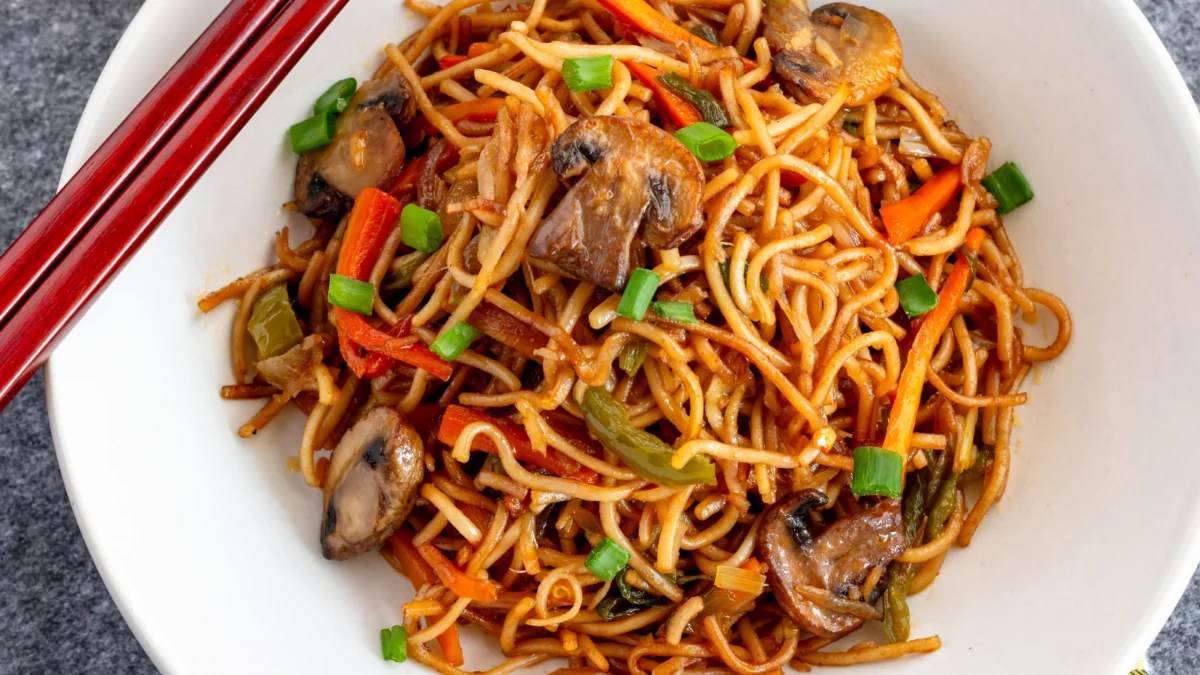
New Delhi, India – May 16, 2026 – The modern weekend often presents a delightful paradox: a yearning for profound relaxation coupled with a desire for culinary indulgence. For those moments when the call of the couch is irresistible, but the craving for something delicious, restaurant-worthy, and utterly satisfying strikes, a perfect solution has emerged. This expertly crafted mushroom noodle recipe promises to be your ultimate companion for those languid evenings, transforming simple ingredients into a symphony of flavors that rivals any upscale eatery, all achievable in a mere fraction of the time.
This isn’t just about a quick meal; it’s about curating an experience. It’s about reclaiming your precious downtime without compromising on taste or quality. The beauty of this dish lies in its elegant simplicity, a testament to the fact that truly exceptional food doesn’t always require elaborate techniques or exotic ingredients. It’s a comfort ritual, a culinary embrace that soothes the soul and tantalizes the taste buds, proving that you can indeed have it all – relaxation, flavor, and impressive home-cooked goodness – even on your laziest of days.
The Allure of Effortless Indulgence
The contemporary lifestyle, characterized by its fast pace and constant demands, often leaves individuals seeking refuge in the sanctuary of their homes. Weekends, in particular, are viewed as precious opportunities to disconnect from the external world and reconnect with oneself. This often translates into a desire for activities that are both restorative and enjoyable, with culinary pursuits taking center stage for many. However, the prospect of embarking on an hours-long cooking endeavor can be a significant deterrent to embracing this much-needed relaxation.
This is precisely where the mushroom noodle recipe shines. It is meticulously designed to cater to the discerning palate of the home cook who values both time and taste. The underlying philosophy is to provide a deeply satisfying and flavorful meal that requires minimal effort, allowing the cook to remain in a state of relaxed enjoyment throughout the preparation process. The recipe has been rigorously tested and refined, ensuring that each step contributes to a harmonious blend of textures and tastes, culminating in a dish that consistently delivers a "wow" factor.
The inherent advantage of this dish lies in its remarkable speed of execution. In less than 20 minutes from start to finish, a bowl of steaming, aromatic mushroom noodles can be gracing your table. This rapid turnaround time is a crucial element in its appeal, particularly for those spontaneous cravings that arise during a quiet evening. It eliminates the need for time-consuming meal planning or the inevitable delay associated with food delivery services, offering an immediate and gratifying solution.
A Symphony of Simplicity: The Ingredient List
The magic of these restaurant-style mushroom noodles begins with a carefully curated list of readily available ingredients. The emphasis is on accessibility and versatility, ensuring that the recipe can be easily recreated in kitchens across the globe.
For the Noodles:
- Noodles of Choice: The recipe suggests Hakka noodles for an authentic Indo-Chinese restaurant texture, but instant ramen noodles or any other preferred noodle variety will also yield excellent results. The key is to select noodles that can hold their own in a flavorful sauce.
- Cooking Oil: A neutral cooking oil like vegetable or canola oil is recommended for boiling the noodles to prevent sticking.
For the Flavor Base and Sauce:
- Aromatic Foundation:
- Garlic: Finely chopped garlic forms the pungent heart of the flavor base, releasing its irresistible aroma as it cooks.
- Ginger: Freshly grated or finely minced ginger adds a zesty warmth and complexity.
- Green Chillies: Finely chopped green chillies provide a customizable level of heat, allowing you to tailor the spice to your preference.
- The Star Ingredient:
- Mushrooms: Sliced button mushrooms are readily available and perform admirably. For a more profound depth of flavor, consider incorporating oyster or shiitake mushrooms. The key is to slice them uniformly for even cooking.
- The Umami Elixir:
- Soy Sauce: A good quality soy sauce is essential for its salty, savory depth.
- Chilli Sauce: Your favorite chili sauce will add a pleasant heat and a touch of sweetness.
- Vinegar: A splash of vinegar provides a crucial acidic balance, cutting through the richness and enhancing the overall flavor profile.
- Black Pepper: Freshly ground black pepper adds a subtle, pungent kick.
- Optional Flavor Enhancers:
- Schezwan Sauce: For those who crave a spicier, more complex flavor, Schezwan sauce can be a game-changer.
- Chilli Flakes: An alternative or addition to green chillies for controlled heat.
- Garnishes and Finishing Touches:
- Spring Onions: Freshly chopped spring onions offer a burst of freshness and a pleasing textural contrast.
- Chilli Oil: A drizzle of chili oil amplifies the heat and adds a rich, glossy finish.
- Sesame Seeds: Toasted sesame seeds provide a nutty aroma and a delightful crunch.
- Fried Egg: For an extra layer of indulgence and protein, a perfectly fried egg is a welcome addition.
- Additional Vegetables (Optional): Thinly sliced cabbage, capsicum (bell pepper), or carrots can be added for extra crunch, color, and nutritional value.
The Culinary Chronology: A Step-by-Step Journey to Noodle Nirvana
The process of creating these restaurant-style mushroom noodles is as straightforward as it is rewarding. Each step is designed to build layers of flavor and texture efficiently, ensuring a delicious outcome with minimal fuss.
Step 1: The Foundation – Perfectly Cooked Noodles
The journey begins with the noodles themselves. The first crucial step is to boil your chosen noodles according to the package instructions. While Hakka noodles are highly recommended for their ability to achieve that sought-after Indo-Chinese wok-fried texture, instant ramen noodles or any other preferred variety can also be used effectively. The goal is to achieve a perfectly al dente texture – tender yet with a slight bite.
Once the noodles are cooked to perfection, it is imperative to drain them thoroughly. A brief rinse under cold water serves to halt the cooking process and prevent the noodles from becoming mushy. The critical final touch in this stage is to toss the drained noodles with a few drops of oil. This simple yet impactful technique prevents them from clumping together, ensuring that they remain light, separate, and ready to absorb the forthcoming flavors during the stir-frying process. This seemingly minor step makes a significant difference in the final texture of the dish.
Step 2: Building the Flavor Nucleus – The Aromatic Base and Sautéed Mushrooms
With the noodles prepared, the focus shifts to creating the vibrant flavor base. Heat a wok or a deep frying pan over medium-high heat and add a generous amount of cooking oil. Introduce the finely chopped garlic, ginger, and green chillies. Sauté these aromatics until they become fragrant, a process that should take approximately 30 seconds to a minute. The intoxicating aroma that fills your kitchen at this point is a true testament to the impending deliciousness, reminiscent of your favorite noodle establishment.
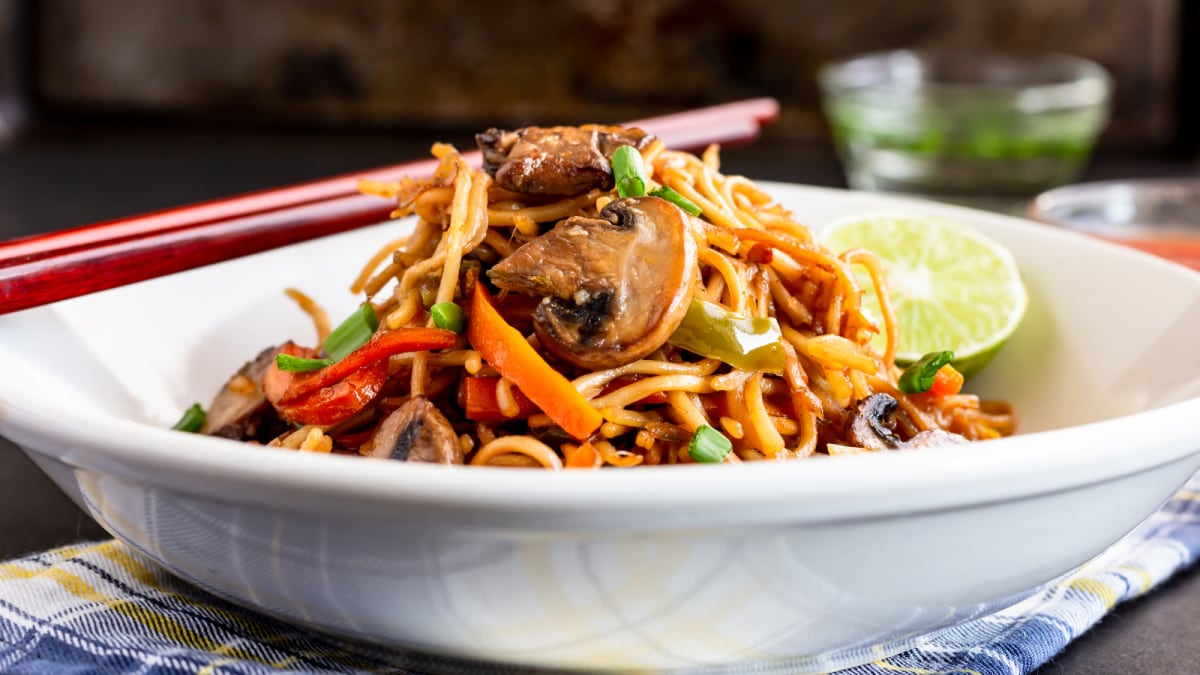
Next, add the sliced mushrooms to the pan. It is vital to cook the mushrooms on a high flame. This high heat encourages them to release their moisture and begin to caramelize, developing a slightly golden hue and a richer, deeper flavor. This process typically takes about 3 to 5 minutes. A key piece of advice here is to avoid overcrowding the pan. If you are cooking a larger batch, it is advisable to cook the mushrooms in two separate batches. Overcrowding will cause the mushrooms to steam rather than brown, resulting in a less desirable texture and flavor. Allow them space to develop that desirable sear.
Step 3: The Sauce Alchemy – Infusing the Umami and Spice
This is where the transformation into restaurant-style noodles truly begins. Once the mushrooms have softened and begun to brown, it’s time to introduce the liquid components that will weave together the complex flavor profile. Add the soy sauce, chilli sauce, a splash of vinegar, and freshly ground black pepper to the pan. If you are aiming for a spicier noodle experience, this is also the opportune moment to incorporate Schezwan sauce or chilli flakes.
Toss everything together quickly and vigorously. The goal is to coat the mushrooms evenly with the sauces, allowing them to absorb these potent flavors. The interplay of salty soy sauce, the mild heat and sweetness of the chilli sauce, the bright tang of the vinegar, and the pungent kick of black pepper creates a harmonious balance that is characteristic of expertly prepared noodle dishes. This combination delivers that coveted takeaway-style taste without requiring any obscure or complicated ingredients.
Step 4: The Grand Unification – Tossing Noodles with Flavor
With the flavor base established and the mushrooms perfectly cooked, the final act of assembly begins. Add the pre-cooked and oiled noodles directly into the pan with the mushroom and sauce mixture. Using tongs or two large spoons, gently toss everything together. It is crucial to maintain a high flame during this stage. The intense heat is what imparts that signature smoky "wok hei" flavor, a subtle char that elevates the noodles from good to exceptional. This high-heat tossing ensures that every strand of noodle is coated in the rich sauce and infused with the smoky essence.
For those who appreciate added texture and visual appeal, this is also the ideal moment to introduce optional vegetables. Thinly sliced cabbage, capsicum, or carrots can be added at this point, stir-frying briefly to retain their crispness. Finally, garnish generously with freshly chopped spring onions. Their bright, fresh flavor and crisp texture provide a delightful contrast to the richness of the noodles.
Step 5: The Culmination – Serving and Savoring
As soon as everything is evenly coated and the noodles are glistening with the flavorful sauce, switch off the heat. Serve the mushroom noodles immediately while they are piping hot. The optimal way to enjoy this dish is to savor it straight from the bowl, perhaps while nestled on your favorite couch, engrossed in a captivating film.
To further enhance the dining experience, consider adding a drizzle of chili oil for an extra layer of heat and richness, a sprinkle of toasted sesame seeds for a nutty aroma and crunch, or even a perfectly fried egg on top for an added boost of protein and a wonderfully comforting element. Pair your culinary creation with a refreshing iced tea or your favorite cocktail to complete this perfectly orchestrated lazy weekend evening. This recipe has truly become a cherished comfort ritual, effortlessly satisfying those deep-seated noodle cravings with a touch of restaurant-quality flair.
Supporting Data and Culinary Science
The success of this recipe hinges on fundamental culinary principles that contribute to flavor development and textural integrity.
- The Maillard Reaction: The browning of the mushrooms on high heat is a direct result of the Maillard reaction, a complex chemical process between amino acids and reducing sugars that creates hundreds of new flavor compounds, leading to a richer, more savory taste.
- Aromatic Volatilization: The sautéing of garlic, ginger, and chillies releases volatile aromatic compounds that are perceived by our olfactory senses, creating the initial enticing aroma that signals a delicious meal is underway.
- Acidic Balance: The addition of vinegar is crucial for balancing the savory and spicy notes of the sauce. Acidity cuts through richness, brightens flavors, and prevents the dish from tasting flat or overly heavy.
- "Wok Hei" – The Breath of the Wok: The high-heat tossing in the final stage is essential for achieving "wok hei," a desirable smoky flavor imparted by intense heat and rapid cooking in a wok. This is a hallmark of authentic stir-fried dishes.
- Noodle Hydration and Oil Coating: Proper boiling and rinsing of noodles prevent them from becoming starchy and clumpy. The oil coating ensures they remain separate and absorb the sauce evenly, contributing to a superior texture.
Official Responses and Culinary Authority
While there are no specific "official responses" to a home-cooking recipe, the enduring popularity of noodle dishes across diverse culinary traditions and the consistent appeal of simple yet flavorful recipes in food publications worldwide serve as a testament to their efficacy. Culinary experts and renowned chefs frequently emphasize the importance of quality ingredients, proper technique, and understanding flavor profiles. This recipe aligns with these core principles, offering a time-tested approach to achieving delicious results. The fact that this recipe has been refined and tested multiple times underscores its reliability and effectiveness, positioning it as a trusted guide for home cooks seeking to elevate their weekend dining experiences.
Implications for the Modern Home Cook
The implications of this mushroom noodle recipe extend beyond a single meal. It empowers the modern home cook with a versatile and efficient culinary tool.
- Time Efficiency: It demonstrates that delicious, restaurant-quality meals can be prepared quickly, making healthy and satisfying home cooking accessible even on busy weeknights or during relaxed weekends.
- Cost-Effectiveness: By preparing this dish at home, individuals can significantly reduce their expenditure compared to ordering from restaurants or frequenting takeout establishments.
- Customization and Personalization: The recipe serves as a flexible template, allowing for personalization based on individual spice preferences, dietary needs, and available ingredients. The inclusion of optional vegetables and garnishes encourages creative adaptation.
- Culinary Confidence: Successfully recreating a dish that rivals professional standards can boost a home cook’s confidence and encourage further exploration of the culinary arts.
- Mindful Eating and Wellbeing: The act of preparing one’s own food can be a meditative and rewarding experience, contributing to overall well-being and a more mindful approach to consumption. It fosters a connection to the food we eat, moving away from passive consumption towards active engagement.
In conclusion, this restaurant-style mushroom noodle recipe is more than just a collection of ingredients and instructions; it is an invitation to embrace the art of effortless indulgence. It is a testament to the fact that with a few simple steps and a handful of accessible ingredients, one can conjure a truly remarkable meal that nourishes both the body and the soul, transforming even the most languid of weekend evenings into a gourmet delight.
