

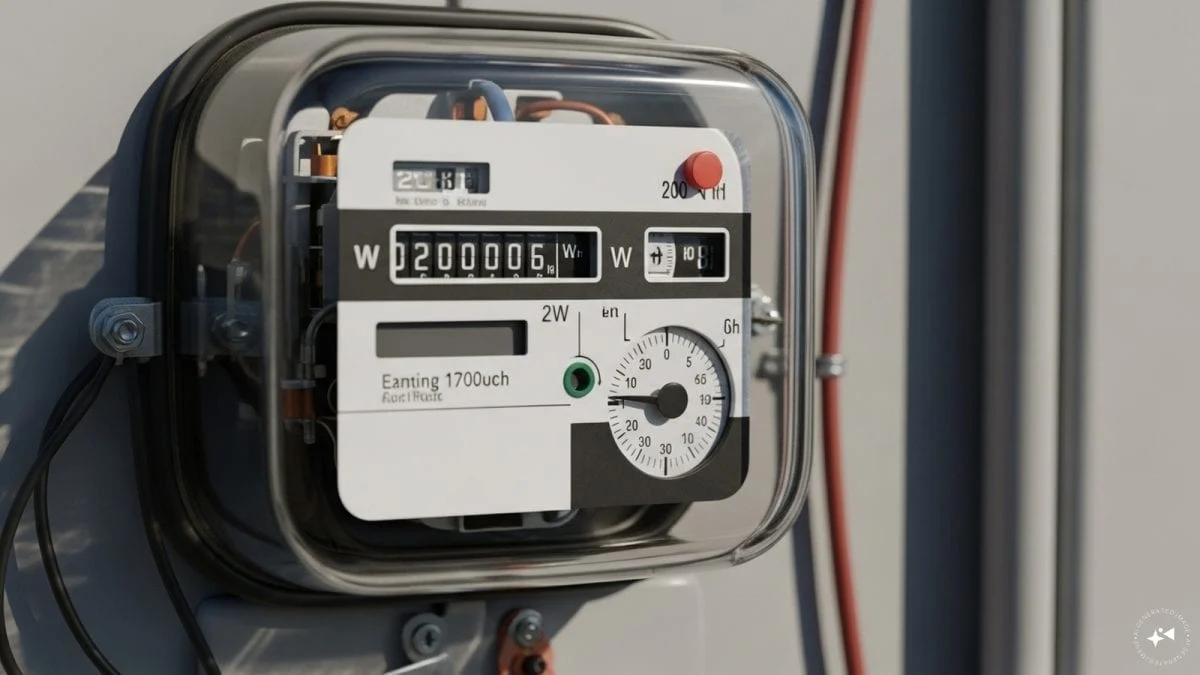
New Delhi, India – May 17, 2026 – Indian consumers, already reeling from successive price increases in essential fuels like petrol, diesel, and compressed natural gas (CNG), may soon face another financial jolt: a significant hike in their monthly electricity bills. The Central Electricity Authority (CEA) has reportedly put forth a proposal to substantially increase fixed monthly electricity charges, a move aimed at shoring up the precarious financial health of power distribution companies (discoms) but one that threatens to burden households and businesses, particularly those with lower energy consumption.
This development, first reported by the Times of India, comes at a time of heightened economic strain, exacerbated by geopolitical tensions such as the ongoing Iran-US conflict, which has contributed to volatile global energy markets. If approved by the Forum of Regulators, the proposal would decouple a larger portion of discom revenues from actual electricity consumption, meaning consumers would pay a higher baseline charge regardless of their usage, potentially making electricity a luxury for low-income households and disincentivizing energy conservation.
Main Facts: The Proposed Shift in Electricity Billing
The core of the CEA’s proposal revolves around restructuring how discoms recover their fixed costs. Currently, a significant portion of these costs, which include essential expenses like transmission infrastructure maintenance, employee salaries, network upkeep, and payments to power generators, are recovered through per-unit electricity tariffs. This model, while seemingly fair by charging more for higher consumption, exposes discoms to severe revenue fluctuations whenever electricity consumption falls.
According to the report, the CEA suggests that fixed monthly charges, which currently constitute a mere 9% to 20% of overall discom revenue, should be increased to better reflect the true proportion of fixed expenditures. These fixed expenditures are substantial, accounting for an estimated 38% to 56% of a utility’s total operational outlay. The argument is that discoms incur these fixed costs irrespective of the volume of electricity sold, as they must maintain the grid infrastructure to ensure reliable supply for all connected consumers, even those who use very little power.
The immediate consequence for consumers, particularly those with modest electricity usage, would be a noticeable increase in their monthly bills. For example, a household that conserves energy and uses fewer units might find its total bill rising because the fixed component of the charge would be higher. This could disproportionately affect lower and middle-income groups, as well as small businesses that are already struggling with rising operational costs. The proposal is currently awaiting review by the Forum of Regulators, a critical body that plays a pivotal role in shaping electricity tariff policies across the nation. Its decision will have far-reaching implications for both the financial sustainability of India’s power sector and the economic well-being of its citizens.
Chronology of Escalating Energy Costs: A Cumulative Burden
The potential electricity bill hike does not occur in isolation but rather as the latest chapter in a series of relentless price increases across the energy spectrum in India. Over the past several weeks, consumers have witnessed a steady erosion of their purchasing power due to the cumulative effect of rising fuel prices.
Recent Fuel Price Increases:
- Petrol and Diesel: In the week leading up to this report, the prices of petrol and diesel were hiked by approximately Rs 3 per litre. These increases are often attributed to fluctuating international crude oil prices, which have been particularly volatile amidst global geopolitical instabilities.
- CNG (Compressed Natural Gas): Delhi-NCR, a major urban agglomeration, experienced two separate surges in CNG rates within a short span. CNG, a cleaner and often more affordable alternative fuel for vehicles, especially public transport and commercial fleets, saw its price escalate, directly impacting daily commuting costs and the logistics sector.
These domestic price adjustments are deeply intertwined with the international crude oil market, which has been under significant pressure. The ongoing conflict between Iran and the United States, a major geopolitical flashpoint, has injected considerable uncertainty into global oil supplies and futures trading. Such conflicts tend to drive up crude oil prices as markets anticipate potential disruptions to supply routes or production capacities in key oil-producing regions.
For the average Indian consumer, this sequence of price hikes represents a significant and growing financial burden. Transport costs for commuters have risen, as have the costs of goods and services, given that logistics and manufacturing are heavily reliant on diesel and CNG. The prospect of an additional increase in electricity bills, an essential utility, adds another layer of financial stress, pushing household budgets to their breaking point. This cumulative effect raises serious questions about energy affordability and the broader inflationary environment facing the nation.
Supporting Data and Economic Rationale: Discoms’ Dilemma
The CEA’s proposal, while potentially onerous for consumers, stems from a deep-seated and persistent financial crisis plaguing India’s power distribution sector. Discoms, the utilities responsible for the last-mile delivery of electricity to homes and businesses, have historically struggled with massive losses, a situation exacerbated by structural issues and evolving consumption patterns.
The Financial Strain on Discoms:
- Fixed vs. Variable Costs: Electricity distribution involves substantial fixed costs. These include the capital expenditure for building and upgrading transmission lines, substations, and transformers, as well as operational fixed costs like employee salaries, administrative overheads, and the fixed component of payments to power generation companies for capacity charges. As highlighted by the CEA, these fixed costs constitute a staggering 38% to 56% of a utility’s total expenditure.
- Revenue Mismatch: In stark contrast, the recovery of these fixed costs through current tariff structures is inadequate. Fixed monthly charges typically account for only 9% to 20% of overall revenue. This means discoms rely heavily on per-unit energy charges to cover their fixed expenses. When consumption drops, or when high-paying consumers opt out, the revenue stream becomes insufficient to cover the fixed costs, leading to accumulated losses.
- Aggregate Technical & Commercial (AT&C) Losses: Beyond the fixed cost recovery issue, Indian discoms suffer from high AT&C losses, which combine technical losses (power lost in transmission and distribution) and commercial losses (theft, billing inefficiencies, and non-collection of dues). While significant progress has been made in some areas, the national average for AT&C losses still remains a major drain on discom finances, often exceeding 15-20% in many states, far above global benchmarks.
- Cross-Subsidization: Historically, discoms have relied on a system of cross-subsidization, where industrial and commercial consumers pay higher tariffs to subsidize residential and agricultural consumers. However, this model becomes unsustainable when high-paying consumers find alternatives.
The Impact of Renewable Energy and Captive Power:
A significant driver behind the CEA’s current proposal is the accelerating shift towards decentralized and self-generated power solutions, particularly among affluent households and industries.
- Rooftop Solar Systems: A growing number of residential consumers, especially in urban and semi-urban areas, are installing rooftop solar panels. While laudable for promoting renewable energy, this trend reduces their reliance on the grid for daily consumption, thereby lowering their per-unit electricity purchases from discoms.
- Captive Power Generation: Industries, facing high grid tariffs and seeking reliable power, are increasingly investing in captive power plants (CPPs). These facilities allow them to generate their own electricity, significantly reducing or even eliminating their dependence on discoms for bulk power supply.
- Open Access Arrangements: Large consumers also leverage "open access" provisions, allowing them to purchase power directly from generators in the open market, bypassing the local discom.
The CEA notes a critical paradox: while these consumers reduce their power purchases from discoms, they still rely on the grid for backup supply. The grid remains their safety net for cloudy days (for solar users), equipment breakdowns (for CPPs), or when market prices are unfavorable (for open access users). Discoms are therefore obligated to maintain the entire grid infrastructure, including generation, transmission, and distribution capabilities, to ensure this backup is available, even if the primary revenue streams from these consumers diminish significantly. This phenomenon, sometimes referred to as "grid defection" or "grid dependence with reduced consumption," leaves discoms with shrinking revenue bases to support increasingly underutilized but still necessary infrastructure.
The current financial model creates a vicious cycle: discoms accumulate losses, affecting their ability to invest in infrastructure upgrades, leading to poor service quality, which in turn pushes more consumers towards alternatives, further eroding the discoms’ revenue. The proposed increase in fixed charges is seen by the CEA as a necessary step to break this cycle by ensuring a stable, predictable revenue stream that better aligns with the fixed costs of maintaining a universal electricity supply.
Official Responses and Stakeholder Perspectives
The CEA’s proposal, once formally presented to the Forum of Regulators, is expected to elicit a range of responses from various stakeholders, each with their own vested interests and concerns.
1. Central Electricity Authority (CEA) and Ministry of Power:
The CEA, as the technical arm of the Ministry of Power, is likely to strongly advocate for the proposal. Their primary argument will center on the urgent need to ensure the financial viability of discoms, which is critical for the stability and growth of the entire power sector. They would emphasize that a financially healthy distribution sector is essential for:
- Grid Modernization: Funding for upgrading aging infrastructure, smart grid implementation, and integrating more renewable energy sources.
- Reliable Supply: Ensuring uninterrupted and quality power supply across all regions, including remote areas, is a fundamental obligation.
- Universal Access: Sustaining the ability to provide electricity to all citizens, including those who may not be profitable customers.
- Cost Recovery: Arguing that fixed charges represent a fairer way to recover costs incurred regardless of consumption, ensuring that those who benefit from grid availability contribute to its upkeep.
2. Power Distribution Companies (Discoms):
Discoms across India are expected to welcome the proposal wholeheartedly. For years, they have been lobbying for tariff reforms that would allow them to recover their costs more effectively. Their arguments would include:
- Mitigating Losses: A stable fixed charge revenue would significantly reduce their Aggregate Technical & Commercial (AT&C) losses and improve their balance sheets.
- Investment Capability: Improved financial health would enable them to access capital markets for necessary investments in infrastructure, technology, and service improvements.
- Fairness: They would argue that the current system is unfair, as they bear the fixed costs of maintaining the network for all consumers, including those who generate their own power but still use the grid as a backup.
- Debt Reduction: Better revenues could help discoms reduce their mounting debts, which often require state government bailouts.
3. Consumer Advocacy Groups and Residential Consumers:
These groups are anticipated to vehemently oppose the proposal, citing the already heavy burden on households. Their arguments would focus on:
- Affordability Crisis: Highlighting that the cumulative effect of fuel price hikes and potential electricity tariff increases would make essential services unaffordable for many, leading to energy poverty.
- Disproportionate Impact: Emphasizing that low-usage consumers, often from lower-income strata or those who actively conserve energy, would be unfairly penalized. The current "pay-as-you-use" principle is seen as more equitable.
- Disincentive for Conservation: Arguing that higher fixed charges would remove the incentive for consumers to conserve electricity, as their efforts to reduce consumption would have a diminished impact on their overall bill.
- Discom Inefficiency: Countering that discoms should first focus on improving their operational efficiency, reducing AT&C losses, and curbing power theft before burdening consumers with higher fixed costs.
4. Industrial and Commercial Consumers:
Their response might be mixed:
- Opponents (with captive power/open access): Industries that have invested heavily in captive power plants or use open access arrangements would likely oppose, as they already feel they are subsidizing the grid through high tariffs, and an increased fixed charge would add to their costs for a service they minimally use.
- Supporters (reliant on grid): Other industries heavily reliant on the discom grid for their primary power supply might cautiously support the move, understanding that a financially stable discom ensures reliable power, which is critical for their operations. However, they would also demand assurances of improved service quality.
5. State Governments:
State governments, who often own or heavily regulate discoms, find themselves in a tight spot. While they want their discoms to be financially healthy, they are also sensitive to public backlash, especially in an election-conscious environment. They might:
- Balance Act: Try to balance the need for discom financial stability with concerns over consumer welfare.
- Subsidies: Potentially consider providing targeted subsidies to vulnerable consumer groups to mitigate the impact of higher fixed charges, though this would add to state exchequers.
- Negotiation: Engage in negotiations with the CEA and Forum of Regulators to find a more palatable solution that spreads the burden more equitably.
The Forum of Regulators, as the independent arbiter, will have the challenging task of weighing these diverse and often conflicting perspectives before making a decision that will shape the future of India’s electricity sector and directly impact millions of lives.
Broader Implications and Future Outlook
The CEA’s proposal, if implemented, carries significant implications that extend beyond immediate bill increases, affecting the economy, social equity, and India’s long-term energy transition goals.
1. Economic Impact:
- Inflationary Pressure: An increase in electricity costs, an essential input for all economic activities, would inevitably contribute to inflationary pressures across the board. Businesses, from small shopkeepers to large manufacturers, would face higher operational costs, which would likely be passed on to consumers in the form of higher prices for goods and services.
- Impact on Small Businesses: Small and medium-sized enterprises (SMEs), often operating on thin margins, are particularly vulnerable. Increased electricity bills could significantly erode their profitability, potentially leading to closures or reduced employment.
- Foreign Investment: While a stable power sector is attractive to investors, an environment of constantly rising energy costs could also deter certain types of investment, particularly in energy-intensive industries.
2. Social Impact and Energy Equity:
- Energy Poverty: For low-income households, electricity is not just a utility but a pathway to better quality of life, education, and health. Higher fixed charges could push many into "energy poverty," where a disproportionate share of their income is spent on essential energy services, leaving less for food, education, or healthcare.
- Disincentive for Electrification: In regions still striving for universal electrification, higher fixed costs could make connecting to the grid less appealing or affordable for new consumers.
- Urban-Rural Divide: The impact could vary, with rural households often having lower consumption but also lower incomes, making them particularly sensitive to fixed charge increases.
3. Implications for Energy Transition and Renewable Adoption:
- Rooftop Solar Dilemma: The proposal aims to counter the revenue loss from rooftop solar adoption. However, if fixed charges become too high, it could paradoxically disincentivize new rooftop solar installations, as the economic benefit of reducing per-unit consumption would be diminished by the fixed cost component. This could slow down India’s ambitious renewable energy targets.
- Grid Stability vs. Decentralization: The core tension is between maintaining the financial health of the centralized grid and facilitating the growth of decentralized renewable energy. Policy needs to strike a delicate balance to ensure both thrive.
4. Policy Alternatives and Way Forward:
Rather than solely relying on fixed charge hikes, a multi-pronged approach could offer a more sustainable solution:
- Discom Efficiency Improvement: Aggressive targets and strict enforcement for reducing AT&C losses, improving billing and collection efficiencies, and curbing power theft remain paramount. Technological solutions like smart meters and analytics can play a crucial role.
- Targeted Subsidies: Instead of universal subsidies that distort pricing, direct benefit transfers or targeted subsidies to genuinely needy households could mitigate the impact of higher tariffs while allowing discoms to recover costs.
- Comprehensive Tariff Reforms: A more holistic review of tariff structures is needed, perhaps introducing dynamic pricing, time-of-day tariffs, or block tariffs that encourage conservation while ensuring discom viability.
- Government Support and Bailouts with Conditions: While bailouts are often criticized, conditional financial support from state or central governments, tied to strict performance improvement metrics for discoms, could be a necessary short-term measure.
- Innovative Business Models: Encouraging discoms to explore new revenue streams, such as offering energy efficiency services, electric vehicle charging infrastructure, or grid modernization solutions, could diversify their income.
- Regulatory Consistency: The Forum of Regulators needs to ensure a consistent and transparent regulatory framework that provides certainty for both discoms and consumers.
The CEA’s proposal highlights a critical juncture for India’s power sector. While the financial health of discoms is undeniably vital for energy security and service quality, any reform must be carefully considered to avoid placing an undue burden on consumers already grappling with a challenging economic landscape. A balanced, forward-looking policy that fosters efficiency, encourages renewables, and ensures affordability will be crucial for navigating India’s energy future. The upcoming deliberations by the Forum of Regulators will therefore be keenly watched by millions of citizens and stakeholders across the nation.
