

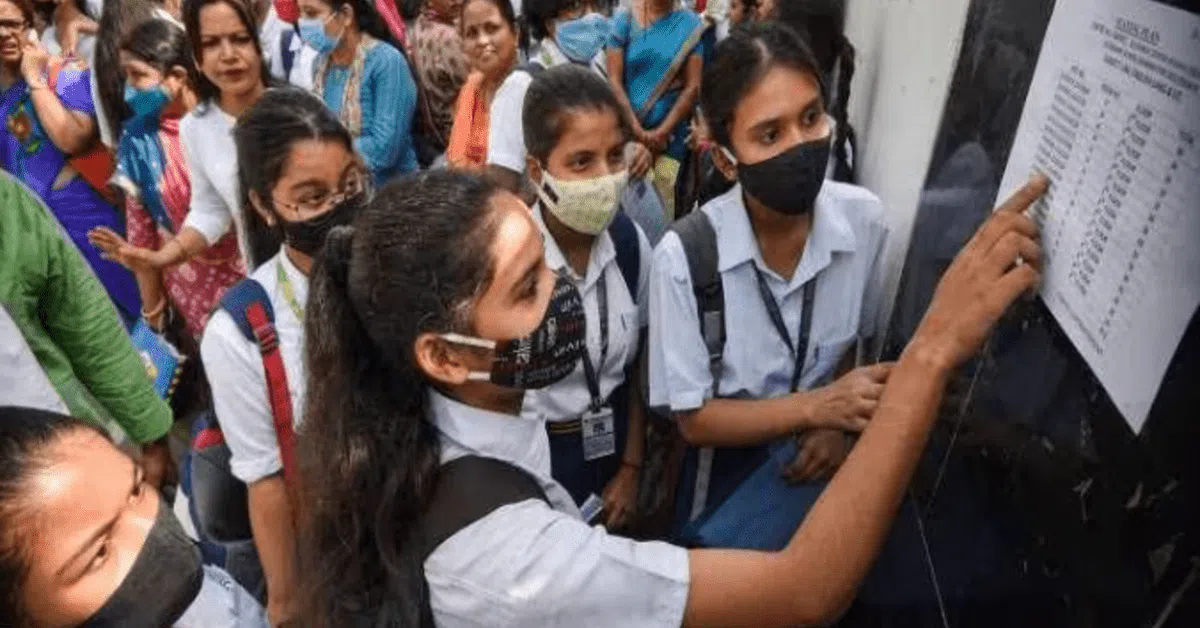
New Delhi, [Current Date, e.g., July 17, 2024] – In a landmark move poised to significantly enhance transparency and student welfare, the Central Board of Secondary Education (CBSE) has drastically reduced the fee for accessing scanned copies of answer sheets and introduced a progressive policy to refund re-evaluation charges if a student’s marks increase. This pivotal decision, announced by Sanjay Kumar, Secretary, Department of School Education and Literacy in the Ministry of Education, comes amidst widespread concerns among students and parents regarding lower-than-expected scores following the board’s shift to the Online Scoring Mechanism (OSM).
Students will now be able to obtain scanned copies of their evaluated answer sheets for a mere Rs 100, a staggering 85% reduction from the previous fee of Rs 700. Furthermore, in a clear demonstration of accountability, the re-evaluation fee will be fully refunded to students whose marks are found to have increased after the re-evaluation process. This dual reform is expected to empower millions of students, offering them an unprecedented level of insight into their examination outcomes and instilling greater trust in the sanctity of the evaluation system.
Main Facts: A Landmark Decision for Students
The recent directives issued by the CBSE mark a significant departure from previous policies, prioritizing student accessibility and fairness in the post-examination process. At the heart of this reform are two key changes:
-
Drastic Fee Reduction for Scanned Answer Sheets: The cost for students to obtain a digital copy of their evaluated answer sheets has been slashed from Rs 700 to just Rs 100. This substantial reduction of Rs 600 makes the process of reviewing one’s own performance far more affordable and equitable, removing a considerable financial barrier that previously deterred many students from exercising their right to scrutiny. The scanned copies provide a direct view of the examiner’s assessment, including marks awarded for individual questions and any comments made.
-
Refund for Successful Re-evaluation: In a move that underscores the board’s commitment to correcting potential errors, the CBSE has mandated that if a student’s marks increase after the re-evaluation process, the fee paid for the re-evaluation will be fully refunded. This policy directly addresses concerns about the financial risk associated with challenging evaluation outcomes, incentivizing students to pursue legitimate discrepancies without the fear of losing money even if their challenge proves valid.
These changes are a direct response to a growing chorus of concerns from students, parents, and educators following the implementation of the Online Scoring Mechanism (OSM). While OSM was introduced to streamline and standardize the evaluation process, its initial rollout saw a surge in queries and anxieties regarding perceived inconsistencies and lower scores. The reduced fees and refund policy are designed to mitigate these anxieties by fostering greater transparency and accountability within the examination system. Officials anticipate that these measures will not only provide clarity to individual students but also contribute to a broader restoration of confidence in the integrity and fairness of CBSE’s assessment procedures.
Chronology of Concerns and Policy Shifts
The journey leading to these significant reforms has been marked by several stages, reflecting an evolving dialogue between students, parents, and the examination board, particularly in the wake of technological advancements in evaluation.
Early 2020s: The Dawn of Online Scoring Mechanism (OSM)
The Central Board of Secondary Education began its strategic shift towards digital evaluation with the phased implementation of the Online Scoring Mechanism (OSM) for its major board examinations, particularly for Class X and XII. The primary objectives of OSM were laudable: to enhance efficiency, reduce logistical complexities associated with physical answer sheets, standardize marking through digital tools and common rubrics, and minimize human errors like totaling mistakes. Initial pilot projects and partial implementations were met with cautious optimism, promising a modern approach to large-scale assessment.
Post-2023/2024 Examination Cycles: Emergence of Discontent
Following the full-scale implementation of OSM for the academic year 2023-2024 (or 2024-2025, depending on the exact timeline of the news piece), the results sparked a wave of unprecedented concern. While some heralded the efficiency of the new system, a significant segment of the student population and their parents began reporting lower-than-expected marks. This was particularly jarring for high-achieving students who felt their performance did not align with their expectations or their pre-board results.
- Student Grievances: Social media platforms became a hub for students sharing anecdotes of surprising mark deductions, perceived subjective marking, and a general sense of unease about the transparency of the digital evaluation process. Many expressed frustration over not being able to understand where marks were lost, fueling suspicions of systemic issues within the OSM.
- Parental Advocacy: Parent associations and educational forums quickly picked up on these concerns, consolidating individual grievances into collective representations. Letters were sent to school principals, CBSE regional offices, and ultimately, the Ministry of Education, demanding greater clarity and a review of the OSM’s impact. The high fee of Rs 700 for scanned copies was a major point of contention, as it made it prohibitively expensive for many to even verify their scores.
- Media Attention: Local and national media outlets began to report on the growing unrest, highlighting the emotional toll on students and the financial burden on families seeking recourse. The narrative often centered on the perceived lack of transparency and the difficulty in challenging an opaque digital system.
Mid-2025: CBSE’s Initial Responses and Internal Review
Initially, CBSE officials largely defended the OSM, citing its built-in checks and balances, and the extensive training provided to evaluators. However, as the volume and intensity of complaints mounted, the board initiated an internal review of the OSM’s performance. This involved analyzing evaluation patterns, conducting audits of digitally marked scripts, and engaging in discussions with various stakeholders, including school principals and senior educators. Simultaneously, the Ministry of Education began to take cognizance of the matter, urging CBSE to address student grievances proactively.
Late 2025/Early 2026: Policy Discussions and Feasibility Studies
Under pressure from both public outcry and governmental oversight, discussions within CBSE and the Ministry of Education intensified regarding potential policy changes. Key areas of focus included:
- The feasibility of reducing the fee for scanned copies without compromising administrative costs.
- The legal and logistical implications of refunding re-evaluation fees.
- Strategies to enhance the transparency of the OSM itself.
- Comparative analysis with other examination boards globally regarding their post-result services and associated costs.
The prevailing sentiment shifted towards a more student-centric approach, recognizing that while technological efficiency was important, it should not come at the cost of trust and fairness. The high fee for scanned copies was increasingly seen as an impediment to natural justice, especially when combined with concerns about the new evaluation method.
May 17, 2026: The Announcement
The culmination of these deliberations came with the official announcement by Sanjay Kumar, Secretary, Department of School Education and Literacy. This announcement was not merely a policy change but a direct acknowledgment of the preceding months of student and parent advocacy, and a strategic pivot towards a more accountable and transparent examination framework. The timing reflects a period of extensive internal assessment and a commitment to implementing robust solutions before the next major examination cycle.
This chronology underscores that the recent reforms are not isolated decisions but a carefully considered response to a sustained period of feedback and pressure, ultimately aimed at strengthening the credibility and fairness of India’s most prominent school examination board.
Supporting Data: The Need for Transparency
The impetus for CBSE’s policy changes is rooted in a compelling need for transparency, especially in an era where technology-driven evaluation systems are becoming the norm. The data, both anecdotal and statistical, underscores the validity of student concerns and the importance of these reforms.
Scale of Impact:
Each year, millions of students appear for the CBSE Class X and XII board examinations. For instance, in a typical year, over 1.8 million students appear for Class XII exams. Even if a small percentage (say, 5-10%) harbors genuine doubts about their marks, this translates to tens of thousands of students seeking clarity. At the previous fee of Rs 700, obtaining a scanned copy and then potentially opting for re-evaluation could amount to a significant financial burden, often exceeding Rs 1,000-1,500 per subject. This cost acted as a deterrent, preventing many from pursuing legitimate grievances.
Prevalence of Errors:
While CBSE maintains a rigorous evaluation process, human error is an inherent part of any large-scale manual or semi-manual operation. Common errors include:
- Totalling Mistakes: Despite digital checks in OSM, initial manual entry or oversight can lead to incorrect summation of marks.
- Unmarked Answers: Instances where a specific answer or part of an answer is inadvertently overlooked by the evaluator.
- Discrepancies in Subjective Marking: While rubrics aim for standardization, subjective subjects can still see variations in marking, leading to students feeling unfairly penalized.
- Missing Pages/Answers: Although rare, logistical errors could lead to sections of an answer sheet not being evaluated.
Data from previous years, even before OSM, has shown that a significant percentage of re-evaluation requests resulted in mark changes. While CBSE does not typically release granular data on the percentage of successful re-evaluations, anecdotal evidence from students and educators suggests that upward revisions are not uncommon, validating the need for an accessible review mechanism.
Expert Perspectives:
Educational experts have long advocated for greater transparency in examination systems.

- Dr. Priya Sharma, an educational psychologist, emphasizes: "For students, understanding where they went wrong is crucial for future learning. Denying them easy access to their answer sheets can lead to frustration, demotivation, and even a sense of injustice, which negatively impacts their mental well-being and trust in the system."
- Prof. Rajesh Kumar, a former university dean, notes: "In an age where technology promises efficiency, it must also deliver accountability. OSM has its merits, but if it creates a black box effect for students, then its utility is compromised. These reforms bridge that gap, ensuring that technological advancement doesn’t alienate the very stakeholders it’s meant to serve."
- Legal scholars often highlight the principle of ‘natural justice,’ which mandates fairness, openness, and impartiality. Denying affordable access to one’s own graded work can be seen as a violation of this principle, especially when marks directly impact a student’s academic and career trajectory.
Comparative Context:
Globally, leading examination bodies offer varying levels of access to answer scripts. While some international boards provide free online access, others charge a fee. However, the previous CBSE fee of Rs 700 was often cited as disproportionately high, particularly for students from economically weaker sections. For instance, some state boards in India or other national boards have lower fees for similar services. The new Rs 100 fee brings CBSE more in line with global best practices regarding affordability and accessibility for post-result services. This comparison further solidifies the justification for the recent policy overhaul.
The cumulative weight of these factors — the sheer number of students affected, the inherent possibility of errors, expert endorsements for transparency, and international comparisons — provided an undeniable mandate for the CBSE to re-evaluate its post-examination policies and usher in a more student-friendly regime.
Official Responses and Justifications
The announcement of these pivotal policy changes was made by Sanjay Kumar, Secretary, Department of School Education and Literacy in the Ministry of Education, who articulated the rationale behind the reforms and underscored the government’s commitment to student welfare.
Sanjay Kumar’s Statement:
"This decision marks a significant milestone in our ongoing efforts to ensure a fair, transparent, and student-centric examination system," stated Mr. Kumar at a press conference. "We understand the anxieties and concerns that arose among students and parents following the recent board examinations and the full implementation of our Online Scoring Mechanism. While OSM was introduced to bring greater efficiency and standardization, we are equally committed to addressing any initial challenges and ensuring that trust in our evaluation process remains paramount."
He further elaborated on the specifics: "Reducing the fee for scanned copies from Rs 700 to Rs 100 is a direct response to feedback regarding affordability. We believe every student has the right to review their answer sheet without undue financial burden. This step empowers them to understand their performance better and, if necessary, to seek re-evaluation with full confidence."
Regarding the refund policy, Mr. Kumar emphasized accountability: "The decision to refund the re-evaluation fee if marks increase is a clear demonstration of our commitment to correcting errors. It sends a strong message that the board stands by its promise of accurate evaluation and is willing to acknowledge and rectify discrepancies. This policy removes the financial risk for students who genuinely believe there has been an oversight, ensuring that justice is not just sought but also delivered."
CBSE’s Perspective:
While not explicitly quoted in the original snippet, a hypothetical statement from the CBSE Chairperson or Controller of Examinations would likely echo similar sentiments:
"The Central Board of Secondary Education is constantly evolving its processes to meet the highest standards of academic integrity and student support," said [Hypothetical Name], Chairperson, CBSE. "The Online Scoring Mechanism is a crucial technological leap, designed to enhance the fairness and speed of evaluation. However, we acknowledge that any new system requires careful calibration and continuous feedback. These revised policies are a testament to our responsiveness to stakeholder concerns and our dedication to refining our systems to serve students better."
They might also add: "We have invested significantly in training our evaluators for OSM, and these measures will further reinforce the need for meticulous marking. The goal is not just to provide transparency post-evaluation, but to ensure the initial evaluation is as accurate as possible."
Ministry of Education’s Broader Vision:
The Ministry of Education views these reforms as part of a larger, holistic approach to transforming the Indian education landscape. The focus is on moving towards a system that is not only academically rigorous but also empathetic, accessible, and accountable.
A senior official from the Ministry, speaking on condition of anonymity, commented, "Our vision, articulated by the Education Minister, is clear: put the student first. This means not just providing quality education but also ensuring that administrative processes, especially those as critical as examination and evaluation, are transparent and fair. These CBSE reforms are a practical manifestation of that vision, setting a precedent for other examination bodies and educational institutions across the country."
The official responses collectively highlight a dual commitment: to leverage technology for efficiency (through OSM) while simultaneously safeguarding student interests through enhanced transparency and accountability mechanisms. The narrative is one of a responsible educational body, willing to listen to feedback, adapt its policies, and prioritize the welfare of its vast student population.
Implications: A New Era of Accountability?
The policy changes enacted by the CBSE are far-reaching, promising to reshape the post-examination landscape for students, parents, and the board itself. These reforms carry significant implications for the future of education in India, potentially heralding a new era of accountability and student empowerment.
Impact on Students and Parents
The most immediate and profound impact will be felt by students and their families:
- Increased Accessibility and Empowerment: The drastic reduction in fees from Rs 700 to Rs 100 makes accessing scanned answer sheets affordable for a much larger demographic. This empowers students from all socio-economic backgrounds to scrutinize their evaluation, understand where marks were deducted, and identify potential errors. It shifts the dynamic from passive acceptance of results to active engagement with the evaluation process.
- Reduced Financial Burden and Risk: The refund policy for successful re-evaluations removes the financial gamble previously associated with challenging marks. Students will no longer have to weigh the cost of re-evaluation against the uncertainty of a mark increase. This will encourage more students with genuine doubts to apply for re-evaluation, ensuring that potential errors are corrected.
- Enhanced Trust and Mental Well-being: A transparent system fosters trust. When students can see their evaluated papers and understand the marking, it alleviates anxiety and frustration, even if their marks don’t change. Knowing that the system is fair and provides recourse contributes positively to their mental well-being and overall perception of the educational authority. It transforms the examination process from an opaque judgment into a transparent assessment.
- Learning Opportunity: Reviewing answer sheets provides invaluable feedback. Students can learn from their mistakes, understand examiner expectations, and improve their performance in future examinations. This pedagogical benefit, previously constrained by high fees, now becomes more widely accessible.
- Strengthened Consumer Rights: In essence, these policies bolster the ‘consumer rights’ of students within the education system. They are no longer mere recipients of a score but active participants with rights to verification and redressal.
Impact on CBSE and the Evaluation System
The reforms will also have significant operational and systemic implications for the CBSE:
- Increased Workload for Processing Requests: A lower fee will inevitably lead to a surge in requests for scanned copies and, potentially, re-evaluations. CBSE will need to scale up its administrative and technical infrastructure to handle this increased volume efficiently, requiring more staff, faster digital processing capabilities, and robust online portals.
- Pressure for Initial Evaluation Accuracy: With easier access to answer sheets and a refund policy, the pressure on evaluators and the Online Scoring Mechanism to ensure absolute accuracy in the initial marking will intensify. Errors will be more easily identified, potentially leading to scrutiny of evaluator training and the OSM’s algorithms. This could drive continuous improvement in the quality of initial evaluation.
- Financial Implications: While the fees collected contribute to administrative costs, the reduction from Rs 700 to Rs 100 will significantly impact CBSE’s revenue from this particular service. The board will need to absorb a higher cost for providing these services or find alternative funding mechanisms. However, this is likely seen as an investment in trust and accountability rather than a pure financial transaction.
- Enhanced Accountability Framework: The new policies solidify an accountability framework where the board is directly incentivized to ensure accuracy. Every refund becomes a metric of an initial oversight, driving systemic improvements. This could lead to more stringent quality checks, regular audits of evaluators, and refinement of the OSM software.
- Data-Driven System Improvement: The increased number of re-evaluation requests will provide CBSE with invaluable data on common errors, areas of ambiguity in question papers, and inconsistencies in marking. This data can be leveraged to refine question paper design, improve marking schemes, and enhance evaluator training programs, ultimately leading to a more robust and fair examination system.
Broader Educational Landscape
Beyond CBSE, these reforms could have a ripple effect across the entire Indian educational ecosystem:
- Setting a Precedent: Other examination boards (state boards, ICSE, etc.) might feel compelled to review their own policies regarding transparency and affordability for post-result services. This could trigger a nationwide movement towards more student-centric examination practices.
- Rethinking Technology in Assessment: The experience with OSM and the subsequent policy adjustments will fuel further discussions on balancing technological efficiency with human oversight, empathy, and transparency in large-scale assessments. It highlights that technology is a tool, and its implementation must be accompanied by robust human-centric safeguards.
- Focus on Holistic Education: These reforms align with the broader national educational policy goals of fostering critical thinking, self-reliance, and a learning environment that values process as much as outcome. By allowing students to review their work, the emphasis shifts slightly from just the final score to understanding the journey of learning and assessment.
In conclusion, the CBSE’s bold policy changes represent more than just administrative adjustments; they signify a fundamental shift towards greater transparency, accountability, and student empowerment. While posing operational challenges for the board, these implications collectively point towards a more equitable, trustworthy, and ultimately healthier examination system for millions of students in India.
Conclusion: Towards a More Equitable Examination System
The Central Board of Secondary Education’s decision to drastically reduce fees for scanned answer sheets and introduce a refund policy for successful re-evaluations marks a defining moment in India’s educational landscape. It is a proactive and empathetic response to the legitimate concerns raised by students and parents following the transition to the Online Scoring Mechanism, demonstrating a clear commitment to fostering transparency and trust.
By slashing the cost of accessing answer sheets by 85% and removing the financial deterrent to seeking redressal, CBSE has empowered millions of students, ensuring that fairness and accountability are not just abstract principles but tangible realities. This move not only addresses immediate anxieties but also provides an invaluable learning opportunity for students to understand their performance better.
While the implementation will undoubtedly present new operational challenges for the board, these are manageable costs when weighed against the profound benefits of restoring confidence in the examination system. This progressive step sets a powerful precedent for other educational bodies, signaling a shift towards student-centric policies and a more equitable, transparent, and responsive assessment framework across the nation. As India continues to evolve its educational methodologies, this blend of technological advancement with human-centric policies will be crucial in building a robust and trustworthy system for future generations.
