

MADURAI – In a city where the culinary identity is deeply anchored in the aromatic heritage of kari dosas, the flaky texture of parottas, and the pungent spices of Chettinad cuisine, a new gastronomic movement is taking root. Madurai, often referred to as the "Temple City" and the "Athens of the East," has long been a bastion of traditional South Indian flavors. However, Phil’s Bistro, located in the burgeoning neighborhood of KK Nagar, is currently challenging the local palate with its ongoing Thai Food Festival, a curated event that seeks to bridge the gap between the Bay of Bengal and the Gulf of Thailand.
Led by founder Philip Abraham, the festival is more than just a temporary menu addition; it represents a sophisticated attempt to diversify the dining landscape of a Tier-2 Indian city. By focusing on authenticity through imported ingredients and traditional cooking techniques, the bistro is introducing locals to the complex, four-pillared flavor profile of Thai cuisine: sweet, sour, salty, and spicy.
Main Facts: Redefining the Madurai Palate
The Thai Food Festival at Phil’s Bistro arrives at a time when Indian diners are increasingly seeking global experiences within their own zip codes. While metropolitan hubs like Chennai and Bangalore have long enjoyed a plethora of Pan-Asian options, Madurai has remained relatively insulated, focusing on its world-renowned street food and traditional messes.
Philip Abraham identified this vacuum in the market. "Madurai is still very new to Thai cuisine," Abraham noted during the festival’s launch. "The challenge isn’t just about cooking the food; it’s about sourcing the soul of the dish." To maintain the integrity of the flavors, the bistro has opted to import essential sauces, curry pastes, and specific seasonings that are not readily available in local markets. This commitment to authenticity ensures that the Tom Yum served in Managiri carries the same lemongrass and galangal punch as one might find in a Bangkok street stall.
The festival features a comprehensive menu that spans the entire Thai dining experience, from light, aromatic soups and crisp appetizers to hearty curries and innovative desserts. With a meal for two priced at approximately ₹1,500, the bistro is positioning itself as an accessible "premium casual" destination, targeting the city’s growing middle class and young professionals who are well-traveled and eager for variety.
Chronology: From Concept to Kitchen
The journey of the Thai Food Festival began several months ago, born from a desire to push the boundaries of what Phil’s Bistro could offer. The establishment, already known for its wholesome approach to international comfort food, sought to create a seasonal event that would stand out in Madurai’s crowded food scene.
Phase 1: Sourcing and Logistics
The primary hurdle was the supply chain. Thai cuisine relies heavily on fresh aromatics like kaffir lime leaves, bird’s eye chilies, and Thai basil, as well as fermented components like shrimp paste and high-quality fish sauce. Throughout the early months of 2026, the management established ties with importers to ensure a steady supply of these perishables and pantry staples.
Phase 2: Menu Development
The culinary team at Phil’s Bistro spent weeks refining the recipes. The goal was to balance the "authentic" with the "approachable." For a population used to the heavy, oil-based richness of local mutton curries, the lighter, coconut-milk-based Thai curries required a careful introduction. The menu was distilled down to "staples" that represent the best of Thailand—ensuring that every dish served was a quintessential example of its category.
Phase 3: The Launch
The festival opened its doors in April 2026, coinciding with a period where the local dining public often looks for refreshing alternatives to the heavy summer heat. The response was immediate, with the bistro’s small, intimate space in Managiri seeing a steady stream of curious food enthusiasts and expatriates living in the city.
Supporting Data: A Deep Dive into the Menu
The success of the Thai Food Festival lies in its execution. The menu is structured to take the diner on a sensory journey through Southeast Asia.
The Aromatic Foundations: Soups and Starters
The festival offers two distinct soup experiences that showcase the versatility of Thai broths. The Tom Yum—available with chicken or prawn—is a masterclass in the balance of acidity and heat. It serves as a palate cleanser, waking up the taste buds with its clear, spicy-sour profile. In contrast, the Tom Kha soup provides a velvety alternative, utilizing coconut milk to mellow the ginger-like bite of galangal.
Among the starters, the "Shrimp in a Blanket" has emerged as a crowd favorite. This dish requires technical precision: whole shrimps are seasoned, wrapped in a thin pastry sheet, and deep-fried. The result is a textural contrast—a shattering crispness on the outside that gives way to a succulent, tender interior. For vegetarians, the Thai-style tofu offers a similar play on textures, proving that Thai cuisine is exceptionally friendly to plant-based diets.
The Heart of the Meal: Curries and Woks
The main course is anchored by the Massaman Curry. Historically influenced by Persian flavors, Massaman is often cited as the "king of curries" for its mild, nutty, and deeply aromatic profile. At Phil’s Bistro, this curry is served with a richness that complements the local preference for hearty gravies, yet remains distinctly Thai through the use of star anise, cinnamon, and roasted peanuts.
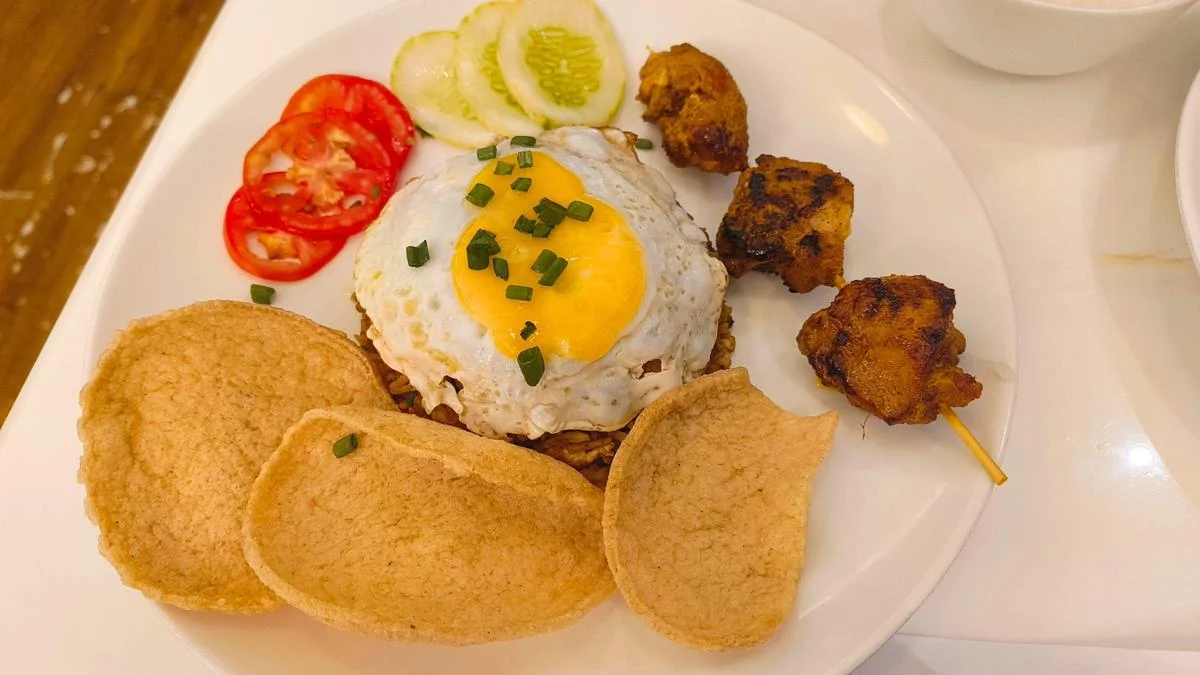
The Nasi Goreng, while technically of Indonesian/Malay origin, is included as a staple of the broader Southeast Asian experience. The bistro’s version is a visual and flavorful feast, served with keropok (Thai crackers), a signature half-boiled egg with a runny yolk, and fresh vegetable garnishes. This dish particularly resonates with the Madurai crowd, who have a deep-seated love for fried rice but find the seafood-heavy, umami-rich Thai version a refreshing departure from the usual Indo-Chinese fare.
The Sweet Conclusion: Thermal Contrasts
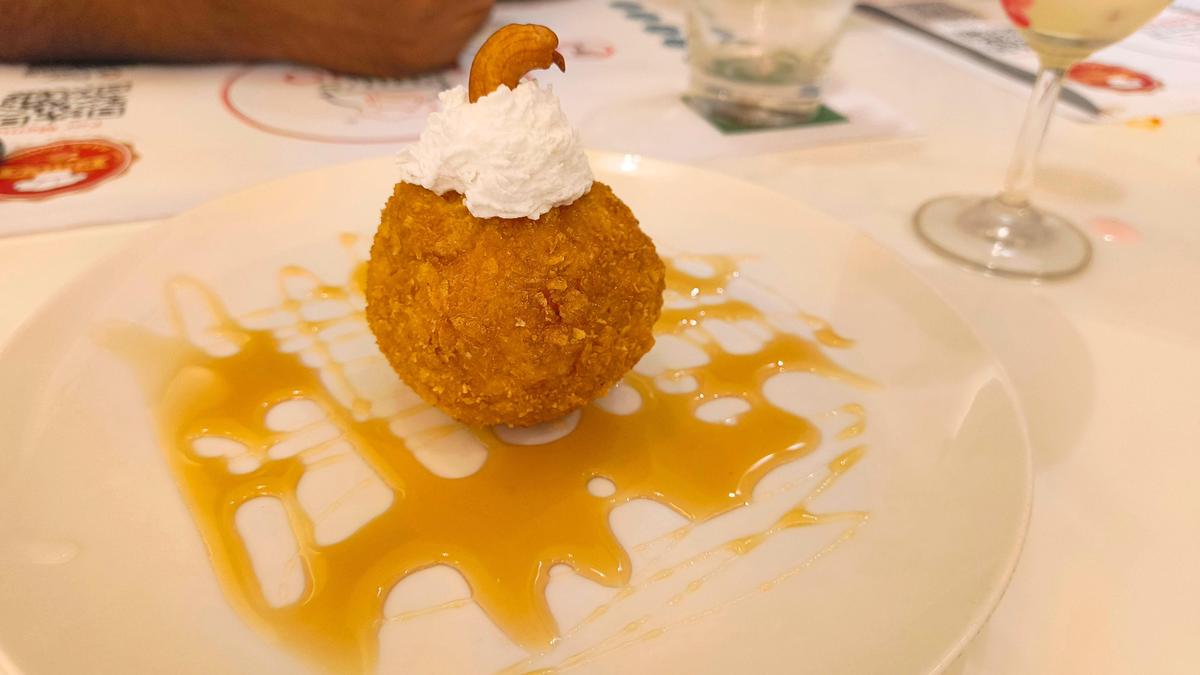
The dessert menu features two extremes. The Tub Tim Krob, or "Red Rubies," consists of water chestnuts soaked in grenadine, coated in tapioca flour, and served in chilled coconut milk. It is a dish designed for the Madurai summer—light, cooling, and not overly sweet. For those seeking indulgence, the "Fried Ice Cream" offers a theatrical end to the meal, featuring a hot, crunchy breaded shell that protects a frozen core of vanilla ice cream, creating a "fire and ice" sensation on the tongue.
Official Responses: The Visionary’s Perspective
Philip Abraham’s approach to the festival is rooted in a philosophy of culinary education. By bringing these flavors to KK Nagar, he is not just selling food; he is expanding the city’s cultural vocabulary.

"We didn’t want to ‘Indianize’ the dishes too much," Abraham explained. "There is a tendency in smaller cities to make everything taste like a variation of local masala. We resisted that. If a dish is meant to be sour, it is sour. If it needs the pungency of imported fish sauce, we use it. Our customers in Madurai are evolving; they appreciate the honesty of the ingredients."
Staff at the bistro have also been trained to guide diners through the menu, explaining the significance of ingredients like lemon grass and the difference between various curry bases. This "guided dining" approach has helped demystify Thai food for first-time visitors, ensuring that the bistro remains a welcoming space rather than an intimidating one.
Implications: Madurai’s Changing Food Landscape
The Thai Food Festival at Phil’s Bistro is a microcosm of a larger trend occurring across India’s Tier-2 cities. As digital connectivity increases and the "foodie" culture of social media permeates every corner of the country, the demand for authentic international cuisine is no longer restricted to Mumbai, Delhi, or Bangalore.
1. The Decentralization of Fine Dining
The fact that a small bistro in Managiri can successfully run a festival requiring imported ingredients suggests that the logistics of "luxury" food are becoming more decentralized. Madurai is proving that it can sustain a niche market for international flavors, provided the quality is maintained.
2. Economic and Cultural Growth
A meal for two at ₹1,500 places Phil’s Bistro in the aspirational category for many locals. The success of such ventures indicates a growing disposable income within the city and a shift in spending habits—from traditional celebrations to experiential dining.
3. Culinary Diversification
For Madurai, this festival marks a departure from its "Idli-Dosa" stereotype. While the city will always be the capital of South Indian street food, the inclusion of authentic Thai, Japanese, or Mediterranean flavors in the local ecosystem adds a layer of cosmopolitanism. It prepares the city for a future where it can be a global tourist destination not just for its temples, but for its diverse culinary offerings.
4. Setting a Benchmark
The insistence on imported pastes and sauces sets a high bar for other restaurateurs in the region. It moves the conversation away from "fusion" (which often results in a loss of identity for both cuisines) toward "authenticity," encouraging a more respectful and accurate representation of global cultures.
In conclusion, Phil’s Bistro is doing more than just serving Pad Thai and Tom Yum; it is fostering a new era of culinary curiosity in Madurai. As the festival continues, it stands as a testament to the idea that no matter how deep a city’s traditions run, there is always room at the table for something new, something zesty, and something authentically global.
