

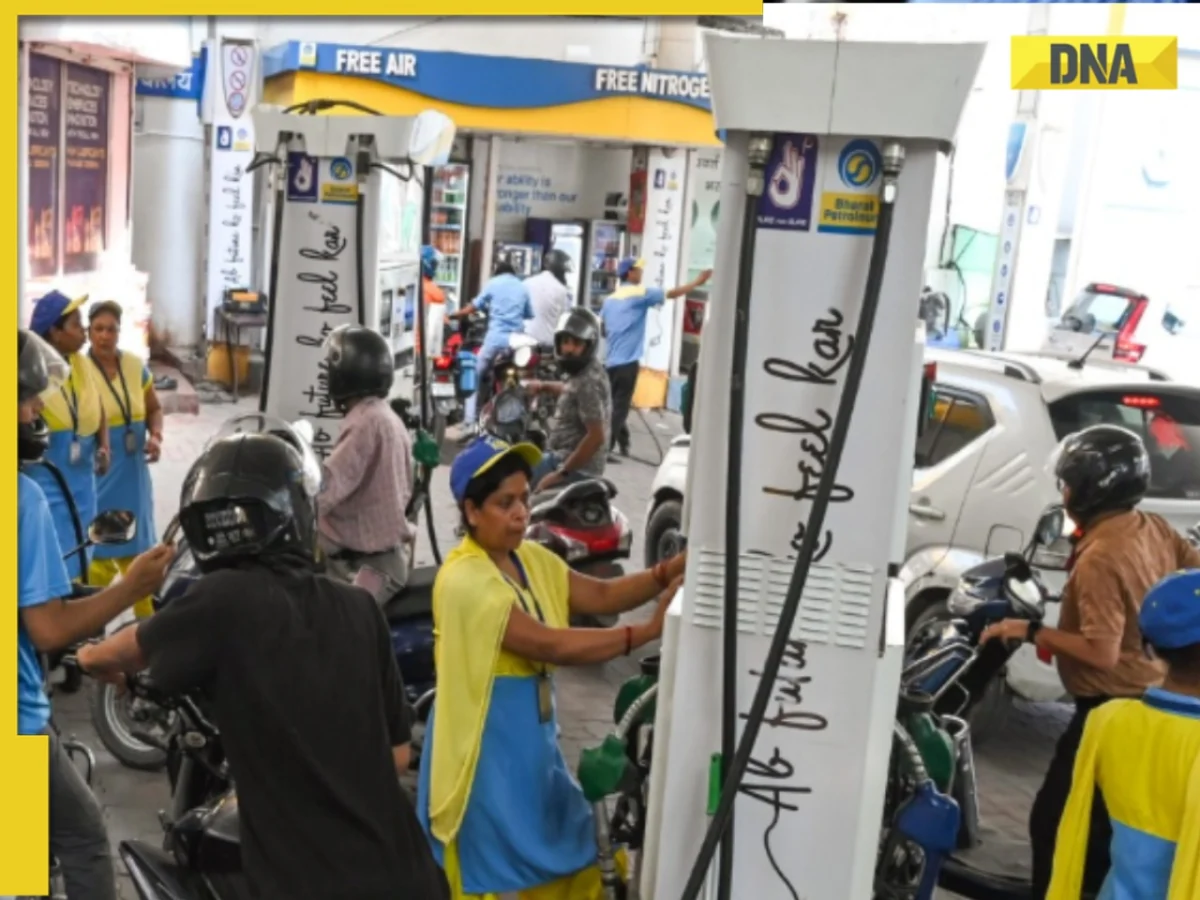
New Delhi, [Insert Current Date, e.g., May 19, 2026] – Indian consumers are bracing for yet another blow to their household budgets as fuel prices have witnessed a significant, uniform hike across the nation. For the second time within a single week, and following a substantial Rs 3 per litre increase just days prior, petrol and diesel rates have soared, adding to inflationary pressures and sparking widespread concern among citizens and businesses alike. The latest revision, ranging from a few paise to over Re 1 per litre in various regions, is a direct consequence of oil marketing companies (OMCs) adjusting rates in response to a volatile global crude oil market, increasingly impacted by intensifying geopolitical tensions in West Asia.
The successive price adjustments underscore the precarious balance India maintains between shielding its vast consumer base from global energy shocks and ensuring the financial viability of its state-owned fuel retailers. With global crude benchmarks like Brent crude once again breaching the critical USD 100 per barrel mark, the country, heavily reliant on oil imports, finds itself navigating a complex economic landscape where international conflicts directly translate into domestic financial burdens.
Main Facts: The Immediate Impact of the Latest Hike
The recent surge in fuel prices marks a critical juncture for India’s economy, already grappling with various domestic and international headwinds. The nationwide increase, implemented uniformly by oil marketing companies, has pushed petrol and diesel prices to new highs in many urban centres, prompting renewed discussions about energy security, inflation, and government policy.
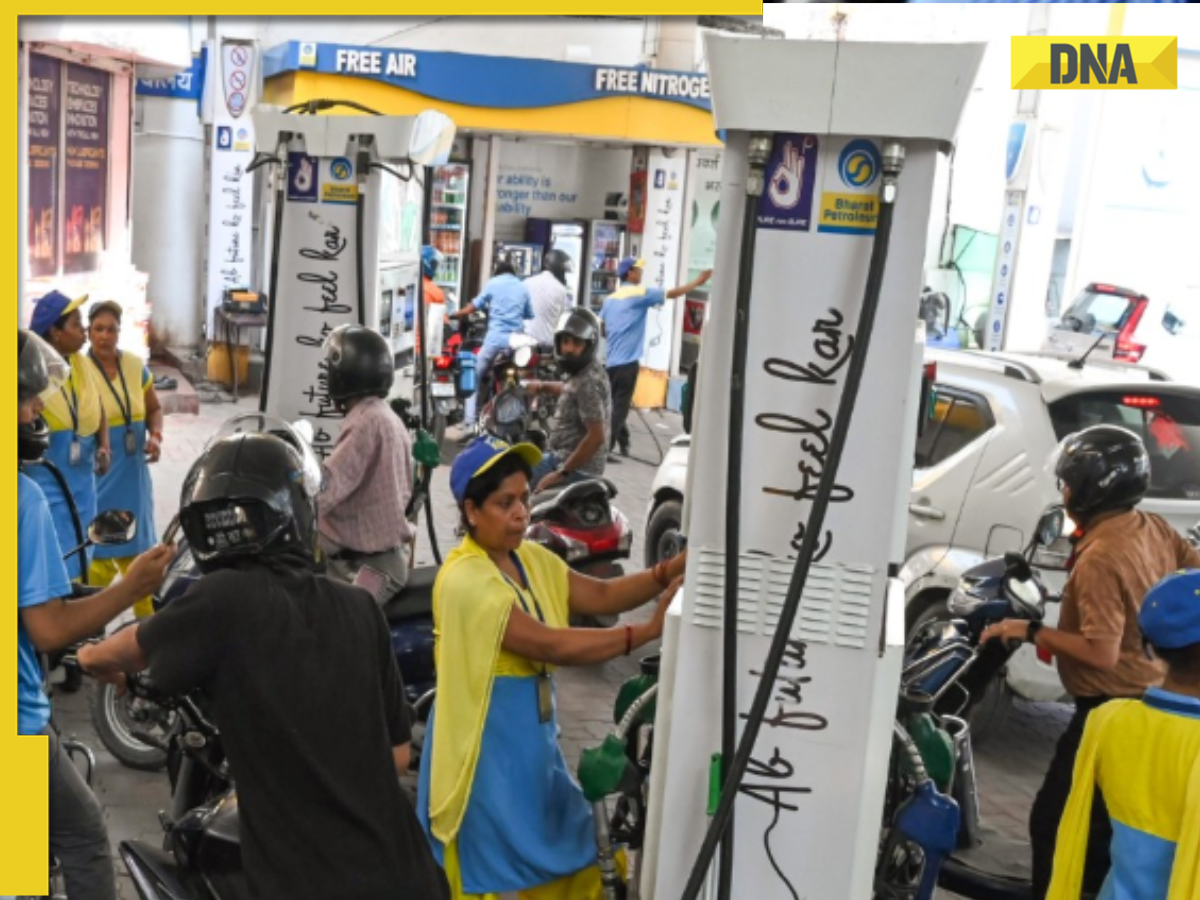
This is not an isolated incident but rather the second significant upward revision within a very short span. Just days before this latest announcement, consumers had already absorbed a Rs 3 per litre hike, setting a precedent for what appears to be a period of sustained price volatility. The cumulative effect of these rapid increases is substantial, placing an undeniable strain on individual finances and operational costs for businesses across all sectors.
From the daily commuter relying on two-wheelers and personal cars to the vast logistics networks powering the nation’s supply chains, the impact is immediate and pervasive. Every sector, from agriculture to manufacturing and services, bears the brunt of elevated transportation costs, which inevitably translate into higher prices for goods and services. This inflationary spiral risks eroding purchasing power and potentially slowing down economic recovery and growth momentum.
The underlying cause, as articulated by industry experts, points directly to the escalating tensions in West Asia. This region, a vital artery of global crude oil supply, has become a focal point of geopolitical instability, creating a "fear premium" in international oil markets. The uncertainty surrounding supply chains and potential disruptions to critical maritime routes has driven crude prices upwards, leaving Indian OMCs with little choice but to pass on a portion of these increased costs to consumers. While the government has reiterated its commitment to managing these challenges, the current scenario highlights India’s inherent vulnerability as a major oil importer to global energy market fluctuations.
)
Chronology of Recent Hikes: A Week of Rising Costs
The current fuel price hike is not an isolated event but rather the latest in a rapid succession of increases that have characterised the past week. This period marks a stark departure from the relative price stability observed in preceding months, thrusting fuel costs back into the national economic discourse.
The initial significant jolt came just a few days ago, when oil marketing companies announced a substantial Rs 3 per litre hike across both petrol and diesel. This move, which was itself a significant adjustment, was attributed at the time to the initial tremors of escalating global crude prices and the need to address mounting under-recoveries for retailers. Consumers had barely begun to adjust to this new baseline when the second, equally impactful, revision was declared.
This latest hike, varying from a few paise to over Re 1 per litre depending on the location, effectively compounds the financial burden. Within a span of less than seven days, the cumulative increase has been substantial, fundamentally altering the cost landscape for transportation and, by extension, for a wide array of goods and services. For instance, in cities where the current hike added Re 1 or more, the total increase over the week has been over Rs 4 per litre. This rapid escalation has caught many off guard, prompting a scramble for budget adjustments among households and businesses.

Prior to this turbulent week, fuel prices in India had largely remained stable for an extended period, a stability often attributed to government interventions, including periodic adjustments to excise duties, and a more benign international crude oil environment. This period of calm, however, now appears to have ended decisively. The shift reflects a renewed alignment of domestic retail prices with the elevated global crude benchmarks, signalling that OMCs are under significant pressure to mitigate their losses and restore profitability. The rapid succession of these hikes underscores the immediate and acute nature of the challenges posed by the volatile international oil market, making it clear that the era of price stability might be temporarily on hold.
Supporting Data: The Numbers Behind the Surge
The recent fuel price adjustments are not arbitrary; they are meticulously calculated responses to a complex interplay of international market dynamics, domestic taxation policies, and the operational realities of oil marketing companies. A closer look at the numbers reveals the multi-faceted nature of this challenge.
City-wise Price Breakdown: A Snapshot of Impact
The uniform increase implemented by OMCs still results in varying retail prices across cities due to differences in state-level taxation (Value Added Tax or VAT) and local levies. The latest figures illustrate this regional disparity:
)
Petrol Prices (per litre, with latest increase in parentheses):
- New Delhi: Rs 98.64 (+0.87)
- Kolkata: Rs 109.70 (+1.00)
- Mumbai: Rs 107.59 (+0.91)
- Chennai: Rs 104.46 (+0.79)
- Gurgaon: Rs 99.29 (+0.82)
- Noida: Rs 98.91 (+1.15)
- Bangalore: Rs 107.12 (+0.95)
- Bhubaneswar: Rs 105.09 (+0.52)
- Chandigarh: Rs 98.10 (+0.83)
- Hyderabad: Rs 111.88 (+0.99)
- Jaipur: Rs 109.32 (+1.71)
- Lucknow: Rs 98.40 (+0.68)
- Patna: Rs 110.02 (+1.10)
- Thiruvananthapuram: Rs 111.71 (+1.10)
Diesel Prices (per litre, with latest increase in parentheses):
- New Delhi: Rs 91.58 (+0.91)
- Kolkata: Rs 96.07 (+0.94)
- Mumbai: Rs 94.08 (+0.94)
- Chennai: Rs 96.11 (+0.86)
- Gurgaon: Rs 91.80 (+0.86)
- Noida: Rs 92.21 (+1.22)
- Bangalore: Rs 95.04 (+0.94)
- Bhubaneswar: Rs 96.68 (+0.57)
- Chandigarh: Rs 86.09 (+0.84)
- Hyderabad: Rs 99.95 (+0.99)
- Jaipur: Rs 94.50 (+1.60)
- Lucknow: Rs 91.73 (+0.72)
- Patna: Rs 96.05 (+1.08)
- Thiruvananthapuram: Rs 100.60 (+1.22)
The variations in the magnitude of the hike, for instance, Noida seeing a +1.15 for petrol and +1.22 for diesel, while Bhubaneswar registered a lower +0.52 for petrol and +0.57 for diesel, highlight how localised tax structures influence the final consumer price and the immediate impact of the OMCs’ uniform base rate adjustments. Jaipur, notably, experienced the highest increase for both petrol (+1.71) and diesel (+1.60), indicating that the state’s tax component might be amplifying the base hike.
)
Global Crude Oil Prices: The Primary Driver
At the heart of India’s domestic fuel price hikes lies the relentless climb in international crude oil prices. Brent crude, the global benchmark, has now firmly established itself above the critical USD 100 per barrel mark. This threshold is significant, as it often triggers alarm bells for major importing nations like India. The last time crude prices consistently hovered at or above this level, it led to considerable economic strain and inflationary pressures worldwide.
For India’s OMCs – predominantly state-owned entities like Indian Oil Corporation (IOC), Bharat Petroleum Corporation Limited (BPCL), and Hindustan Petroleum Corporation Limited (HPCL) – high crude prices translate directly into increased import costs. When retail prices are not adjusted commensurately, these companies face what is known as "under-recovery." This term refers to the difference between the cost of procuring, refining, and distributing fuel, and the regulated or market-determined price at which it is sold to consumers. A sustained period of under-recovery severely impacts the OMCs’ profitability, balance sheets, and their capacity for future investments. The current scenario indicates that the Rs 3 per litre hike, and even the latest increase, are deemed insufficient by the industry to fully bridge this growing under-recovery gap, especially with Brent crude soaring past $100 per barrel.
Forex Rates: The Hidden Variable
Adding another layer of complexity is the exchange rate between the Indian Rupee (INR) and the US Dollar (USD). Since crude oil is predominantly traded in dollars, a weakening rupee makes imports more expensive, even if global crude prices remain stable. Conversely, a stronger rupee can provide some relief. In recent times, the rupee has faced its own set of pressures from global economic uncertainties and capital outflows, contributing to the overall cost of crude imports. This forex volatility acts as a silent multiplier, amplifying the impact of rising international crude prices on India’s import bill and subsequently, on retail fuel prices.
)
Taxation: The Government’s Share
A significant portion of the retail price of petrol and diesel in India comprises central excise duty and state-specific Value Added Tax (VAT). These taxes are crucial revenue sources for both the central and state governments. While they contribute to funding public services and infrastructure, they also mean that even a small increase in the base price of crude oil can be magnified at the pump, as a percentage-based VAT adds to the total. Historically, governments have occasionally cut excise duties or VAT to cushion consumers from steep price hikes, but such decisions involve trade-offs with fiscal revenues. The current tax structure ensures that any rise in the base cost of fuel significantly impacts the final price paid by consumers.
The Geopolitical Crucible: Why Prices Are Soaring
The underlying reasons for the current spike in fuel prices are deeply entrenched in the turbulent geopolitical landscape, particularly in West Asia. This region, a critical hub for global oil production and trade, has become a hotbed of conflicts, directly impacting energy markets worldwide.
West Asia Tensions: A Region on Edge
The "ongoing conflict in West Asia" refers to a complex web of rivalries and flashpoints that have escalated significantly in recent months. Specifically, the "US-Israel and Iran conflict that began on February 28 this year" has introduced a new level of volatility. This conflict, encompassing proxy confrontations, maritime incidents, and threats of direct military engagement, has a profound impact on market sentiment. Traders and investors react to these tensions by factoring in a "risk premium" into oil prices, anticipating potential disruptions to supply.
)
The mechanism by which these conflicts affect oil prices is multi-fold:
- Supply Disruptions: Actual or perceived threats to oil production facilities or pipelines in the region can immediately send prices soaring. Even the threat of disruption is often enough to create panic buying and speculation.
- Shipping Risks: The region encompasses vital maritime chokepoints. Any threat to shipping lanes increases insurance costs for tankers and creates delays, reducing the effective supply reaching global markets.
- Strategic Importance: Several West Asian nations involved in the conflict are among the world’s leading fuel suppliers. Instability in these countries directly jeopardizes a significant portion of global oil output.
The Strait of Hormuz: A Global Chokepoint
A particularly critical flashpoint mentioned is the "disruptions and blockades near the Strait of Hormuz." This narrow waterway, situated between the Persian Gulf and the Gulf of Oman, is arguably the world’s most strategically important oil transit chokepoint. Approximately one-fifth of the world’s total petroleum liquids consumption, and nearly one-third of all seaborne-traded oil, passes through this strait.
Any threat to free navigation through the Strait of Hormuz has immediate and severe repercussions for global energy security. Blockades or military confrontations in this area would not only disrupt a massive volume of crude oil and liquefied natural gas (LNG) shipments but also trigger an extreme surge in prices due to the sheer scale of the potential supply shock. The mere mention of disruptions near this strait is enough to send a ripple of anxiety through global energy markets, manifesting as higher prices.
)
Beyond the immediate conflict, the broader dynamics involving OPEC+ (Organization of the Petroleum Exporting Countries and its allies) also play a role. Their collective decisions on production quotas, influenced by geopolitical considerations and market demand, can further amplify or mitigate the impact of regional conflicts. If OPEC+ decides to maintain or reduce production amidst rising tensions, the upward pressure on prices intensifies.
Global Energy Crisis: A Broader Context
The West Asian tensions are unfolding against a backdrop of a broader "global energy crisis." While the immediate conflict is a significant catalyst, other factors have contributed to the tightness in global energy markets:
- Post-Pandemic Demand: The rebound in global economic activity post-COVID-19 pandemic led to a surge in energy demand that supply struggled to keep pace with.
- Underinvestment in Upstream: Years of underinvestment in oil and gas exploration and production, partly due to energy transition goals, have limited the ability of producers to quickly ramp up supply.
- Supply Chain Issues: Global supply chain disruptions have affected the timely delivery of equipment and materials needed for energy production and refining.
- Energy Transition Policies: While crucial for long-term sustainability, the push for renewable energy in some regions has led to a reduction in fossil fuel infrastructure investment without a fully mature renewable grid to compensate, creating short-term energy security challenges.
- Strategic Petroleum Reserves: Depletion of strategic petroleum reserves by major economies to combat earlier price spikes has reduced the buffer available to absorb future shocks.
Together, these factors create a highly sensitive market where geopolitical events, like those in West Asia, can have an outsized impact, pushing prices higher and creating volatility that reverberates across the globe, including in India.
)
Official Responses and Industry Perspectives
The escalating fuel prices have naturally elicited responses from both governmental bodies and industry experts, each offering their perspective on the causes, current situation, and potential future trajectory.
Government Stance: Assurance Amidst Pressure
The Indian government has, through its official channels, sought to reassure the public amidst rising concerns. A key message reiterated is that "India has sufficient fuel reserves and there is no shortage of petroleum products in the country." This assurance is critical for maintaining public confidence, indicating that while prices may be high, the country is not facing an immediate scarcity of supply. India has built strategic petroleum reserves precisely to buffer against such global disruptions, and their current status is intended to convey stability in supply.
Furthermore, the government has taken credit for "keeping the fuel price hike limited to Rs 3 per litre despite rising global crude oil prices, saying the move has helped protect consumers from a sharper impact." This highlights a deliberate policy decision to absorb a portion of the international price increase, at least initially, rather than passing on the full burden to consumers. The aim is to mitigate the immediate inflationary shock and protect household budgets from even steeper increases. However, this policy comes at a cost, as it implies that "oil companies continue to face financial pressure" by not being able to fully recover their costs. The government thus walks a tightrope, balancing consumer welfare with the financial health of its state-owned enterprises. Future interventions, such as further cuts in excise duty or subsidies, remain possibilities, but would entail significant fiscal implications.
)
Oil Marketing Companies (OMCs): The Burden of Under-recovery
The state-owned Oil Marketing Companies (OMCs) – IOC, BPCL, and HPCL – are at the forefront of this economic challenge. Their financial health is directly tied to the global crude oil prices and the domestic retail price mechanism. When crude prices surge and retail prices are kept artificially low (or adjusted inadequately), OMCs incur "under-recoveries."
An under-recovery occurs when the actual cost of procuring crude, refining it into petrol and diesel, transporting it, and adding various operational costs and taxes, exceeds the price at which the fuel is sold to the end consumer. This gap represents a loss for the OMCs. Historically, under-recoveries have led to significant financial stress for these companies, sometimes requiring government compensation or equity infusions. The current situation, with Brent crude "soaring past $100 per barrel" and only limited retail price adjustments, indicates that OMCs are once again facing substantial financial pressure. This pressure not only affects their current profitability but also their ability to fund future expansion projects, upgrade infrastructure, or invest in cleaner fuels.
Expert Analysis: A Call for Larger Adjustments
Industry experts and financial analysts have weighed in, largely echoing the sentiment that the current price adjustments are insufficient to address the gravity of the situation faced by OMCs.
)
Abhishek Bhilwaria, an AMFI-registered MFD, explicitly stated, "Rs 3 per litre hike is inadequate to bridge the severe under-recovery gap created by Brent crude soaring past $100 per barrel." This direct assessment highlights the chasm between the cost pressures on OMCs and the retail price adjustments made thus far. The "severe under-recovery gap" implies that the OMCs are incurring substantial losses on every litre of fuel sold, a situation that is unsustainable in the long run.
Dhaval Popat, an Energy Analyst at Choice Institutional Equities, provided a more detailed prognosis: "To restore profitability to pre-crisis levels and fully neutralise current marketing losses, a substantially larger increase in retail fuel prices would likely be required, potentially well beyond the current INR3/litre adjustment, unless accompanied by a meaningful correction in crude prices, reduction in product cracks, or government-led compensation measures."
Popat’s analysis unpacks several critical points:
)
- "Pre-crisis levels" of profitability: This refers to the financial health of OMCs before the recent escalation in crude prices, suggesting that their current margins are severely squeezed.
- "Fully neutralise current marketing losses": This means not just covering the cost of crude, but also the entire operational expenditure and a reasonable profit margin.
- "Substantially larger increase": This implies that current hikes are just scratching the surface of the problem, and much more significant adjustments are needed if global prices remain high.
- Mitigating factors: Popat also outlines alternatives to continuous retail price hikes:
- "Meaningful correction in crude prices": A significant drop in international Brent crude prices would alleviate pressure on OMCs.
- "Reduction in product cracks": "Cracks" or "crack spreads" refer to the difference between the price of crude oil and the price of refined products (like petrol and diesel). A reduction in these spreads means OMCs get more value from refining.
- "Government-led compensation measures": This could involve direct subsidies to OMCs, tax cuts (excise duty, VAT), or other forms of financial relief from the government to offset their losses.
These expert opinions underscore the gravity of the situation, indicating that without a significant shift in global crude markets or robust government intervention, further retail price hikes appear almost inevitable for OMCs to return to financial stability.
Implications and Future Outlook
The continuous upward trajectory of fuel prices carries profound implications for India’s economy, its citizens, and its policy framework. Understanding these ripple effects is crucial for anticipating the challenges and charting a sustainable path forward.
Impact on Consumers: Eroding Purchasing Power
For the average Indian consumer, the most immediate and tangible impact is the erosion of purchasing power. Fuel is an inelastic commodity, meaning demand does not significantly decrease even with price increases, as it is essential for commuting, daily chores, and livelihood.
)
- Direct Costs: Higher fuel prices translate directly into increased commuting costs for millions, eating into disposable incomes. This impacts discretionary spending, potentially slowing down consumption-driven economic growth.
- Indirect Costs (Inflation): The cost of transporting goods and services is a fundamental component of their final price. When diesel, the primary fuel for commercial vehicles, becomes more expensive, it triggers a cascading effect. Everything from food grains and vegetables to manufactured goods and e-commerce deliveries becomes pricier. This broad-based inflation directly impacts household budgets, making essential goods less affordable.
- Sector-Specific Impacts:
- Logistics: The backbone of India’s economy, the logistics sector faces significantly higher operational costs, which will inevitably be passed on to consumers.
- Agriculture: Farmers rely on diesel for tractors, irrigation pumps, and transporting produce to markets. Increased diesel prices raise input costs, potentially impacting food prices.
- Tourism & Hospitality: Higher travel costs can deter tourism, affecting a sector still recovering from previous downturns.
Economic Ripple Effects: Inflationary Pressure and Growth Concerns
The inflationary pressure stemming from fuel prices is a major concern for macroeconomic stability.
- Inflation Targets: The Reserve Bank of India (RBI) has a mandate to keep inflation within a target band. Sustained high fuel prices make it challenging for the RBI to meet these targets, potentially leading to a hawkish monetary policy stance, including interest rate hikes.
- Interest Rates: If the RBI raises interest rates to combat inflation, it would increase borrowing costs for businesses and consumers, potentially stifling investment and economic growth.
- GDP Growth: Elevated inflation and higher interest rates can dampen consumer demand and business investment, posing a risk to India’s GDP growth forecasts.
- Trade Balance: As a net importer of crude oil, higher global prices inflate India’s import bill, widening the trade deficit and putting pressure on the Rupee.
Policy Challenges: Balancing Act
The government faces a complex set of policy challenges in navigating this crisis.
- Fiscal Health vs. Consumer Welfare: Cutting excise duties or providing subsidies to cushion consumers means sacrificing government revenue, which could impact fiscal deficit targets and public spending on other crucial sectors.
- Energy Security: The volatility underscores the urgency of diversifying India’s energy mix and reducing its reliance on fossil fuel imports. This includes accelerating the transition to renewable energy sources, promoting electric vehicles, and exploring domestic oil and gas reserves.
- Strategic Reserves: While India has strategic petroleum reserves, their optimal utilization during prolonged price shocks remains a critical policy debate.
What Lies Ahead? Uncertain Future
The future trajectory of fuel prices in India hinges on several unpredictable factors:
)
- Global Crude Oil Prices: The most significant determinant will be the movement of Brent crude. A de-escalation of tensions in West Asia or increased global supply could bring prices down. Conversely, further escalation could push them even higher.
- OPEC+ Decisions: Production policies by the OPEC+ alliance will continue to influence global supply and prices.
- Government Intervention: The extent to which the Indian government is willing and able to absorb costs or reduce taxes will play a crucial role in determining retail prices. This could involve direct subsidies to OMCs, further cuts in excise duty, or even state-level VAT reductions.
- Forex Market: The strength of the Indian Rupee against the US Dollar will also be a contributing factor.
For consumers, the immediate outlook suggests continued vigilance and adaptation to potentially higher fuel costs. For policymakers, the challenge is to craft a strategy that balances economic stability, consumer affordability, and the long-term goal of energy independence, all while navigating an increasingly volatile global energy landscape. The current crisis serves as a stark reminder of India’s interconnectedness with global events and the critical need for resilient economic and energy policies.
