

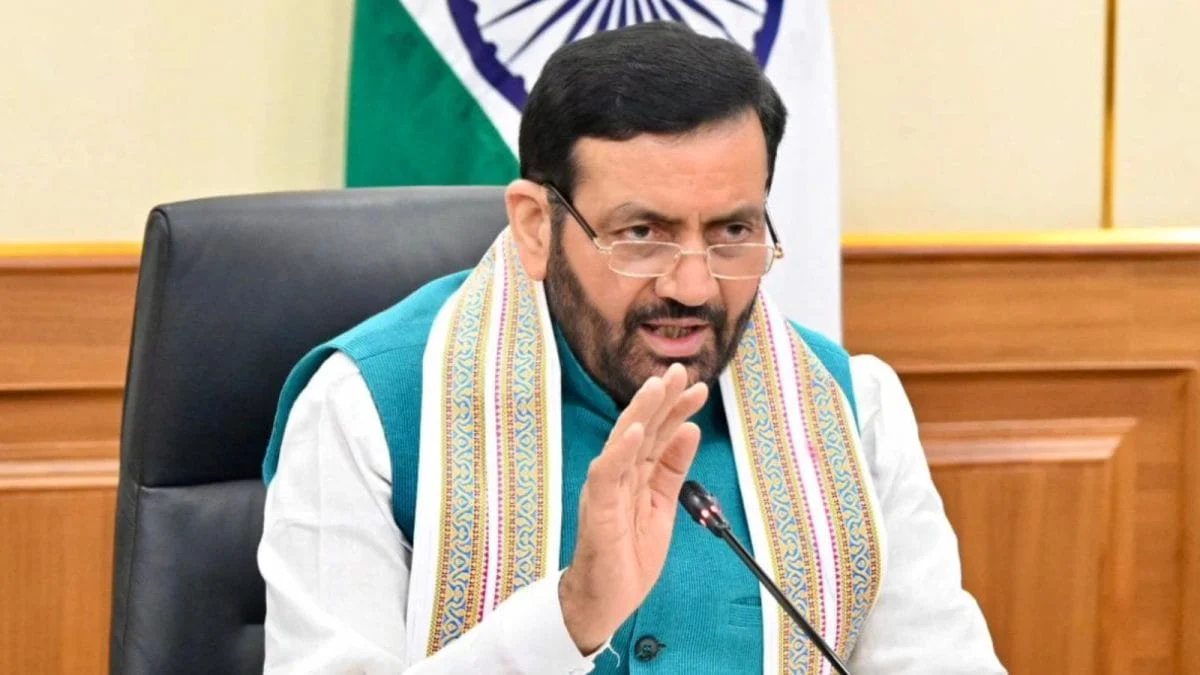
CHANDIGARH, Haryana – In a landmark move poised to significantly reshape urban transportation and logistics, the Haryana government has announced a sweeping policy change prohibiting the addition of new petrol and diesel vehicles to the fleets of cab aggregators, delivery companies, and e-commerce firms operating in its National Capital Region (NCR) districts. Effective January 1, 2026, all new vehicle inductions into these commercial fleets must exclusively comprise cleaner fuel alternatives such as Compressed Natural Gas (CNG), electric power (EVs), or other government-approved green fuels. This decisive action, unveiled following a state Cabinet meeting chaired by Chief Minister Nayab Singh Saini, underscores Haryana’s unwavering commitment to combating severe air pollution and fostering sustainable mobility across its most critically affected regions.
The comprehensive policy extends beyond just fuel type, introducing a robust regulatory framework under the revised Rule 86A of the Haryana Motor Vehicles Rules, 1993. This overhaul aims to enhance passenger safety, ensure driver welfare, and streamline operations for app-based taxi services and delivery operators. The move is not only a standalone environmental initiative but also a direct response to directives issued by the Commission for Air Quality Management (CAQM), which has been a pivotal force in advocating for stringent measures to improve air quality across the entire Delhi NCR.
Policy Mandates and Regulatory Overhaul: A Detailed Look
The core of Haryana’s new policy dictates a definitive shift away from conventional fossil fuels for commercial fleets. From the specified date, any new vehicle procured or leased by cab aggregators like Ola and Uber, as well as delivery giants such as Zomato, Swiggy, Amazon, and Flipkart, for deployment within Haryana’s NCR districts, must operate on non-polluting energy sources. This mandate explicitly includes all new three-wheelers joining existing fleets, which will now be restricted to CNG or electric auto-rickshaws only. The geographical scope of this policy encompasses all NCR districts within Haryana, including key urban centers like Gurugram, Faridabad, Sonipat, Rohtak, and Jhajjar, among others, which frequently grapple with hazardous air quality levels.
Beyond the fuel transition, the revised regulatory system introduces a series of stringent requirements for aggregators and delivery service providers:
- Mandatory Licensing: All aggregators and delivery service providers will now require specific licenses to operate within the state, ensuring accountability and adherence to state regulations.
- Driver Onboarding Standards: Strict guidelines for driver verification, background checks, and training will be implemented to professionalize the sector.
- Enhanced Passenger Safety: Companies must provide minimum insurance coverage of ₹5 lakh for passengers, ensuring financial protection in case of accidents. Vehicles must be equipped with tracking devices, panic buttons, first aid kits, and fire extinguishers where applicable, bolstering safety protocols.
- Driver Welfare: A significant provision mandates health insurance of at least ₹5 lakh for drivers and term insurance of ₹10 lakh for onboarded drivers, addressing long-standing demands for better social security and financial protection for gig workers.
- Fare Regulation: Mechanisms for transparent fare regulation will be introduced, aiming to balance consumer affordability with fair remuneration for drivers.
- Grievance Handling: Aggregators are now required to maintain 24×7 control rooms and call centres, dedicated to promptly addressing customer complaints and managing emergencies.
- Digital Verification: To enhance transparency and security, driver and vehicle details will undergo digital verification through the central government’s VAHAN and SARATHI portals, linking directly to official databases.
These comprehensive measures reflect a holistic approach, tackling not just the environmental impact of vehicular emissions but also the operational integrity and social responsibilities of the rapidly expanding aggregator economy.
The Genesis: A Chronology of Environmental Imperatives
Haryana’s policy is not an isolated decision but a crucial chapter in the ongoing narrative of air quality management in the National Capital Region, one of the most polluted regions globally. For years, the NCR has battled alarming levels of particulate matter (PM2.5 and PM10), nitrogen oxides, and other pollutants, particularly during the winter months. This chronic pollution has severe public health implications, contributing to respiratory illnesses, cardiovascular diseases, and premature deaths, placing an immense burden on healthcare systems and the economy.
Early 2000s: Initial focus on industrial pollution and older vehicles. Introduction of CNG for public transport in Delhi marked a significant, albeit limited, shift.
Mid-2010s: Growing awareness and scientific evidence pointing to vehicular emissions, industrial sources, construction dust, and stubble burning as major contributors to NCR’s toxic air.
2016-2020: Emergence of multiple state-level and central government initiatives, including the Graded Response Action Plan (GRAP) by the Environment Pollution (Prevention & Control) Authority (EPCA), which laid down emergency measures based on pollution severity.
2020: The Indian Parliament establishes the Commission for Air Quality Management (CAQM) in NCR and Adjoining Areas, replacing EPCA. CAQM is vested with comprehensive powers to coordinate efforts, monitor air quality, and issue binding directives to state governments in the region.
Pre-2026 CAQM Directives: CAQM, recognizing the rapid growth of ride-hailing and e-commerce, and the substantial contribution of their fleets to urban emissions, had previously issued a crucial directive. This order mandated that no new petrol or diesel vehicles should be added to such commercial fleets across the entire Delhi NCR after January 1, 2026. Haryana’s recent Cabinet decision, therefore, represents a proactive alignment with and implementation of this overarching regional strategy, demonstrating inter-state cooperation in addressing a shared environmental crisis.
May 18, 2026: Haryana Cabinet, under CM Nayab Singh Saini, formally approves the new rules, signaling the state’s commitment to the regional green agenda.
January 1, 2026: The definitive effective date for the ban on new petrol and diesel vehicle inductions into specified commercial fleets.
This chronology highlights a clear progression from problem recognition to the formulation of coordinated, multi-faceted solutions, with Haryana’s latest policy representing a significant step in operationalizing these solutions at the state level.
The Data-Driven Mandate: Unpacking the Pollution Crisis
The impetus for Haryana’s stringent new policy is firmly rooted in the stark realities of air pollution in the NCR. Data from various monitoring agencies consistently ranks several NCR cities among the most polluted in the world. Studies have shown that vehicular emissions contribute significantly to this pollution, especially fine particulate matter (PM2.5), which can penetrate deep into the lungs and bloodstream, causing severe health issues.
- Health Impact: The World Health Organization (WHO) estimates that air pollution is responsible for millions of premature deaths globally. In India, the health burden is particularly heavy, with respiratory diseases, cardiovascular problems, and even neurological disorders directly linked to prolonged exposure to poor air quality. Children and the elderly are especially vulnerable.
- Economic Cost: The economic cost of air pollution in India is staggering, encompassing healthcare expenses, lost productivity due to illness, and environmental damage. Estimates suggest that air pollution costs India several percentage points of its GDP annually.
- Vehicular Contribution: While industrial emissions, construction dust, and stubble burning are major culprits, vehicular emissions remain a persistent problem, particularly in densely populated urban corridors. Commercial fleets, with their high mileage and frequent operation, contribute disproportionately to tailpipe emissions within city limits. An estimated 30-40% of urban air pollution in major Indian cities is attributed to vehicles, with diesel vehicles being particularly potent emitters of nitrogen oxides and particulate matter.
- Fleet Composition: Currently, a significant majority of cab aggregator and delivery fleets in Haryana’s NCR districts still comprise petrol and diesel vehicles. While there has been a gradual increase in CNG and electric vehicle adoption, this policy aims to accelerate that transition dramatically, moving from incremental change to a mandated, rapid transformation.
By targeting these high-usage commercial fleets, the Haryana government aims to achieve a substantial and measurable reduction in localized emissions, particularly in areas with high traffic density. This strategic focus is expected to yield tangible improvements in the ambient air quality, offering a cleaner breathing environment for millions of residents.
Economic & Environmental Dividends: The Green Transition’s Promise
The shift towards green fleets, while presenting initial challenges, is projected to unlock significant economic and environmental dividends for Haryana.
Environmental Benefits:
- Reduced Air Pollution: The most direct benefit will be a measurable reduction in harmful pollutants like PM2.5, PM10, nitrogen oxides (NOx), and carbon monoxide (CO). This will contribute to cleaner air, fewer smog episodes, and improved visibility.
- Climate Change Mitigation: A transition to EVs will drastically cut down carbon dioxide (CO2) emissions, aligning with India’s national and international climate commitments. CNG, while still a fossil fuel, is cleaner than petrol or diesel, producing fewer greenhouse gases and air pollutants.
- Noise Reduction: Electric vehicles operate silently, contributing to a significant reduction in urban noise pollution, which has its own set of adverse health impacts.
Economic Opportunities:
- Boost to EV Ecosystem: The policy is expected to spur demand for electric vehicles, encouraging manufacturing, sales, and servicing of EVs within Haryana and the broader region. This could attract investments, create new jobs in battery technology, charging infrastructure, and vehicle assembly.
- Lower Operating Costs: For fleet operators and drivers, green vehicles, especially EVs, offer substantially lower running costs due to cheaper electricity (compared to petrol/diesel) and reduced maintenance requirements. Over time, these savings can offset the higher initial purchase price.
- Energy Security: Reducing reliance on imported fossil fuels through increased EV adoption contributes to national energy security and helps stabilize fuel prices.
- Green Job Creation: The entire ecosystem supporting EVs, from manufacturing to charging infrastructure development and maintenance, will create a plethora of new employment opportunities.
However, realizing these benefits will require significant investment in charging infrastructure, especially fast-charging stations suitable for commercial vehicles, and robust policy support.
Leadership Voices: Vision for a Sustainable Haryana
The Haryana government’s leadership has articulated a clear vision for a cleaner, greener state, with Chief Minister Nayab Singh Saini and Transport Minister Anil Vij leading the charge.
Chief Minister Nayab Singh Saini, in his address following the Cabinet meeting, emphasized the urgency of the environmental crisis and the government’s unwavering commitment to public health. "The approval of these new rules marks a pivotal moment in Haryana’s journey towards sustainable development," CM Saini stated. "Our NCR districts have long suffered from the debilitating effects of air pollution. This policy is a decisive step to ensure that our citizens breathe cleaner air and our future generations inherit a healthier environment. We are not just banning polluting vehicles; we are paving the way for a modern, green transportation ecosystem that benefits everyone." He underscored that the policy was a carefully considered strategy, aligning with national environmental goals and regional air quality management efforts led by CAQM.
Transport Minister Anil Vij further elaborated on the government’s proactive measures to facilitate this green transition. Ahead of the Cabinet meeting, Minister Vij had indicated that the government was actively considering providing significant incentives for electric vehicle adoption. "We have sent a proposal to offer 100 per cent tax exemption on electric vehicles in Haryana, mirroring the successful models implemented in Chandigarh and Delhi," Vij announced. "This objective is clear: to encourage our citizens and commercial operators to embrace electric vehicles, thereby accelerating the shift away from fossil fuels." He also revealed the state government’s ambitious plans to strengthen public transport by purchasing 500 new electric buses, signaling a multi-pronged approach to greening the state’s mobility infrastructure. These incentives are critical to mitigating the higher upfront costs associated with EVs and encouraging rapid adoption among individual buyers and fleet operators alike.
The synergistic approach, combining regulatory mandates with financial incentives and public sector investment in green infrastructure, demonstrates a holistic strategy to transform Haryana’s transportation sector.
Transforming the Mobility Landscape: Implications for Aggregators & Drivers
The new policy will usher in significant changes for various stakeholders, particularly cab aggregators, delivery companies, and the vast network of drivers they employ.
For Cab Aggregators and Delivery Companies:
- Fleet Modernization: Companies will face the immediate challenge and opportunity of modernizing their fleets. This will require substantial capital investment in purchasing new CNG or electric vehicles. While the long-term operational cost savings are attractive, the upfront expenditure could be a hurdle for some, particularly smaller operators.
- Operational Adjustments: Companies will need to adapt their operational models to support green fleets, including planning for charging/refuelling infrastructure, optimizing routes for charging points, and ensuring timely maintenance for new vehicle types.
- Compliance and Reporting: The new licensing requirements, digital verification processes, and enhanced safety mandates will necessitate robust internal compliance mechanisms and transparent reporting to state authorities.
- Driver Training: Aggregators will be responsible for training drivers on the safe and efficient operation of new vehicle technologies, particularly EVs.
- Competitive Advantage: Companies that embrace the transition swiftly and efficiently might gain a competitive edge by appealing to environmentally conscious consumers and potentially benefiting from government incentives.
For Drivers:
- Vehicle Acquisition: Drivers, many of whom operate on a contract or owner-driver model, will face decisions regarding purchasing new green vehicles. Government incentives like tax exemptions and potential financing schemes will be crucial in easing this transition.
- Financial Benefits: Over the long term, drivers of green vehicles stand to benefit from significantly lower running costs (fuel/electricity, maintenance) and potentially higher earnings due to increased demand for eco-friendly services.
- Improved Welfare: The mandatory health and term insurance provisions are a significant step towards improving the social security and financial stability of drivers, addressing a critical vulnerability in the gig economy.
- Skill Upgradation: Drivers will need to adapt to new vehicle technologies, potentially requiring new driving skills and understanding of EV charging logistics.
- Job Security: The policy could also ensure job security for drivers who transition to greener vehicles, as the demand for such services is expected to grow.
While the transition period may present complexities, the long-term outlook points towards a more sustainable, safer, and potentially more profitable operational environment for both companies and drivers.
A Cleaner Breath for Citizens: Impact on Public Health & Consumers
Ultimately, the primary beneficiaries of Haryana’s green push are its citizens. The direct impact on public health and the consumer experience is expected to be profoundly positive.
For Public Health:
- Improved Respiratory Health: A reduction in vehicular emissions will directly lead to a decrease in airborne pollutants, mitigating respiratory illnesses like asthma, bronchitis, and chronic obstructive pulmonary disease (COPD).
- Reduced Cardiovascular Risk: Lower exposure to PM2.5, a major contributor to heart disease and strokes, will improve cardiovascular health outcomes for the population.
- Enhanced Quality of Life: Cleaner air contributes to a general improvement in the quality of life, allowing residents to engage in outdoor activities more safely and enjoy a healthier urban environment.
- Reduced Premature Deaths: Long-term reductions in air pollution are projected to decrease the incidence of premature deaths linked to environmental factors.
For Consumers/Passengers:
- Safer Rides: The new rules mandating comprehensive insurance, tracking devices, panic buttons, and 24×7 control rooms will significantly enhance passenger safety and security during cab and delivery services.
- Potential Fare Adjustments: While the long-term operational costs for green fleets may be lower, there might be initial upward pressure on fares as companies recover investment costs. However, competitive market forces and government incentives are expected to keep fares reasonable.
- Environmentally Responsible Choices: Consumers will have the option to choose services that align with their environmental values, contributing to a collective effort for sustainability.
- Improved Service Quality: The push for digital verification and grievance redressal mechanisms should lead to a more transparent and responsive service experience.
The policy, therefore, represents a tangible step towards fulfilling the fundamental right of citizens to clean air and a safe environment, directly translating environmental policy into tangible benefits for everyday life.
Forging a Greener Future: Broader Societal and Industrial Impact
Haryana’s policy carries implications that extend beyond its immediate borders and direct stakeholders, influencing the broader societal and industrial landscape.
Boost to the EV Ecosystem: The demand generated by Haryana’s commercial fleet mandate will significantly bolster the electric vehicle manufacturing sector, not just in Haryana but across India. This will encourage greater R&D, innovation in battery technology, and expansion of charging infrastructure networks. It positions Haryana as a key player in India’s broader electric mobility transition.
Government Challenges and Opportunities: The state government faces the challenge of effective implementation, monitoring compliance, and enforcing the new regulations. This will require strengthening enforcement agencies, investing in technology for oversight, and ensuring that the transition is smooth and equitable. Simultaneously, it presents an opportunity for Haryana to emerge as a leader in green governance and sustainable urban planning.
Regional Air Quality Improvement: As part of the NCR, Haryana’s policy contributes to a larger, coordinated effort to clean up the region’s air. When combined with similar initiatives in Delhi and other NCR states, the cumulative impact will be far greater than any single state’s effort, demonstrating the power of regional environmental governance.
Model for Other States: Haryana’s comprehensive approach, combining a ban on fossil fuel vehicles with a robust regulatory framework and incentives, could serve as a blueprint for other Indian states grappling with similar environmental challenges.
In conclusion, Haryana’s bold policy move is a testament to its commitment to environmental stewardship and sustainable development. By mandating a green transition for commercial fleets and simultaneously enhancing safety and welfare standards, the state is not only addressing its immediate air quality crisis but also laying the groundwork for a future where mobility is cleaner, safer, and more equitable. The road ahead will undoubtedly present challenges, but the long-term vision of a healthier, greener Haryana and a revitalized NCR remains firmly in sight.
