

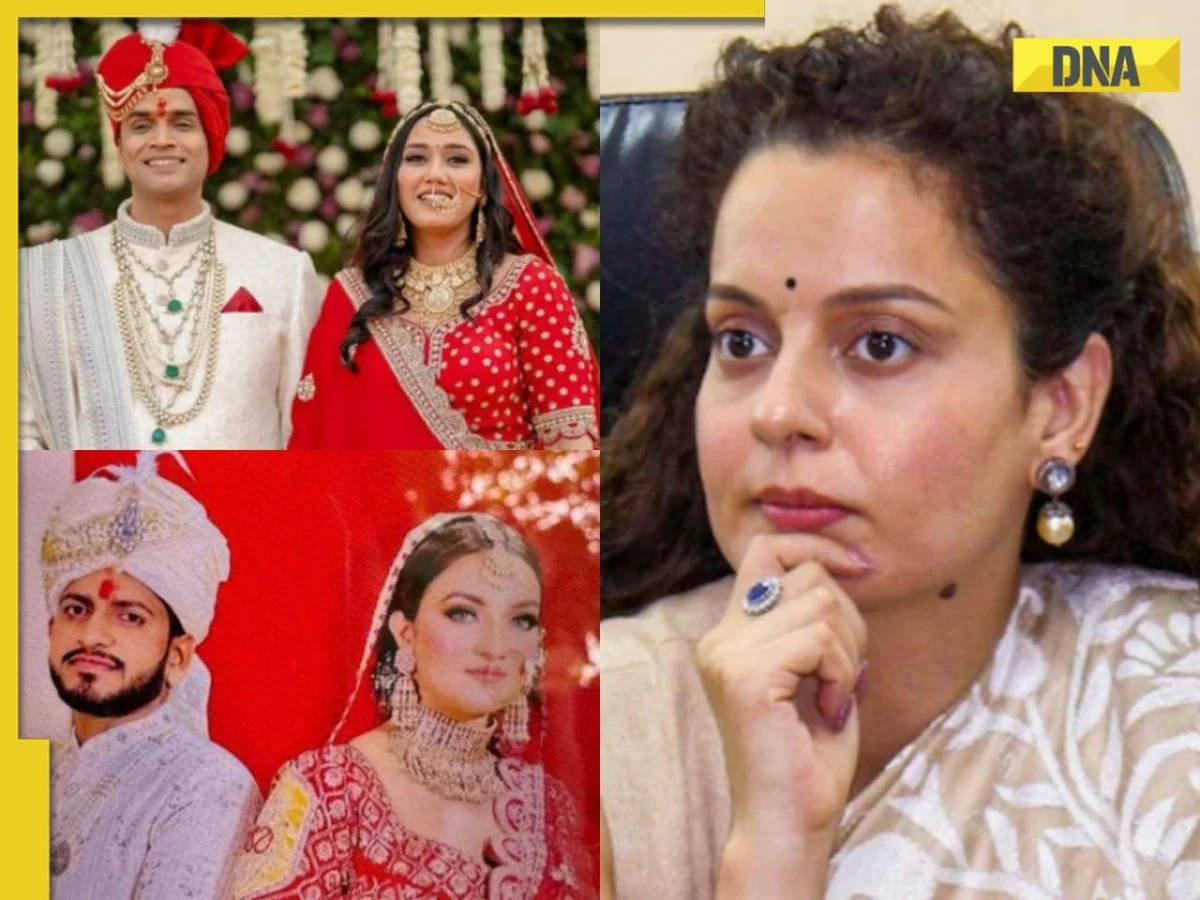
Mumbai, India – May 19, 2026 – In a powerful and deeply personal address, Bollywood luminary and Member of Parliament Kangana Ranaut has issued a stark warning to young women across India, urging them to prioritize their independence and careers above all else, particularly in the context of marriage. Her impassioned plea comes in the wake of two deeply disturbing dowry-related deaths that have sent shockwaves through the nation: that of Twisha Sharma in Bhopal and Deepika Nagar in Greater Noida. Ranaut’s message, disseminated through her social media channels, resonates with a growing societal concern about the persistent issue of dowry harassment and its tragic consequences for young brides.
The Chilling Reality: Dowry Deaths Cast a Dark Shadow
The recent deaths of Twisha Sharma and Deepika Nagar serve as grim reminders of the insidious nature of dowry demands and the severe forms of harassment that can accompany them. These incidents, occurring in different parts of the country, highlight a systemic issue that continues to plague Indian society despite legal protections.
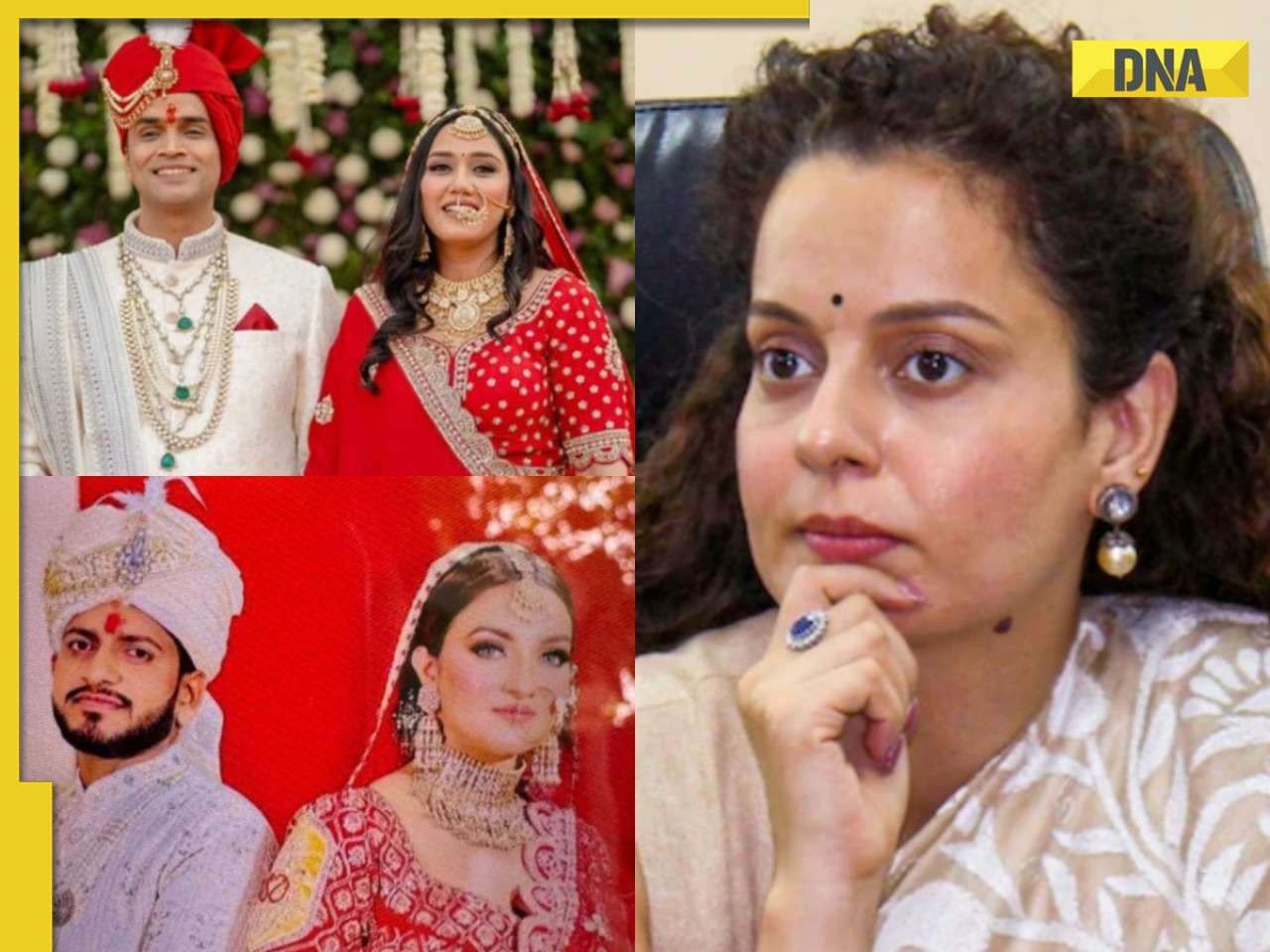
Twisha Sharma’s Case: A Promising Life Cut Short in Bhopal
Twisha Sharma, a 33-year-old woman from Noida, married Samarth Singh, a resident of Bhopal, in December 2025. What began as a union, presumably filled with hope, tragically culminated in her death on May 12, 2026. Sharma’s family has vehemently alleged that she was subjected to immense mental torture and dowry harassment by her in-laws, ultimately leading to her demise, which they claim was not a suicide. The gravity of these allegations has prompted the police to register a case against her husband and his mother, Giribala Singh, who is reportedly a retired judge. A Special Investigation Team (SIT) has been constituted to meticulously probe the circumstances surrounding Twisha’s death, underscoring the seriousness with which the authorities are treating the case. The involvement of a retired judicial officer in the alleged harassment adds a disturbing layer to the case, raising questions about the reach and influence of those who perpetrate such crimes.
)
Deepika Nagar’s Tragic Fall: A Marriage Marred by Allegations in Greater Noida
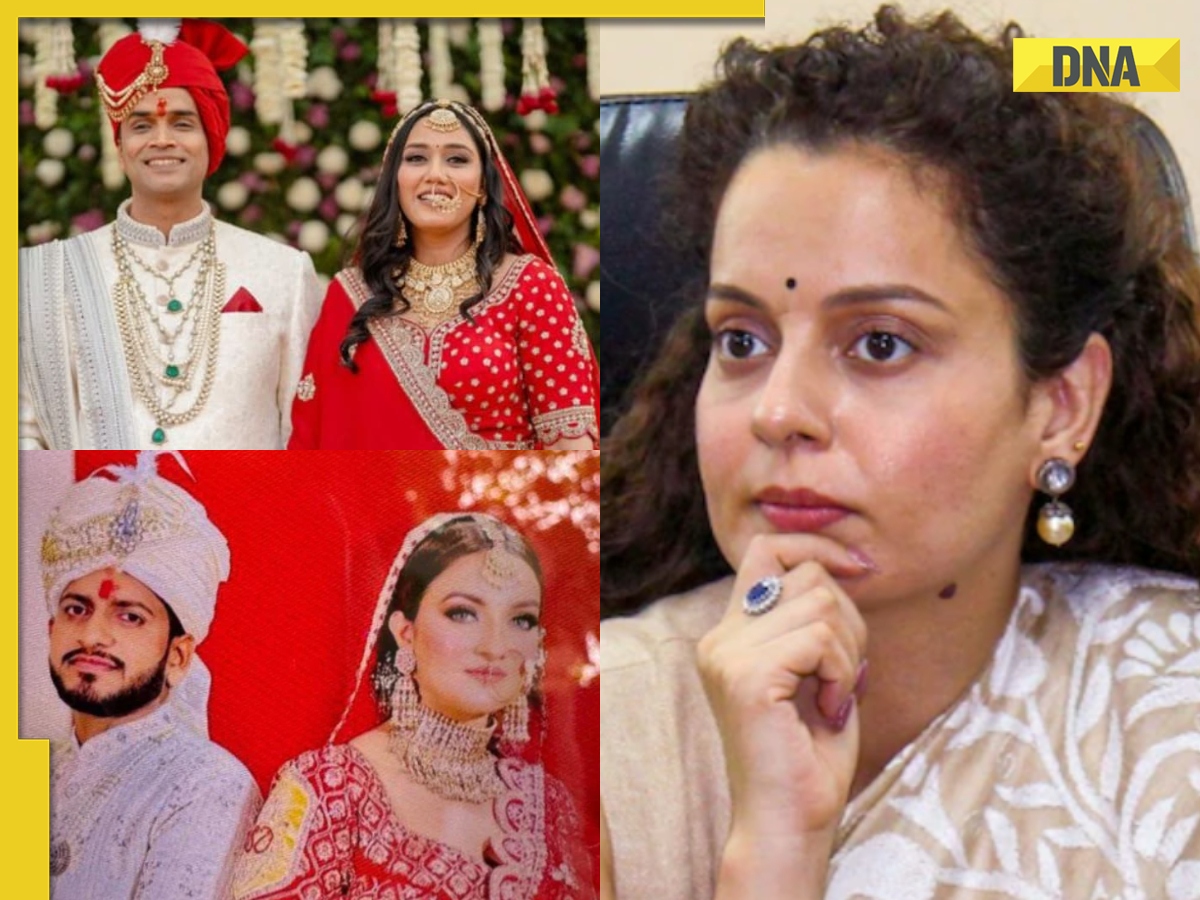
In a similarly harrowing incident, Deepika Nagar, a young woman in Greater Noida, lost her life under suspicious circumstances barely eighteen months after her marriage. Police reported that she fell from the rooftop of her in-laws’ house. Deepika’s father, Sanjay, has come forward with grave accusations, claiming that his daughter was subjected to continuous harassment and torture by her in-laws, primarily Hrithik (her husband) and his father, Manoj, over escalating dowry demands. The situation had become so dire that Sanjay claims he visited the house just hours before the incident in a desperate attempt to mediate and resolve the ongoing dispute. The arrests of Hrithik and Manoj by the police under relevant sections of the law signal the initial steps towards accountability, but the lingering questions about the exact nature of Deepika’s fall and the extent of the alleged torture remain central to the ongoing investigation.
)
Kangana Ranaut’s Empowering Manifesto: "You Have to Be Your Own Hero"
Witnessing these tragic events, Kangana Ranaut, a vocal advocate for women’s empowerment, took to her Instagram to share her profound grief and offer a powerful message to young women. She articulated a sentiment that many Indian women experience: the feeling of being abandoned by society once they are married.
"So much tragic news about married young women comes up every day," Ranaut wrote, her words resonating with a palpable sense of urgency. "Many of these young, educated ladies even beg their parents to help them out of suffocating situations before tragedies strike them, but Indian society is notorious for abandoning daughters once they are married."

This observation points to a deeply ingrained societal bias where a woman’s primary identity is often relegated to being a wife and daughter-in-law, diminishing her individual agency and support system. Ranaut’s critique of "Indian society" is not a blanket condemnation but a sharp observation of a prevalent cultural tendency that leaves married women vulnerable.
Her core advice to young women is unequivocal and revolutionary in its simplicity: "Your career is more important than anyone else in your life. Think about marriage only after you are independent, please; you have to be your own hero; no one is coming to save you. What you do and who you are are more important than who you marry. Build a life that you want, don’t listen to anyone."
)
This powerful declaration moves beyond mere platitudes. It is a call to action for self-reliance, financial independence, and a strong sense of self-worth that is not contingent on marital status or the approval of others. Ranaut’s emphasis on building a life based on personal aspirations and achievements, rather than solely on marriage, is a radical departure from traditional expectations that often place women in a passive role.
"No social media or fashion/dating/wedding/make-up industry is telling you," she added, implicitly criticizing the pervasive influence of industries that often romanticize marriage and present an idealized, often unrealistic, picture of married life. Her message is a direct counter to the societal narrative that often prioritizes finding a suitable match over building a fulfilling individual life.
)
Chronology of Tragic Events and Societal Blind Spots
The timeline of events leading to the deaths of Twisha Sharma and Deepika Nagar, though brief, underscores the rapid descent into tragedy for these young women.
- December 2025: Twisha Sharma marries Samarth Singh in Bhopal.
- Early 2026 (specific dates unavailable): Deepika Nagar marries Hrithik in Greater Noida.
- Weeks/Months Prior to Deaths: Both Twisha Sharma and Deepika Nagar allegedly face escalating dowry demands and harassment from their respective in-laws.
- May 12, 2026: Twisha Sharma dies in Bhopal. Her family alleges dowry harassment.
- May 19, 2026 (Monday): Deepika Nagar dies under suspicious circumstances in Greater Noida. Her father alleges dowry torture.
- May 19, 2026: Kangana Ranaut issues her strong statement on Instagram, reacting to these and similar tragic news.
The societal blind spots that allow such incidents to fester are numerous. These include a culture that often views women as a burden to be married off quickly, parental pressure to conform to traditional expectations, and a lack of robust support systems for married women facing domestic issues. The notion that marriage is the ultimate goal for a woman, often overshadowing her personal aspirations, contributes to a vulnerability that perpetrators of dowry harassment exploit.
)
Supporting Data: The Persistent Scourge of Dowry Deaths in India
The incidents involving Twisha Sharma and Deepika Nagar are not isolated anomalies but are symptomatic of a deeply entrenched societal ill. Dowry-related deaths remain a persistent problem in India, despite being outlawed under the Dowry Prohibition Act, 1961, and other stringent legal provisions.
According to data from the National Crime Records Bureau (NCRB), thousands of dowry-related deaths are reported annually in India. While the exact figures fluctuate year by year, the trend has remained disturbingly consistent, indicating a failure in both enforcement and societal attitudinal change. For instance, in recent years, NCRB reports have consistently shown figures ranging from over 7,000 to over 8,000 dowry-related deaths annually. These statistics represent not just numbers, but the lives of young women brutally extinguished due to greed and patriarchal customs.
)
Beyond outright deaths, countless women endure severe physical and mental abuse, emotional distress, and economic deprivation as a result of dowry harassment. The pressure to meet dowry demands can also lead to significant financial strain on families, sometimes forcing them into debt.
The NCRB data also highlights that a significant percentage of dowry death cases involve charges of cruelty by the husband or his relatives. This underscores the direct link between dowry demands and domestic violence. The slow pace of justice in many of these cases, coupled with societal pressures that discourage reporting, further emboldens perpetrators.
)
Official Responses and the Road Ahead
The official responses to these tragic incidents, while crucial, often represent the first step in a long and arduous journey towards justice and prevention.
Police Investigations: In both the cases of Twisha Sharma and Deepika Nagar, the respective police departments have initiated investigations, registered cases against the accused, and, in Deepika’s case, made arrests. The formation of an SIT for Twisha’s death signifies a commitment to a thorough inquiry. However, the effectiveness of these investigations hinges on their impartiality, speed, and the willingness of witnesses to come forward and testify.
)
Legal Framework: India has robust legal provisions against dowry. The Dowry Prohibition Act, 1961, criminalizes the giving or taking of dowry. Section 498A of the Indian Penal Code deals with cruelty by a husband or his relatives. While these laws exist, their implementation and enforcement remain a challenge. Loopholes, societal pressures, and the complexities of proving dowry harassment often lead to acquittals or delayed justice.
Government Initiatives: Various government initiatives have been launched over the years to combat dowry and empower women, including awareness campaigns, helplines, and support centers. However, the persistent nature of the problem suggests that these efforts need to be intensified and made more effective in reaching the grassroots level.
)
The Role of Judiciary: The judiciary plays a critical role in ensuring justice for victims. However, the backlog of cases and the intricacies of evidence in dowry-related matters can lead to prolonged trials. The involvement of a retired judge in Twisha Sharma’s case also raises questions about the judiciary’s role and the potential for influence within the system.
Implications: A Call for Societal Transformation
Kangana Ranaut’s powerful message carries profound implications for how society views women, marriage, and individual aspirations. Her call to "be your own hero" is a radical redefinition of empowerment, shifting the locus of control from external validation to internal strength and self-sufficiency.
)
Empowering Individual Agency: The most significant implication of Ranaut’s statement is the emphasis on individual agency. By urging women to prioritize their careers and independence, she is advocating for a paradigm shift where women are not seen as passive recipients of life’s circumstances but as active architects of their own destinies. This independence, she argues, is the strongest shield against potential exploitation and abuse.
Challenging Traditional Norms: Ranaut’s critique of societal tendencies to abandon married daughters directly challenges deeply ingrained patriarchal norms that often relegate women to secondary status within their marital homes. Her message implicitly calls for a re-evaluation of the traditional value placed on marriage as the sole marker of a woman’s success or fulfillment.
)
The Future of Marriage and Relationships: If more young women heed Ranaut’s advice, it could lead to a future where marriages are entered into from a position of strength and equality, rather than desperation or societal pressure. This could foster healthier relationships built on mutual respect and shared aspirations, rather than on financial transactions and power imbalances.
The Role of Education and Awareness: Ranaut’s message underscores the critical role of education and ongoing awareness campaigns. While legal measures are essential, a fundamental shift in societal attitudes is paramount. This involves educating boys and girls alike about gender equality, the evils of dowry, and the importance of mutual respect within relationships.
)
A Collective Responsibility: Ultimately, eradicating dowry deaths and empowering women is a collective responsibility. It requires sustained efforts from the government, law enforcement agencies, the judiciary, educational institutions, media, and, most importantly, every individual within society. Kangana Ranaut’s voice, amplified by her public stature, serves as a potent catalyst for this much-needed societal dialogue and transformation. Her plea is not just a reaction to tragedy, but a proactive vision for a future where young Indian women can truly be the architects and heroes of their own lives.
