

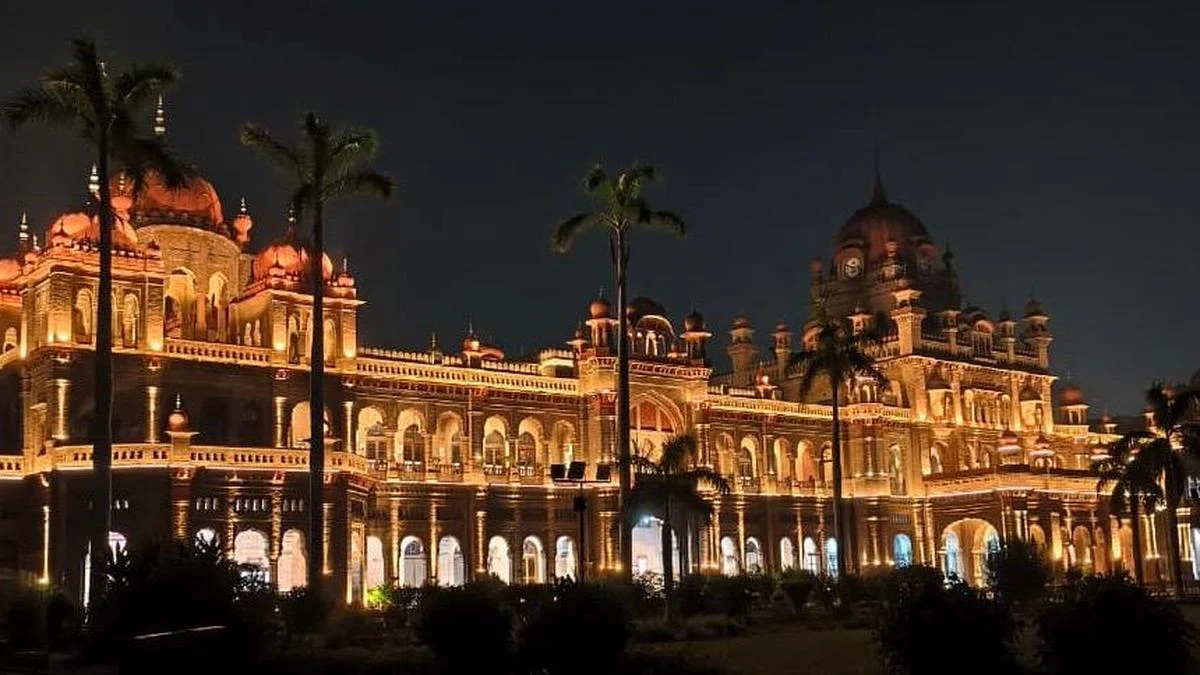
Amritsar, Punjab – A chance encounter with a sketch on WhatsApp has ignited a national movement in heritage conservation, led by the visionary Kolkata-based conservationist Mudar Patherya. His latest endeavor, the breathtaking illumination of Khalsa College in Amritsar, marks a significant turning point, signifying the expansion of his transformative approach to heritage preservation beyond the confines of his home city. This ambitious project, employing a staggering 2,500 lights, is not merely about aesthetics; it’s a strategic civic initiative aimed at revitalizing India’s architectural treasures, fostering tourism, and instilling a renewed sense of pride in the nation’s rich past.
The Genesis of a National Vision: From a WhatsApp Sketch to a Grand Illumination
Until a few months ago, the storied Khalsa College in Amritsar remained unknown to Mudar Patherya. The turning point arrived unexpectedly, as it often does for those with a keen eye for the extraordinary. A sketch of the college building, followed by a series of photographs, landed on his mobile phone via WhatsApp. The images painted a vivid picture: minarets and domes piercing Amritsar’s skyline, grand arches of red sandstone, and an expansive Indo-Saracenic facade stretching across nearly 300 acres. Patherya, a seasoned heritage conservationist, was captivated. A single, potent question arose in his mind: "Why is nobody lighting this place up properly?"
This serendipitous discovery quickly galvanized Patherya into action. Within weeks, teams from Kolkata were on the ground at Khalsa College, commencing what would become the first major step in his burgeoning national illumination movement. This endeavor represents a significant escalation of Patherya’s work, which has, for the past few years, seen him emerge as a prominent urban revivalist in Kolkata, transforming iconic heritage structures into dazzling nighttime spectacles. However, the Khalsa College project signifies a new chapter. "This is the start of my pan-India initiative," Patherya declared, underscoring the ambitious scope of his future plans.
A Technically Ambitious Undertaking: Lighting Up an Estate, Not Just a Building
The scale of the Khalsa College illumination project immediately presented a unique technical challenge. Patherya explained that while his typical projects utilize around 100 to 150 lights, this endeavor demanded a monumental 2,500. This was not a singular building; it was an entire estate. "You cannot think of it from a single-building perspective," he emphasized, highlighting the complex and interconnected nature of the college’s architectural grandeur.
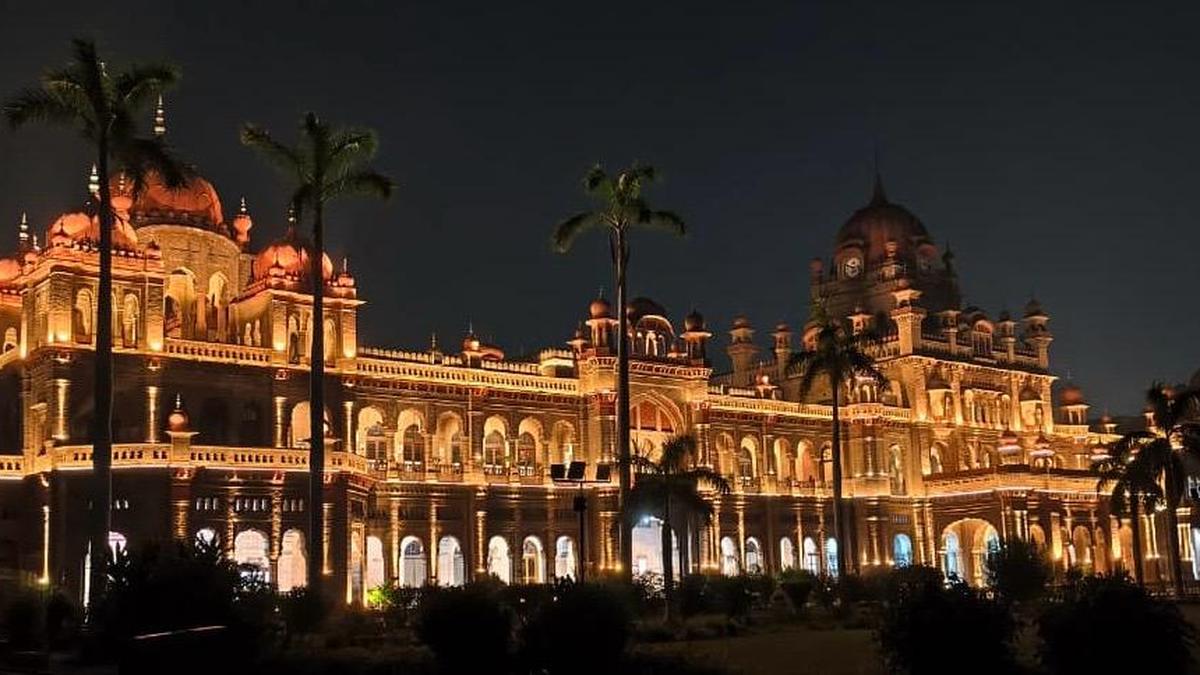
The true test lay in the intricate geometry of Khalsa College. The building is a symphony of curves, domes, layered arches, and sweeping visual lines, each element requiring a meticulously designed lighting scheme. "One has to keep the entire architecture in mind while approaching it," Patherya stated, underscoring the need for a holistic understanding of the structure’s form and function. The goal was not to simply flood the building with light, but to sculpt its essence, revealing its historical narratives and architectural brilliance through strategic illumination.
Swift Execution: A Testament to Proactive Conservation
The project’s momentum was remarkable, a testament to Patherya’s ability to translate vision into action with astonishing speed. Upon his initial approach to the college management, permission was granted within a mere two days. Within a month, teams from Kolkata were actively engaged on the site, a pace that Patherya believes redefines perceptions of heritage conservation. "This shows we can move with speed," he asserted. "We can tie up funds with speed, send teams with speed and execute projects quickly. This is a very different face of Calcutta." This swift and efficient execution serves as a powerful counterpoint to the often-perceived sluggishness associated with heritage preservation initiatives.
The Driving Force: Philanthropy Meets Alumni Pride
The financial impetus for this ambitious undertaking came from Techno Electric and Engineering Company, spearheaded by its managing director, Padam Prakash Gupta. Coincidentally, Gupta is an alumnus of Khalsa College, lending a personal dimension to the project. His directive to Patherya was clear and compelling: "Don’t just illuminate it. Make it a tourist attraction." This sentiment encapsulates the dual objective of the project – to preserve heritage while simultaneously creating economic and cultural value.
Illumination as Civic Strategy: Beyond Cosmetic Beautification
For Mudar Patherya, the act of illumination transcends mere cosmetic beautification; it is a fundamental civic strategy. He firmly believes that well-preserved and celebrated architecture possesses the power to shape tourism, foster urban pride, and even attract investment. "If you don’t have a liveable city, you don’t have a great State," he articulated, a sentiment that underscores his broader vision for urban revitalization. His conviction extends to his home city, as he confidently states, "Kolkata’s restoration will lead Bengal’s revival."
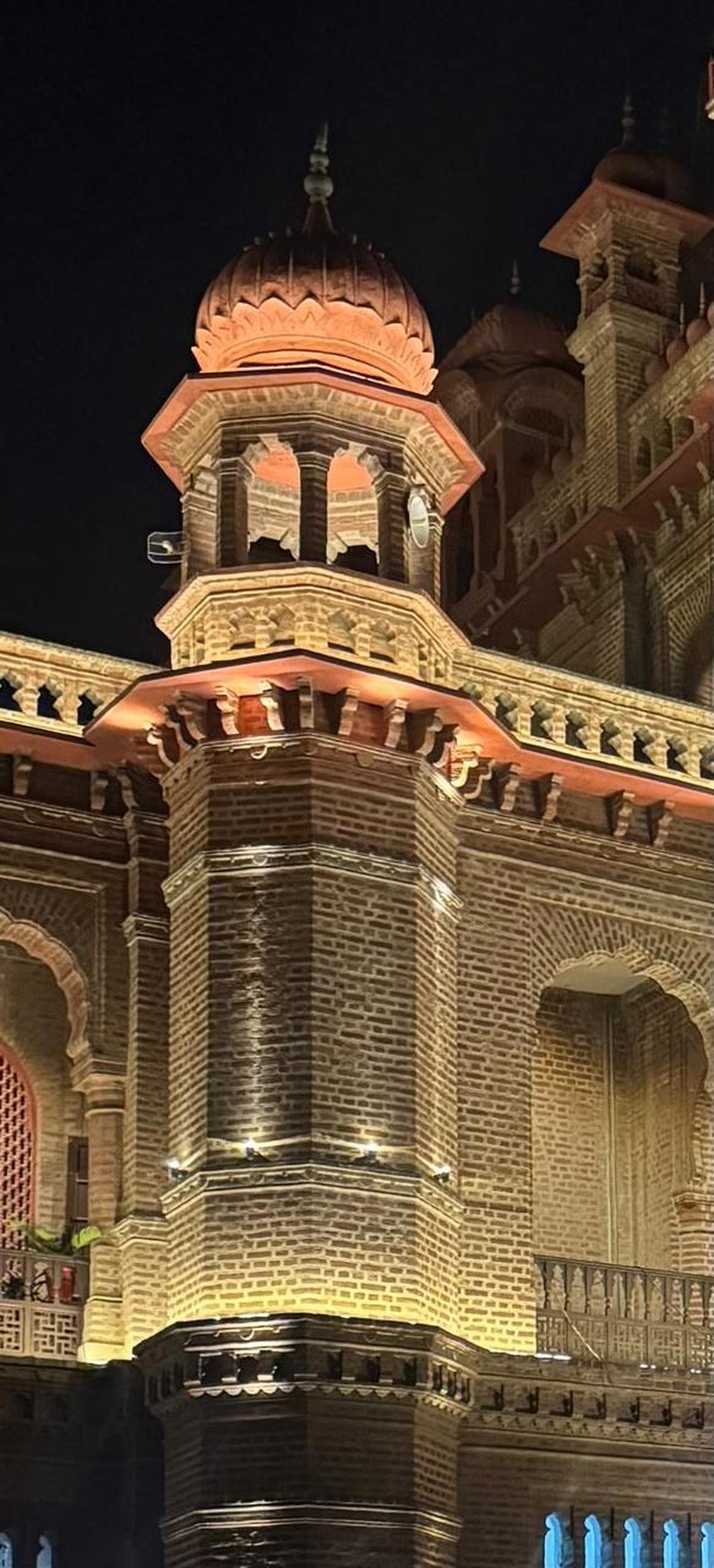
This philosophy has increasingly permeated his collaborative efforts. Beyond illumination, his partners are now actively supporting facade restoration and repainting projects for historic buildings. Patherya is a vocal advocate for greater corporate engagement in urban restoration, urging Indian corporations to move beyond conventional Corporate Social Responsibility (CSR) initiatives. "Everybody talks about heritage. Everybody builds awareness. But nobody wants to take the first step toward restoration. We are not proactive or reactive. We are inactive," he stated with a sharp critique, highlighting the prevailing inertia in the sector.
A National Blueprint: The Victoria Memorial Catalyst
Ironically, the project that solidified Patherya’s belief in the national scalability of his model was not located in Punjab, but within Kolkata itself: the iconic Victoria Memorial. The illumination of the wind-whirled Angel of Victory atop the monument proved to be a pivotal moment, demonstrating how heritage lighting could fundamentally alter a city’s nocturnal identity and appeal. "If we can do it here, we can do it anywhere in the country," he mused, drawing a direct parallel between the grandeur of the Victoria Memorial and the potential of other national landmarks.
Patherya’s approach to illumination is also rooted in the concept of creating vibrant nocturnal experiences without the need for new construction. "I don’t have to construct a monument," he explained. "I only have to put lights. If that creates evening tourism and transforms the visual appeal of a city, then this becomes one of the easiest things India can do." This emphasis on leveraging existing assets rather than embarking on new constructions offers a sustainable and cost-effective path to urban enhancement.
Preserving Authenticity: Revealing, Not Altering
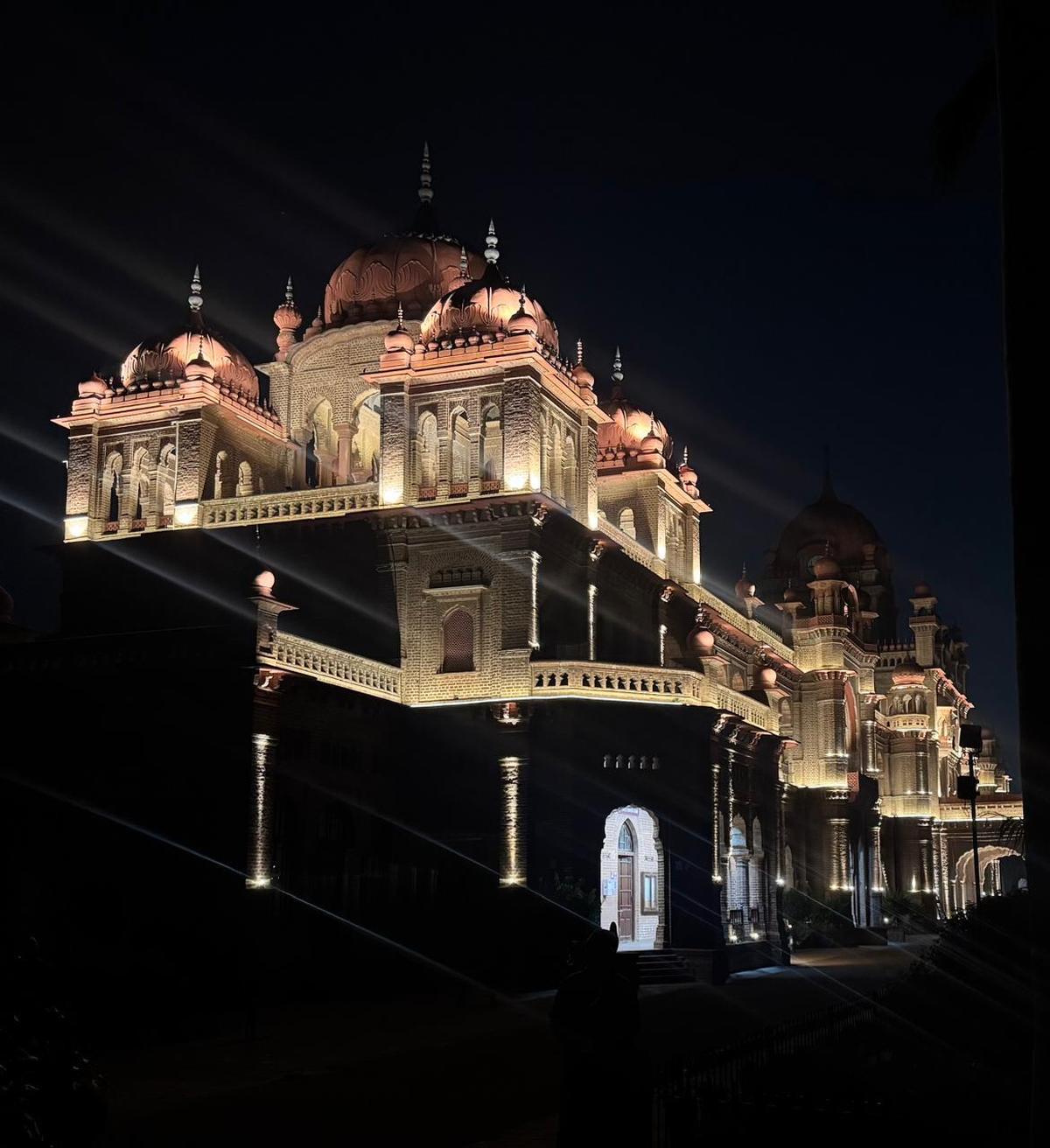
A cornerstone of Patherya’s methodology is an unwavering commitment to heritage authenticity. The illumination projects meticulously avoid aggressive, color-changing LEDs, opting instead for warm yellow lighting that accentuates the natural beauty and historical character of the structures. "We are not changing the architecture," he reiterated. "We are revealing it." This subtle yet profound distinction underscores the conservationist’s respect for the original intent and craftsmanship of the architects and builders of the past.
A Movement Begins: Coincidence, Obsession, and Illumination
The story of Khalsa College’s illumination is more than just a tale of a heritage project; it is a narrative of how individual vision, fueled by serendipity and an unwavering obsession with preservation, can ignite a national movement. A man in Kolkata, inspired by a sketch from Punjab, decides almost impulsively that a magnificent building deserves to be celebrated under the night sky. Funds materialize, teams mobilize, and lights ascend, casting a warm glow upon domes and arches hundreds of kilometers away. In this confluence of coincidence and dedication, a new paradigm for heritage conservation in India is taking shape, one beam of light at a time.
Mudar Patherya’s Illuminating Vision: A Wishlist for India’s Heritage
The success at Khalsa College has only emboldened Mudar Patherya to expand his vision for India’s architectural heritage. His wishlist of iconic structures that he dreams of illuminating reads like a national roll call of historical significance. These are not mere aesthetic desires, but strategic targets aimed at showcasing the breadth and depth of India’s architectural legacy to the world.
Other heritage structures on Mudar Patherya’s wishlist include:
- Charminar (Hyderabad, Telangana): This iconic symbol of Hyderabad, with its intricate Islamic architecture, holds immense potential for dramatic nighttime illumination, drawing parallels to similar historical monuments.
- Red Fort (Delhi): A UNESCO World Heritage Site and a monumental testament to Mughal architecture, the Red Fort’s grandeur could be amplified significantly through carefully designed lighting, enhancing its historical significance and tourist appeal.
- Nakhoda Masjid (Rabindra Sarani, Kolkata): While permission has been denied for this magnificent mosque, Patherya believes its illumination could profoundly transform the surrounding area and Zakaria Street, a vibrant hub of cultural and commercial activity. This highlights the potential ripple effect of such projects on urban regeneration.
- Konark Sun Temple (Konark, Odisha): This 13th-century architectural marvel, a UNESCO World Heritage Site, is renowned for its intricate carvings and its depiction of the sun god Surya’s chariot. Illuminating its unique celestial motifs could offer a breathtaking spectacle.
- Hawa Mahal (Jaipur, Rajasthan): The "Palace of Winds," with its distinctive honeycomb facade, presents a unique opportunity to highlight its delicate latticework and architectural ingenuity through strategic lighting.
- Fort St. George (Chennai, Tamil Nadu): As the first English fortress in India, this historical site offers a glimpse into colonial architecture and military history, which could be further accentuated by illumination.
- Gateway of India (Mumbai, Maharashtra): This iconic arch-monument overlooking the Arabian Sea is a symbol of Mumbai. Its illumination would not only enhance its visual appeal but also contribute to the city’s vibrant nocturnal landscape.
- Mehrangarh Fort (Jodhpur, Rajasthan): Perched on a cliff overlooking Jodhpur, this imposing fort is one of India’s largest and most magnificent. Its sheer scale and historical significance make it a prime candidate for a spectacular illumination.
- Jama Masjid (Delhi): One of the largest mosques in India, the Jama Masjid’s grandeur and architectural splendor could be significantly enhanced by a sensitive and well-executed lighting scheme, complementing its spiritual and historical importance.
Patherya’s ambition extends beyond individual monuments; it encompasses a broader vision of reawakening India’s civic pride through the celebration of its architectural heritage. His work at Khalsa College is a beacon, illuminating the path towards a future where India’s past is not just remembered, but vibrantly experienced by all.
