

Kathmandu, Nepal – May 19, 2026, 22:00 IST – Nepal, a land cradled by the majestic Himalayas, is not only a realm of breathtaking natural beauty but also a profound repository of spiritual significance and historical grandeur. Its UNESCO World Heritage Sites stand as enduring testaments to a rich cultural heritage, offering travelers an unparalleled journey through time, spirituality, and architectural marvels. From ancient royal cities meticulously preserved to sacred pilgrimage sites and the awe-inspiring peaks of the world’s highest mountains, Nepal’s UNESCO sites beckon with an allure that transcends the ordinary.
This article delves into the heart of Nepal’s UNESCO World Heritage Sites, exploring their historical context, cultural significance, and the unique experiences they offer to visitors. We will examine the meticulous preservation efforts, the profound spiritual resonance, and the natural wonders that make these locations invaluable treasures for both Nepal and the global community.
A Legacy Carved in Stone and Spirit: The UNESCO World Heritage Sites of Nepal
Nepal boasts a remarkable collection of seven UNESCO World Heritage Sites, each representing a distinct facet of its multifaceted identity. These sites are not merely tourist attractions; they are living embodiments of Nepal’s spiritual ethos, its architectural ingenuity, and its deep connection to the natural world.
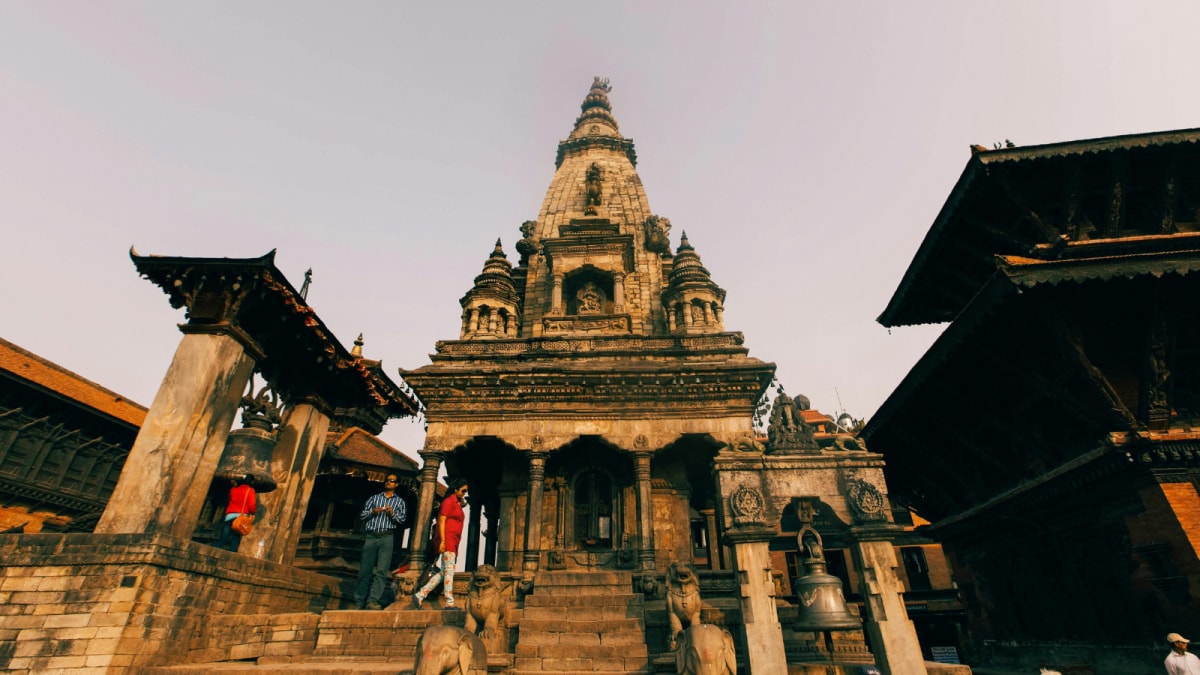
- Kathmandu Valley: This vast cultural complex, encompassing seven distinct monument zones, is the heart of Nepal’s ancient civilization. It includes the Durbar Squares of Kathmandu, Patan, and Bhaktapur, along with the sacred sites of Swayambhunath, Boudhanath, Pashupatinath, and Changu Narayan.
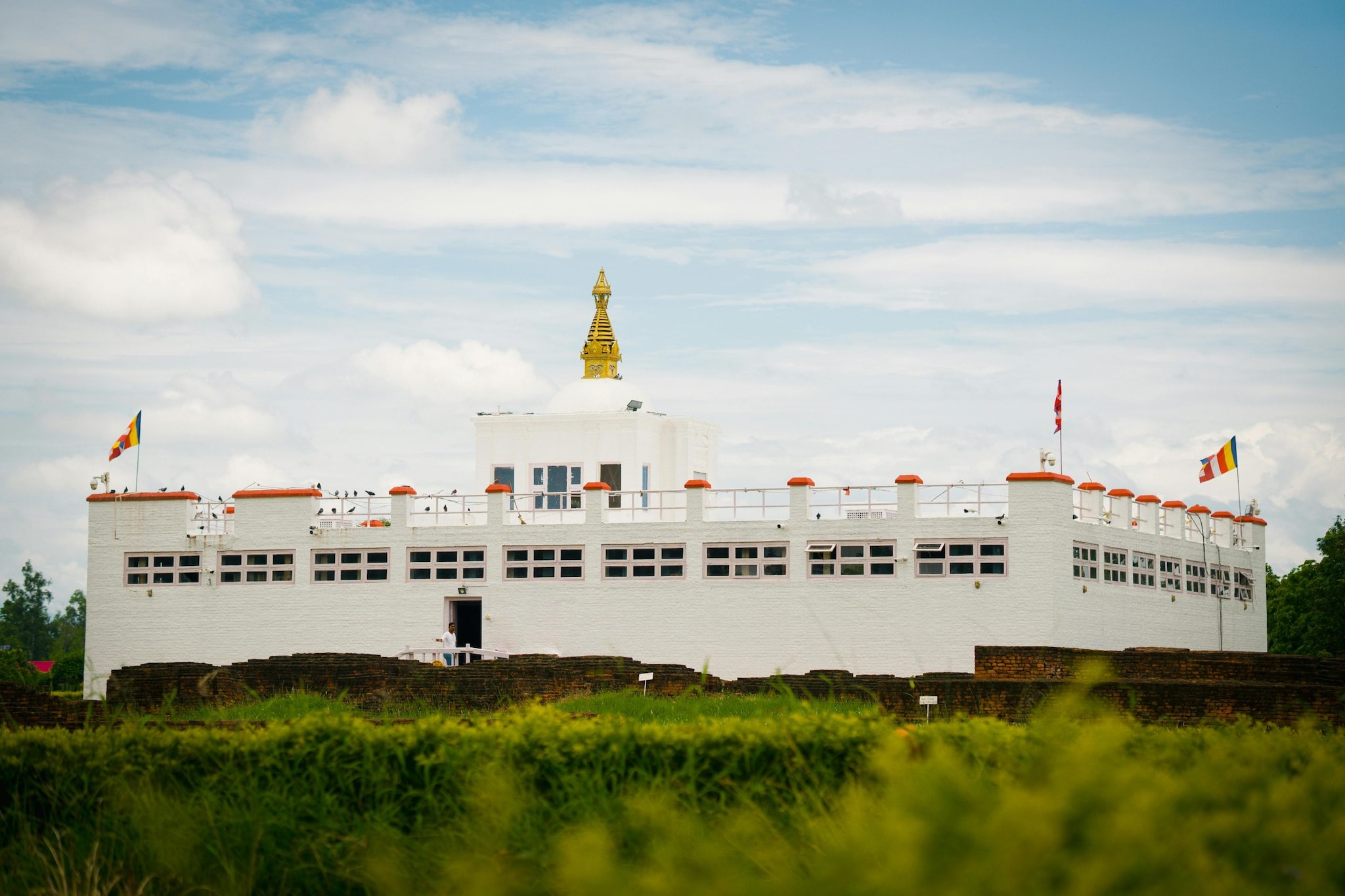
- Lumbini, the Birthplace of Lord Buddha: A global pilgrimage destination, Lumbini holds immense spiritual importance as the birthplace of Siddhartha Gautama, the founder of Buddhism.
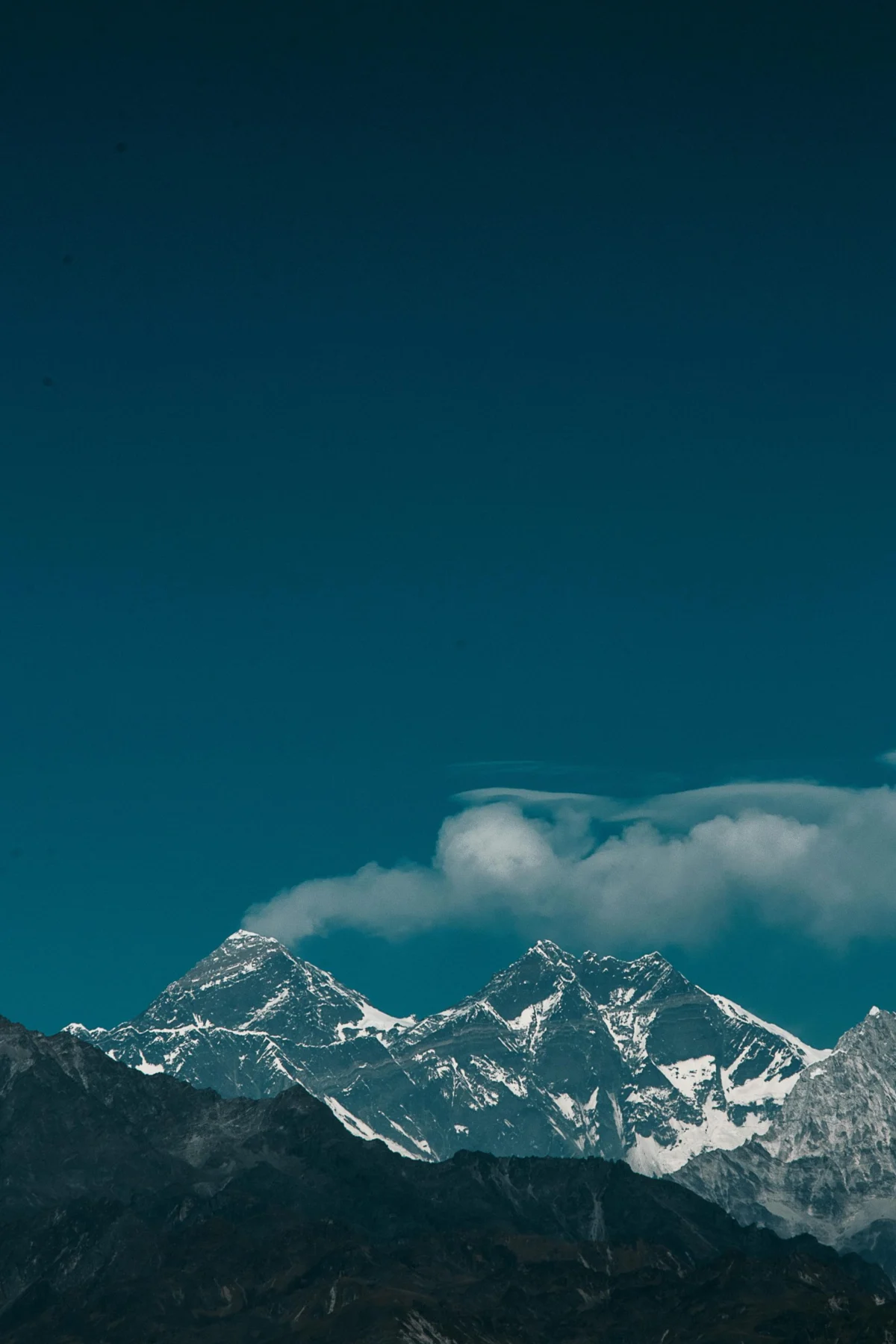
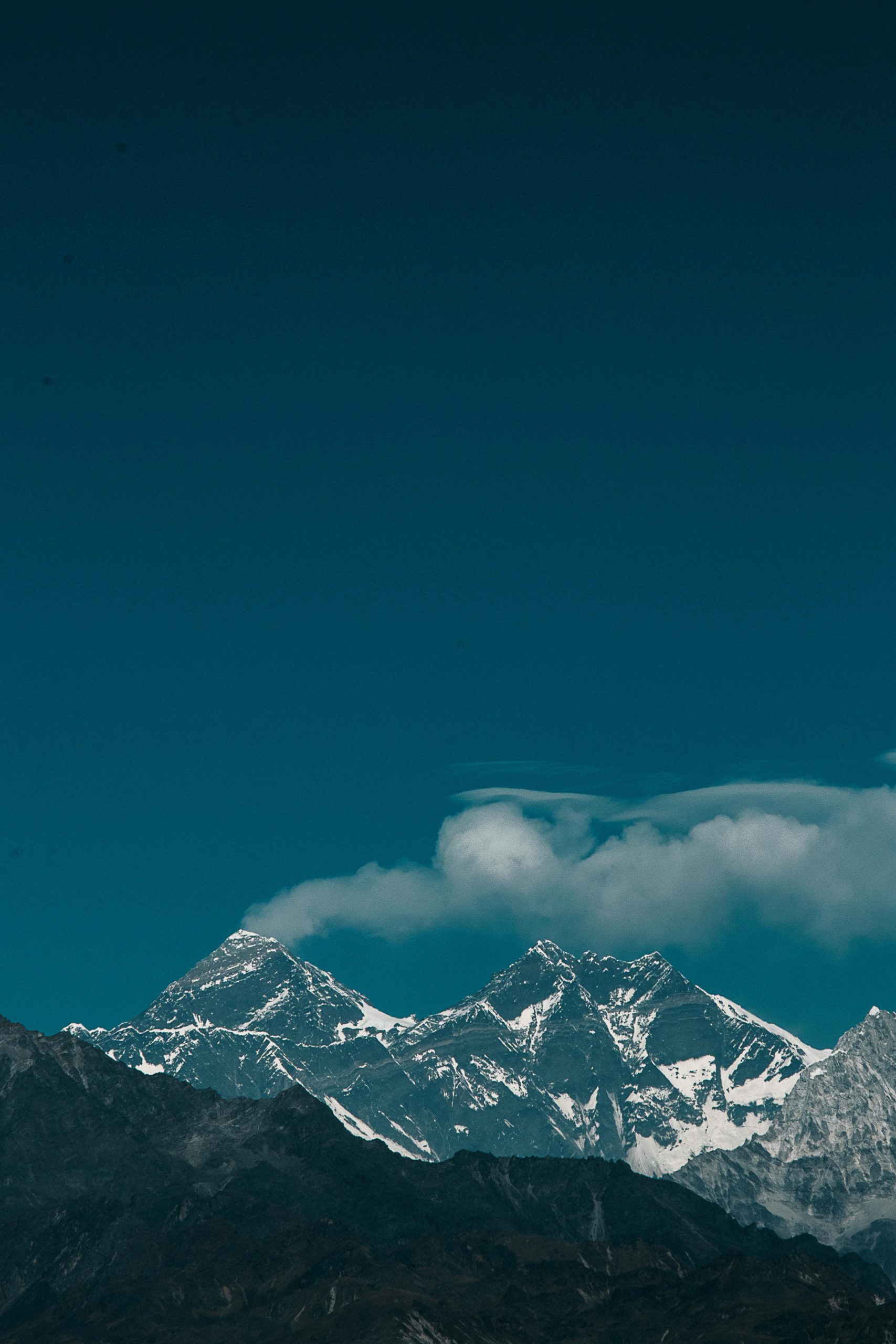
- Sagarmatha National Park: Home to Mount Everest, this park is a testament to Nepal’s unparalleled natural beauty and the resilience of its unique ecosystems and cultures.
These sites collectively offer a profound insight into Nepal’s historical evolution, its syncretic religious traditions, and its harmonious coexistence with nature.
Journey Through Time: A Chronological and Thematic Exploration
To truly appreciate the depth of Nepal’s heritage, it is essential to understand the historical trajectory that shaped these magnificent sites.
The Royal Cities: Echoes of Medieval Majesty
The Durbar Squares of Kathmandu, Patan, and Bhaktapur are the crown jewels of Nepal’s urban heritage. These ancient royal palaces and courtyards served as the seats of power for the Malla and Shah dynasties, and their architecture reflects centuries of artistic and engineering prowess.
- Kathmandu Durbar Square: Once the royal palace of the Kingdom of Kathmandu, this UNESCO site is a vibrant hub of cultural activity. Its intricate temples, palaces, and courtyards showcase Newari architecture at its finest. The Hanuman Dhoka Palace complex, with its numerous subdivisions, stands as a testament to the grandeur of past rulers. The Kumari Ghar, the residence of Nepal’s living goddess, adds a unique spiritual dimension to the square. The square has undergone significant restoration efforts following the devastating 2015 earthquake, a testament to Nepal’s commitment to preserving its heritage.
- Patan Durbar Square: Located in the ancient city of Lalitpur, Patan Durbar Square is renowned for its exquisite craftsmanship and artistic brilliance. The Patan Museum, housed within the former royal palace, displays a breathtaking collection of Nepalese artifacts, including ancient bronzes, thangkas, and wood carvings. The Royal Bath and the Golden Temple (Hiranya Varna Mahavihar) are just a few of the architectural marvels that draw visitors. The meticulous restoration of its temples and palaces highlights the enduring artistic legacy of the Newari people.
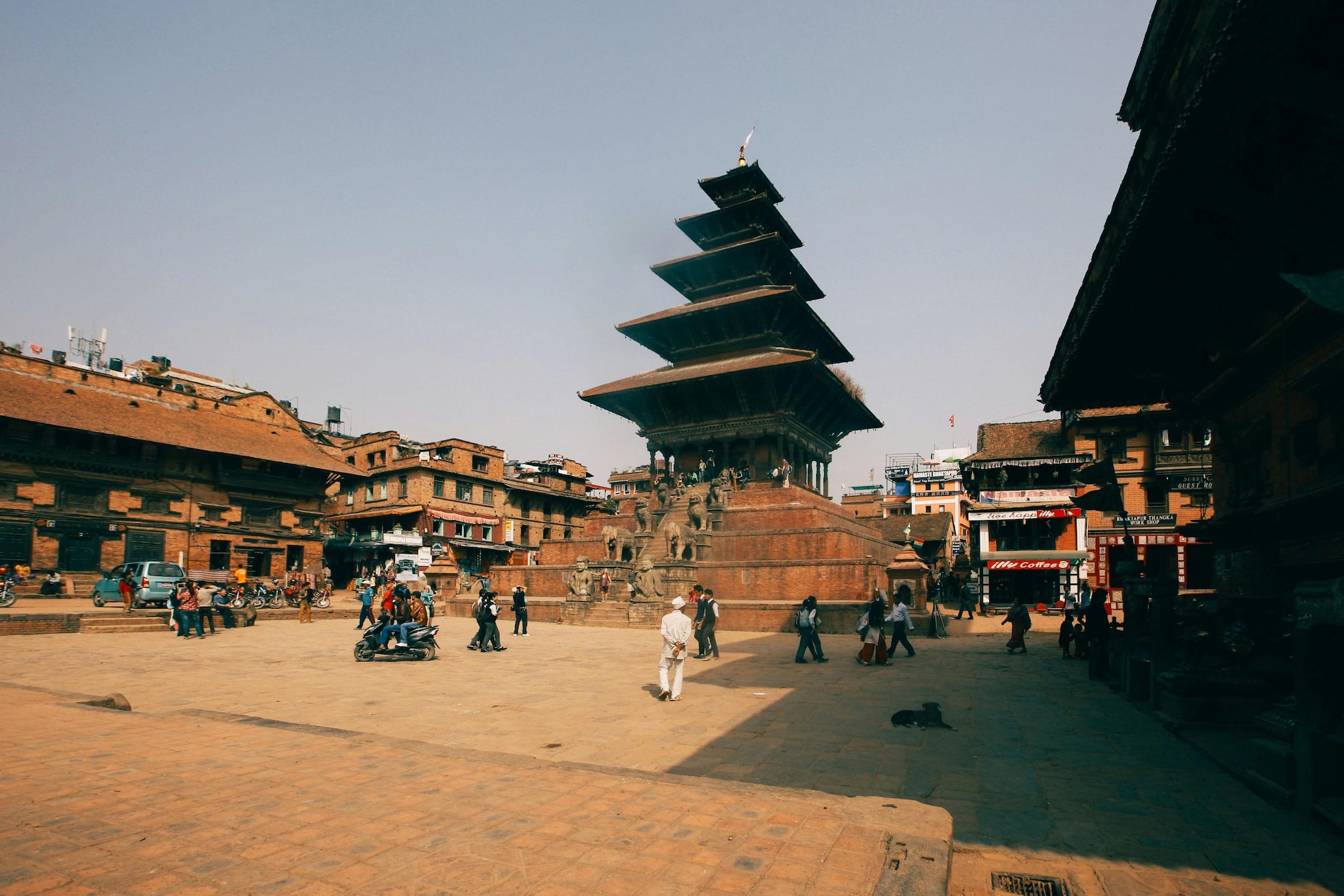
- Bhaktapur Durbar Square: Often described as a "living museum," Bhaktapur Durbar Square is arguably the best-preserved of the three royal cities. Its narrow, brick-paved streets, traditional Newari houses, and vibrant pottery squares offer an immersive glimpse into medieval Nepal. The iconic 55-Window Palace, with its intricate woodwork, and the towering Nyatapola Temple, a five-story pagoda dedicated to the goddess Siddhi Laxmi, are its most celebrated landmarks. Bhaktapur’s preservation efforts are particularly noteworthy, with a strong emphasis on community involvement in maintaining its traditional character.
Sacred Peaks and Sacred Sites: Centers of Spirituality and Natural Wonder
Nepal’s spiritual landscape is as diverse as its topography, with sites that hold profound meaning for both Buddhism and Hinduism.
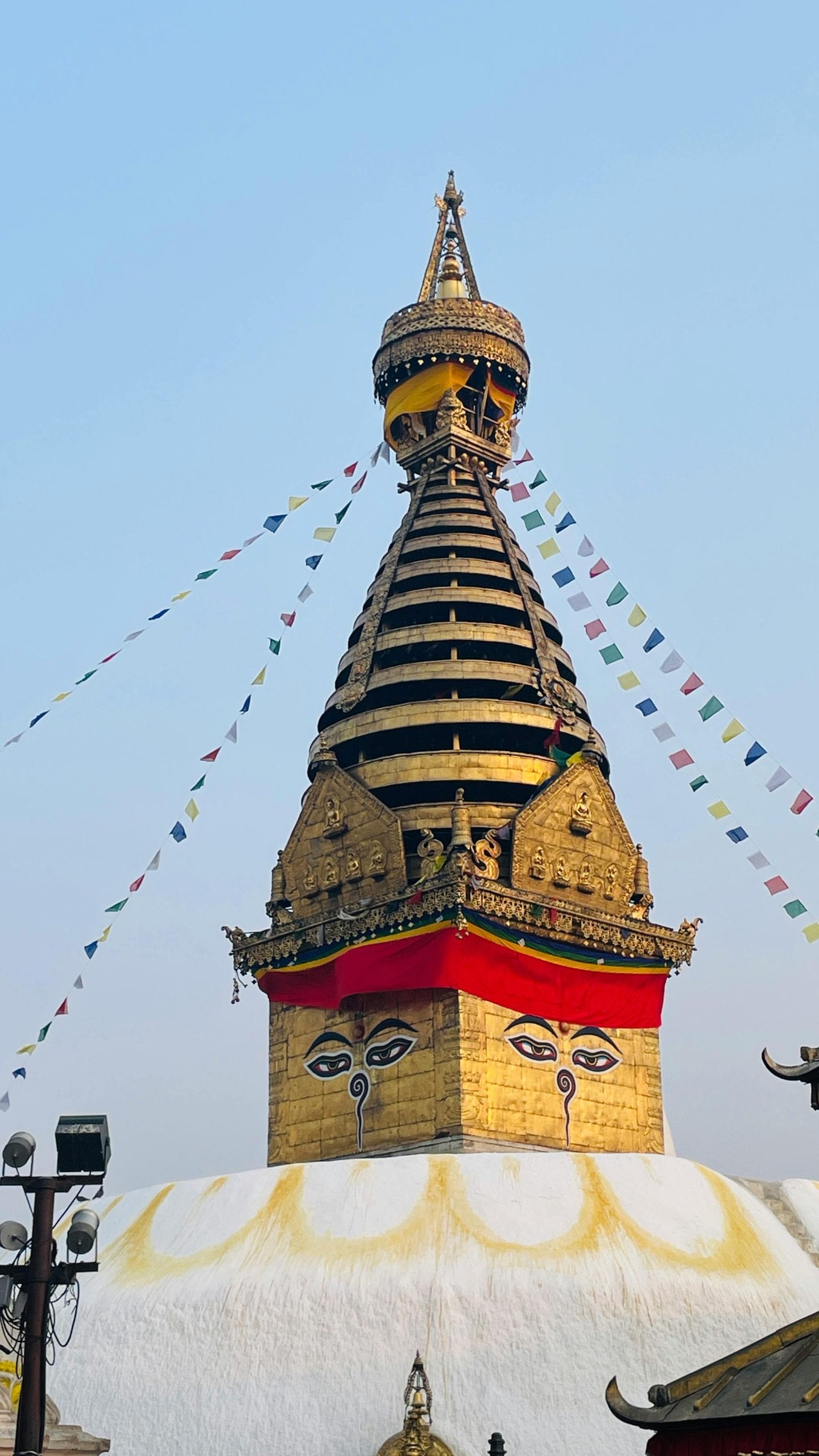
- Swayambhunath Stupa (Monkey Temple): Perched atop a hill overlooking the Kathmandu Valley, Swayambhunath is one of the oldest and most revered Buddhist pilgrimage sites in Nepal. The colossal stupa, adorned with the all-seeing eyes of Buddha, is a powerful symbol of enlightenment. The site is a vibrant blend of Buddhist and Hindu traditions, with numerous shrines and monasteries coexisting harmoniously. The presence of hundreds of sacred monkeys, believed to be manifestations of Manjushri, the bodhisattva of wisdom, adds to the mystical aura of the place. The panoramic views of Kathmandu from Swayambhunath are simply breathtaking.
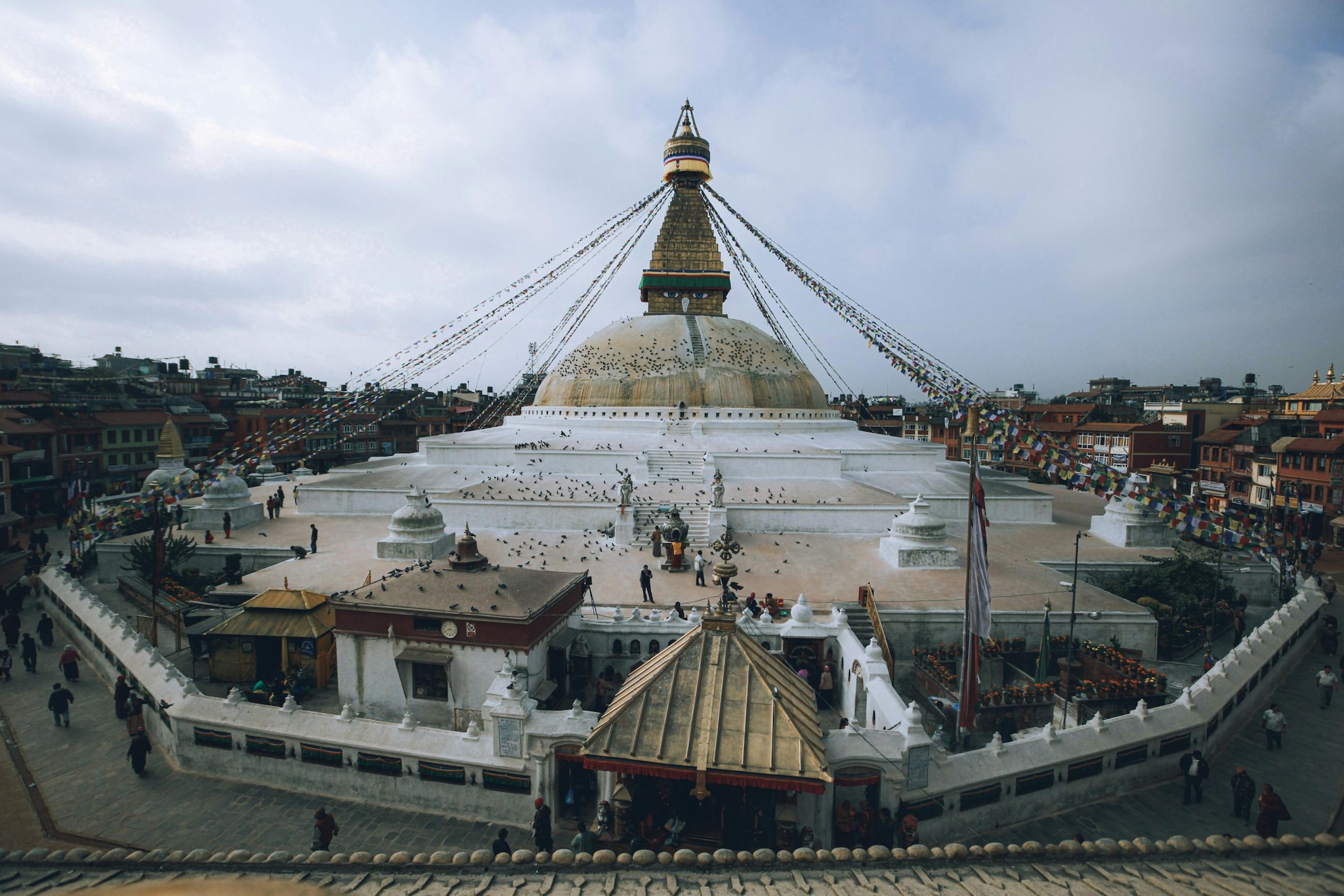
- Boudhanath Stupa: As one of the largest spherical stupas in the world, Boudhanath is the spiritual heart of Tibetan Buddhism in Nepal. The massive white dome, surrounded by colorful prayer flags and ancient monasteries, creates an atmosphere of profound peace and devotion. At sunset, the stupa becomes a focal point for pilgrims performing "kora" (circumambulation), their prayers and chants filling the air with an ethereal melody. The surrounding monasteries are centers of learning and practice, offering a glimpse into the rich traditions of Tibetan Buddhism.
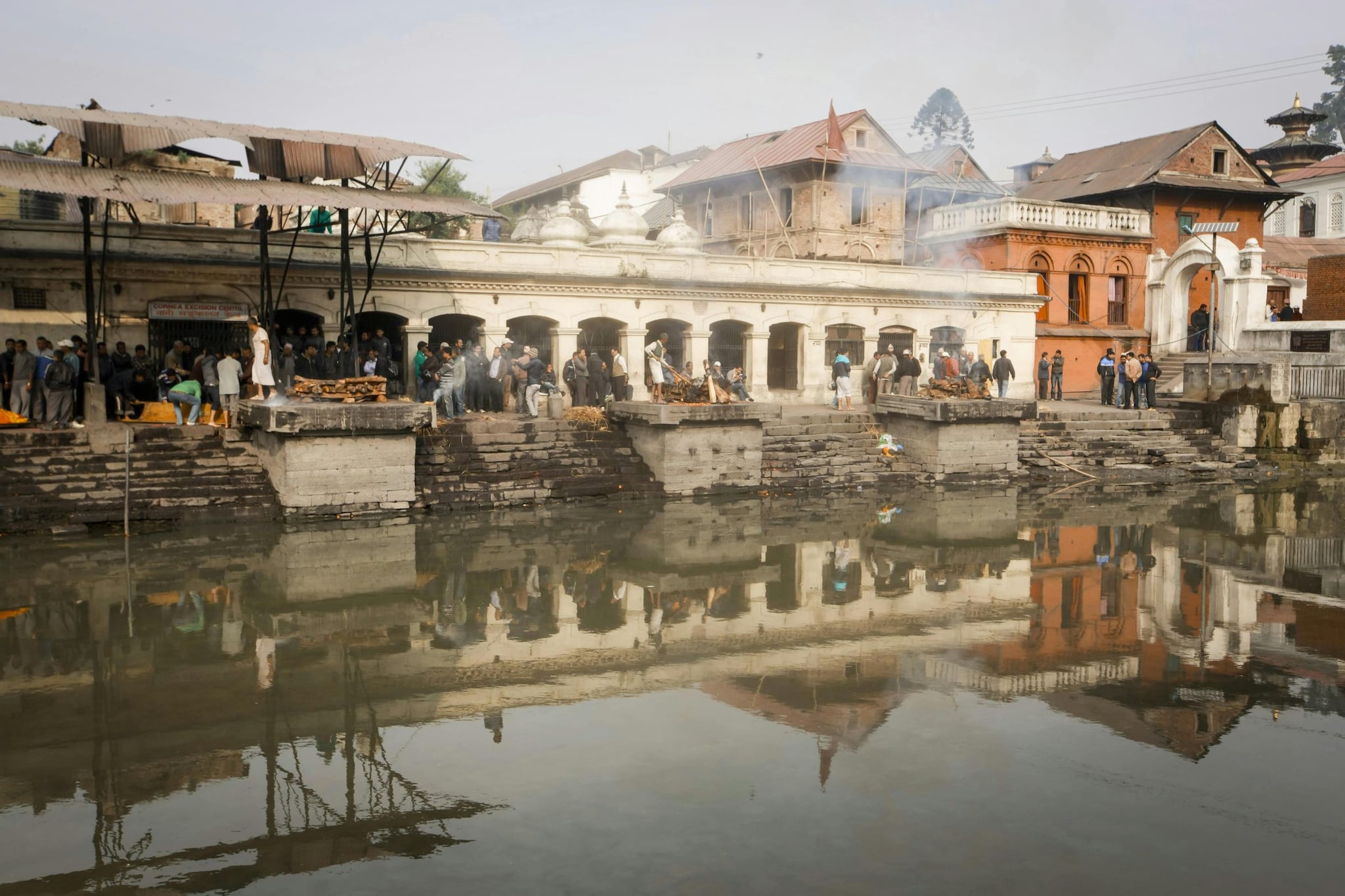
- Pashupatinath Temple: Situated on the banks of the sacred Bagmati River, Pashupatinath Temple is one of the most revered Hindu temples in Nepal, dedicated to Lord Shiva. This sprawling complex, with its intricate pagoda architecture and bustling ghats, is a place of intense spiritual energy. It is a significant site for cremation rituals, offering a profound contemplation of life and death. The temple complex is home to a vast collection of shrines, and its spiritual significance draws devotees from across the globe. The aura of devotion and the ancient rituals performed here offer a powerful connection to the Hindu faith.
- Changu Narayan Temple: Believed to be Nepal’s oldest Hindu temple, Changu Narayan is perched on a serene hilltop overlooking the Kathmandu Valley. This architectural marvel is renowned for its ancient stone carvings and exquisitely detailed woodwork, showcasing the artistic prowess of the Newari artisans. The temple is dedicated to Lord Vishnu in his form as Narayan and is surrounded by charming village trails and lush greenery, offering a tranquil retreat for visitors. Its historical significance as one of the earliest examples of Nepalese temple architecture makes it an invaluable site for understanding the evolution of Nepalese art and religion.
The Cradle of Enlightenment: Lumbini, the Birthplace of Buddha
A UNESCO World Heritage Site of immense global significance, Lumbini is the sacred birthplace of Siddhartha Gautama, the founder of Buddhism. The tranquil gardens of Lumbini house the Maya Devi Temple, marking the exact spot of Buddha’s birth, and the Ashoka Pillar, erected by the Indian Emperor Ashoka in the 3rd century BCE. The site also features a harmonious collection of international monasteries, representing various Buddhist traditions from around the world. Lumbini serves as a peaceful sanctuary for reflection, meditation, and a deep connection to the origins of a major world religion. The ongoing development and preservation efforts here continue to enhance its pilgrimage appeal and spiritual resonance.
Nature’s Masterpiece: Sagarmatha National Park
Beyond the realm of cultural and spiritual sites, Nepal’s UNESCO World Heritage also extends to its unparalleled natural beauty. Sagarmatha National Park, home to Mount Everest (Sagarmatha in Nepali), is a testament to the awe-inspiring power of nature. This park encompasses dramatic landscapes of towering peaks, vast glaciers, and unique alpine flora and fauna. It is also the ancestral home of the resilient Sherpa people, whose culture is intricately woven into the fabric of the Himalayas. The park offers some of the world’s most spectacular trekking routes, providing adventurers with an opportunity to witness the raw majesty of the highest mountains on Earth and experience the unique Sherpa way of life.
Supporting Data and Preservation Efforts
The designation of these sites as UNESCO World Heritage Sites underscores their universal value and the global responsibility to preserve them for future generations. Nepal, in collaboration with international organizations and local communities, has undertaken significant efforts to protect and restore these invaluable landmarks.
- Restoration and Reconstruction: Following the devastating earthquakes of 2015, Nepal, with the support of international partners, has made substantial progress in restoring damaged monuments within the Kathmandu Valley. These efforts have focused on traditional building techniques and materials to ensure authenticity.
- Community Involvement: The active participation of local communities has been crucial in the preservation of these sites. Their traditional knowledge and dedication play a vital role in maintaining the cultural integrity and daily life surrounding these heritage locations.
- Sustainable Tourism: Efforts are underway to promote sustainable tourism practices that balance visitor access with the conservation of these delicate cultural and natural environments. This includes managing visitor numbers, promoting responsible trekking in Sagarmatha National Park, and educating tourists about the importance of respecting local customs and heritage.
- Research and Documentation: Ongoing archaeological research and documentation are vital for understanding the historical evolution and cultural significance of these sites, providing valuable data for future preservation initiatives.
Official Responses and Global Significance
The Nepalese government, through its Ministry of Culture, Tourism and Civil Aviation, recognizes the immense cultural, spiritual, and economic importance of its UNESCO World Heritage Sites.
"Our UNESCO World Heritage Sites are not just historical monuments; they are the very soul of Nepal," stated a representative from the Ministry. "They embody our rich history, our diverse cultural tapestry, and our deep spiritual connection to the land. We are committed to their preservation and to sharing their wonder with the world in a responsible and sustainable manner."
The international recognition granted by UNESCO highlights the global significance of Nepal’s heritage. These sites contribute to a deeper understanding of human civilization, religious diversity, and the harmonious relationship between humanity and nature. They serve as educational resources, inspire cultural exchange, and foster a sense of shared global responsibility for heritage conservation.
Implications for the Future: Tourism, Culture, and Conservation
The enduring allure of Nepal’s UNESCO World Heritage Sites has profound implications for the nation’s future.
- Economic Impact: These sites are significant drivers of tourism, contributing substantially to Nepal’s economy. Sustainable tourism development can create employment opportunities, support local businesses, and foster economic growth while ensuring the long-term preservation of these treasures.
- Cultural Preservation: The focus on heritage sites reinforces the importance of traditional arts, crafts, and practices. It encourages the younger generation to connect with their roots and actively participate in preserving their cultural identity.
- Spiritual and Educational Value: For pilgrims and travelers alike, these sites offer profound spiritual experiences and invaluable educational opportunities. They provide insights into ancient philosophies, religious practices, and the evolution of human civilization.
- Environmental Stewardship: The inclusion of Sagarmatha National Park underscores the critical need for environmental conservation. Protecting these natural wonders is essential for biodiversity, climate resilience, and the well-being of both local communities and the global ecosystem.
Nepal’s UNESCO World Heritage Sites are more than just destinations; they are living legacies that offer a profound journey into the heart of a nation steeped in spirituality, history, and natural grandeur. As Nepal continues its path of development and recovery, the unwavering commitment to preserving these irreplaceable treasures will undoubtedly ensure that their profound stories continue to inspire and enchant generations to come.
