

New Delhi, India – May 19, 2026 – In a remarkable display of resilience, the global cruise tourism industry is navigating a fresh wave of health concerns with unwavering momentum. Despite recent headlines detailing outbreaks of Hantavirus and Norovirus on passenger vessels, industry experts and booking trends indicate that the allure of the open sea and meticulously planned itineraries remains potent, largely unfazed by these episodic challenges. This enduring appeal is propelling the sector towards another record-breaking year, underscoring a profound shift in traveler psychology and the industry’s own adaptive strategies.
For an industry that experienced an unprecedented near-standstill during the COVID-19 pandemic, its swift and robust rebound has been a subject of considerable analysis. The current resilience, in the face of concerns over Hantavirus and Norovirus, is a testament to a confluence of factors, from the inherent appeal of cruise vacations to the sophisticated health protocols now ingrained within the industry.
The Latest Headlines and Lingering Concerns
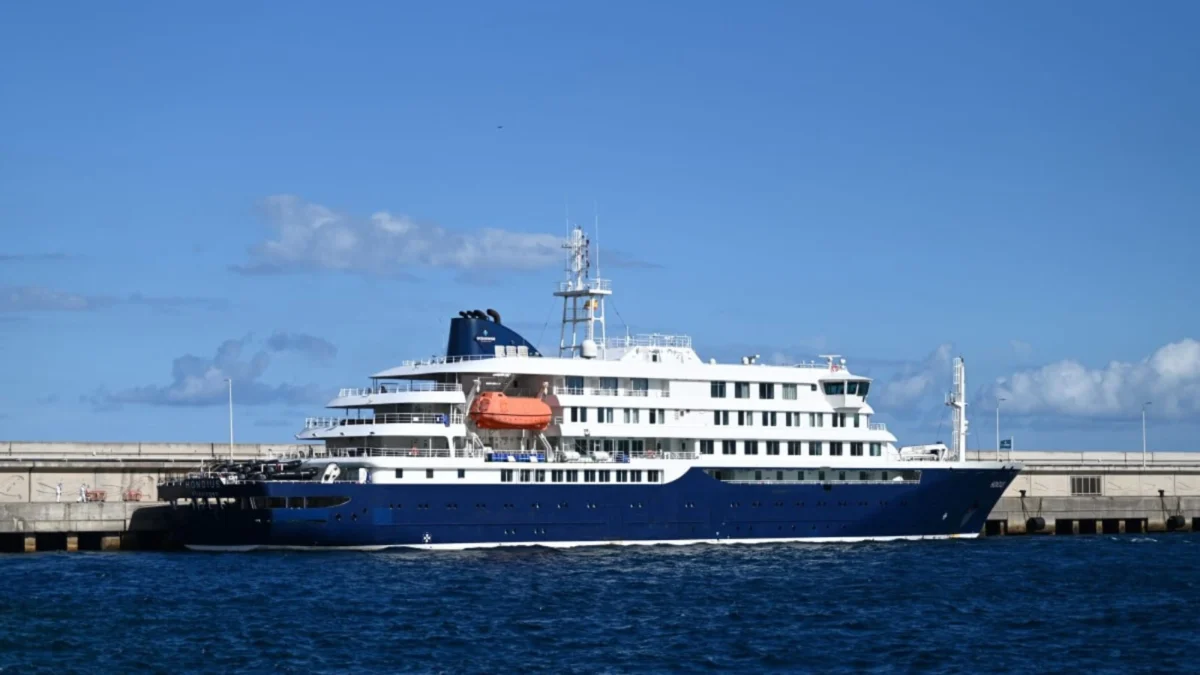
The past few weeks have seen a resurgence of public attention on health risks associated with cruise travel. Most notably, reports emerged of three passenger fatalities aboard the expedition ship Hondius, linked to a Hantavirus outbreak following a stop in Argentina. Simultaneously, a British cruise ship docked in Bordeaux, France, reported a cluster of Norovirus cases, a highly contagious gastrointestinal illness notorious for its rapid spread in enclosed environments such as ships, hotels, and educational institutions.
These incidents, while concerning, have not translated into a significant downturn in bookings or a dampening of overall demand. This phenomenon is attributed to a perceived immunity among cruise passengers to such news. As Rob Kwortnik, an associate professor at Cornell University’s Nolan School of Hotel Administration, articulated to the Associated Press, "The cruise consumer seems to be somewhat Teflon when it comes to stories like this." This suggests a sophisticated traveler who weighs potential risks against the perceived value and experience offered by a cruise.
A Statistical Snapshot of Enduring Popularity
The robust health of the cruise industry is not merely anecdotal; it is supported by compelling statistical data. The Cruise Lines International Association (CLIA), the world’s largest cruise industry trade association, projects that an estimated 38.3 million passengers will embark on ocean cruises in 2024. This figure represents a notable 4% increase over the record-breaking 37.2 million travelers who sailed in 2023, signaling a continuous upward trajectory for the sector.
This sustained growth is particularly significant when viewed against the backdrop of the industry’s recent past. The COVID-19 pandemic had a devastating impact, turning cruise ships into symbols of global outbreak anxiety and isolation. The infamous quarantine of the Diamond Princess off the coast of Japan in early 2020 served as a stark visual representation of the vulnerability of these floating micro-cities to infectious diseases.
The Shadow of COVID-19 and the Road to Recovery
The cruise industry’s relationship with infectious diseases is not a new phenomenon. Long before the advent of COVID-19, outbreaks of common illnesses like Norovirus were a recurring challenge due to the close proximity of passengers and crew. However, the scale and global impact of the COVID-19 pandemic fundamentally reshaped public perception. For months, cruise ships were synonymous with uncontrolled outbreaks and health crises, leading to widespread cancellations and a deep economic downturn for the sector.
Andrew Coggins, a seasoned cruise analyst and professor at Pace University, notes that the recent coverage of Hantavirus likely taps into lingering memories of the pandemic’s initial impact. "The Covid-19 pandemic devastated the cruise industry," Coggins stated, highlighting that meaningful passenger growth only began to recover around 2022. Despite this severe setback, the subsequent recovery has been remarkably swift and has, in fact, accelerated in recent years.
Even in regions like India, the sentiment echoes this global trend. In2 Cruises, a prominent digital platform focused on cruise tourism in Asia, reports that the Hantavirus scare has had no discernible impact on cruise bookings or interest within the Indian market. This suggests a widespread confidence in the industry’s ability to manage health-related challenges.
The Enduring Allure of the Cruise Experience
Several factors contribute to the remarkable resilience and sustained demand for cruise vacations:
- Broad Demographic Appeal: Cruise holidays have transcended their traditional image of catering solely to retirees. Today, they attract a diverse range of travelers, from young Gen Z adventurers seeking curated experiences to millennials looking for all-inclusive, socially engaging vacations. A recent survey by Bank of America indicated that millennials and Gen Z respondents expressed significant interest in taking cruises in the coming year, highlighting the evolving demographic of cruise enthusiasts.
- The All-Inclusive Value Proposition: Many cruise packages offer an attractive all-inclusive model, bundling accommodation, dining, entertainment, and transportation to multiple destinations. This predictability in budgeting and the comprehensive nature of the offering hold significant appeal for travelers seeking a hassle-free vacation.
- Curated Itineraries and Destination Immersion: Cruises provide a unique opportunity to visit multiple destinations without the logistical complexities of individual travel arrangements. Modern cruise lines meticulously craft itineraries, offering passengers a curated glimpse into various cultures and landscapes, often with pre-arranged shore excursions that enhance the travel experience.
- Social Connectivity and Onboard Experience: Cruise ships have evolved into vibrant floating resorts, offering a wide array of entertainment, dining, and social activities. This creates a conducive environment for social interaction, making cruises an attractive option for groups, families, and solo travelers seeking connection and shared experiences.
- Experiential Travel Trend: The broader global trend towards experiential travel, where travelers prioritize authentic and memorable experiences over material possessions, aligns perfectly with the offerings of cruise tourism. Cruises provide a platform for immersive cultural engagement, adventure, and relaxation, all within a single journey.
Navigating a World of Perceived Risk
The cruise industry operates within a broader context where travelers are increasingly accustomed to managing perceived risks associated with global travel. From the persistent threat of pandemics and isolated food-poisoning incidents to concerns about extreme weather events and air turbulence, modern travel inherently involves a degree of uncertainty. Cruise tourism, by its very nature, amplifies these anxieties due to the concentrated environment of a ship. However, travelers appear to be making a calculated assessment, weighing these potential risks against the significant experiential rewards.
Industry Responses and Future Outlook
Companies directly impacted by recent outbreaks have publicly expressed confidence in the continued strength of demand. Oceanwide Expeditions, the operator of the Hondius, has indicated that it does not anticipate any significant operational changes in response to the Hantavirus incident, underscoring a belief in the robustness of their existing health and safety protocols. Similarly, Viking, a prominent cruise line, has reported exceptionally strong future booking numbers, with an impressive 92% of its 2026 cruises already fully booked.
This forward-looking optimism is further bolstered by the financial realities of cruise bookings. Many passengers book their voyages months, and sometimes even years, in advance. This long booking window, coupled with cancellation policies that often incur substantial penalties for last-minute changes, creates a significant financial commitment. As Professor Coggins points out, "If you’re cruising in the next few months, you’re past the point at which you can get your money back." This financial entanglement, combined with the enduring desire for enriching travel experiences, acts as a powerful buffer against short-term health scares.
The cruise industry has demonstrably learned from the unprecedented challenges of the COVID-19 pandemic. Enhanced sanitation protocols, rigorous health screening measures, and swift response mechanisms are now integral to operations. While isolated incidents may continue to surface in headlines, the underlying demand for cruise tourism remains remarkably robust, driven by a traveler base that is increasingly sophisticated in its risk assessment and unwavering in its pursuit of memorable global adventures. The industry’s ability to not only recover but to thrive in the face of adversity positions it as a significant and enduring force within the global travel landscape.
