

Powered by: Tech2
Last Updated: May 19, 2026, 13:38 IST
CUPERTINO, CALIFORNIA – Apple Inc. has officially announced the highly anticipated schedule for its annual Worldwide Developers Conference (WWDC) 2026, marking June 8 as the pivotal date for its opening keynote. Set to commence at 10:30 PM IST, this event is widely regarded as the company’s most significant software showcase of the year, promising a comprehensive look at the evolution of the iPhone, iPad, Mac, Apple Watch, and the broader Apple intelligence ecosystem. Industry observers and tech enthusiasts alike are bracing for a week packed with revelations, particularly surrounding the profound integration of artificial intelligence across all Apple platforms.
The digital curtain will rise on WWDC 2026 on June 8, extending through June 12, offering a primarily online experience that is free and accessible to a global audience. While the virtual format ensures widespread participation, Apple will also host a special, exclusive in-person event at its iconic Apple Park headquarters in Cupertino, California, catering to a select group of developers and students. This hybrid approach underscores Apple’s commitment to fostering its developer community while leveraging digital platforms for unparalleled reach.
At the core of this year’s conference are expected to be the unveilings of major software updates, including the next iterations of its flagship operating systems: iOS 27 for iPhone, iPadOS 27, macOS 27, watchOS 27, tvOS 27, and visionOS 27. However, the resounding theme anticipated to dominate discussions and presentations is the significant upgrade to "Apple Intelligence," poised to dramatically enhance Siri’s capabilities and infuse new, powerful AI features across a myriad of applications and developer tools. This focus signals a strategic pivot for Apple, solidifying its position in the rapidly accelerating artificial intelligence landscape.
The Main Facts: A Glimpse into Apple’s Software Horizon
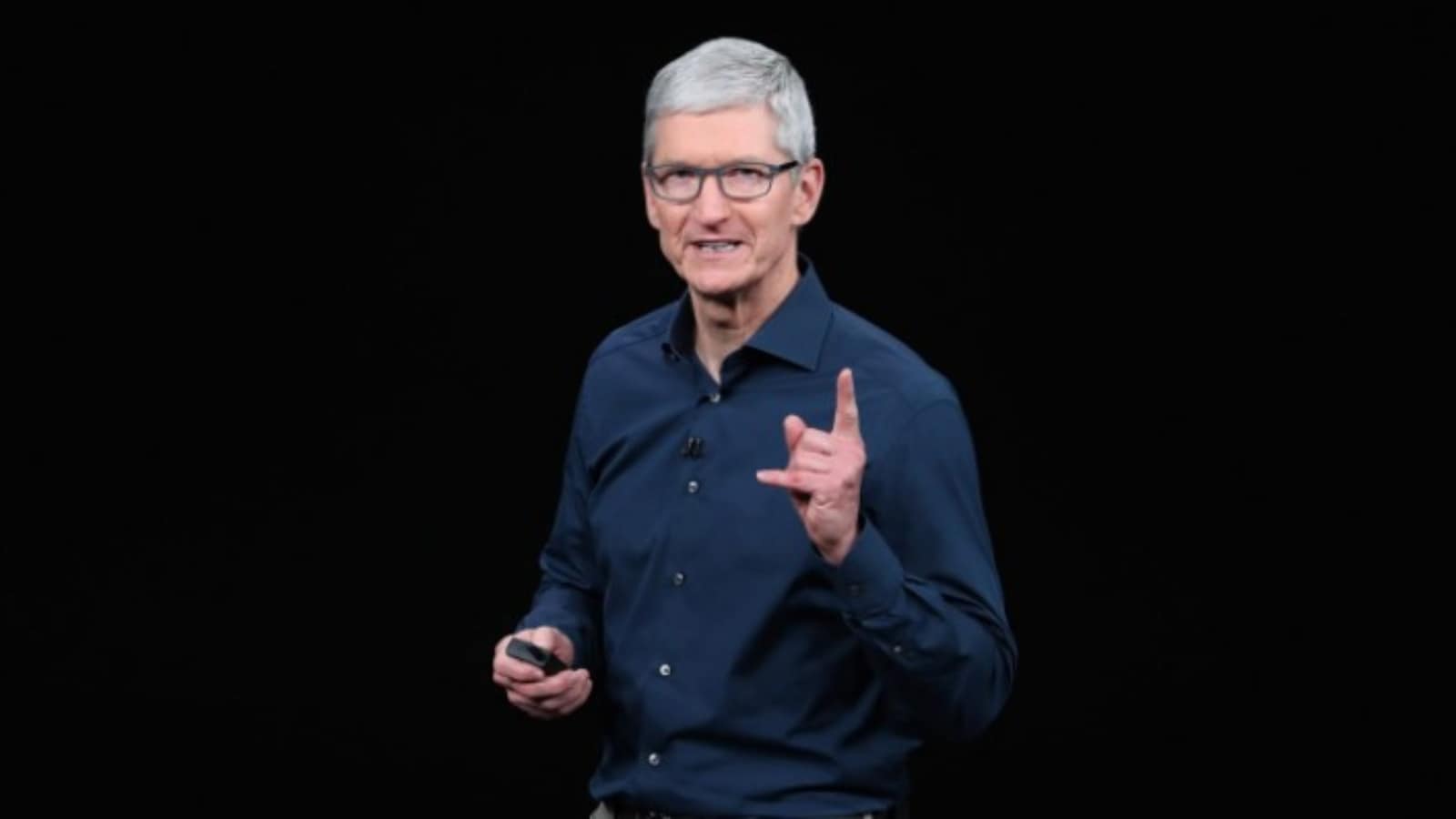
The official announcement from Apple has set the stage for WWDC 2026, confirming key dates and the overarching focus. From June 8 to June 12, developers, media, and consumers worldwide will turn their attention to Cupertino. The highlight remains the opening keynote on June 8, slated for 10:30 PM IST, where CEO Tim Cook and his senior executive team are expected to deliver the week’s most impactful announcements. This initial presentation traditionally sets the tone for the entire conference, offering a high-level overview of Apple’s strategic direction in software and services.
Following the keynote, a more technically oriented session, the "Platforms State of the Union," will commence around 1:30 AM IST on June 9. This session is crucial for developers, providing a deeper dive into the new technologies, frameworks, and APIs that will underpin the next generation of Apple software. It’s here that the technical nuances of the announcements made during the keynote are elaborated, equipping developers with the knowledge needed to innovate on Apple’s platforms.
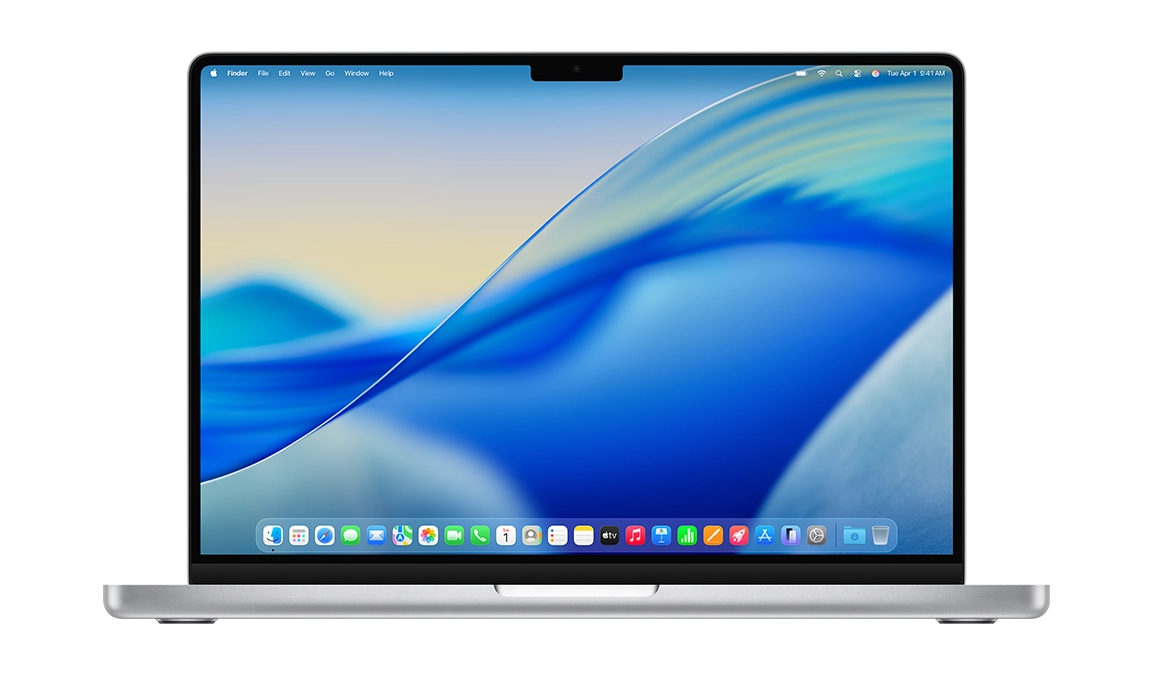
The sheer scale of anticipated updates is noteworthy. Expected are iOS 27 for iPhones, promising a refreshed user experience and potentially groundbreaking new functionalities; iPadOS 27, which could further bridge the gap between tablet and traditional computing; macOS 27, likely bringing enhanced productivity tools and seamless integration across devices; and updates to watchOS 27, tvOS 27, and visionOS 27, extending the reach of Apple’s software prowess to wearables, home entertainment, and spatial computing. However, the buzz unequivocally centers on "Apple Intelligence" and a significantly smarter Siri, marking a potential paradigm shift in how users interact with their devices.
A Chronology of Innovation: The WWDC 2026 Schedule
WWDC is not merely a single event but a week-long immersion into Apple’s technological advancements. The structured chronology of the conference is meticulously designed to disseminate information, foster collaboration, and inspire innovation within the developer community.
June 8, 10:30 PM IST: The Opening Keynote
This is the moment of peak anticipation. Broadcast live globally, the keynote serves as Apple’s grand reveal. Historically, it’s where new operating systems are first showcased, and significant strategic directions are articulated. For WWDC 2026, the focus on "Apple Intelligence" suggests this keynote will be particularly heavy on demonstrations of new AI capabilities, alongside the first public glimpses of iOS 27, macOS 27, and other platform updates. CEO Tim Cook typically leads this presentation, joined by various senior vice presidents who detail specific features and advancements.
June 9, 1:30 AM IST: Platforms State of the Union
Following the high-level announcements of the keynote, the Platforms State of the Union provides the technical bedrock. This session is specifically tailored for developers, offering a more in-depth look at the new APIs, development tools, and best practices. It’s essential for understanding how to leverage the newly announced features in their applications. For 2026, this session is expected to provide critical insights into the new AI frameworks and tools developers can integrate into their apps, potentially revolutionizing app functionality across the board.
June 9 – June 12: A Week of Deep Dives and Developer Engagement
The remainder of the week is dedicated to a comprehensive program designed to empower developers:
- Technical Sessions: Over 100 in-depth sessions will be conducted by Apple engineers, covering every aspect of the newly introduced software, frameworks, and tools. These sessions offer practical guidance, code examples, and architectural insights, allowing developers to immediately begin integrating new features. Given the AI focus, many sessions will likely delve into machine learning APIs, privacy-preserving AI, and advanced Siri integration.
- Group Labs & One-on-One Appointments: These interactive opportunities are invaluable. Developers can sign up for group labs to work collaboratively on specific challenges or secure one-on-one appointments with Apple engineers for personalized guidance and troubleshooting. This direct access to Apple’s experts is a cornerstone of WWDC’s value proposition, enabling developers to overcome hurdles and refine their implementations.
- Developer Forums: Throughout the week, the Apple Developer Forums become a vibrant hub for discussion, problem-solving, and community building. Developers can connect with peers, ask questions, and share insights, creating a collaborative environment that extends beyond the conference itself.
- Apple Design Awards: Held during the week, the Apple Design Awards celebrate excellence in app design and innovation. This prestigious recognition highlights apps that demonstrate outstanding technical achievement, creativity, and user experience. It serves as an inspiration for the entire developer community, showcasing the pinnacle of what can be achieved on Apple’s platforms.
Supporting Data: The Underpinnings of Anticipation
While the original article provides a schedule, the "supporting data" for WWDC 2026 lies in the broader technological trends and Apple’s historical trajectory. The emphasis on artificial intelligence is not merely a feature; it’s a strategic imperative driven by an industry-wide shift.
The AI Imperative: The global technology landscape is currently undergoing a profound transformation driven by advancements in artificial intelligence. From large language models (LLMs) to sophisticated machine learning algorithms, AI is reshaping how users interact with technology. Competitors like Google, Microsoft, and OpenAI have made significant strides in generative AI and intelligent assistants. Apple, known for its deliberate and polished approach, is now expected to unveil its comprehensive vision for integrating cutting-edge AI, branded as "Apple Intelligence," into its tightly controlled ecosystem. This isn’t just about catching up; it’s about defining how AI will function within a privacy-centric, integrated hardware-software experience.
Evolution of Siri: Siri, while a pioneer in voice assistants, has faced criticism for lagging behind competitors in terms of contextual understanding and advanced capabilities. The "significant Apple Intelligence upgrades for Siri" are therefore a critical piece of the puzzle. Analysts predict a multi-modal Siri, capable of deeper integration with on-device data, proactive assistance based on user habits, and more natural, conversational interactions. This could transform Siri from a basic command-and-response tool into a truly intelligent personal assistant embedded across the Apple ecosystem.
Platform Unification and Interoperability: Apple has consistently pushed for seamless interoperability between its devices through features like Continuity. Updates to iOS 27, iPadOS 27, and macOS 27 are expected to further refine this integration, potentially leveraging AI to make transitions between devices even smoother and more intuitive. Imagine an AI-powered handoff feature that intelligently anticipates your next action across different Apple devices.
Privacy as a Differentiator: In an era where AI often raises concerns about data privacy, Apple’s long-standing commitment to user privacy becomes a crucial differentiator. Any new AI features are expected to be designed with privacy at their core, likely employing on-device processing where possible and robust data minimization techniques. This approach is not just a feature but a fundamental principle that could set Apple’s AI offerings apart from others.
Official Responses (Implicit and Expected): Apple’s Messaging
While the provided text is an announcement and not a direct quote from an Apple executive, the messaging is clear: WWDC 2026 is poised to be a landmark event for Apple’s software and AI strategy.
The official announcement itself, through its language and highlighted expectations, serves as Apple’s implicit response to market demands and competitive pressures. By explicitly mentioning "significant Apple Intelligence upgrades for Siri" and a heavy focus on AI, Apple is signaling its intent to be a major player in the evolving AI landscape. The phrase "the company’s biggest software event of the year, one that could offer a closer look at the future of the iPhone, iPad, Mac and Apple Watch" is a powerful statement, conveying the magnitude of the upcoming announcements.
Were there to be an explicit quote, it might echo sentiments like:
"We are incredibly excited to welcome developers from around the world to WWDC 2026," a hypothetical Apple executive might state. "This year, we believe we are laying the groundwork for the next era of personal computing, with groundbreaking advancements in artificial intelligence and deep integrations across all our platforms. We look forward to empowering our developers with the tools to create experiences that are more intelligent, intuitive, and personal than ever before, all built with Apple’s unwavering commitment to privacy."
This hypothetical response encapsulates Apple’s dual focus on technological innovation and its core values, reinforcing the significance of the "Apple Intelligence" branding as more than just a feature set but a strategic direction.
Implications: Reshaping the User Experience and Developer Landscape
The announcements at WWDC 2026 are expected to have far-reaching implications, impacting users, developers, and the broader technology industry.
For Users: A More Intelligent and Seamless Experience
The primary implication for end-users will be a significantly more intelligent and personalized experience across all Apple devices. A smarter Siri, powered by Apple Intelligence, could transform daily interactions, making devices more proactive, helpful, and contextually aware. Imagine an iPhone that can intelligently summarize lengthy articles, suggest relevant actions based on your calendar and location, or seamlessly integrate complex multi-step commands into a single voice request. This could lead to a reduction in cognitive load, making technology feel more like a natural extension of oneself rather than a tool requiring constant explicit instruction. Furthermore, AI enhancements in apps like Photos, Notes, and Mail could streamline workflows and unlock new creative possibilities for everyday users.
For Developers: New Frontiers of Innovation
For the vast community of Apple developers, WWDC 2026 represents an opening of new frontiers. The introduction of new AI frameworks and APIs within iOS 27, macOS 27, and other platforms will empower developers to embed sophisticated intelligence directly into their applications. This could lead to a wave of innovative apps that offer personalized recommendations, advanced content creation tools, more intelligent automation, and entirely new categories of experiences, particularly in spatial computing with visionOS 27. The ability to harness Apple Intelligence in a privacy-preserving manner will be a significant advantage, potentially fostering trust and greater user adoption for AI-powered features within third-party apps. The technical sessions and one-on-one labs will be crucial for developers to quickly adapt to and exploit these new capabilities.
For the Industry: Redefining the AI Race
Apple’s comprehensive AI strategy, as unveiled at WWDC 2026, will undoubtedly send ripples through the entire tech industry. Its approach to "Apple Intelligence" – likely emphasizing on-device processing, user privacy, and deep integration across hardware and software – could set a new benchmark for how AI is implemented responsibly. This might challenge competitors to re-evaluate their own AI strategies, particularly concerning data handling and user control. Apple’s entry into the advanced AI arena with its characteristic polished execution could accelerate innovation across the board, pushing the boundaries of what consumers expect from intelligent technology. Moreover, the success of visionOS 27 and its AI integration could heavily influence the trajectory of spatial computing and mixed reality, drawing more developers and investment into that nascent field.
Privacy and Trust: Apple’s Enduring Differentiator
In an increasingly data-driven world, Apple’s unwavering commitment to privacy remains a cornerstone of its brand identity. The implications of integrating powerful AI must, therefore, be viewed through this lens. Experts anticipate that Apple Intelligence will be architected in a way that prioritizes user privacy, potentially through federated learning, on-device machine learning, and strict controls over data sharing. If Apple can successfully deliver advanced AI capabilities while maintaining its high standards for privacy, it will not only strengthen user trust but also establish a unique competitive advantage in a crowded market. This delicate balance will be a critical aspect to watch during the WWDC presentations and subsequent developer documentation.
In conclusion, WWDC 2026 is poised to be more than just an annual software update event. It represents a strategic declaration from Apple, signaling its definitive entry into the next generation of artificial intelligence. With a focus on "Apple Intelligence" and comprehensive updates across its entire ecosystem, the conference promises to unveil a future where Apple devices are not just smarter, but profoundly more intuitive, personal, and seamlessly integrated into the fabric of daily life, all while upholding the company’s foundational commitment to privacy. The world watches, eager to see how Apple will once again redefine the boundaries of personal technology.
