

Last Updated: May 22, 2026, 22:00 IST
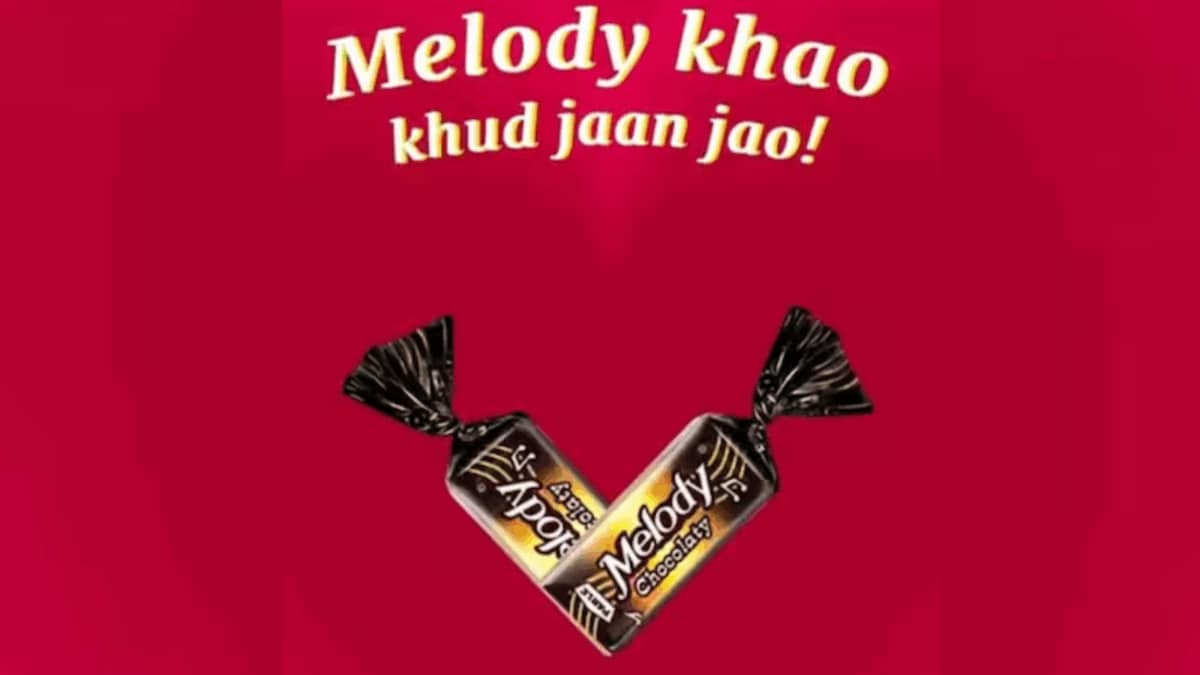
New Delhi: A seemingly simple gesture during Prime Minister Narendra Modi’s recent visit to Italy sparked a viral sensation, igniting a wave of nostalgia and affection across social media platforms. When Prime Minister Modi presented his Italian counterpart, Giorgia Meloni, with Parle’s iconic chocolate-filled candy, ‘Melody’, the moment resonated deeply, swiftly morphing into the popular "Melodi" memes. Yet, beyond the lighthearted virality, this exchange inadvertently cast a spotlight on the profound legacy of an Indian entrepreneurial titan whose journey began in the most unassuming of circumstances: Mohanlal Dayal Chauhan, the visionary founder of Parle Products. His story is a testament to resilience, foresight, and an unwavering commitment to making quality products accessible to every Indian household, transforming a struggling tailor’s dream into one of India’s largest Fast-Moving Consumer Goods (FMCG) empires.
The Melody Moment: A Symbol of National Pride and Enduring Legacy
The ‘Melody’ candy, with its familiar "Melody itni chocolaty kyun hai?" tagline, has been a staple of Indian childhoods for decades. Its selection as a diplomatic gift was not merely a choice of confectionery; it was an unspoken acknowledgment of Parle’s deep-rooted presence in the Indian psyche and its remarkable journey from humble beginnings to a global brand. This public endorsement by the Prime Minister underscored the brand’s status as a cultural touchstone and a symbol of indigenous industrial success, echoing the ‘Swadeshi’ spirit that guided its formative years. The subsequent digital explosion, characterized by countless memes and heartfelt reminisces, served as a powerful reminder of how deeply ingrained Parle products are in the collective memory and everyday lives of Indians, transcending generations and socio-economic strata.
The Humble Origins of a Visionary: From Tailor to Entrepreneur
Long before Parle Products became a household name synonymous with affordability and quality, its progenitor, Mohanlal Dayal Chauhan, was merely a struggling tailor in the bustling metropolis of Mumbai. His journey began almost a century ago, not with grand entrepreneurial ambitions in the food industry, but with the pragmatic goal of earning a living. According to reports from ET Now, Chauhan initially plied his trade in the Vile Parle area of Mumbai, meticulously stitching garments, a common occupation for many aspiring individuals seeking a foothold in the rapidly urbanizing city. However, the tailoring business proved to be a challenging venture, fraught with uncertainties and intense competition. The economic landscape of the early 20th century, still under colonial rule, presented formidable obstacles for small-scale entrepreneurs, and Chauhan found himself at a crossroads.
It was this struggle, this imperative to adapt and survive, that proved to be the pivotal turning point. Recognizing the limitations of his current profession, Chauhan made a bold decision to pivot, shifting his focus entirely from the garment business to the nascent food trade. This move, driven by necessity, demonstrated an innate entrepreneurial spirit – a willingness to identify new opportunities and the courage to change direction in the face of adversity. This critical transition marked the embryonic stage of what would eventually burgeon into a monumental enterprise.
The Genesis of Parle Products: A Bakery’s Humble Beginnings
Chauhan’s foray into the food industry began modestly, with the establishment of a small bakery. This venture was far removed from the mechanized factories and expansive distribution networks that characterize modern FMCG operations. Instead, it was a local endeavor, focusing on the production and sale of essential baked goods such as bread, snacks, and the immensely popular nankhatais. At this time, Mumbai was experiencing significant demographic shifts, with a burgeoning working-class population seeking affordable and nutritious food options. Locally baked goods, being both economical and satisfying, were rapidly gaining popularity among these families.
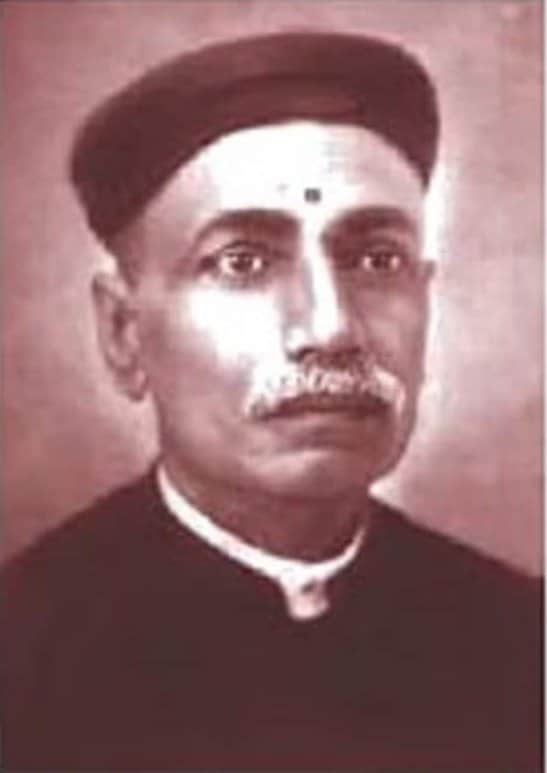
What started as a desperate attempt to sustain his family gradually blossomed into a viable business opportunity. Chauhan meticulously oversaw the operations, ensuring quality and catering to the specific tastes and economic constraints of his clientele. The bakery’s success, however localized, laid the foundational understanding of consumer needs and market dynamics that would prove invaluable in the years to come. Over time, the scope of the bakery expanded beyond basic bread and snacks. Chauhan began to diversify his offerings, venturing into biscuits and other confectionery products. This strategic expansion was a crucial step, setting the stage for a much larger, more ambitious enterprise that would eventually challenge the established norms of the Indian food market.
Formal Establishment and a Bold Investment (1929)
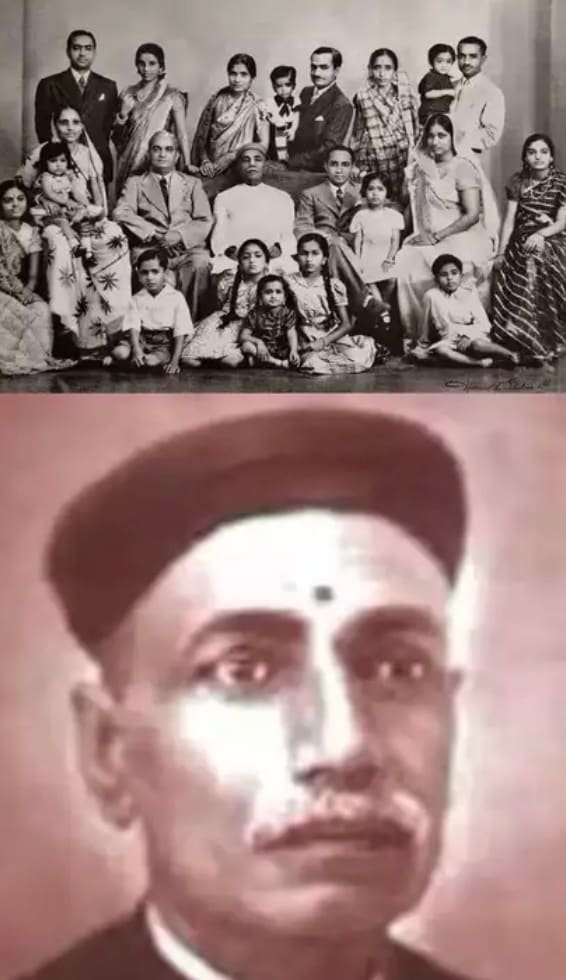
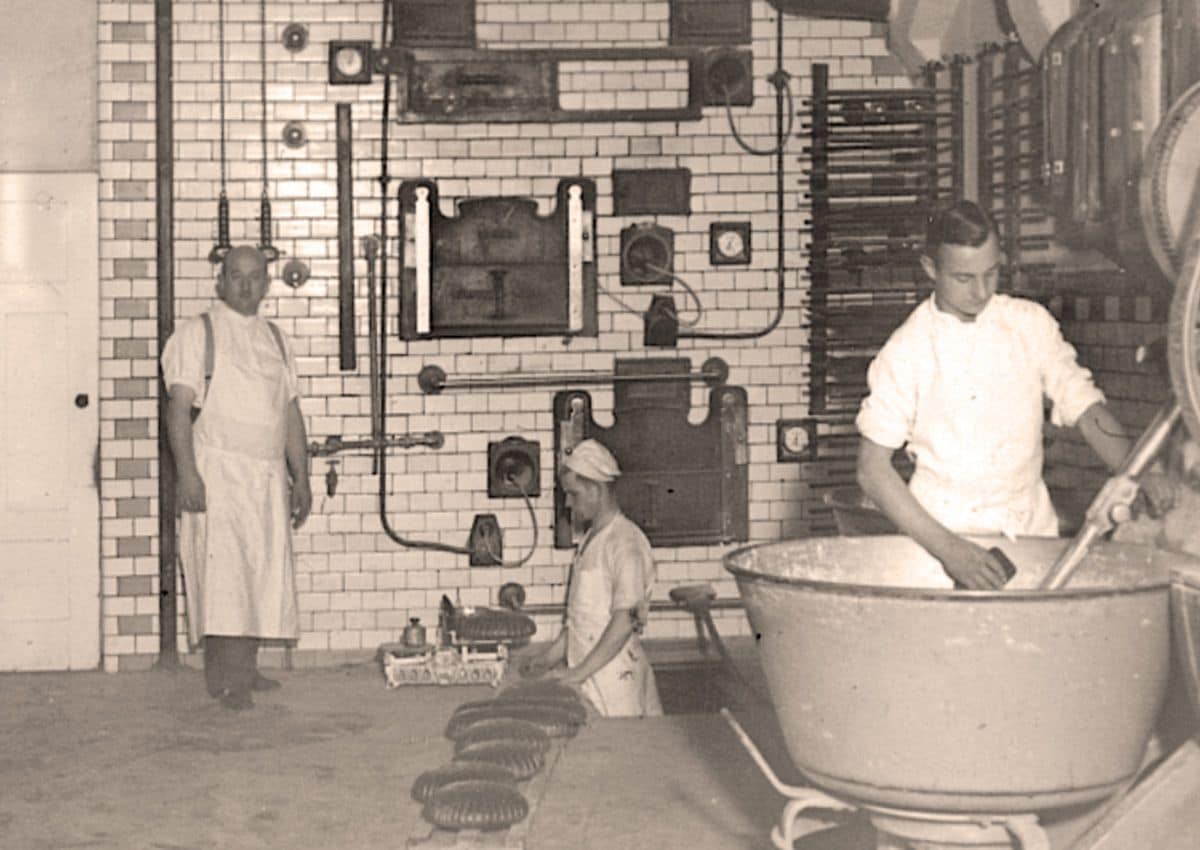
The year 1929 marked a monumental turning point for Mohanlal Dayal Chauhan and his burgeoning enterprise. It was in this year that the Chauhan family formally established what would later be known as Parle Products. This formalization was accompanied by a significant and audacious investment: Mohanlal invested approximately Rs 60,000 to import state-of-the-art biscuit-making machines from Germany. In the economic context of 1929 India, Rs 60,000 was an astronomical sum, representing a profound leap of faith and a testament to Chauhan’s conviction in his vision. This investment was not merely financial; it was a strategic decision to embrace modern manufacturing techniques and scale production to an unprecedented level for an Indian enterprise in this sector.
With the imported machinery in place, Chauhan, alongside his five sons – Maneklal, Pitambar, Narottam, Kantilal, and Jayantilal – established a small factory in the Vile Parle suburb of Mumbai. The choice of location was not incidental; the company eventually adopted the name of this very suburb, symbolizing its roots and connection to the local community. At the time of Parle’s inception, the Indian biscuit market was predominantly controlled by imports. Biscuits were largely considered a luxury item, expensive and primarily consumed by British officials and the affluent Indian elite. Indian-made biscuits had a negligible presence, struggling to compete with the quality and perception of foreign brands. Chauhan’s move was thus revolutionary: he aimed to democratize biscuits, making them accessible and affordable for the common Indian. This commitment to indigenous production and mass accessibility was a defining characteristic that would shape Parle’s trajectory for decades.
Wartime Catalyst and National Expansion (1939)
The fortunes of Parle Products received an unexpected, yet significant, boost a decade after its formal establishment. In 1939, with the outbreak of World War II, the company’s growth trajectory changed dramatically. Parle secured a crucial license to supply glucose biscuits to the British Army. This contract was a game-changer, providing Parle with a guaranteed market, a steady revenue stream, and the impetus to significantly expand its production capabilities. Meeting the rigorous demands of military supply chains forced Parle to streamline its manufacturing processes, enhance quality control, and scale operations far beyond what it had previously envisioned.
The wartime contract proved to be a strategic windfall, enabling Parle to not only increase production but also to expand its logistical reach across the country. As Parle biscuits traveled with the army, they reached new territories and gained exposure among a wider populace. This period of intense production and distribution cemented Parle’s reputation for reliability and quality, transforming it from a regional player into a nationally recognized name in Indian households. The glucose biscuit, in particular, became an essential item, valued for its energy-giving properties and affordability, laying the groundwork for what would become one of India’s most iconic food products.
Post-Independence and the Rise of Parle-G (1947)
The year 1947 marked India’s independence from British rule, ushering in a new era of national pride and economic self-reliance. This period was characterized by a strong ‘Swadeshi’ movement, advocating for the consumption of Indian-made goods over foreign alternatives. Parle Products, with its deep-rooted Indian identity and a history of challenging foreign dominance in the biscuit market, was perfectly positioned to capitalize on this sentiment. The company strategically positioned itself as a truly Indian alternative to the imported brands that had historically dominated the market.
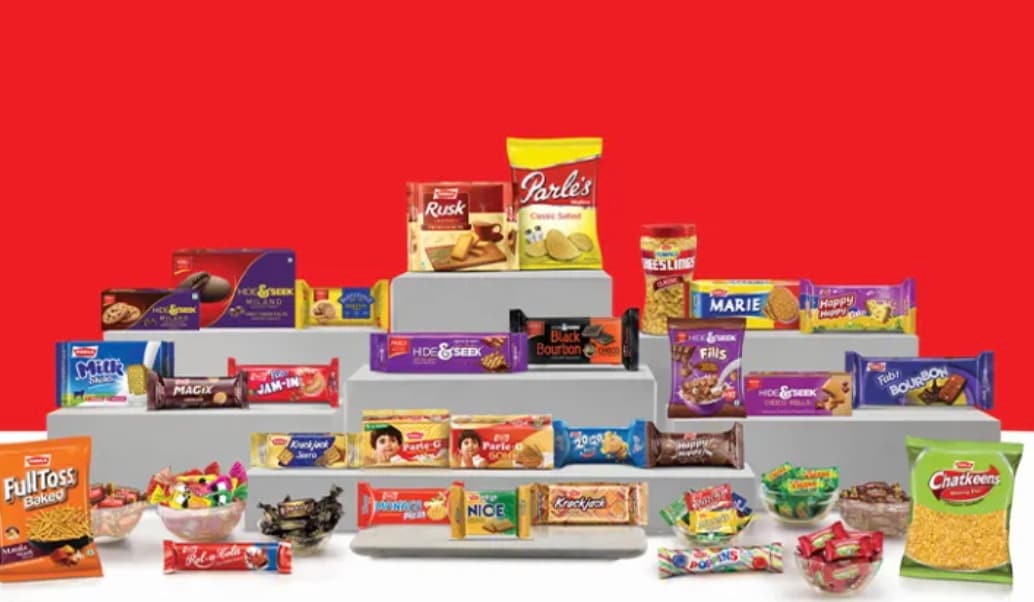
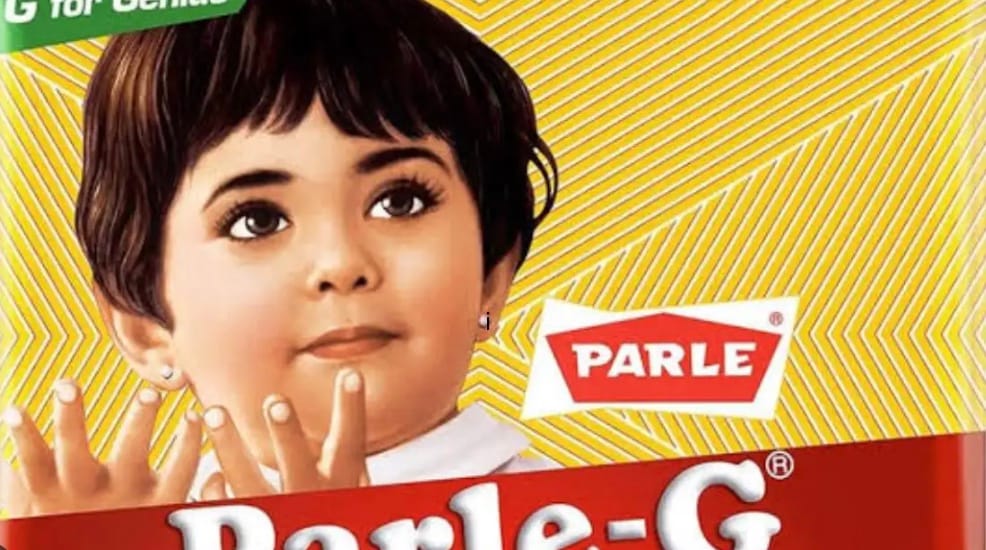
This deliberate alignment with nationalist ideals resonated deeply with consumers across the newly independent nation. Parle’s identity, built on accessibility and local manufacturing, connected powerfully with the aspirations of a populace eager to support indigenous industries. It was during this post-independence era that Parle’s glucose biscuit truly came into its own, eventually being rebranded as "Parle-G." The ‘G’ famously stood for ‘Glucose’ and, later, ‘Genius’, encapsulating the brand’s appeal to children and its association with energy and smartness. Parle-G was not just a biscuit; it became a symbol of a new, self-reliant India, a comforting and affordable snack that transcended social barriers. Its simple packaging, consistent quality, and widespread availability made it an indispensable part of daily life, from rural villages to bustling cities.
A Cultural Phenomenon and Global Leader
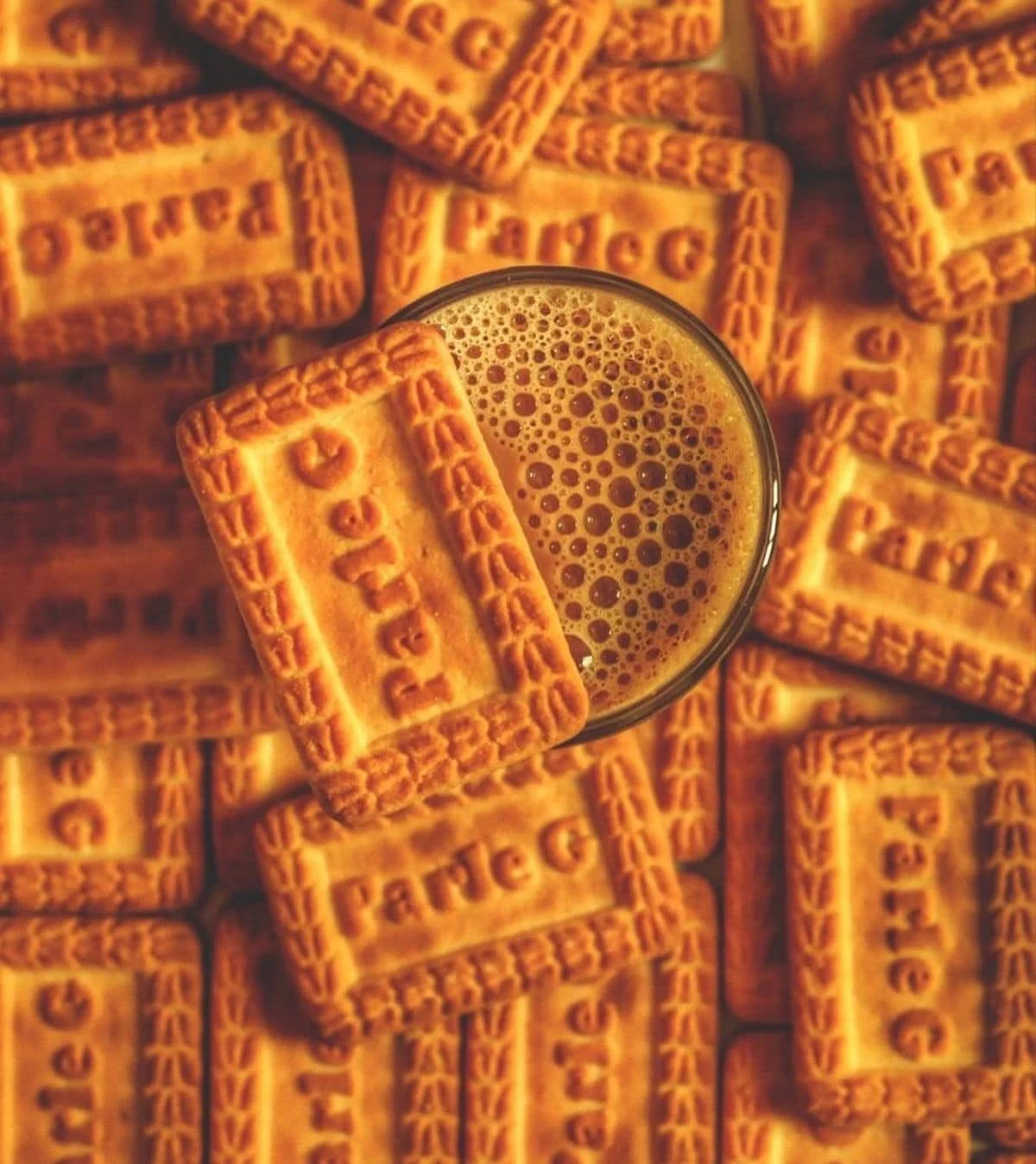
Over the decades, Parle-G transcended its identity as a mere biscuit to become an indelible part of everyday Indian life. It was the companion to countless cups of chai, the go-to snack for hungry schoolchildren, and a source of quick energy for daily labourers. Its affordability ensured that it remained accessible to the broadest possible demographic, cementing its status as "the world’s most consumed biscuit." This widespread acceptance was not accidental; it was the result of consistent quality, strategic pricing, and an unparalleled distribution network that reached the remotest corners of the country.
The brand’s enduring popularity and market dominance did not go unnoticed on the global stage. In 2011, global research firm Nielsen reportedly named Parle-G the world’s highest-selling biscuit brand by volume. This was a monumental achievement, underscoring the sheer scale of its production and consumption, surpassing international giants. The recognition solidified Parle-G’s position not just as an Indian favourite, but as a global powerhouse in the confectionery industry. Two years later, in 2013, Parle Products further cemented its leadership, becoming the first Indian FMCG brand to cross an astounding Rs 5,000 crore in retail sales. This financial milestone was a clear indicator of the brand’s economic might and its profound impact on the Indian consumer market. These achievements were a culmination of decades of strategic planning, continuous innovation, and an unwavering commitment to the founding principles of quality and affordability.
Official Responses and the Enduring Economic Implications
While the original article does not provide direct official statements from Parle Products or government entities regarding the "Melody" gift, the implications of such a high-profile endorsement are clear. Prime Minister Modi’s choice of ‘Melody’ as a gift to a foreign dignitary can be interpreted as a subtle yet powerful affirmation of indigenous brands and their role in projecting India’s soft power globally. It highlights the government’s recognition of the cultural and economic significance of brands like Parle, which have not only built vast businesses but have also contributed significantly to national identity and economic growth.
For Parle Products, this moment serves as a renewed public relations boon, reaffirming its status as a brand of national pride. The company’s consistent focus on mass appeal, affordability, and quality has created a resilient business model that has weathered various economic cycles. The implications of Parle’s success extend far beyond its balance sheets. It has fostered immense employment opportunities across its manufacturing, distribution, and retail networks. By making essential food items accessible, it has contributed to food security and the overall well-being of the Indian populace. Furthermore, Parle’s journey serves as an inspiring case study in Indian entrepreneurship, demonstrating how a local business, with vision and perseverance, can scale to become a global leader, paving the way for countless other indigenous brands.
Legacy and Enduring Impact
Mohanlal Dayal Chauhan’s transformation from a struggling tailor to the founder of Parle Products is more than just a rags-to-riches story; it is a foundational narrative of modern Indian industry. His vision to provide quality, affordable food products to the masses was revolutionary, especially at a time when the market was dominated by expensive foreign goods. The enduring success of Parle-G, Melody, and a host of other products under the Parle umbrella is a testament to the soundness of his original philosophy.
Today, Parle Products continues to be a dominant force in the Indian FMCG sector, adapting to changing consumer tastes while staying true to its core values. The brand’s journey reflects India’s own economic evolution – from a nation reliant on imports to a global manufacturing powerhouse. The "Melody" moment, sparked by a simple diplomatic gift, served as a poignant reminder of this remarkable heritage, celebrating not just a candy, but the extraordinary journey of a visionary entrepreneur and the brand that became an inseparable part of India’s sweet and resilient story. Mohanlal Dayal Chauhan’s legacy is etched not just in corporate history, but in the everyday moments of joy and sustenance experienced by millions, making Parle Products an enduring symbol of India’s entrepreneurial spirit and its vibrant cultural tapestry.
