

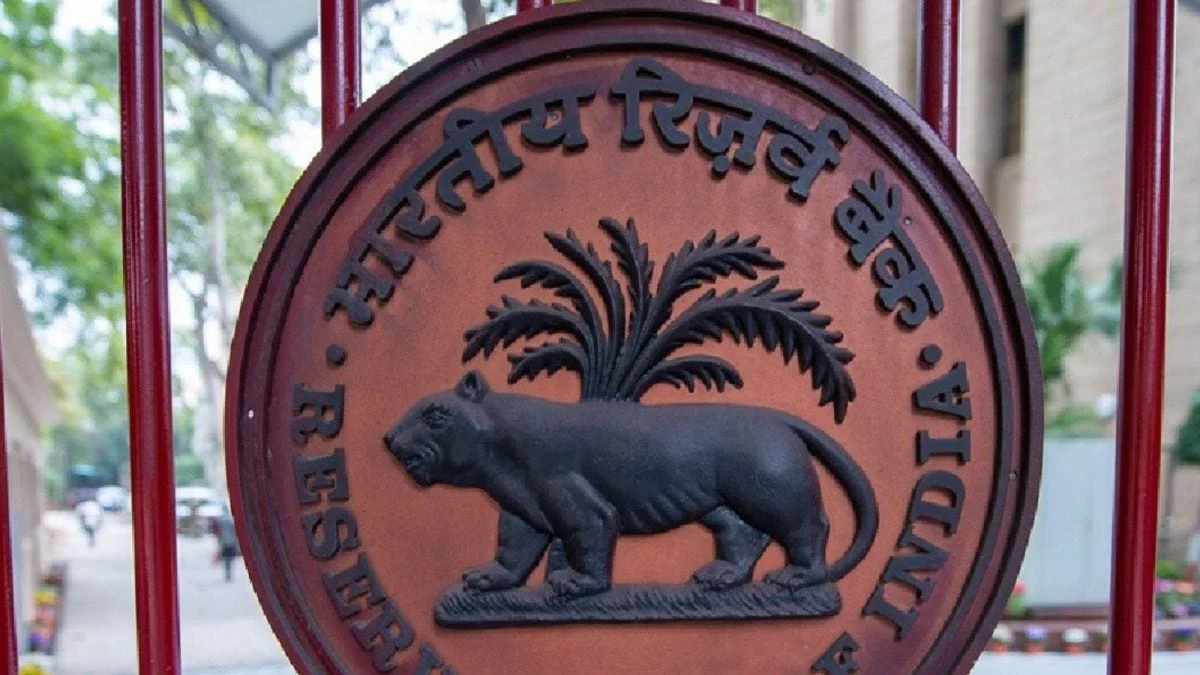
New Delhi, India – May 22, 2026 – In a significant move set to profoundly impact India’s public finances, the Reserve Bank of India (RBI) on Friday announced an unprecedented dividend payout of ₹2.87 lakh crore to the central government for the financial year 2025-26. This record transfer, approved during the 623rd meeting of the central bank’s Central Board in Mumbai, provides a substantial fiscal boost at a critical juncture marked by persistent global economic uncertainties and escalating geopolitical tensions. The decision is poised to offer the government considerable breathing room, enabling enhanced public spending while simultaneously fortifying efforts to maintain fiscal discipline and keep the budget deficit firmly under control.
The substantial sum, which represents the highest-ever surplus transfer from the central bank to the government, underscores the robust financial health of the RBI and its capacity to contribute meaningfully to national economic stability. Coming amidst a complex global landscape, this infusion of funds is expected to act as a crucial buffer, empowering the government to pursue its developmental agenda with renewed vigor and address emerging economic challenges more effectively.
Main Facts: A Landmark Fiscal Windfall
The headline figure of ₹2.87 lakh crore (approximately US$34.5 billion at current exchange rates) for FY26 marks a historic milestone in the financial relationship between India’s central bank and its government. This payout far surpasses previous transfers, signalling a period of exceptional profitability for the RBI. The central bank’s decision, announced following a comprehensive review of its annual accounts, translates into immediate and tangible benefits for the Union government’s coffers.
The primary objective of this substantial transfer is multifaceted. Firstly, it significantly augments the government’s financial resources, providing what economists often term "fiscal space." This additional room allows for increased allocation towards critical sectors such as infrastructure development, social welfare schemes, and strategic investments, which are vital for sustained economic growth and job creation. Secondly, and perhaps more crucially in the current global climate, the payout serves as a powerful instrument for fiscal consolidation. By supplementing government revenues, it directly contributes to narrowing the fiscal deficit, reducing the need for market borrowing, and consequently, easing pressure on interest rates.
The timing of this announcement is particularly noteworthy. With the global economy navigating a period of decelerating growth, supply chain disruptions, and inflationary pressures exacerbated by geopolitical flashpoints, robust public finances are paramount. India, like many other nations, faces the imperative of balancing growth ambitions with macroeconomic stability. The RBI’s record dividend offers a timely advantage, providing the government with an enhanced capacity to respond to both domestic needs and external shocks without jeopardizing its long-term financial health.
Chronology: A Consistent Upward Trend in Transfers
The decision to approve the record dividend was formally taken during the 623rd meeting of the RBI’s Central Board, held in the financial capital of Mumbai. The meeting, a cornerstone event in the central bank’s annual calendar, was presided over by Governor Sanjay Malhotra, and attended by the full complement of Deputy Governors — Swaminathan J., Poonam Gupta, Shirish Chandra Murmu, and Rohit Jain — along with other distinguished board members. The Board’s deliberations encompassed a thorough review of the domestic and global economic conditions, including an assessment of risks to the growth outlook, before finalising the annual accounts for FY26 and approving the surplus transfer.
This year’s payout continues a discernible trend of increasing transfers from the RBI to the central government, reflecting a combination of the central bank’s operational efficiency and a judicious management of its balance sheet. To put the FY26 figure into perspective, it represents a notable increase over the ₹2.69 lakh crore transferred in FY25, which itself was higher than the ₹2.1 lakh crore paid out in FY24. This consistent upward trajectory in surplus transfers highlights a period of sustained financial strength for the RBI, enabling it to fulfil its mandate while also supporting the government’s fiscal needs.
Historical Context of RBI Dividends
The practice of the RBI transferring its surplus to the government is enshrined in the Reserve Bank of India Act, 1934, specifically Section 47, which mandates that profits, after making provisions for bad and doubtful debts, depreciation in assets, and contributions to staff and superannuation funds, should be paid to the central government. However, the quantum of this transfer has often been a subject of debate and economic deliberation, particularly concerning the appropriate level of reserves the central bank should hold.
In recent years, the Economic Capital Framework (ECF) for the RBI has provided a structured approach to determining the appropriate size of its reserves and surplus distribution. Following the recommendations of the Bimal Jalan Committee, which submitted its report in 2019, the RBI adopted a revised framework. This framework aims to strike a balance between maintaining adequate financial buffers to absorb potential shocks and enabling the central bank to transfer surplus to the government. The current record payout, while substantial, is understood to be consistent with the revised ECF, ensuring that the RBI’s financial stability remains uncompromised. This careful adherence to a predefined framework lends credibility to the central bank’s financial management and ensures that transfers are not made at the expense of its long-term health.
Supporting Data: Unpacking the RBI’s Financial Performance
The record dividend payout is a direct consequence of the RBI’s robust financial performance in FY26. A detailed analysis of the central bank’s financial statements reveals several key drivers behind its impressive profitability:
Stronger Income Growth
According to the official statement released by the RBI, its net income before risk provisions and transfer to statutory funds surged to an impressive ₹3.96 lakh crore in FY26. This marks a significant increase from ₹3.13 lakh crore recorded in the preceding financial year, FY25. This substantial growth in net income is indicative of the central bank’s effective management of its diverse asset portfolio and its success in navigating the complex domestic and international financial markets.
The central bank’s gross income experienced a healthy year-on-year increase of 26.42 per cent. This growth can be attributed to several factors:
- Interest Income from Foreign Currency Assets: The RBI holds a substantial portion of its reserves in foreign currency assets, including government securities of other countries and deposits with other central banks and commercial banks. Favourable interest rate differentials and effective portfolio management likely contributed to higher earnings from these assets.
- Interest Income from Domestic Securities: Holdings of government securities and other domestic assets also generate significant interest income. The RBI’s open market operations and liquidity management tools, which involve buying and selling government securities, play a role in this.
- Income from Forex Operations: The RBI actively intervenes in the foreign exchange market to manage the rupee’s volatility. Profitable buying and selling of foreign currencies, especially in a dynamic global currency market, can contribute to its income.
- Revaluation Gains: Fluctuations in exchange rates and the value of gold held in reserves can lead to revaluation gains, which, while non-cash in nature, contribute to the overall surplus.
While gross income saw a significant jump, expenditure before risk provisions also rose by 27.6 per cent during the same period. This increase in expenditure typically reflects higher operational costs, staff expenses, and possibly increased outlays related to market operations or technology upgrades. However, the larger proportionate increase in gross income relative to expenditure ultimately led to a healthier net income figure, facilitating the higher dividend.
Expanding Balance Sheet
Further underlining its robust financial position, the RBI’s balance sheet expanded by a substantial 20.61 per cent, reaching ₹91.97 lakh crore as of March 31, 2026. The growth in the balance sheet size is a testament to the expansion of its assets and liabilities, reflecting its role as the monetary authority, banker to the government, and supervisor of the financial system. Key components contributing to this expansion typically include:
- Increase in Foreign Currency Assets: Growth in foreign exchange reserves due to capital inflows or RBI’s intervention in the forex market.
- Growth in Domestic Assets: Expansion of its holdings of government securities as part of liquidity management or quantitative easing measures (if any were in place).
- Increase in Currency in Circulation: As the economy grows, the demand for currency increases, expanding the liability side of the balance sheet.
- Growth in Deposits: Deposits from banks and the government with the RBI also contribute to the balance sheet size.
A larger and stronger balance sheet enhances the RBI’s capacity to conduct monetary policy effectively, manage financial stability, and absorb potential losses, thereby reinforcing its credibility and operational resilience.
Higher Risk Buffer and ECF Adherence
A critical aspect of the RBI’s financial management is the maintenance of adequate risk buffers, guided by the Economic Capital Framework. For FY26, the RBI reaffirmed its commitment to prudent financial safeguarding by maintaining the Contingent Risk Buffer (CRB) at 6.5 per cent of its balance sheet size. The CRB is a specific provision meant to cover unexpected and unforeseen contingencies, including depreciation in the value of assets, monetary policy operations, and other risks.
In a move that demonstrates proactive risk management, the central bank approved a transfer of ₹1.09 lakh crore towards the risk buffer for FY26. This figure is sharply higher than the ₹44,861.7 crore set aside in the previous financial year. The RBI explicitly stated that this move was "aimed at maintaining adequate financial safeguards amid changing macroeconomic conditions." This increased allocation to the CRB ensures that despite the record dividend payout, the RBI’s capacity to withstand potential future shocks remains robust. It signals the central bank’s unwavering commitment to financial stability, balancing its support for the government with its primary mandate of maintaining monetary and financial system integrity. Adherence to the ECF and judicious provisioning of risk buffers are vital for safeguarding the central bank’s financial independence and its ability to act as a lender of last resort.
Official Responses: A Strategic Imperative
While no direct quotes from Governor Sanjay Malhotra or other board members were immediately released beyond the official statement, the RBI’s communication implicitly conveys a strategic rationale behind the record dividend. The central bank, by highlighting its "stronger income growth" and the careful maintenance of its "higher risk buffer," positioned the payout as a consequence of sound financial management rather than a compromise of its financial strength.
The official statement’s emphasis on reviewing "domestic and global economic conditions, including risks to the growth outlook," before approving the annual accounts, suggests a considered decision-making process. This implies that the Board assessed the macroeconomic environment and determined that a substantial transfer was both feasible given the RBI’s financial health and beneficial to the national economy, particularly in the context of global uncertainties.
The central bank’s consistent messaging, even without direct quotes, aligns with its dual mandate: ensuring price stability and supporting economic growth. By providing the government with significant fiscal resources, the RBI indirectly supports growth-enhancing policies, while maintaining its CRB at optimal levels underscores its commitment to financial stability. This balancing act is crucial for maintaining market confidence and the central bank’s credibility. The implicit official response, therefore, is one of prudent management delivering significant national benefit.
Implications: A Multi-faceted Impact on India’s Economy
The record ₹2.87 lakh crore dividend payout from the RBI to the central government for FY26 carries profound implications across various facets of the Indian economy and financial landscape.
1. Enhanced Fiscal Space and Deficit Control
The most immediate and significant implication is the substantial boost to the government’s fiscal position. This windfall provides the Finance Ministry with considerable "fiscal space," offering flexibility in budgeting and expenditure planning.
- Fiscal Deficit Management: The primary benefit is the significant aid in controlling the fiscal deficit. A larger dividend reduces the government’s reliance on market borrowings to bridge its revenue-expenditure gap. This is crucial for adhering to fiscal consolidation targets, which are often closely watched by credit rating agencies and international investors. Meeting or exceeding deficit targets can lead to improved sovereign credit ratings, making it cheaper for India to borrow internationally.
- Increased Spending Capacity: With extra funds, the government gains the ability to enhance spending on critical areas without resorting to additional debt. This could include:
- Infrastructure Development: Accelerating projects in roads, railways, ports, and renewable energy, which have long-term growth multiplier effects.
- Social Sector Programmes: Boosting allocations for healthcare, education, poverty alleviation schemes, and rural development, directly benefiting citizens.
- Capital Expenditure: Prioritizing capital expenditure over revenue expenditure, which is generally considered more productive for long-term economic growth.
- Debt Servicing: Potentially using a portion of the funds to pre-pay or reduce existing debt, thereby lowering future interest payment burdens.
- Counter-cyclical Fiscal Policy: In the face of global economic uncertainties, this fiscal cushion allows the government to deploy counter-cyclical measures more effectively, providing stimulus if growth falters or absorbing shocks without severe austerity.
2. Impact on Government Borrowing and Market Dynamics
A reduced fiscal deficit implies a lower quantum of government borrowing from the market. This has several positive ripple effects:
- Lower Bond Yields: Reduced government borrowing typically leads to less competition for funds in the bond market, putting downward pressure on bond yields. Lower yields translate to reduced borrowing costs for the government, banks, and corporations.
- Crowding-In Effect: When the government borrows less, more funds are available for the private sector. This can lead to a "crowding-in" effect, where lower interest rates and increased credit availability stimulate private investment, fostering economic growth and job creation.
- Monetary Policy Transmission: Lower government borrowing costs can also improve the transmission of monetary policy, as the RBI’s interest rate signals are more effectively passed on to the broader economy.
3. Economic Growth and Inflation Outlook
The utilization of this dividend by the government will have implications for both economic growth and inflation.
- Growth Stimulus: If the funds are primarily directed towards productive capital expenditure, it can provide a significant stimulus to economic growth by enhancing productive capacity, improving logistics, and creating jobs.
- Inflationary Concerns: Conversely, if a large portion of the funds is channeled into immediate consumption-oriented spending without commensurate supply-side responses, it could potentially fuel inflationary pressures, especially if the economy is already operating near full capacity. The government will need to judiciously allocate these funds to maximize growth benefits while mitigating inflationary risks, a task that will require close coordination with the RBI.
4. RBI’s Autonomy and Credibility
The record payout, while beneficial to the government, also draws attention to the RBI’s financial autonomy and credibility.
- Adherence to ECF: The RBI’s explicit mention of maintaining the Contingent Risk Buffer at 6.5 per cent of its balance sheet size and transferring a significantly higher amount to this buffer is crucial. It demonstrates adherence to the Economic Capital Framework, a framework designed to ensure the central bank maintains adequate reserves for its operational and financial stability. This adherence reinforces the RBI’s independence and its commitment to prudent financial management, countering any perceptions that the payout might compromise its balance sheet strength.
- Historical Debates: The issue of RBI’s reserves and dividend payouts has historically been a point of discussion between the central bank and the government. By following a predefined framework and ensuring robust risk provisioning, the RBI maintains its institutional integrity and avoids situations where its financial strength might be perceived as being eroded for short-term fiscal gains. This strengthens its position as a credible and independent monetary authority.
5. Global Positioning and Resilience
In an era of "global economic uncertainty and rising geopolitical tensions," as highlighted in the original article, a strong fiscal position significantly enhances India’s resilience.
- Shock Absorber: The additional funds act as a shock absorber, allowing India to better withstand external shocks such as commodity price volatility, global trade slowdowns, or capital outflow pressures.
- Investor Confidence: A fiscally strong India is more attractive to foreign investors, ensuring continued capital inflows necessary for growth. This record payout sends a positive signal about India’s macroeconomic management capabilities and its ability to maintain stability even in turbulent times.
In conclusion, the Reserve Bank of India’s record ₹2.87 lakh crore dividend payout to the central government for FY26 is a landmark event. It not only provides an immediate and substantial boost to the government’s finances, offering crucial fiscal space and aiding deficit control, but also reflects the robust financial health and prudent risk management practices of the RBI. The strategic deployment of these funds by the government, in close coordination with the central bank’s monetary policy, will be key to harnessing this fiscal windfall for sustained economic growth, enhanced national resilience, and continued macroeconomic stability in the years to come.
(With inputs from PTI)
