

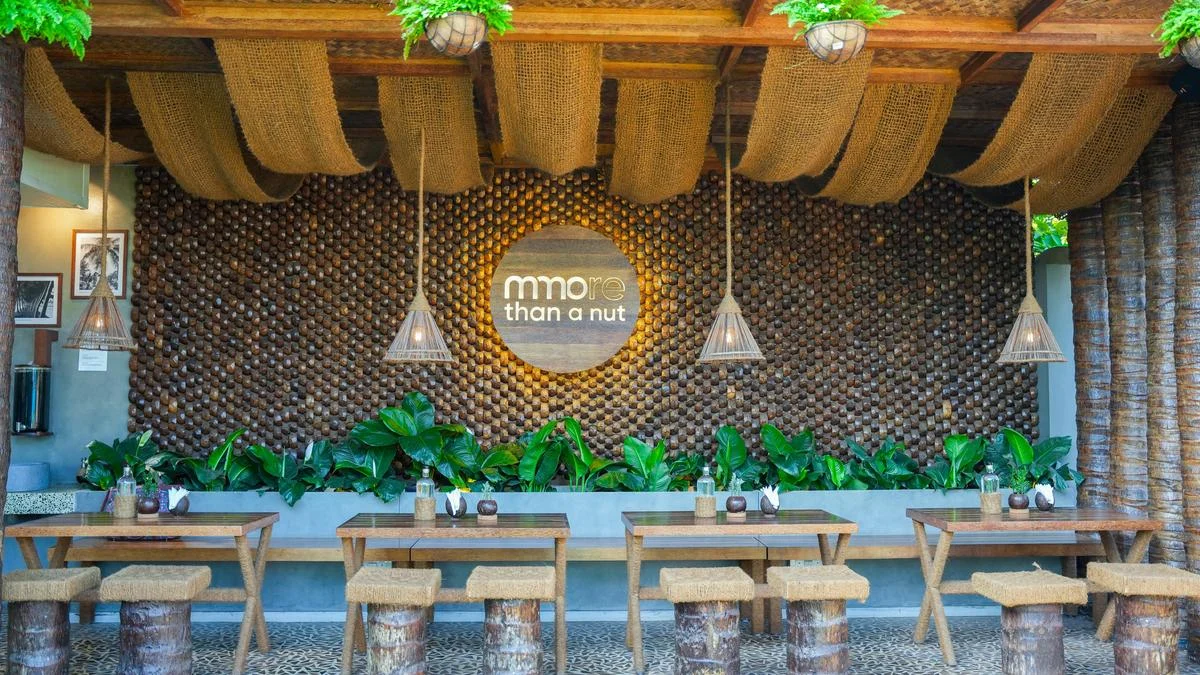
ALUVA, KERALA – In the bustling outskirts of Kochi, near Rajagiri Hospital in Aluva, a culinary and architectural experiment is unfolding that challenges the traditional perception of India’s most ubiquitous tropical fruit. "MMore Than A Nut," a conceptual cafe founded by entrepreneur Ubais Ali, is more than just a pitstop for caffeine seekers; it is a dedicated temple to the Cocos nucifera.
From the floor tiles beneath one’s feet to the lampshades overhead, and from the gluten-free flour in the pastries to the creamy base of the lattes, every element of the establishment is derived from the coconut tree. In a state where the coconut is deeply woven into the cultural and culinary fabric, Ali’s venture seeks to elevate the "wish-fulfilling tree"—the Kalpavriksham—from a common commodity to a premium, versatile protagonist of modern lifestyle and industry.
I. Main Facts: A 360-Degree Coconut Experience
The primary distinction of "MMore Than A Nut" lies in its uncompromising adherence to its theme. While many themed cafes rely on superficial decor, Ubais Ali has integrated the coconut tree into the very structural and operational DNA of the establishment.
Architectural Innovation
The cafe serves as a live showroom for the versatility of coconut timber and byproducts. The interior features:
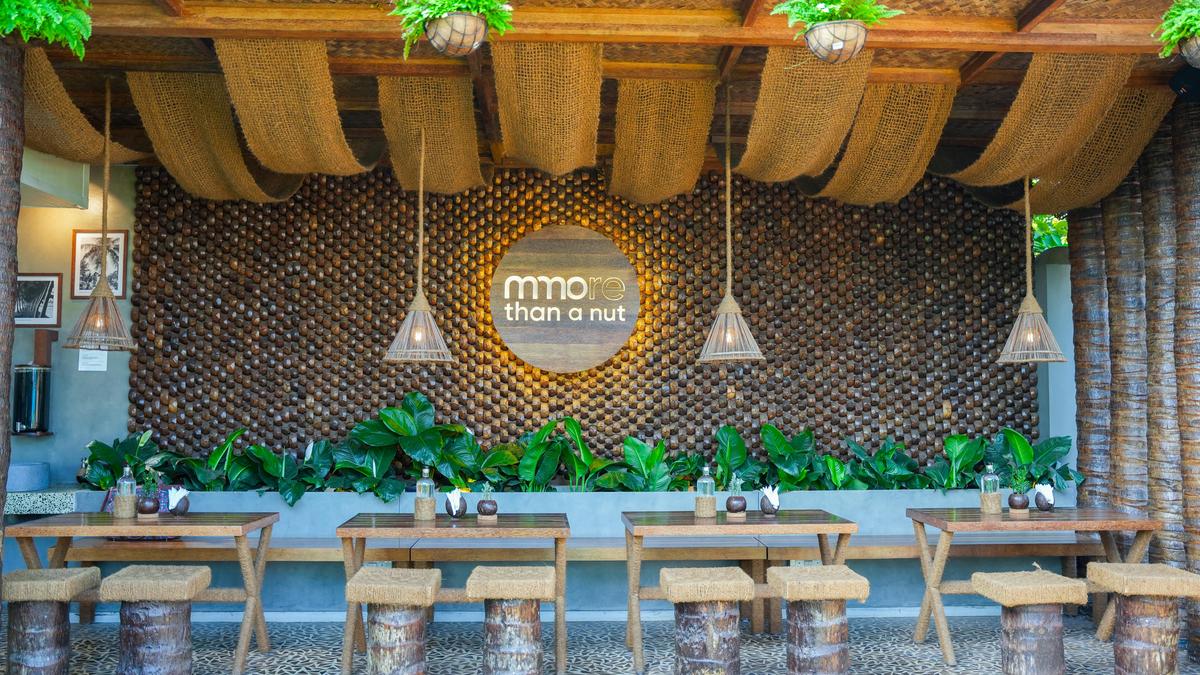
- Flooring and Cladding: Utilizing coconut shells to create a mosaic-like effect, providing a durable and aesthetically unique surface.
- Furniture: Tables and benches crafted from mature coconut wood, which is notoriously difficult to work with but yields a striking, high-contrast grain when treated correctly.
- Utility and Decor: Lampshades, dustbins, garden lights, and even the tableware (bowls, spoons, and cups) are fashioned from coconut shells and fiber, showcasing a circular economy model where "waste" is nonexistent.
The Product Ecosystem
The cafe is strategically positioned adjacent to the Mezhukkattil Mills (MMO) facility. This allows the cafe to function as a retail outlet for a vast array of value-added products, including:
- Culinary Staples: Virgin coconut oil, coconut milk powder, desiccated coconut, and coconut vinegar.
- Innovative Substitutes: Coconut flour (a low-glycemic, gluten-free alternative to wheat), coconut butter, and specialized cooking pastes.
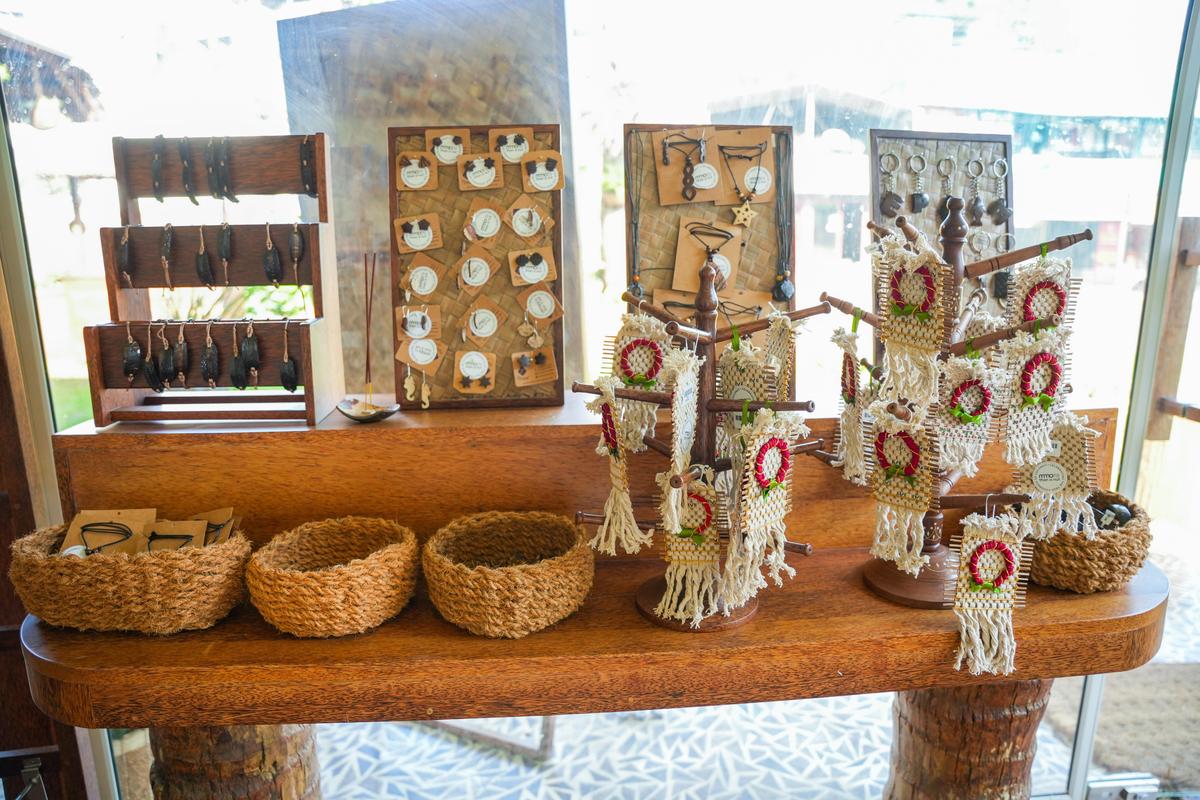
- Lifestyle Goods: Mats, homeware, and accessories made from coir and shell.
II. Chronology: From 1976 Oil Mill to 21st-Century Innovation
The story of "MMore Than A Nut" is a multi-generational saga of adaptation. To understand the cafe, one must look at the history of Mezhukkattil Mills.
- 1976: The Foundation: The journey began when Ubais Ali’s father established Mezhukkattil Mills as a traditional oil-pressing unit. At the time, the business focused on the primary extraction of coconut oil for the local Kerala market.
- The Export Era: As the global demand for healthy fats and vegan alternatives grew, the mill transitioned from a local supplier to an international exporter. Mezhukkattil Mills Originals (MMO) began shipping high-quality coconut derivatives to global markets, earning accolades for packaging and product innovation.
- The R&D Pivot: Recognizing that the domestic market still viewed the coconut as a low-value commodity, Ubais Ali initiated a Research and Development (R&D) phase. He established a specialized kitchen and bakery on the second floor of the factory to experiment with coconut-based recipes that could compete with international confectionery standards.
- 2024–2026: The Birth of the Cafe: "MMore Than A Nut" was launched as the physical manifestation of this R&D. It was designed to be an "experience center" where customers could taste the potential of the coconut before buying the raw ingredients from the attached store.
III. Supporting Data: The Science and Gastronomy of the Coconut
The cafe’s menu is a testament to the technical versatility of the coconut. Traditional Kerala cuisine uses coconut as a garnish or a base for gravies; however, Ali’s menu treats it as a sophisticated substitute for dairy, flour, and sugar.
The Bakery and Confectionery
The R&D kitchen has focused on "travel cakes"—dense, flavorful cakes designed to last several days without refrigeration.

- Flour Substitution: By using coconut flour, the bakery produces muffins, cookies, and "brookies" (a brownie-cookie hybrid) that are naturally high in fiber and protein compared to traditional grain-based baked goods.
- Global Fusions: One of the cafe’s standout items is the Coconut Baklava, which replaces the traditional walnut or pistachio filling with a roasted coconut and pistachio blend, offering a tropical twist on the Middle Eastern classic.
- Dairy-Free Desserts: The menu features coconut-based panna cotta and cheesecakes, utilizing the high fat content of coconut cream to achieve a silky texture without the use of animal products.
The Beverage Revolution
The beverage list is designed to highlight the different stages of a coconut’s life cycle:
- Tender Coconut (Elaneer): Used in smoothies where the pulp (malai) and water are blended. A popular variant includes an avocado and coconut smoothie, combining two "superfoods" into a single nutrient-dense drink.
- Mature Coconut Water: Unlike tender coconut water, this is often discarded in households. The cafe chills and serves it as a refreshing, electrolyte-rich beverage.
- Neera: This is the non-alcoholic nectar tapped from the coconut inflorescence. The cafe sources it fresh and chills it immediately to prevent fermentation into toddy, offering a sweet, caramel-like natural energy drink.
- Coconut Milk: Used as a dairy substitute in hot chocolate and lattes, providing a nutty depth that complements high-quality cocoa and coffee beans.
IV. Official Responses and Industry Recognition
The efforts of Mezhukkattil Mills and Ubais Ali have not gone unnoticed by governmental and industrial bodies. The company has been the recipient of several awards from the Government of Kerala and various export promotion councils for its "Innovation in Product Development" and "Excellence in Packaging Design."
A Model for Agricultural Value-Addition
State agricultural officials have pointed to "MMore Than A Nut" as a successful case study for the "Vocal for Local" and "Make in India" initiatives. In Kerala, where the agricultural sector often struggles with fluctuating copra prices, value-addition is seen as the only sustainable way forward.
By converting a raw coconut—which might sell for 15 to 20 rupees—into a slice of gourmet cake or a premium smoothie worth 150 to 200 rupees, Ali is demonstrating a massive value-multiplier. Industry experts from the Coconut Development Board (CDB) have frequently advocated for such entrepreneurial ventures to help stabilize the income of the state’s millions of coconut farmers.
V. Implications: Sustainability and the Global Narrative
The emergence of "MMore Than A Nut" carries significant implications for the future of tropical agriculture and sustainable entrepreneurship.
1. Changing the Narrative
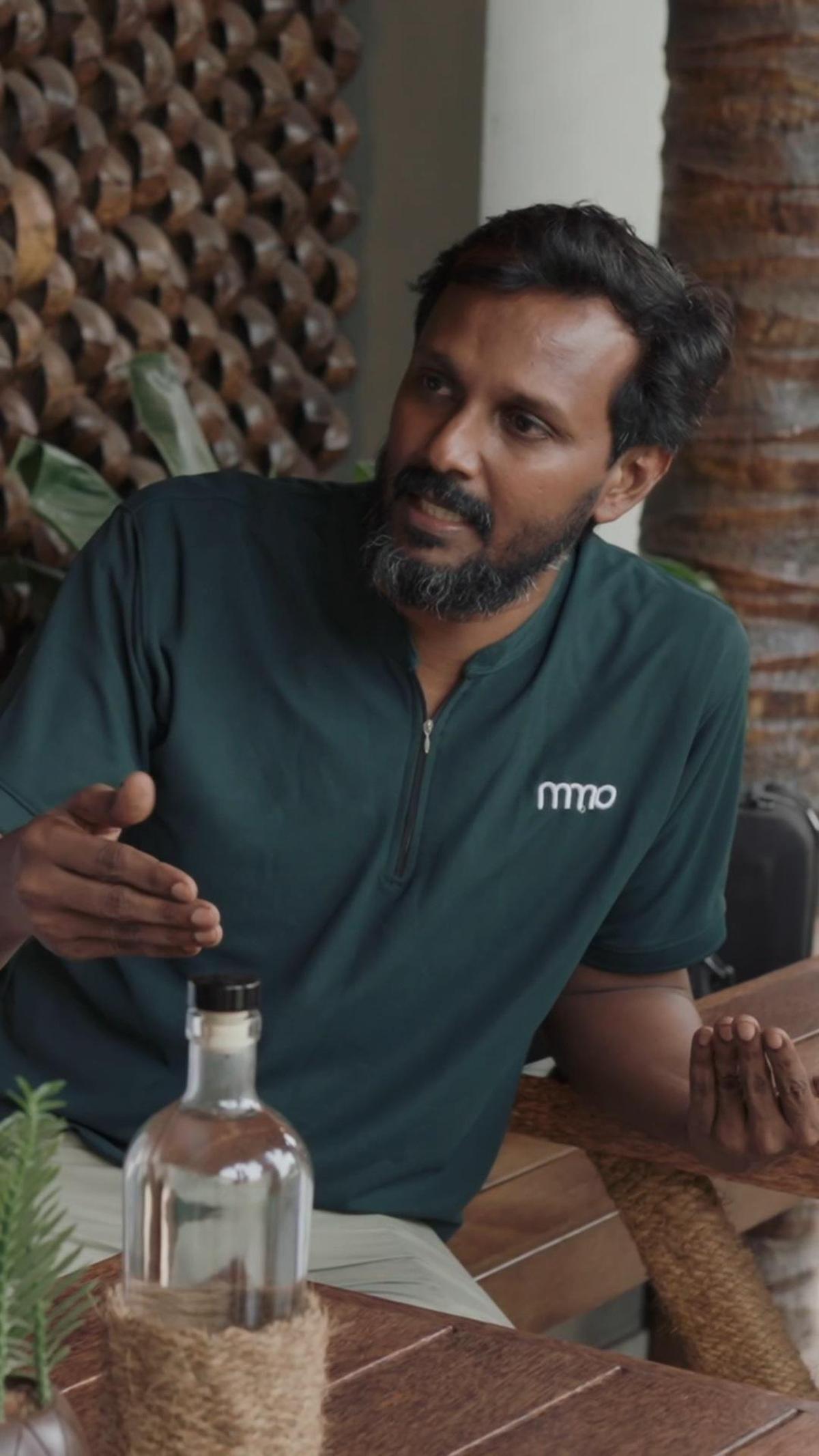
Ubais Ali’s primary mission is to counter the "undervaluation" of the coconut. "We see a lot of content about raisins and almonds from other countries. How about we push our produce?" Ali argues. The cafe is a strategic attempt to rebrand the coconut as a "superfood" on par with imported nuts, thereby boosting the pride and economic standing of local producers.
2. Environmental Sustainability
The "zero-waste" philosophy of the cafe provides a blueprint for sustainable construction and interior design. As the world moves away from plastics and non-biodegradable materials, the use of coconut shells for flooring and wood for tiling offers a renewable alternative. Coconut wood is often sourced from "senile" trees—those that have stopped producing fruit—providing farmers with an extra revenue stream for trees that would otherwise be discarded.
3. Health and Lifestyle Trends
With the global rise in lactose intolerance and gluten sensitivity, the cafe’s reliance on coconut milk and flour positions it perfectly within the "wellness" market. The use of Neera as a natural sweetener also aligns with the growing consumer demand for alternatives to processed white sugar.
4. Scalability and Global Potential
While the Aluva cafe serves as the flagship, the concept is highly scalable. The "MMO" brand’s existing export infrastructure means that the "MMore Than A Nut" concept could theoretically be franchised globally, bringing Kerala’s Kalpavriksham to international urban centers like London, Dubai, or New York.
Conclusion
"MMore Than A Nut" is more than a culinary novelty; it is a bold statement on the potential of indigenous resources. By blending traditional heritage with modern R&D, Ubais Ali has created a space that honors the past of Mezhukkattil Mills while forging a high-tech, high-value future for the humble coconut. For the visitors sitting on coconut-wood benches, sipping neera, and eating coconut-flour cake, the message is clear: the most versatile resource in the world was in their backyard all along.
