

New Delhi – In an era where health consciousness is increasingly taking center stage in public discourse, Tamil cinema icon Jyotika has sparked a vital conversation regarding nutritional requirements for aging adults, specifically women. In a recent interview with Tweak India, the actor emphasized the non-negotiable role of protein in maintaining physical integrity as one transitions into later stages of life.
Her advocacy comes at a time when nutritional science is highlighting a "protein gap" in the Indian diet, particularly among women. By recommending a baseline of 1 gram of protein per kilogram of body weight, Jyotika has brought a clinical necessity into the mainstream spotlight, prompting experts to weigh in on the biological imperatives of muscle preservation, bone health, and metabolic longevity.
Main Facts: The Celebrity Endorsement of Nutritional Science
The core of the discussion stems from Jyotika’s recent media appearance, where she simplified complex dietary guidelines into actionable advice. "Protein is good. You need to take 1 gram of protein per body weight. It’s very important for women," the actor stated. She further clarified that the source of the protein—be it animal-based like chicken and eggs or plant-based like pulses and protein shakes—is a matter of personal preference, provided the daily quota is met.
This statement aligns with the growing consensus among dietitians that protein is not merely a "bodybuilding" supplement but a foundational macronutrient required for systemic health. The actor’s focus on the "after an age" caveat underscores a physiological reality: the body’s efficiency in processing nutrients and maintaining tissue changes significantly as it matures.
Medical professionals, including Dt Amreen Sheikh, Chief Dietitian at KIMS Hospitals, Thane, have validated these claims, noting that the requirement for protein is not static. It evolves in response to the body’s shifting hormonal landscape and the natural degradation of musculoskeletal tissues.
Chronology: The Biological Timeline of Muscle Atrophy
To understand why Jyotika’s emphasis on protein "after an age" is scientifically sound, one must examine the chronological progression of the human body’s muscle mass.
The Threshold of the 30s
According to Dt Amreen Sheikh, the process of age-related muscle loss, or sarcopenia, is a silent progression that begins much earlier than most realize. "This can begin as early as our 30s," Sheikh notes. During this decade, the rate of muscle protein synthesis begins to slow down compared to the rate of muscle protein breakdown. For individuals with sedentary lifestyles, the loss of muscle mass can be between 3% to 5% per decade.
The Acceleration of the 50s
The trajectory shifts dramatically once an individual crosses the age of 50. For women, this period often coincides with perimenopause or menopause. The decline in estrogen levels further complicates the body’s ability to maintain muscle and bone density. Sheikh points out that muscle loss "tends to accelerate after 50," making protein intake a critical defense mechanism against frailty.
The Senior Years
By the time an individual reaches their 60s and 70s, the cumulative loss of muscle can lead to decreased mobility, a higher risk of falls, and a slower metabolic rate. At this stage, the body requires higher doses of protein to trigger the same "anabolic response" (muscle building) that a younger body achieves with much less.
Supporting Data: The Science of Protein and Sarcopenia
The recommendation of 1 gram of protein per kilogram of body weight is supported by a wealth of clinical data, though requirements can vary based on activity levels.
The Recommended Dietary Allowance (RDA) vs. Optimal Intake
The standard RDA for a sedentary adult is often cited at 0.8 grams per kilogram of body weight. However, recent research suggests that this is the minimum to prevent deficiency, not the optimum for health. For older adults, the consensus is shifting toward 1.0 to 1.2 grams per kilogram.
Data from various nutritional surveys in India suggests that nearly 70% to 80% of the population is protein-deficient. This is particularly prevalent in vegetarian households where the primary sources of calories are carbohydrates (rice and wheat). While dals and legumes are present, they are often consumed in quantities insufficient to meet the 1g/kg threshold.
The Role of Bioavailability
Supporting data also highlights the importance of protein quality. Animal proteins (eggs, dairy, meat) are "complete proteins," containing all nine essential amino acids. Plant proteins, while vital, often lack one or more essential amino acids, requiring "protein complementing" (e.g., eating rice and dal together) to ensure the body receives the necessary building blocks.

Impact on Bone Health and Immunity
Protein accounts for roughly 50% of bone volume and about one-third of bone mass. For women, who are statistically more prone to osteoporosis, adequate protein intake is as crucial as calcium and Vitamin D. Furthermore, antibodies and immune cells are made of proteins; thus, a deficiency directly correlates to a weakened immune response and slower recovery from illness.
Official Responses: Expert Guidance on Implementation
Dt Amreen Sheikh emphasizes that the strategy for increasing protein must be as considered as the amount itself. It is not merely about the "what," but also the "how."
The Importance of Distribution
A common mistake in the Indian diet is consuming the bulk of daily protein during a single meal—usually dinner. Sheikh advises against this. "Instead of consuming most of the protein in one meal, it is better to spread it across breakfast, lunch, and dinner," she explains. The human body can typically only process 25–30 grams of protein for muscle synthesis in one sitting. Excess protein in a single meal is often oxidized for energy rather than used for tissue repair.
Navigating the Indian Palate
For those following a traditional Indian diet, Sheikh suggests several practical modifications:
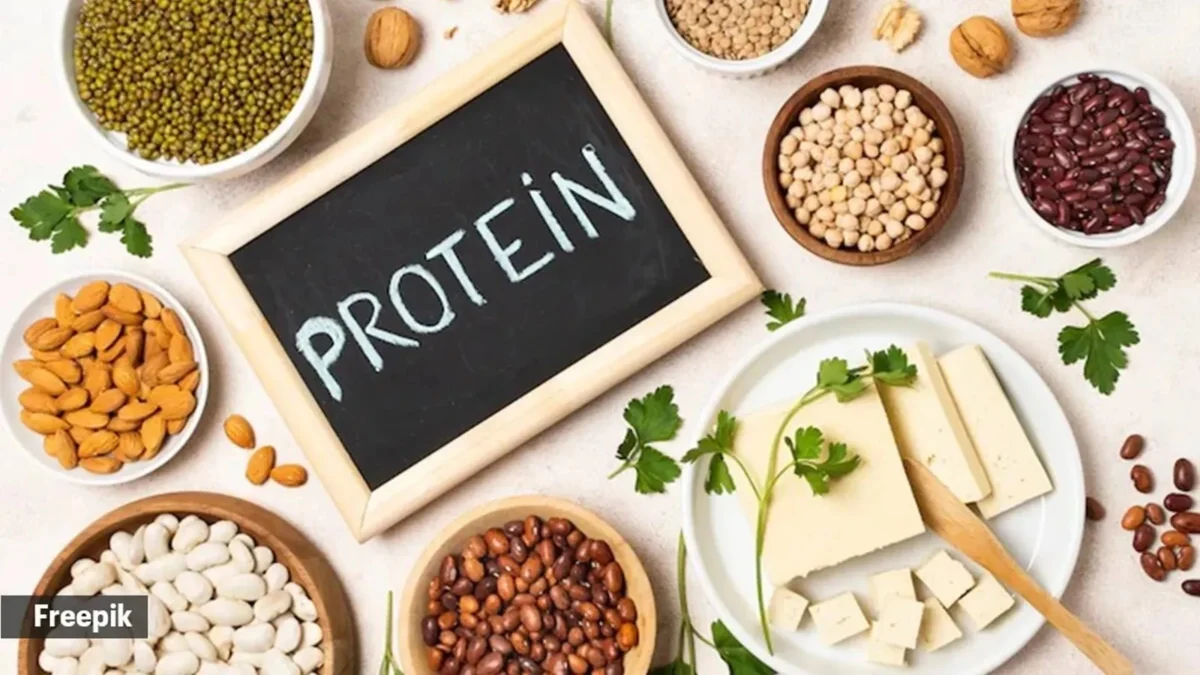
- Breakfast: Moving away from carb-heavy breakfasts to include eggs, sprouts, or paneer.
- Snacking: Replacing processed snacks with curd, roasted chana (chickpeas), or nuts.
- Fortification: Adding soy flour to wheat flour or including a side of Greek yogurt or curd with every meal.
The Role of Supplements
While Jyotika mentioned protein shakes as a choice, experts suggest they should remain "supplements" rather than "replacements." However, for older adults who struggle with appetite or digestion of heavy meats, high-quality whey or plant-based protein powders can be an effective way to bridge the gap without adding excessive calories.
Implications: Long-term Health and Public Wellness
The implications of Jyotika’s advocacy and the supporting expert testimony are far-reaching, touching upon public health policy, individual longevity, and the economic burden of aging.
Combating the "Thin-Fat" Phenotype
In India, a specific body composition known as "sarcopenic obesity" is common. Individuals may appear thin or have a normal BMI but possess high body fat percentages and very low muscle mass. This "thin-fat" phenotype is a precursor to Type 2 diabetes and cardiovascular disease. Increasing protein intake is a primary strategy to alter body composition, increasing metabolic rate and improving insulin sensitivity.
Independence in Aging
The ultimate goal of maintaining muscle mass through protein and exercise is "functional independence." By preventing sarcopenia, individuals can maintain the strength required for daily tasks—walking, climbing stairs, lifting groceries—well into their 80s. This reduces the burden on the healthcare system and improves the quality of life for the elderly.
The Gendered Health Gap
Women often prioritize the nutritional needs of their families over their own. Jyotika’s specific call-out to women is a necessary reminder that female physiology has unique requirements. As women live longer on average than men, ensuring they remain physically robust is essential for their long-term well-being.
Educational Necessity
There is a clear need for better nutritional literacy. Many consumers confuse "high protein" with "high calorie" or fear that protein supplements will lead to excessive muscle bulk. Public discourse, fueled by influential figures like Jyotika and backed by experts like Dt Amreen Sheikh, helps demystify these macronutrients, transforming them from "gym culture" staples into essential components of a healthy aging toolkit.
Conclusion: A Call to Action
The dialogue initiated by Jyotika serves as a timely intervention in the way we perceive aging and nutrition. The transition from a youth-centric view of fitness to a longevity-focused view of health requires a fundamental shift in the Indian plate.
As per the expert advice from KIMS Hospitals, the path forward is clear: calculate your requirement (0.8–1.2g/kg), choose diverse sources, and distribute that intake throughout the day. Whether through a bowl of sprouts, a piece of grilled fish, or a glass of buttermilk, prioritizing protein today is an investment in the mobility and independence of tomorrow.
DISCLAIMER: This article is based on information from the public domain and the experts cited. Nutritional needs are highly individual. Always consult your health practitioner or a registered dietitian before starting any new dietary routine or supplement program.
