

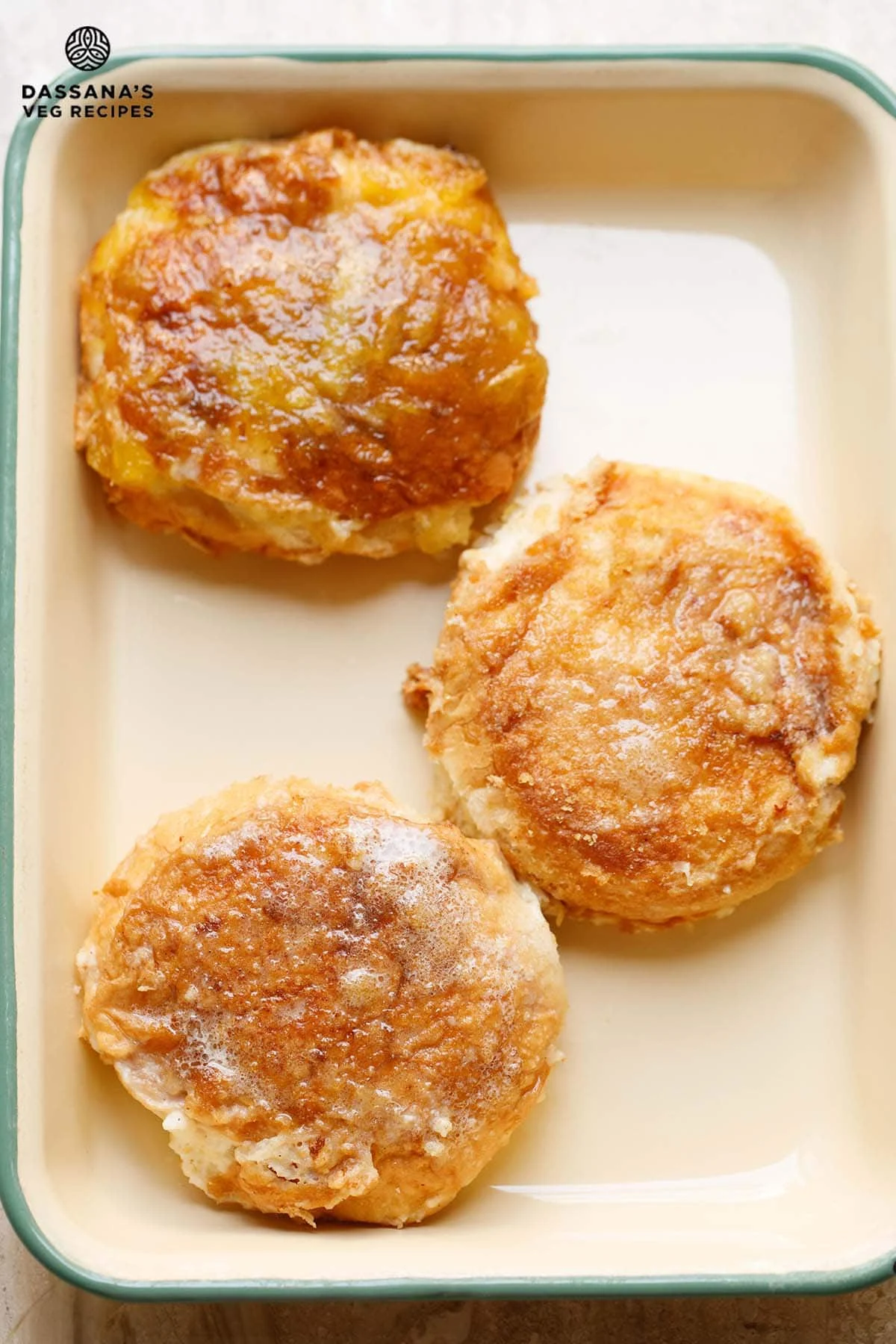
MADURAI, TAMIL NADU – In the labyrinthine streets surrounding the historic Meenakshi Amman Temple, a sensory symphony unfolds every evening. Amidst the ringing of temple bells and the rhythmic clatter of traffic, there is a specific sound that defines the twilight hours of Madurai: the rhythmic scraping of a metal spatula against a heavy iron tawa (griddle). This is the birthplace of the Madurai Butter Bun, a humble yet ingenious snack that has evolved from a local tea-stall staple into a symbol of the city’s vibrant street-food identity.
While Madurai is globally recognized for its Dravidian architecture and its status as the "Thoonga Nagaram" (the city that never sleeps), its culinary contributions are equally monumental. The Butter Bun, a deceptively simple concoction of soft bread, dairy, and sugar, represents a masterclass in texture and temperature, capturing the essence of South Indian comfort food.
Main Facts: More Than Just Bread and Butter
The Madurai Butter Bun is not merely a sandwich; it is a processed delicacy that utilizes steam and caramelization to transform basic ingredients. Unlike the famous Bun Maska of Mumbai’s Irani cafés—which relies on a cold, thick slab of whipped butter or cream—the Madurai variant is a hot, cooked preparation.
At its core, the dish consists of a soft, slightly sweet bun that is halved, slathered with generous amounts of butter, sprinkled with sugar, and then subjected to a unique "milk-toasting" process on a flat griddle. The result is a snack that is paradoxically crisp on the outside and pudding-like on the inside.
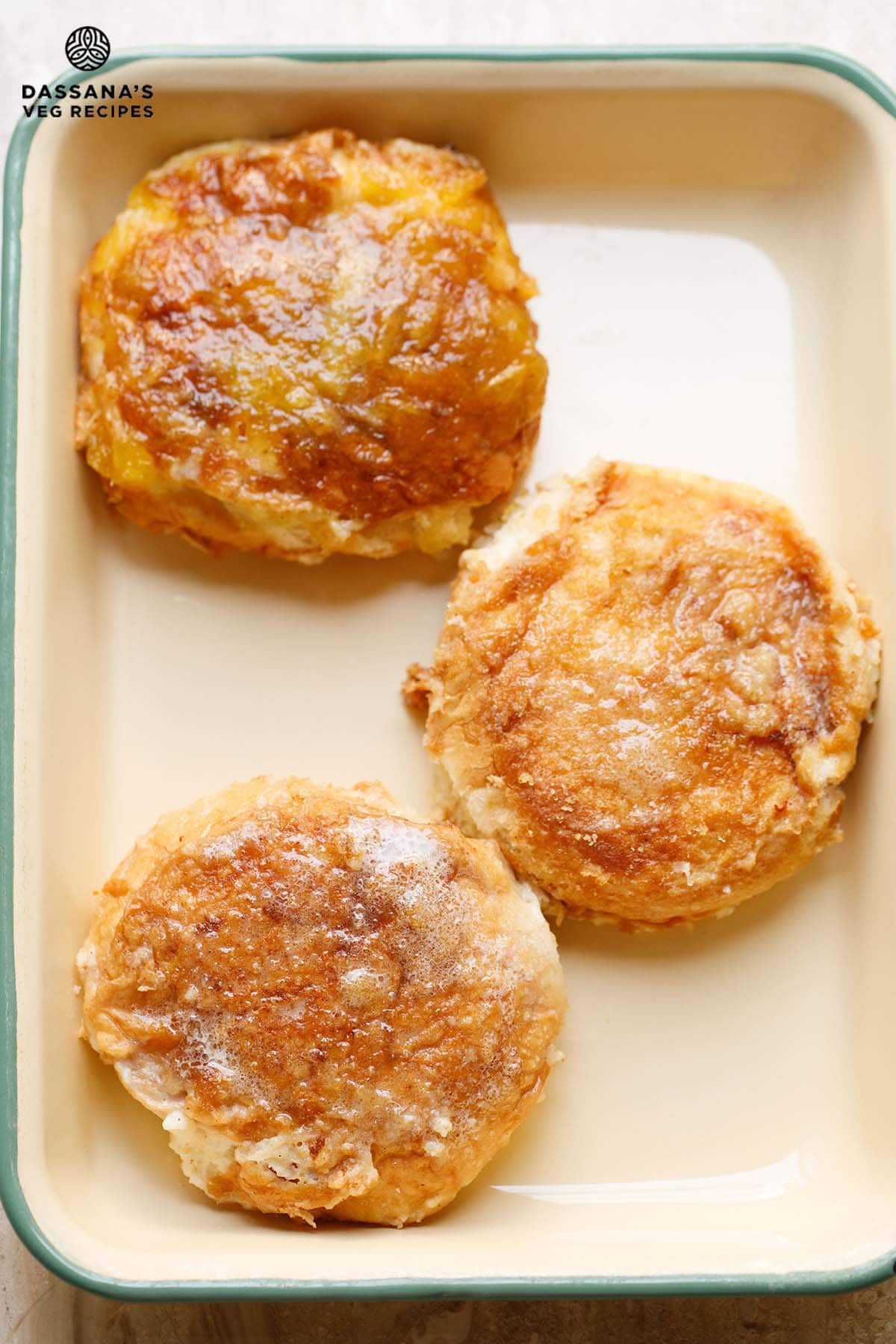
"The magic isn’t just in the butter," says local food historian S. Pandian. "It is in the introduction of milk onto the hot pan. This creates a localized steam chamber that hydrates the bread’s crumb while the exterior sugar undergoes a rapid Maillard reaction, creating those sought-after caramelized edges."
Chronology: The Anatomy of a Street-Side Classic
To understand the Madurai Butter Bun, one must look at the specific, time-honored sequence of its preparation. This "chronology of flavor" has been perfected over decades by tea stall operators who needed a quick, high-energy snack to serve the city’s working-class night owls.
1. The Preparation Phase
The process begins with the selection of the bun. While standard burger buns or pav can be used, traditionalists insist on the "sweet bun" or "tutti-frutti bun" found in local Tamil Nadu bakeries. These buns have a higher sugar content and a tighter crumb structure, allowing them to absorb liquid without disintegrating.
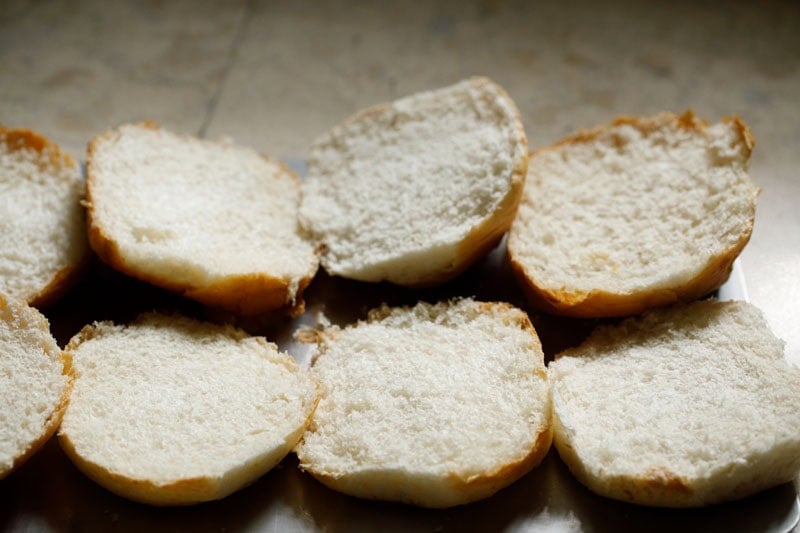
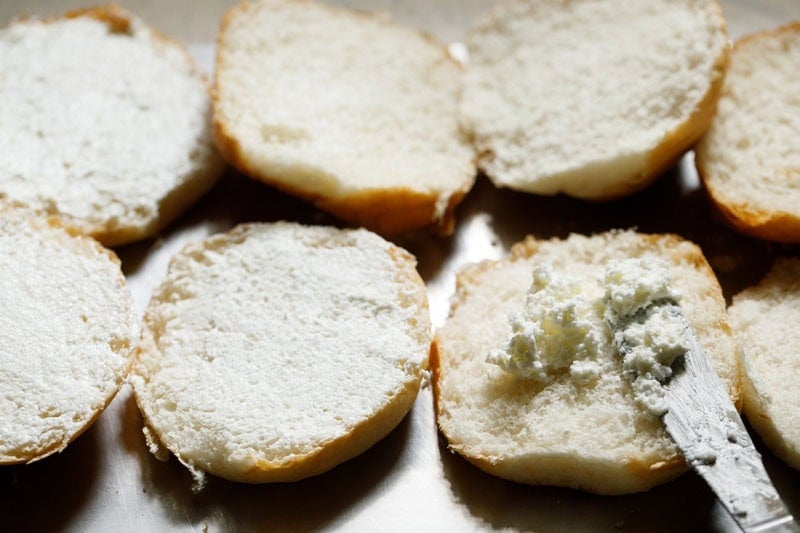
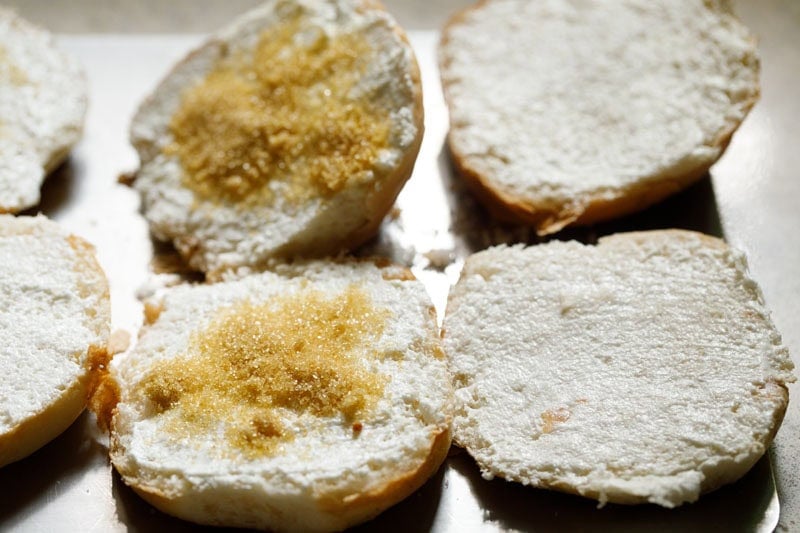
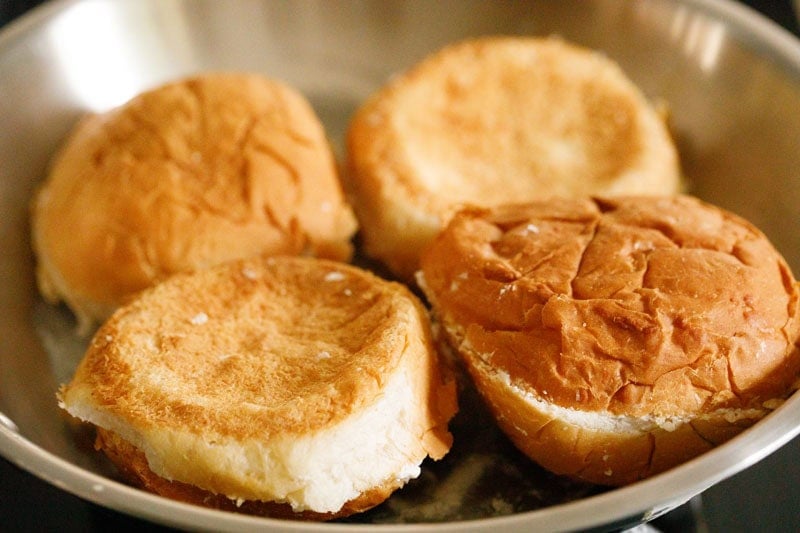
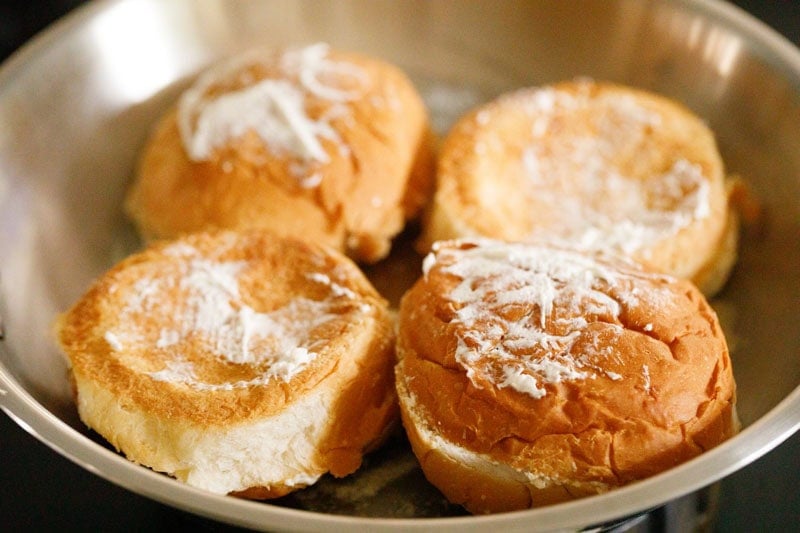
The bun is sliced horizontally. In a departure from standard toasting, butter—often homemade white butter (vennai)—is applied with a heavy hand to both inner surfaces. A precise amount of granulated sugar (roughly 1 to 1.5 teaspoons) is sprinkled on one side.
2. The Tawa Sizzle
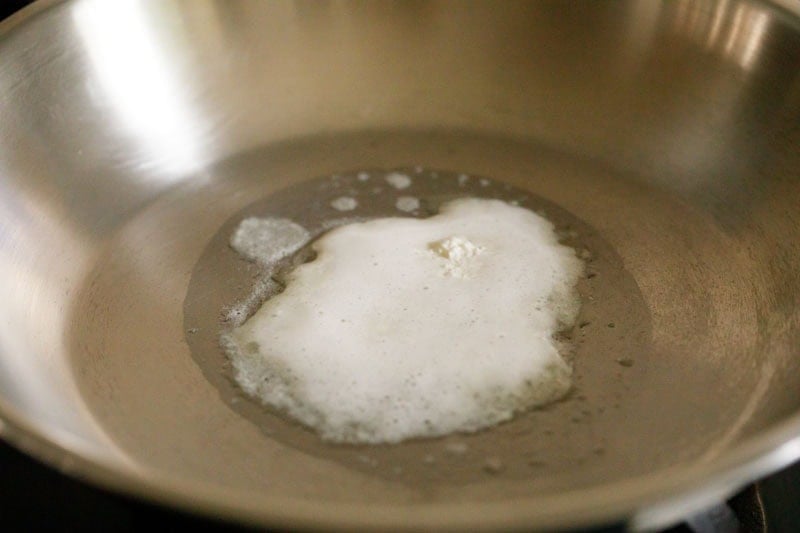
A heavy-bottomed iron skillet is heated over a medium-low flame. The choice of heat is critical; high heat would burn the milk solids in the butter before the bread can soften. A tablespoon of butter is melted on the pan, and the assembled bun is placed directly into the pool of golden fat.
3. The Milk Infusion
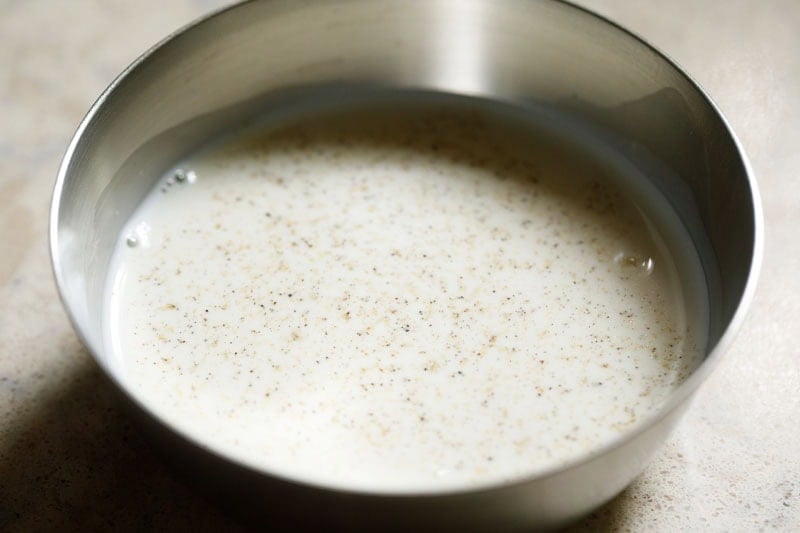
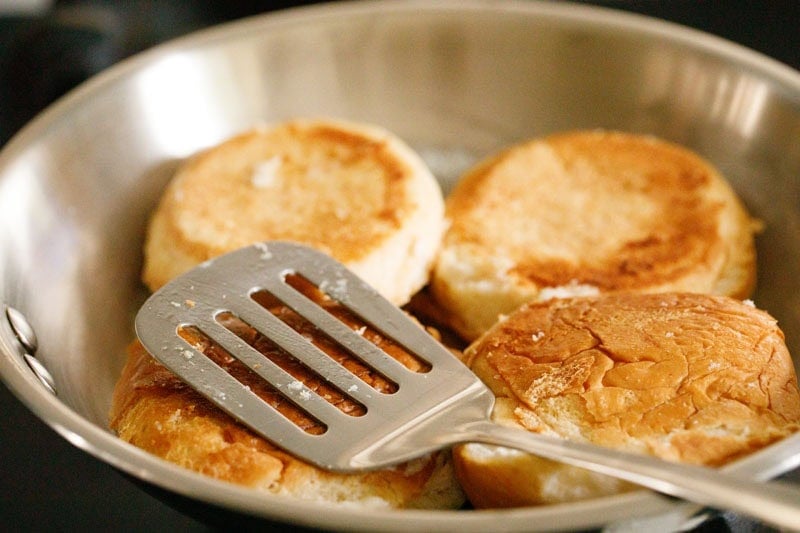
This is the defining step of the Madurai method. A mixture of milk, often scented with a hint of cardamom powder, is poured not just onto the bun, but around its base on the hot griddle. As the milk hits the pan, it evaporates instantly, sending plumes of fragrant steam through the bread. The cook uses a heavy spatula to press the bun down, forcing the milk-butter emulsion into the very heart of the crumb.
4. Caramelization and Finishing
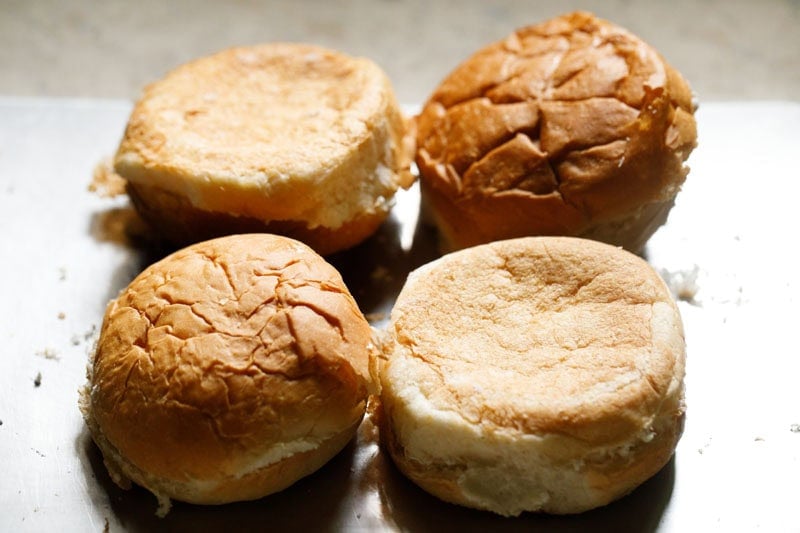
The bun is flipped repeatedly. The sugar that has leaked out onto the pan begins to brown, forming a lacy, sweet crust on the edges of the bread. The final product is removed when it achieves a golden-brown hue, often topped with an extra dollop of butter and a final dusting of sugar for visual and textural contrast.
Supporting Data: Nutritional and Economic Profile
While the Madurai Butter Bun is celebrated for its taste, its nutritional profile reflects its role as a high-energy "filler" snack. According to culinary data, a single serving of this snack (utilizing approximately 8 tablespoons of butter across a batch of four) carries significant caloric weight.
Nutritional Breakdown (Per Serving):
- Calories: 340 kcal
- Total Fat: 25g (Saturated Fat: 15g)
- Carbohydrates: 26g
- Sugars: 12g
- Protein: 4g
- Micronutrients: Significant traces of Vitamin A (749 IU) and Calcium (70 mg), primarily derived from the dairy components.
From an economic perspective, the Butter Bun is a high-margin item for small tea stalls. The ingredients—flour, sugar, milk, and butter—are staples held in bulk. By applying a specialized cooking technique to these low-cost items, vendors can command a premium price compared to a plain bun, while providing a much more satisfying experience for the consumer.
Official Responses: Insights from the Griddle
The popularity of the snack has caught the attention of culinary experts and local business owners. K. Ramasamy, a third-generation tea stall owner near the Madurai railway station, explains the snack’s enduring appeal.
"In Madurai, we have a culture of ‘small eats.’ People don’t always want a full meal like Kari Dosa or Kothu Parotta," Ramasamy explains. "The Butter Bun is the perfect middle ground. It’s hot, it’s sweet, and it pairs perfectly with our strong ginger tea. We have seen a 40% increase in ‘Butter Bun’ orders over the last five years, largely driven by food bloggers and tourists who come looking for the ‘authentic’ Madurai experience."
Health officials and nutritionists, however, offer a more tempered view. "It is an occasional treat," says Dr. Aruna Thangaraj, a Chennai-based nutritionist. "The combination of refined flour, high saturated fat, and sugar is a classic ‘palatability trap.’ However, in the context of Madurai’s labor-intensive economy, these calorie-dense snacks historically provided necessary energy for rickshaw pullers and market laborers."
Implications: The Globalization of Madurai’s Street Food
The rise of the Madurai Butter Bun has broader implications for the Indian culinary landscape. It represents a shift where hyper-regional snacks are being "discovered" and standardized for a global audience.
1. The "Jigarthanda" Effect
Much like Jigarthanda (a local cold beverage), the Butter Bun is becoming a "destination dish." Travelers now plan itineraries around specific tea stalls known for their bun-toasting technique. This has led to an increase in culinary tourism in Madurai, benefiting not just the vendors but the entire local hospitality sector.
2. Culinary Innovation and Adaptations
The recipe is already seeing modern iterations. Cafés in cities like Chennai and Bangalore are experimenting with "Jam Variations," adding pineapple or strawberry preserves to the interior for a fruity acidity that cuts through the fat. There is also a rising demand for vegan versions, substituting traditional butter with plant-based fats and almond or oat milk, proving that the Madurai technique is adaptable to modern dietary trends.
3. Preservation of the ‘Tea Shop’ Culture
In an era of fast-food chains and multinational coffee brands, the continued success of the Madurai Butter Bun helps preserve the traditional Indian tea shop (Chai Kadai). These shops serve as vital social hubs. By offering unique, skill-based snacks that cannot be easily replicated by an automated machine, these small businesses maintain their competitive edge.
Conclusion
The Madurai Butter Bun is a testament to the fact that great cuisine does not require expensive ingredients; it requires an intimate understanding of how those ingredients behave under heat. It is a dish that tells the story of a city—sweet, resilient, and always warm. As Madurai continues to grow, its butter-soaked buns remain a constant, providing a soft, comforting bite of history to anyone willing to pull up a stool at a roadside stall and wait for the sizzle of the tawa.
Whether enjoyed with a steaming glass of Masala Chai or a frothy Filter Coffee, the Madurai Butter Bun is more than a snack—it is a warm embrace from the soul of South India.
