

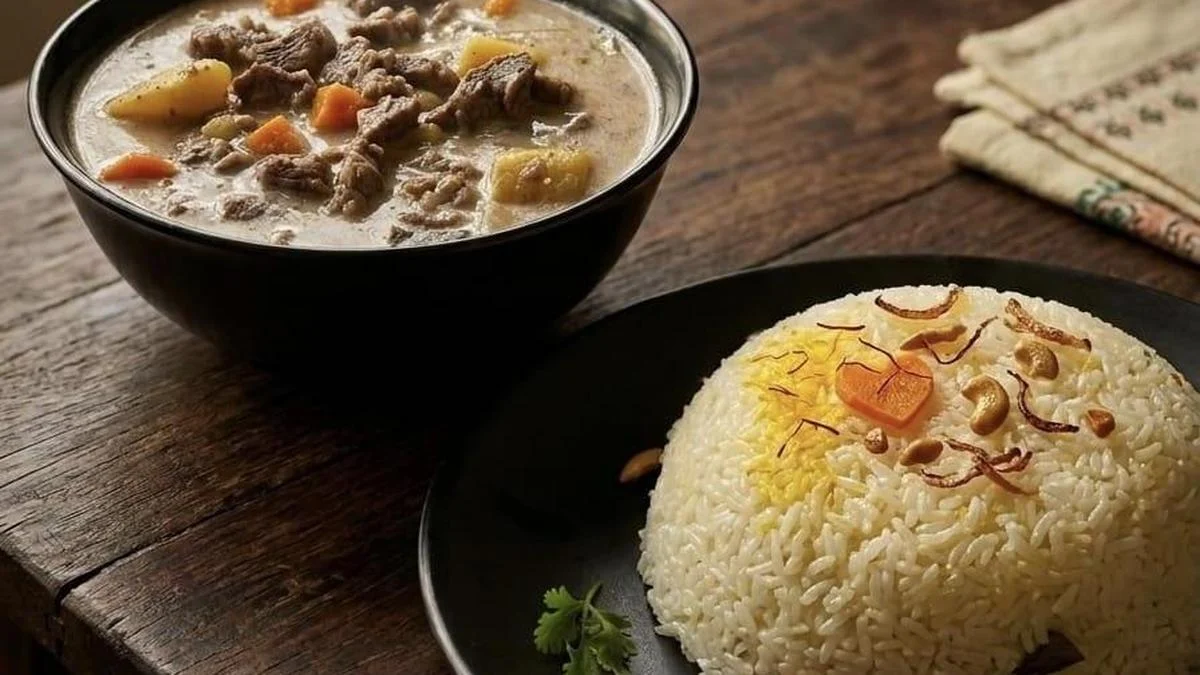
The aroma of a perfectly simmered Kerala stew—or ishtew, as it is affectionately known—is more than just a culinary invitation; for the Malayali diaspora and residents alike, it is a sensory portal to the past. Traditionally a staple of festive mornings and quiet family breakfasts, this coconut milk-based gravy, fragrant with whole spices and tender morsels of meat or vegetables, is currently undergoing a dramatic transformation. No longer relegated to the sidelines as a mere accompaniment to appams, the Kerala stew has emerged as a standalone culinary powerhouse, fueling a new wave of specialized food trucks, cloud kitchens, and dedicated eateries across Kochi and beyond.
The Main Facts: A Dish Redefined
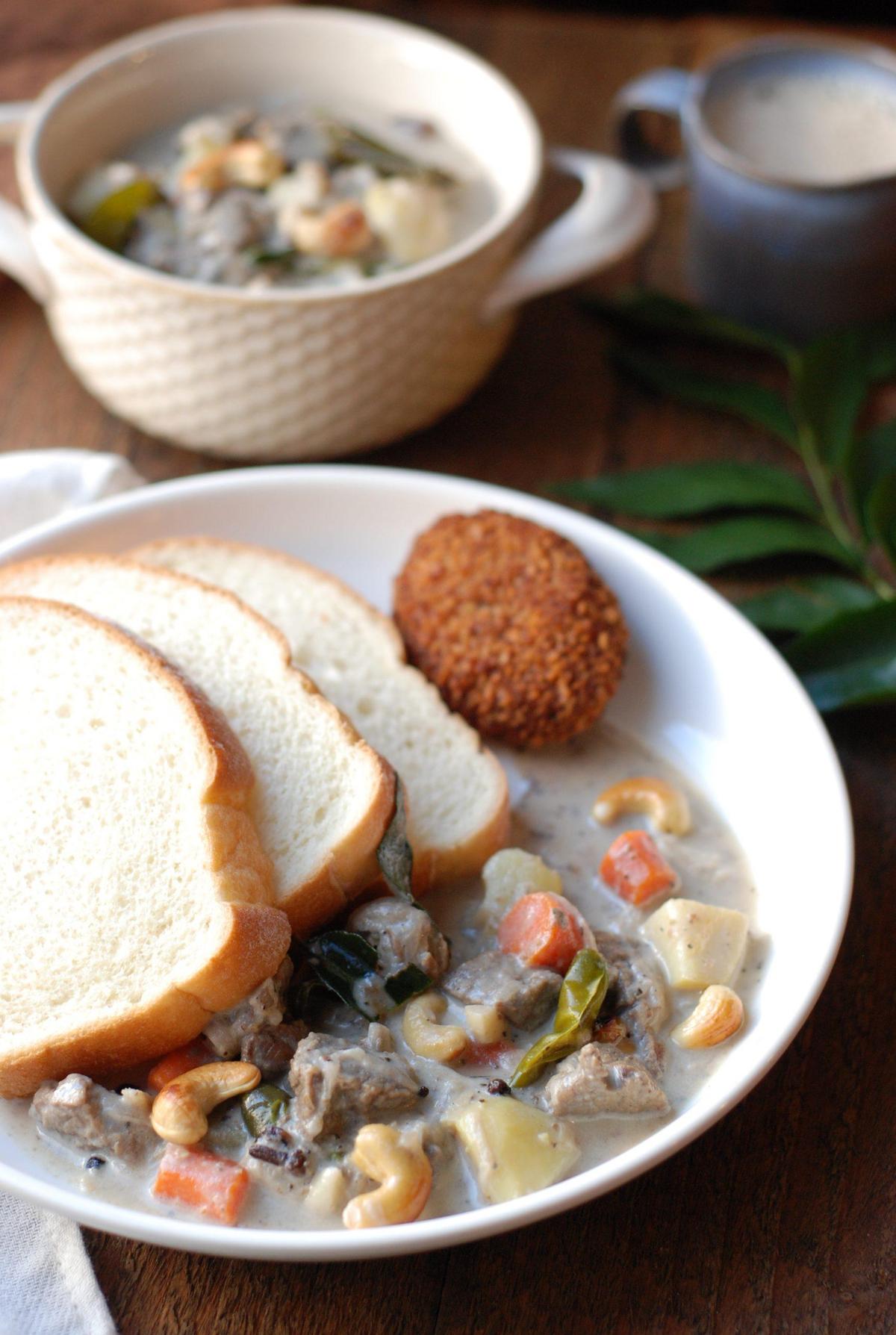
The Kerala stew is characterized by its subtle yet complex flavor profile. Unlike the fiery red curries often associated with South Indian cuisine, the ishtew is a pale, velvety concoction. Its base is the creamy extract of fresh coconuts, infused with the warmth of cinnamon, cardamom, cloves, and black pepper. Traditionally served with lacy, fermented rice crepes called appams or thick slices of toasted "local" bread, the dish has historically been the centerpiece of Easter and Christmas celebrations in Christian households across Kerala.
However, recent market trends in Kochi indicate a shift in consumption patterns. The dish has moved from the private domestic sphere and high-end breakfast menus into the "street food" and "quick-service" categories. Entrepreneurs are now centering entire business models around this single dish, capitalizing on its versatility as a meal that fits breakfast, lunch, and dinner. While chicken, mutton, and vegetable versions remain popular, the beef stew has arguably claimed the title of the "crowd favorite" in the contemporary urban landscape.
Chronology and Evolution: From Colonial Tables to Modern Streets
The Colonial Synthesis
The history of the Kerala stew is a masterclass in culinary fusion, representing a centuries-old dialogue between local ingredients and foreign influences. While the term "stew" is undeniably European, the Kerala version is a distinct evolution.
According to culinary historians and authors like Tanya Abraham, who explored these roots in her book Eating with History: Ancient Trade Influenced Cuisines of Kerala, the dish is a "layered" entity. The Portuguese, who arrived on the Malabar Coast in the late 15th century, are credited with introducing root vegetables like potatoes and carrots, which are now indispensable to the recipe. They also brought the concept of slow-cooked meat broths.
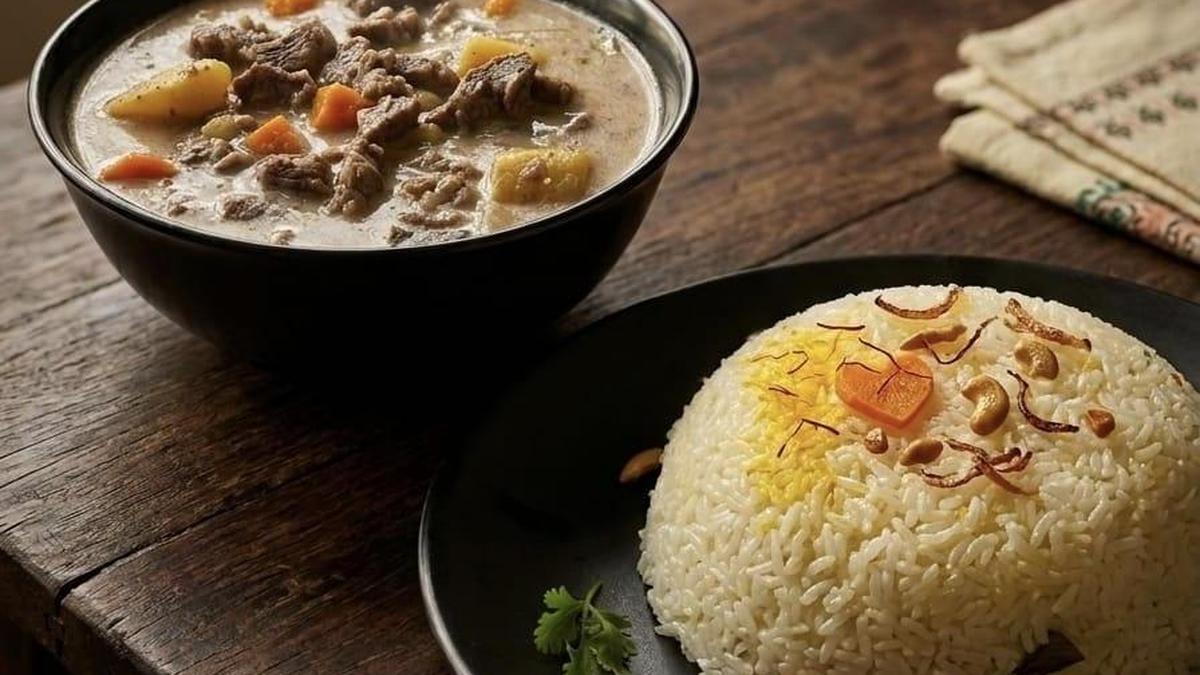
However, the British influence in the 18th and 19th centuries further refined the dish. While the English traditionally used cornstarch or flour to thicken their beef stews, the Kerala version substituted these with coconut milk—a local adaptation that fundamentally changed the dish’s texture and flavor profile.
The West Asian Connection
The use of coconut milk also carries a fascinating religious and cultural subtext. Historical accounts suggest that the Jewish community in Kerala, adhering to Kosher laws which forbid the mixing of meat and dairy, utilized coconut milk as a rich, creamy alternative to cow’s milk. This technique was subsequently adopted by the Syrian Christian community, who refined the ishtew into the festive delicacy known today. Over time, the dish became a hallmark of Syrian Christian and Anglo-Indian hospitality, eventually permeating the broader Malabar and Kochi culinary identities.
The 2024 Boom
Fast forward to the present year, and the ishtew is experiencing a commercial "moment." In January 2024, the launch of specialized ventures like "Reems Stew and Bread" marked a turning point. What was once a dish you waited for until a wedding or a religious holiday is now available on a street corner in Kakkanad or via a delivery app at midnight.
Supporting Data: The Business of Nostalgia
The resurgence of the stew is backed by significant consumer demand, driven largely by the "nostalgia economy." In an increasingly fast-paced urban environment, Kochi’s young professionals and IT workers are seeking "comfort food" that reminds them of home.
The Food Truck Phenomenon: Reems Stew and Bread
Located in the bustling hubs of Kakkanad (outside Infopark) and Panampilly Nagar, Reems Stew and Bread has turned the traditional meal into a mobile success story. Founded by Ajoy ET and his wife Reema, the food truck focuses on the classic pairing of custom-baked bread and stew.

Ajoy reports that the response has been "sensational," with customers frequently calling to track the truck’s daily location. Their success lies in a "secret" family hack: instead of using cornflour—a common modern shortcut to thicken the gravy—Reema uses a cashew paste, a technique inherited from her grandmother. This commitment to traditional textures while utilizing a modern delivery format has made them a viral sensation.
The Cloud Kitchen Model: Stewmuch
Another key player is "Stewmuch," a cloud kitchen founded by Jishnu KP. After three years of market research, Jishnu identified a gap in the market for a dish that was "light on the palate yet comforting." Stewmuch has expanded the definition of the dish by offering regional variations, bridging the gap between the Malabar (Kozhikode) style and the Kochi style.
Data from these establishments suggest that while chicken is a steady seller, beef stew accounts for the highest volume of orders, often paired with traditional puttu or the more unconventional ghee rice.
Official Responses and Culinary Perspectives
Experts and practitioners agree that the beauty of the Kerala stew lies in its lack of a "standardized" recipe, allowing for regional storytelling.
Regional Nuances: Kochi vs. Malabar
Jishnu KP explains the distinct differences that define the state’s geography:
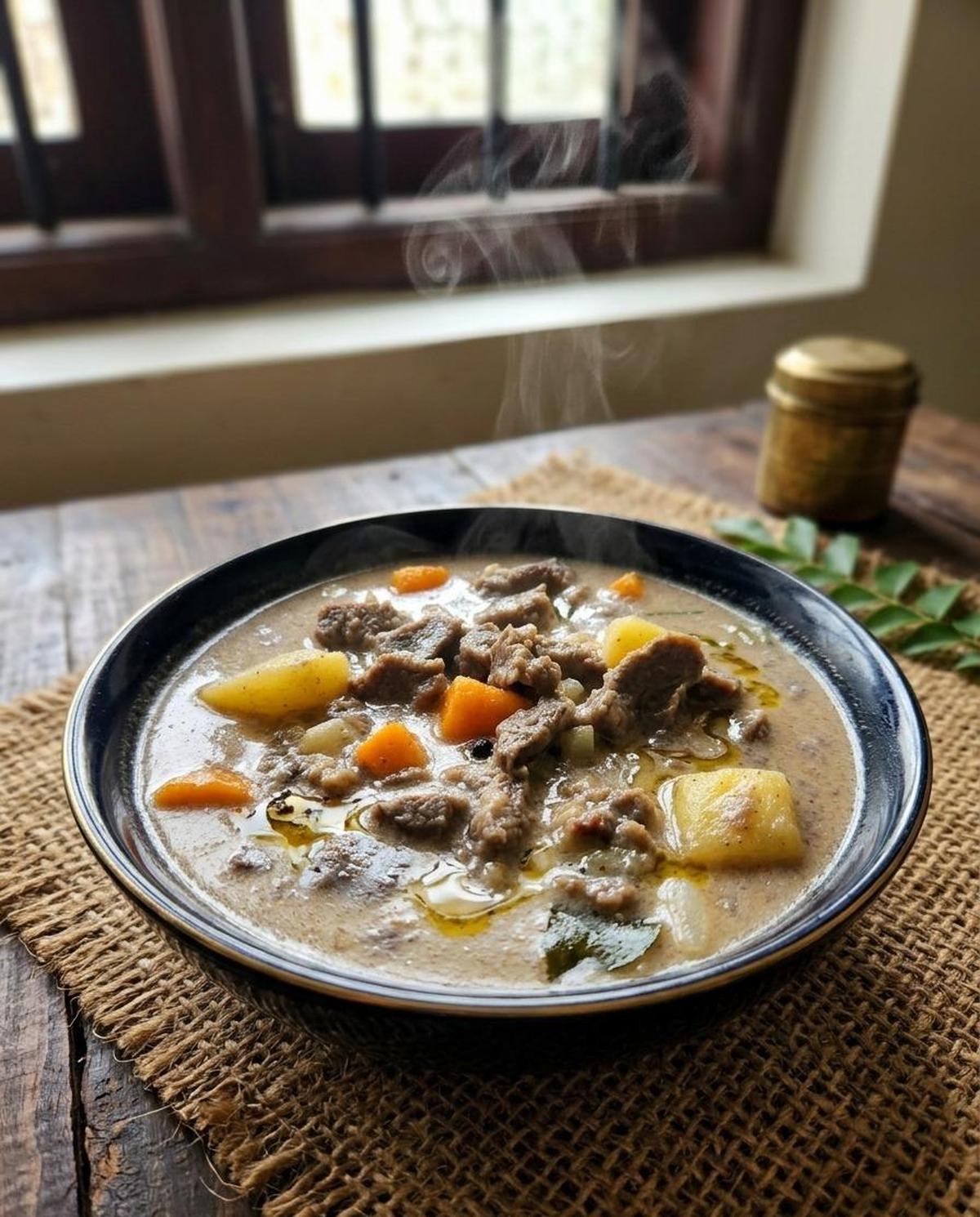
- Kochi Stew: Generally milder, whiter, and slightly sweeter. It emphasizes the purity of the coconut milk and is often lighter in consistency.
- Malabar Stew: Typically thicker with a slightly yellow hue (often from a hint of turmeric or different spice proportions). It carries a stronger "kick" of black pepper and ginger.
The Historian’s View
Tanya Abraham emphasizes that the stew is a living record of Kerala’s trade history. She notes that while the Syrian Christians perfected the meat-based versions, the dish likely began as a mild vegetable curry. The addition of pepper and ginger—Kerala’s "black gold"—was the local touch that transformed a European broth into an Indian masterpiece.
Abraham also points out that the dish’s versatility is its greatest strength. It has survived for centuries because it can be adapted to whatever protein is available, whether it be mutton for an Anglo-Indian wedding or a simple vegetable medley for a weekday breakfast.
Implications: The Future of the Ishtew
The current "stew craze" in Kochi has several implications for the future of Kerala’s food industry and cultural identity.
1. The Democratization of Festive Food
Traditionally, a high-quality meat stew was a "special occasion" dish due to the labor-intensive process of extracting fresh coconut milk and the cost of spices and meat. The rise of dedicated stew spots democratizes this experience, making "celebration food" accessible as a daily affordable luxury.
2. Gastronomic Tourism
As Kochi continues to grow as a tourist hub, the ishtew is being positioned alongside the famous Kerala Fish Curry as a "must-try" item. Its mild spice level makes it particularly appealing to international tourists who may find other Indian curries too intimidating, providing a gentle yet flavorful entry point into South Indian cuisine.
3. Innovation through Tradition
The success of pairings like "stew and ghee rice" (a Kozhikode tradition now trending in Kochi) shows that consumers are open to regional crossovers. We are likely to see further experimentation, such as stew-based fusion dishes or the preservation of even older, nearly forgotten variations involving duck or seafood.
4. The Shift to Specialization
The "Stewmuch" and "Reems" models indicate a move away from the "multi-cuisine" restaurant toward "mono-product" specialization. By focusing on doing one thing—stew—exceptionally well, these businesses are building stronger brand identities and higher customer loyalty.
Conclusion
The Kerala ishtew is a dish that carries the weight of history in every spoonful. From the ancient spice trade and colonial influences to the modern streets of Kochi’s IT corridors, it remains a symbol of comfort and resilience. Whether served from a high-tech food truck or a humble kitchen, the stew’s ability to evoke nostalgia while adapting to modern tastes ensures its place as a permanent fixture in India’s culinary map. As Kochiites continue to flock to these "stew spots," they aren’t just buying a meal; they are reclaiming a piece of their heritage, one lacy appam at a time.
