


Overnight oats have transcended their humble online origins to become a bona fide breakfast phenomenon. Praised for their effortless preparation, satisfying satiety, and remarkable versatility, these no-cook wonders have captured the attention of health-conscious consumers worldwide. But what happens when this convenient meal becomes a daily ritual for an entire month? We delve into the science and expert opinions to uncover the true impact of a sustained overnight oats habit.
The Overnight Oats Phenomenon: A Breakfast Revolution
In the fast-paced modern world, finding time for a nutritious breakfast can feel like a Herculean task. Overnight oats offer a compelling solution. By simply combining oats with a liquid (such as milk, yogurt, or water) and allowing them to soak in the refrigerator overnight, you wake up to a ready-to-eat, creamy, and customizable meal. This ease of preparation, coupled with their reputation as a "healthy breakfast," has fueled their surge in popularity across social media platforms and healthy eating blogs. The ability to personalize them with an endless array of fruits, nuts, seeds, and spices further enhances their appeal, catering to diverse palates and dietary needs.
However, as with any dietary trend, it’s crucial to move beyond the hype and understand the tangible effects of making overnight oats a cornerstone of one’s daily diet. This article explores the scientific backing behind their benefits, potential drawbacks, and expert advice on optimizing this popular breakfast choice for long-term well-being.
The Science Behind the Soak: Unpacking the Nutritional Powerhouse
At the core of overnight oats’ health halo lies the humble oat itself. According to Dr. Shubham Vatsya, Director and Head of Department, Gastro Sciences at ISIC Multispeciality Hospital, oats are a nutritional powerhouse, packed with essential components that contribute significantly to our health.
"Oats are rich in dietary fiber, complex carbohydrates, and a spectrum of vitamins and minerals," Dr. Vatsya explains. "This potent combination is instrumental in promoting satiety, supporting a healthy digestive system, and providing a sustained release of energy throughout the morning."
The primary type of fiber found in oats, particularly beta-glucan, is a soluble fiber that plays a pivotal role in several bodily functions. Soluble fiber forms a gel-like substance in the digestive tract, which can slow down the rate at which food is digested and absorbed. This gradual release of nutrients contributes to a feeling of fullness that can last for hours, helping to curb mid-morning hunger pangs and reduce the temptation to reach for less healthy snacks.
Furthermore, the complex carbohydrates in oats are digested more slowly than simple sugars, leading to a more stable blood sugar response. This is a crucial factor for maintaining consistent energy levels and avoiding the dreaded mid-morning energy crash.
The Impact on Digestion and Fullness:
For many individuals who incorporate overnight oats into their daily routine, the most noticeable positive changes often revolve around their digestive health and overall sense of fullness. "Many people may notice improved bowel regularity, a greater feeling of sustained fullness, and a reduction in cravings for unhealthy snacks over time," Dr. Vatsya elaborates. This enhanced digestive function is directly linked to the high fiber content, which acts as a prebiotic, feeding the beneficial bacteria in the gut.
The Crucial Caveat: The Perils of Monotony
While the benefits of oats are undeniable, Dr. Vatsya introduces a critical caveat that underscores the importance of dietary diversity. "Eating the same breakfast every day without variety may limit the range of nutrients your body receives," he warns. This point is paramount. While oats provide a fantastic foundation, relying solely on them without incorporating other nutrient-rich foods can lead to micronutrient deficiencies over an extended period. The human body thrives on a broad spectrum of vitamins, minerals, antioxidants, and other phytonutrients, which are best obtained from a varied diet.
Overnight Oats and Weight Management: A Fiber-Fueled Approach
The question of whether overnight oats can contribute to weight loss is a common one, and the answer is largely positive, primarily due to their fiber content. Dr. Vatsya highlights the role of soluble fiber, specifically beta-glucan, in this regard.
"Overnight oats are rich in soluble fiber, especially beta-glucan, which slows digestion and keeps you full for longer, thereby aiding in weight management," he states. The prolonged feeling of satiety can naturally lead to a reduction in overall calorie intake by decreasing the likelihood of overeating at subsequent meals or resorting to calorie-dense snacks.
Beyond satiety, the impact of overnight oats on blood sugar regulation is another significant factor in their potential for weight management. The gradual release of glucose into the bloodstream, facilitated by the slow digestion of complex carbohydrates and soluble fiber, helps to prevent sharp spikes and subsequent crashes in blood sugar levels. This steadier blood sugar profile can help to reduce cravings for sugary foods and improve metabolic health.
Synergistic Benefits with Smart Pairings:
Dr. Vatsya further emphasizes that the weight management benefits of overnight oats can be amplified by thoughtful additions. "Pairing oats with protein and healthy fats – such as Greek yogurt, nuts, or seeds – can further enhance these benefits," he advises. Protein and healthy fats also contribute to satiety, further prolonging the feeling of fullness and promoting a balanced energy release. This strategic combination transforms overnight oats from a simple carbohydrate source into a more complete and metabolically beneficial meal.
The Great Oat Debate: Soaked vs. Cooked – Is There a Difference?
A common point of discussion surrounding oats is whether the soaking method used in overnight oats offers a distinct nutritional advantage over traditional cooked oats. Dr. Vatsya clarifies that, from a nutritional standpoint, the difference is minimal.
"Soaked and cooked oats have almost the same nutritional value," he states. Both methods preserve the inherent nutritional profile of oats, including their fiber, complex carbohydrates, vitamins, and minerals.
However, the soaking process does offer some perceived advantages related to digestibility and the reduction of certain compounds. "The main difference lies in comfort and convenience," Dr. Vatsya notes. "Soaking softens the oats, making them easier to digest. It may also slightly reduce phytic acid – a natural compound that can affect mineral absorption."
Phytic acid, found in the bran of grains and seeds, can bind to minerals like iron, zinc, and calcium, making them less bioavailable. The soaking and fermentation processes involved in making overnight oats can help to break down some of this phytic acid, potentially improving the absorption of these essential minerals. While the nutritional gap is considered minimal, the enhanced digestibility and potential for improved mineral absorption are subtle benefits that some individuals may experience.
Nourishing the Gut: How Overnight Oats Can Be a Digestive Ally
One of the most celebrated benefits of incorporating overnight oats into one’s diet is their positive impact on gut health. Dr. Vatsya highlights the crucial role of fiber in this regard.
"Overnight oats can significantly support gut health because they are rich in fiber, which serves as a prebiotic, feeding the beneficial bacteria in your intestines," he explains. The gut microbiome, a complex ecosystem of microorganisms residing in our digestive tract, plays a vital role in overall health, influencing everything from digestion and nutrient absorption to immune function and even mood.
By providing a readily available food source for these beneficial bacteria, overnight oats help to foster a healthier and more balanced gut environment. This, in turn, can lead to improved digestion and more regular bowel movements.
The Power of Resistant Starch:
Furthermore, depending on how they are prepared, soaked oats may also contain resistant starch. Resistant starch is a type of starch that resists digestion in the small intestine and ferments in the large intestine, acting as another form of prebiotic fiber. This fermentation process further nourishes gut bacteria and can contribute to the production of short-chain fatty acids (SCFAs), which are beneficial for colon health.
The Hydration Imperative:
It is crucial to remember that fiber’s effectiveness is significantly enhanced by adequate hydration. Dr. Vatsya emphasizes this point: "One important rule: drink enough water. Fiber works best when your body is properly hydrated." Insufficient water intake when consuming a high-fiber diet can lead to digestive discomfort, such as bloating and constipation. Therefore, when making overnight oats a daily habit, ensuring ample fluid intake throughout the day is paramount.

Navigating the Nuances: Who Should Be Mindful?
While overnight oats offer a wealth of benefits for the general population, certain individuals may need to exercise caution or make specific adjustments to their preparation. Dr. Vatsya outlines key considerations for specific groups.
Individuals with Diabetes:
For those managing diabetes, the focus shifts to the sugar content of the additions. "People with diabetes should avoid loading oats with extra sugar, honey, or sweet toppings," Dr. Vatsya advises. While plain oats have a relatively low glycemic index, the addition of refined sugars and high-fructose syrups can quickly elevate blood sugar levels, negating the benefits. Opting for natural sweeteners in moderation, or focusing on the sweetness of fresh fruits, is crucial.
Individuals with Irritable Bowel Syndrome (IBS):
The high fiber content that benefits most people can sometimes be a trigger for those with IBS. "Those with IBS may need smaller portions if fiber causes bloating," Dr. Vatsya suggests. The type of fiber and the individual’s tolerance levels can vary significantly. Starting with smaller portions and observing how the body responds is recommended. Some individuals with IBS may find that certain types of oats or specific additions are better tolerated than others.
Individuals with Gluten Sensitivity or Celiac Disease:
For individuals with gluten sensitivity or Celiac disease, vigilance regarding oat sourcing is essential. "For people with gluten sensitivity or Celiac disease, choosing certified gluten-free oats is important, since regular oats may be contaminated during processing," Dr. Vatsya states. Oats are naturally gluten-free, but they are often processed in facilities that also handle wheat, barley, and rye, leading to cross-contamination. Certified gluten-free oats have undergone rigorous testing to ensure they meet strict standards.
The Art of Healthy Preparation:
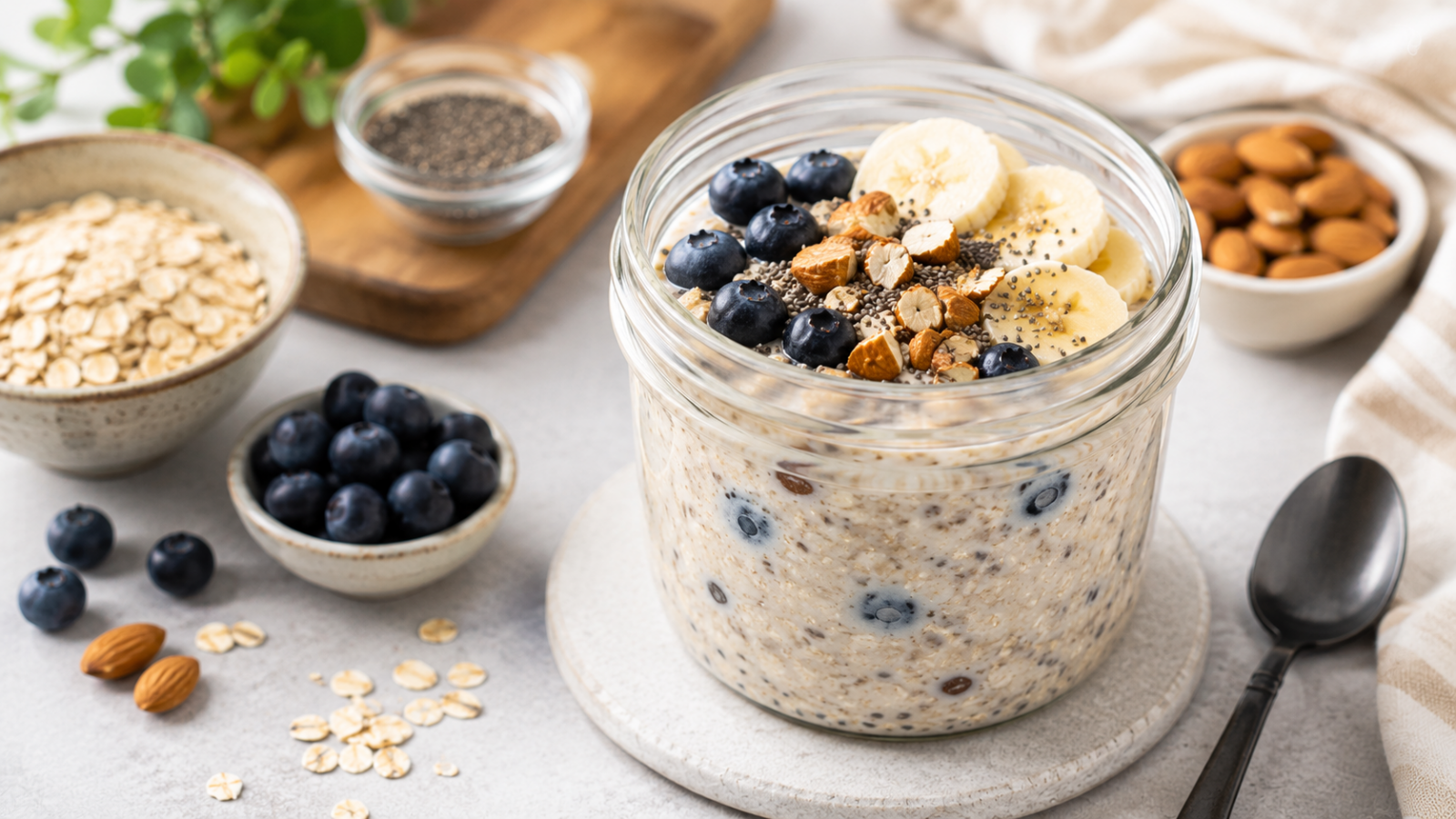
Dr. Vatsya underscores the importance of mindful preparation to maximize the health benefits of overnight oats and avoid turning a healthy breakfast into an unhealthy indulgence. "The healthiest way to make them is to keep it simple: plain rolled oats, milk or unsweetened yogurt, fresh fruits, nuts, seeds, and a pinch of cinnamon," he recommends.
Conversely, he warns against common pitfalls: "Too much sugar, flavored syrups, chocolate spreads, sweetened yogurts, or excessive dried fruits," he says, "can quickly turn a healthy breakfast into a sugar-heavy meal." These additions can significantly increase the calorie and sugar content, potentially leading to adverse health effects, especially for those managing blood sugar or weight.
Conclusion: A Balanced Approach to a Popular Breakfast
In conclusion, the month-long commitment to overnight oats can indeed be a positively transformative dietary habit, provided it is approached with awareness and balance. As Dr. Shubham Vatsya expertly illustrates, the inherent nutritional value of oats, particularly their rich fiber content, offers significant advantages for digestion, satiety, and blood sugar regulation. These benefits can contribute to improved gut health, better weight management, and sustained energy levels.
However, the key to unlocking the full potential of overnight oats lies not just in the oats themselves, but in the thoughtful choices made regarding their accompaniments. The temptation to overload these seemingly simple meals with added sugars and processed ingredients can quickly undermine their health benefits.
Therefore, the message is clear: overnight oats can be a smart and convenient daily breakfast, but like most healthy habits, their ultimate impact is dictated by what is added to them. By prioritizing whole, unprocessed ingredients, embracing variety in toppings, and listening to one’s body, individuals can harness the power of overnight oats to build a truly nourishing and sustainable breakfast routine.
Disclaimer: This article is based on information from the public domain and expert insights. It is intended for informational purposes only and does not constitute medical advice. Always consult with a qualified healthcare practitioner before making any significant changes to your diet or health regimen.
