

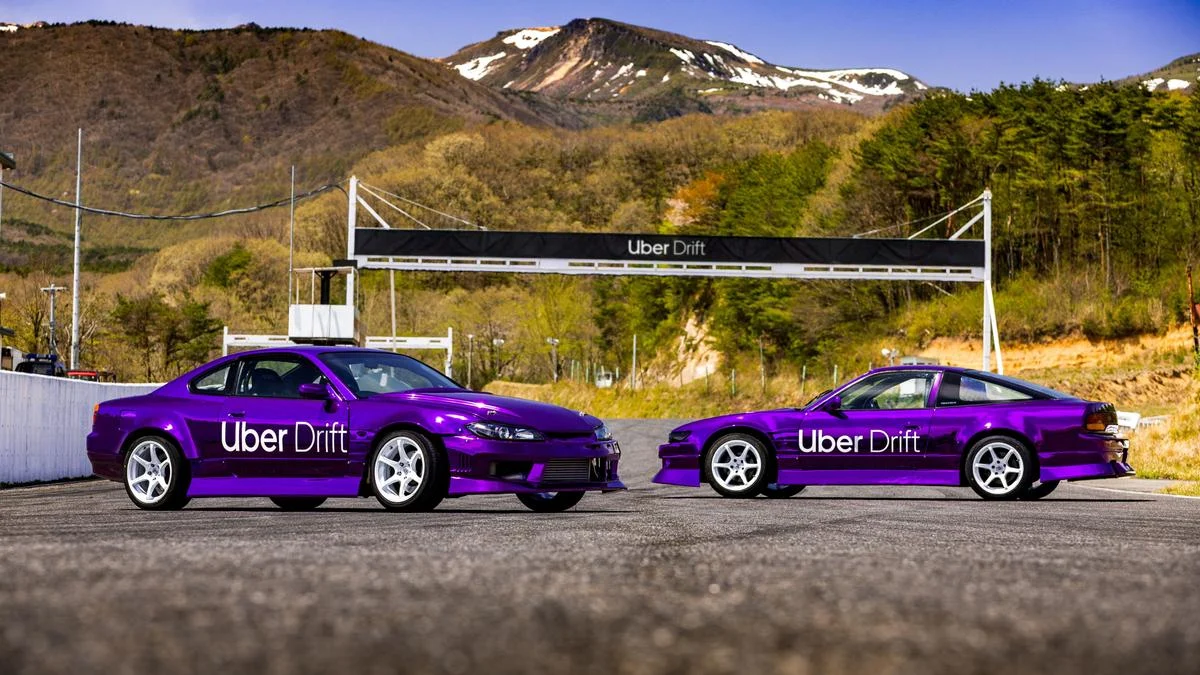
TOKYO — There is a specific, heart-stopping moment—somewhere between the initial flick of the steering wheel and the second lungful of acrid tire smoke—when drifting ceases to be mere automotive theater and begins to make profound, visceral sense. At the Mobara Twin Circuit, located roughly 90 minutes outside the neon sprawl of Tokyo, this realization arrives with the force of a centrifugal hammer.
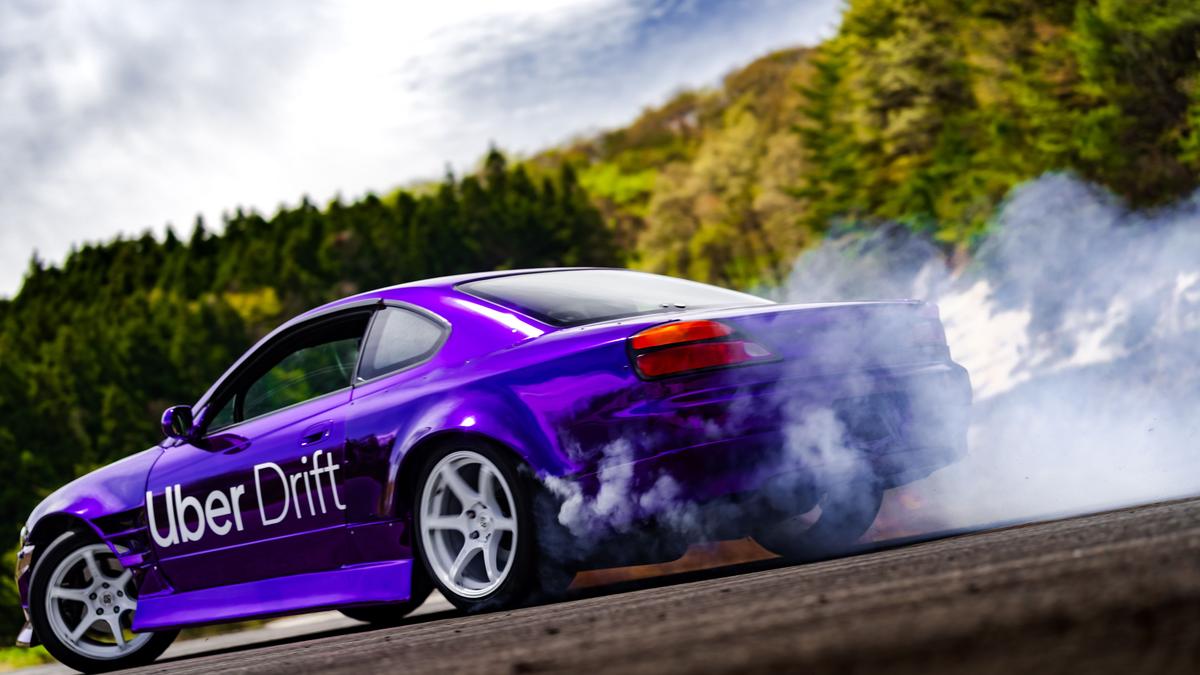
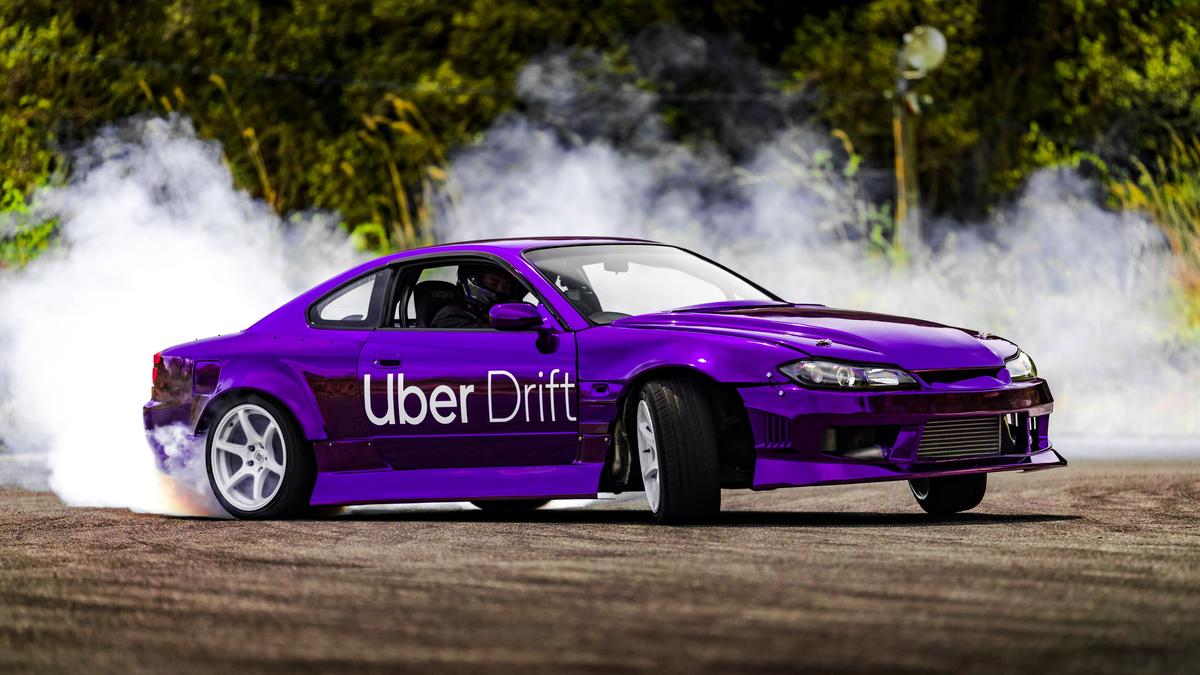
Strapped into the passenger seat of a Nissan Silvia S15, the world outside the windshield becomes a blur of horizontal motion. At the wheel is Fausto, a reigning drift champion, who holds the car at an angle that defies conventional Newtonian physics. He balances opposite lock with millimetric precision while another drift car, a 180SX, hovers inches from the side window. The rear tires are not merely spinning; they are evaporating. The engine screams against the rev limiter, a mechanical howl echoing off the surrounding hills. To the uninitiated, it feels like a choreographed disaster. To the practitioner, it is the highest form of disciplined driving—a paradox of precision disguised as violence.
This is the essence of Japanese drifting. It is a sport built on the intentional abandonment of grip, a pursuit where style is the objective and control is maintained only at the absolute edge of adhesion. As Japan opens its most secretive automotive subcultures to the world through initiatives like "Uber Drift," the global community is finally getting a front-row seat to the art form’s birthplace.
Main Facts: The "Uber Drift" Phenomenon and the Mobara Experience
The recent launch of the "Uber Drift" experience, part of Uber’s limited-edition “Go Anywhere” series, marks a significant shift in how Japanese car culture is consumed. Historically, the "underground" scene—characterized by late-night gatherings at Daikoku Parking Area and illicit mountain runs—was difficult for outsiders to access without deep local connections.
The Uber experience bridges this gap with a high-end, curated journey. It begins with a professional Uber Black pickup in central Tokyo, transitioning from the quiet luxury of a city sedan to the raw, mechanical intensity of the track. At Mobara Twin Circuit, a venue steeped in grassroots history, guests are paired with Formula Drift licensed professionals.
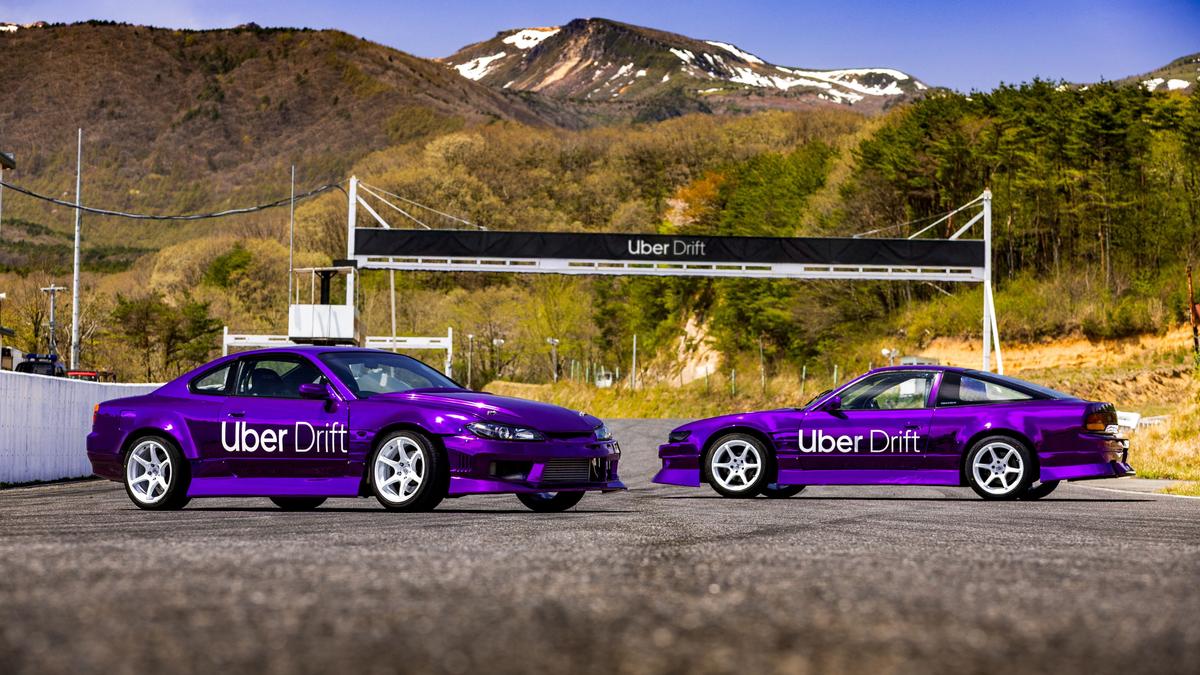
The experience utilizes genuine icons of the era: the Nissan Silvia S15 and the Nissan 180SX. These vehicles are not showroom pieces; they are purpose-built machines designed for "tandem" drifting, where two cars navigate a course in synchronized slides. The objective of the program is to demonstrate that drifting is not reckless abandonment but a highly technical discipline requiring a level of mechanical empathy and spatial awareness that few other motorsports demand.
Chronology: From the Touge to the Global Stage
To understand the current state of drifting, one must trace its lineage back to the winding mountain passes, or touge, of 1970s and 1980s Japan.
1970s: The Racing Origins
The foundations of modern drifting are often attributed to Kunimitsu Takahashi, a legendary motorcyclist and racing driver. During the All Japan Touring Car Championship, Takahashi employed a high-speed entry style, sliding his car through the apex to maintain higher exit speeds on bias-ply tires. His "smoke-show" victories captivated fans and proved that breaking traction could be both functional and aesthetically dominant.
1980s: The Rise of the "Drift King"
In the 1980s, a young driver named Keiichi Tsuchiya began practicing these techniques on the narrow, dangerous downhill roads of Japan’s countryside. Tsuchiya, who would later earn the moniker "Dorikin" (Drift King), realized that the slide itself was the attraction. In 1987, several popular car magazines and tuning shops produced "Pluspy," a video showcasing Tsuchiya’s illegal mountain drifting. While it resulted in a temporary suspension of his racing license, it ignited a global phenomenon.
2000s: Professionalization and D1 Grand Prix
By the turn of the millennium, drifting moved from the shadows of the mountains to sanctioned circuits. The D1 Grand Prix (D1GP) was established in 2000, creating a formal judging system and turning street heroes into professional athletes. This era saw the rise of specialized tuning houses like HKS, GReddy, and RE Amemiya, who pushed the mechanical limits of rear-wheel-drive Japanese chassis.
Supporting Data: The Physics of Controlled Oversteer
Drifting is one of the few motorsports where the objective is not to cross the finish line in the shortest time, but to navigate a course with the most "style." In professional competition, drivers are evaluated on four primary criteria:
- Line: Following a predetermined path marked by "clipping points."
- Angle: The degree to which the car is sideways relative to the direction of travel.
- Speed: Maintaining high velocity despite the friction of the slide.
- Impact (Style): The fluidity of transitions and the "aggression" of the entry.
The Engineering of a Drift Car
Modern drift cars are masterpieces of specialized engineering. Unlike a grip-oriented race car, a drift car requires:
- Steering Angle Kits: Modified hubs and control arms that allow the front wheels to turn up to 60 or 70 degrees (compared to the 30-35 degrees of a standard road car). This prevents the car from spinning out at extreme angles.
- Suspension Geometry: High-end coilovers are tuned to manage weight transfer. In drifting, the driver uses the car’s weight like a pendulum to initiate the slide.
- The Powerplant: Engines like the Nissan SR20DET or the Toyota 2JZ-GTE are favored for their ability to produce immense bursts of low-end torque. This torque is essential for "spinning" the rear tires back into a slide after a transition.
The Driver’s Input
Data logs from professional drift runs show a frantic level of activity. Within a five-second corner, a driver may make dozens of micro-corrections with the throttle and steering wheel. The use of the "clutch kick"—dipping the clutch while keeping the throttle pinned—is a common technique used to shock the drivetrain and break tire traction instantly.
Official Responses: Bridging the Gap Between Subculture and Tourism
The inclusion of drifting in a platform as mainstream as Uber represents a significant cultural milestone. According to representatives involved in the "Go Anywhere" series, the goal was to provide "authentic access" to a world that is often misunderstood as mere "street racing."
"Drifting is a pillar of Japanese identity, much like sumo or tea ceremonies, albeit a more modern, mechanical one," says a spokesperson for the event coordination team. "By bringing visitors to Mobara and putting them in the cockpit with licensed pros, we are stripping away the ‘Fast and Furious’ stereotypes and replacing them with a respect for the technical mastery involved."
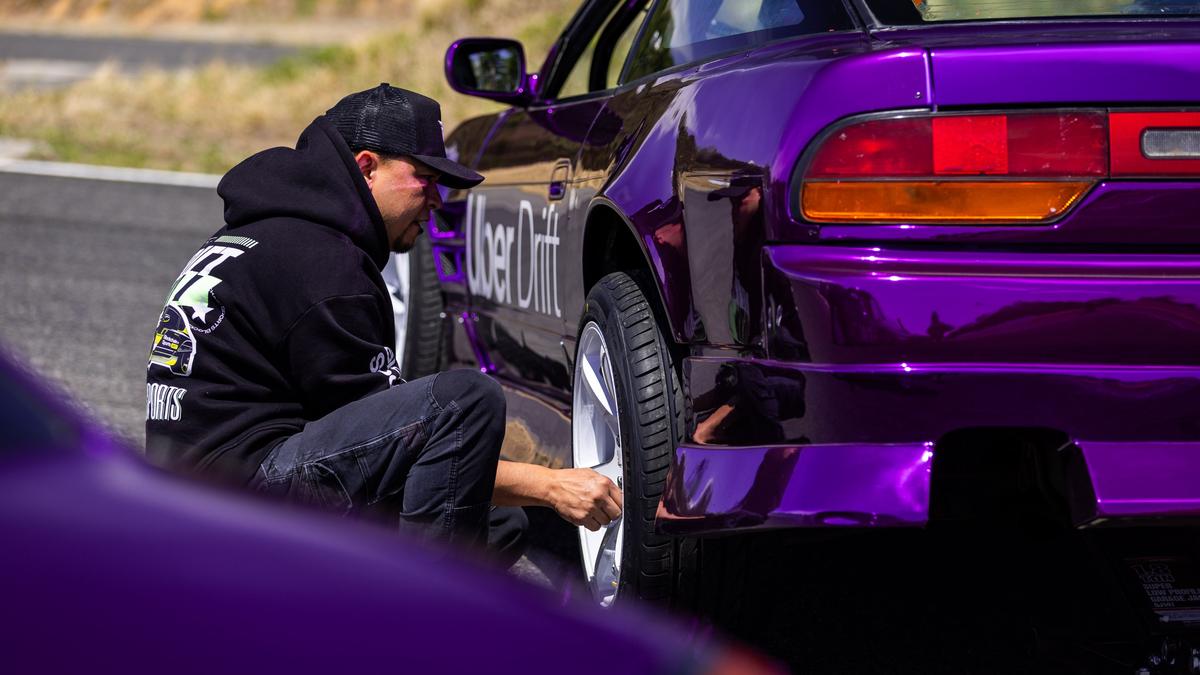
Professional drivers at the circuit echo this sentiment. "Many people think we are just out of control," says Fausto. "But when they sit in the car, they see that the hands and feet never stop. We are managing heat, tire pressure, and proximity to the other car simultaneously. It is organized violence."
Local track officials at Mobara Twin Circuit have also noted a shift in demographics. While the track remains a sanctuary for local "grassroots" drifters—those who arrive in battered cars with zip-tied bumpers—the influx of international enthusiasts is helping to fund the maintenance of these historic venues, ensuring they remain open as the automotive world shifts toward electrification.
Implications: The Future of the "Raw" Motorsport
The rise of high-level drift tourism and the formalization of the sport carry several long-term implications for Japanese car culture.
The Preservation of the Internal Combustion Engine (ICE)
As Japan and the global market move toward a carbon-neutral future, drifting remains one of the last bastions of the pure internal combustion experience. The sensory appeal—the smell of burning rubber, the vibration of a straight-six engine, the heat of the cabin—cannot be replicated by electric vehicles. Drifting may eventually become a "heritage" sport, preserved in circuits like Mobara much like vintage air shows.
The "Missile" Aesthetic and Sustainability
Drifting culture famously values "commitment over perfection." This has led to the "missile car" aesthetic—vehicles that are mechanically sound but aesthetically battered, held together by cable ties and duct tape. This culture of "repair and reuse" stands in stark contrast to the disposable nature of modern consumerism, highlighting a unique form of sustainability within the enthusiast community.
Economic Impact on Rural Circuits
Venues like Mobara, Ebisu, and Nikko Circuit are often located in rural prefectures. The global interest in drifting provides a crucial economic lifeline to these areas. Programs like Uber Drift demonstrate a viable model for "automotive tourism," where Japan’s unique car heritage becomes a primary draw for high-spending international visitors.
Conclusion: The Composed Chaos
Drifting is a testament to the human desire to master the impossible. It takes the most basic instinct of a driver—the fear of losing control—and turns it into a creative tool. In the hills of Mobara, as the smoke clears and the engine of the Silvia S15 finally cools, the takeaway is clear: drifting is not about the car sliding; it is about the driver remaining still in the center of the storm.
For those who witness it from the inside, the experience is transformative. It is a reminder that even in an increasingly automated world, there is still a place for the raw, the loud, and the beautifully, perfectly sideways.
