

The midsize sedan segment in India, once the crowning jewel of the automotive market, has undergone a radical transformation over the last decade. While the surge of Compact SUVs threatened to overshadow the traditional three-box silhouette, a resurgence led by European engineering and Japanese reliability has kept the flame alive. For the past few years, the narrative has been dominated by the "performance twins"—the Volkswagen Virtus and the Skoda Slavia. These vehicles, with their punchy turbocharged engines and stiff European dynamics, became the darlings of driving enthusiasts.
However, Honda, a brand synonymous with the very identity of the Indian sedan, has not been idle. The 2026 Honda City arrives not as a radical departure, but as a masterclass in refined evolution. Priced between INR 11.99 lakh and INR 20 lakh (ex-showroom), the updated City seeks to reclaim its throne by offering a package that balances contemporary aesthetics, cutting-edge hybrid technology, and the legendary "Man Maximum, Machine Minimum" philosophy that has defined the nameplate for over twenty years.
Main Facts: The 2026 Refinement
The 2026 Honda City represents a strategic update aimed at modernizing the vehicle’s appeal while doubling down on its core strengths of comfort and efficiency. The most significant headline is the continued maturation of the e:HEV strong-hybrid powertrain, which now sits at the pinnacle of the City lineup.
Key highlights of the 2026 model include:
- Pricing: A competitive range starting from INR 11.99 lakh for the entry-level petrol variants, stretching to INR 20 lakh for the fully-loaded hybrid.
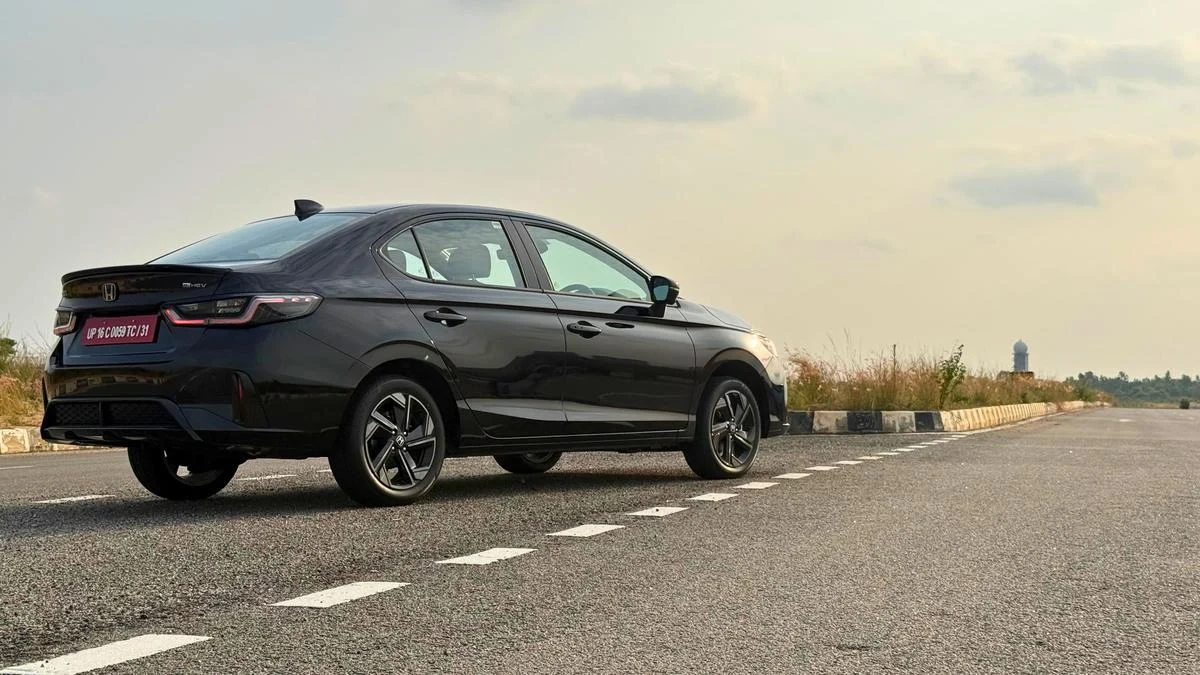
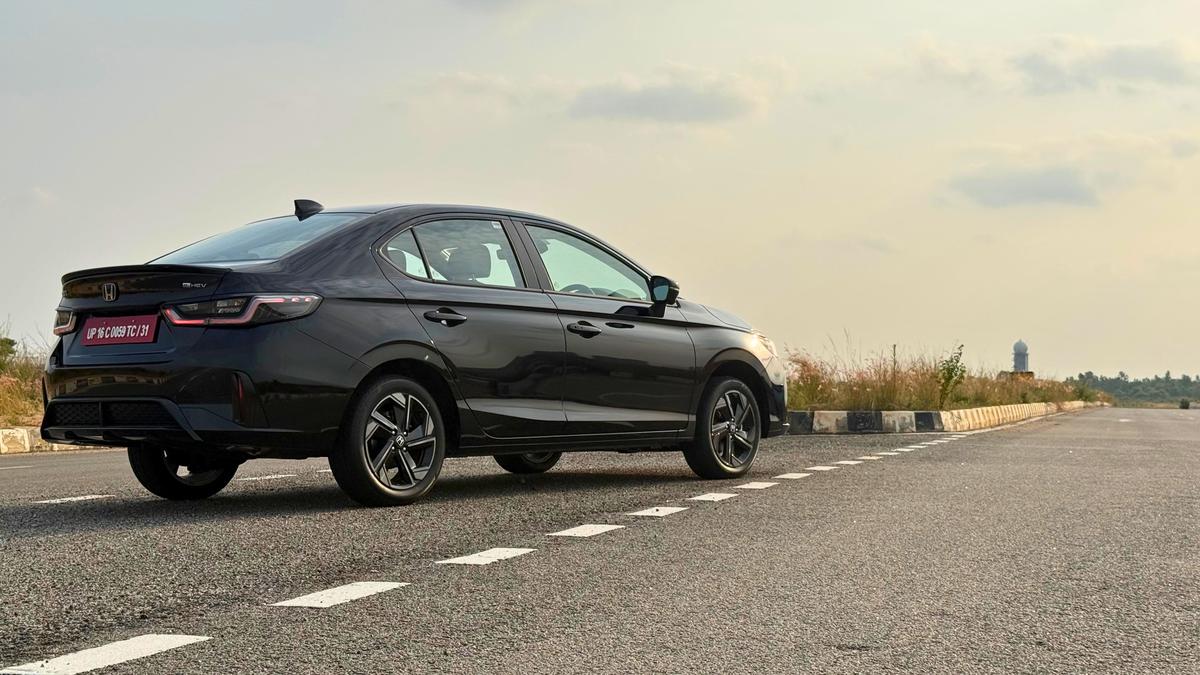
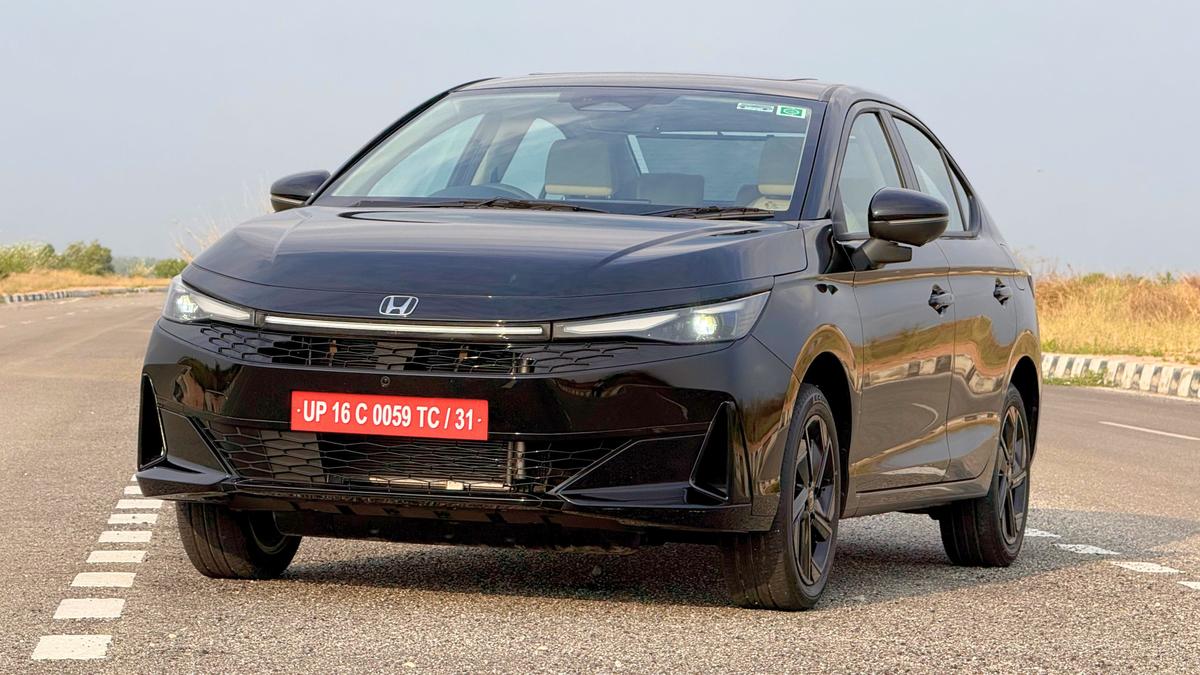
- Design Language: Slimmer "Blade-Eye" LED headlamps, a redesigned front grille, and a connected light bar at the rear.
- Dimensions: At 4,594 mm in length, it remains one of the most substantial vehicles in its class, prioritizing rear-seat legroom and presence.
- Powertrain: A 1.5-litre Atkinson-cycle i-VTEC engine paired with a dual-motor electric hybrid system, producing a combined 126 PS and a class-leading 253 Nm of torque.
- Efficiency: A real-world tested fuel economy of approximately 23.5 km/l under mixed driving conditions.
Chronology: Two Decades of Dominance and the Shift to Hybrid
To understand the significance of the 2026 model, one must look at the City’s trajectory in the Indian market. Since its debut in the late 1990s, the Honda City has been the aspirational benchmark for the Indian middle class. It survived the diesel era, the transition to stricter emission norms, and the SUV onslaught.
In recent years, the chronology of the City has been defined by a pivot toward electrification. While rivals focused on downsizing and turbocharging (1.0L and 1.5L TSI engines), Honda bet on the "Strong Hybrid" as the bridge to a full-electric future. The 2026 model marks the third year of the City’s hybrid journey in India, benefiting from software refinements and hardware optimizations that make the transition between electric and internal combustion modes more seamless than ever before.
This update follows a period where the City "quietly went about its business," maintaining steady sales while the Virtus and Slavia grabbed headlines for their high-speed stability and explosive mid-range. The 2026 refresh is Honda’s loudest response yet, signaling that the "default recommendation" in the segment is no longer a one-sided conversation.
Supporting Data: Engineering the e:HEV Experience
The technical heart of the 2026 Honda City is the e:HEV system. Unlike "mild hybrids" that merely assist the engine, Honda’s strong-hybrid system is a complex piece of engineering that allows the car to operate as a pure electric vehicle (EV) for significant portions of a city commute.
Performance Metrics
The system utilizes a 1.5-litre petrol engine that primarily acts as a generator, feeding power to the electric traction motor or the lithium-ion battery.
- Acceleration: The City Hybrid achieves 0-100 km/h in a brisk 7.9 seconds. This makes it faster off the line than many naturally aspirated rivals and competitive with turbocharged competitors.
- Torque Delivery: The 253 Nm of torque is available almost instantly from the electric motor, providing a "pep" that is particularly useful in stop-and-go urban traffic.
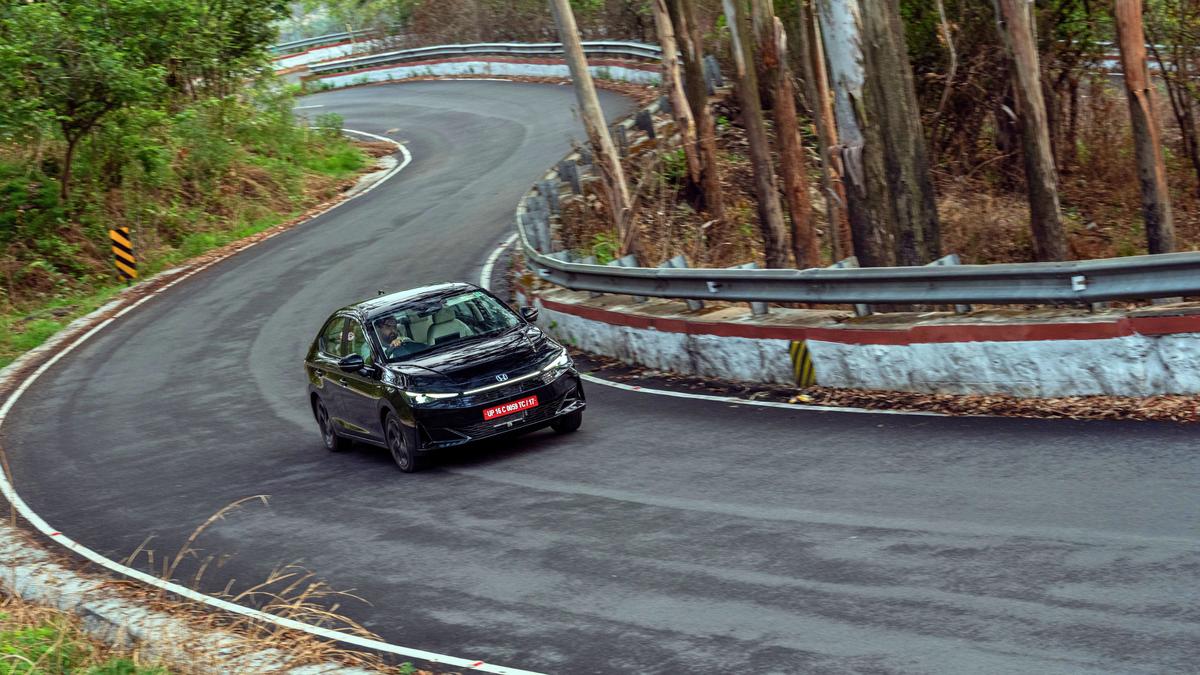
- Real-World Efficiency: During a comprehensive test drive around the outskirts of Bengaluru—encompassing highway stretches and the winding ascent of Nandi Hills—the vehicle returned an indicated 23.5 km/l. This is a staggering figure for a midsize sedan, effectively halving the fuel bills of a traditional petrol vehicle in similar conditions.
Ride and Handling
A critical data point for the 2026 model is its suspension tuning. Honda has managed to achieve a level of composure that rivals entry-level luxury sedans from brands like BMW or Audi. The suspension absorbs highway expansion joints and broken country roads with a "maturity" that prevents the cabin from feeling unsettled. Even with the added weight of the battery pack in the hybrid variant, the car maintains excellent body control through corners.
Official Responses and Design Philosophy
Honda’s design team has approached this update with "admirable restraint." In official communications regarding the City’s philosophy, the focus remains on "Understated Sophistication."
Exterior Aesthetics
The 2026 model moves away from the overly aggressive "angry" look adopted by some competitors. Instead, it uses clean lines and balanced proportions. The "Blade-Eye" LED headlamps and the revised grille are influenced by Honda’s larger global sedans (like the Accord), lending the City a more premium, "grown-up" presence. The new alloy wheel designs are a nod to a younger demographic, but the overall silhouette remains classic and timeless.
Interior and Technology
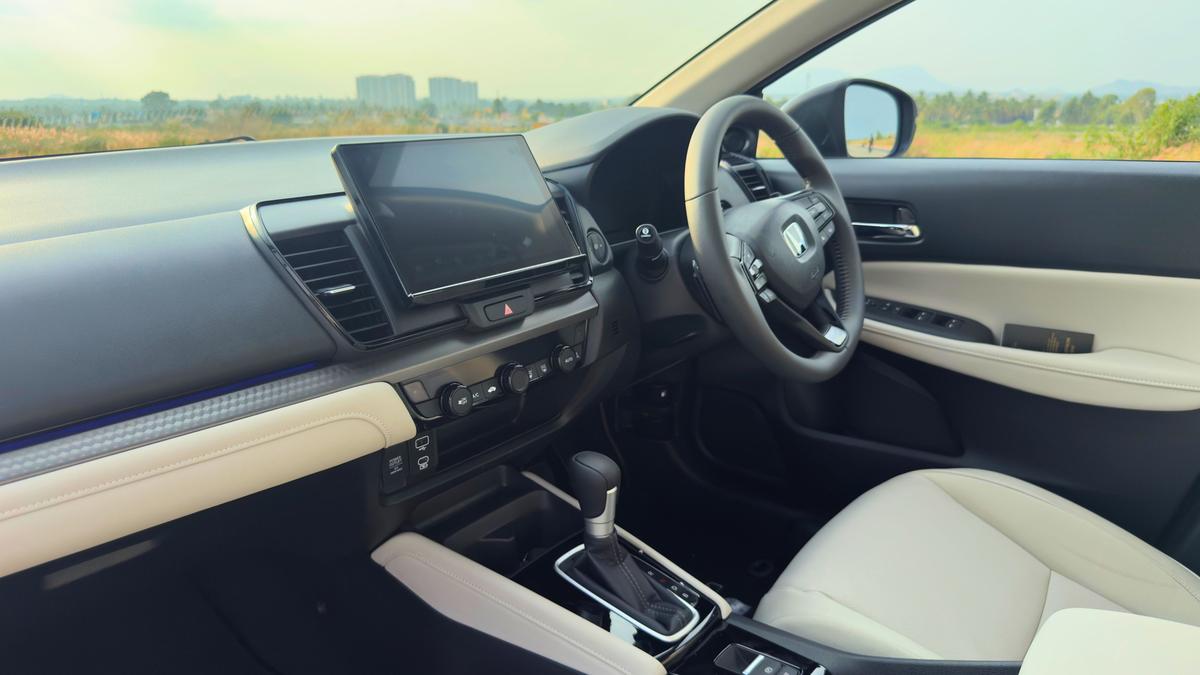
Inside, Honda continues to prioritize the passenger experience. The "ivory-and-black" theme is designed to enhance the sense of space.
- The "Space" Factor: The City remains the segment leader for rear-seat comfort. The legroom and shoulder room are sufficient for three adults to sit abreast with minimal compromise.
- Feature List: Honda has listened to market feedback, equipping the 2026 model with ventilated front seats, wireless smartphone integration (Apple CarPlay/Android Auto), and a 360-degree camera.
- Critique of the Interface: While the infotainment screen is larger, critics and testers have noted that the resolution and UI speed still lag slightly behind the "smartphone-like" slickness found in the Hyundai Verna or the Volkswagen Virtus. However, Honda officials suggest that the focus is on "intuitive functionality" and "distraction-free driving" rather than purely visual flair.
Safety: The Honda Sensing Suite
Safety is no longer an optional extra for the City. The 2026 model comes standard with six airbags across most variants, but the real highlight is the Honda Sensing suite of ADAS (Advanced Driver Assistance Systems).
The suite includes:
- Adaptive Cruise Control with Low-Speed Follow: Ideal for highway cruising and heavy traffic.
- Lane Keep Assist (LKA): Gently nudges the steering to keep the car centered.
- Collision Mitigation Braking System (CMBS): Can automatically apply brakes if a collision is imminent.
- Road Departure Mitigation: Prevents the car from accidentally veering off the tarmac.
- Auto High Beam: Optimizes visibility without blinding oncoming traffic.
This comprehensive safety package ensures the City remains a top choice for families who prioritize peace of mind alongside luxury.
Implications: The "Smartest" Choice in a Changing Market
The arrival of the 2026 Honda City has significant implications for the Indian automotive landscape.
The Hybrid vs. Turbo Debate
For the consumer, the choice has become clearer. If the priority is raw, mechanical involvement and "explosive" power, the Volkswagen Virtus GT remains the enthusiast’s pick. However, for the "smart" buyer who lives in the real world of rising fuel prices and congested cities, the Honda City Hybrid offers a more logical proposition. It provides 90% of the performance of a turbo-petrol with 150% of the fuel efficiency.
Environmental and Economic Impact
As India moves toward stricter emission norms (BS6 Phase 2 and beyond), the City’s hybrid tech places it ahead of the curve. It offers a way for consumers to reduce their carbon footprint without the "range anxiety" associated with pure Electric Vehicles (EVs) or the lack of charging infrastructure in rural areas.
The Future of the Sedan
The 2026 Honda City proves that the sedan is far from dead. By focusing on refinement, ride quality, and extreme efficiency, Honda has created a vehicle that understands its identity. It doesn’t try to be an off-roader; it tries to be the most comfortable, sophisticated, and intelligent way to move four people from point A to point B.
In conclusion, while the Virtus and Slavia may continue to dominate the "enthusiast" headlines, the 2026 Honda City is arguably the most well-rounded package in the segment. It is a car that doesn’t need to shout to be heard. Its value lies in its polish, its record-breaking efficiency, and the quiet confidence of a brand that has mastered the art of the sedan. For those looking for a vehicle that balances the heart and the head, the City remains the smartest contender on the board.
