CRICKET
The tumultuous T20 International tour of the United Kingdom has cast a long shadow over the future of Shreyas Iyer as India’s designated captain in the shortest format. Following a series of disappointing losses – two against Ireland and a comprehensive five-match sweep by England – the clamour for a leadership change has grown louder within cricketing circles and among the passionate Indian fanbase. However, amidst this fervent debate, former India assistant coach Abhishek Nayar has emerged as a staunch advocate for stability, issuing a powerful warning to the Board of Control for Cricket in India (BCCI) against making a "knee-jerk decision."
Nayar, a respected voice in Indian cricket who recently concluded his tenure with the BCCI, has stressed the paramount need for continuity and a measured approach over impulsive changes. His counsel comes at a critical juncture, with India’s T20 World Cup aspirations looming and the team grappling with tactical shortcomings exposed on foreign soil. He argues that prematurely removing Iyer from the captaincy would not only be unfair to a leader who has just commenced his journey but could also plunge the team into further disarray and uncertainty, undermining the very foundation required for sustained success.
Main Facts: A Stormy Start to International Leadership
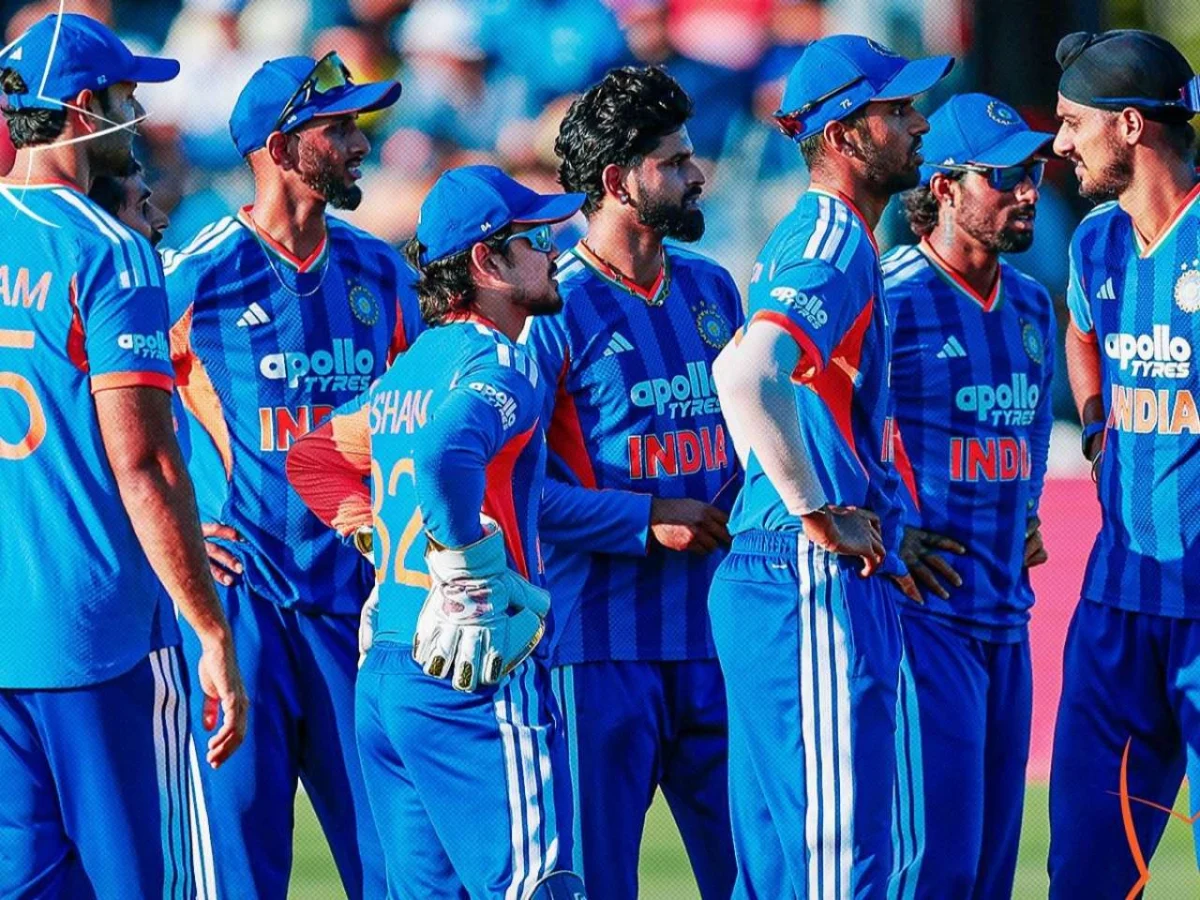
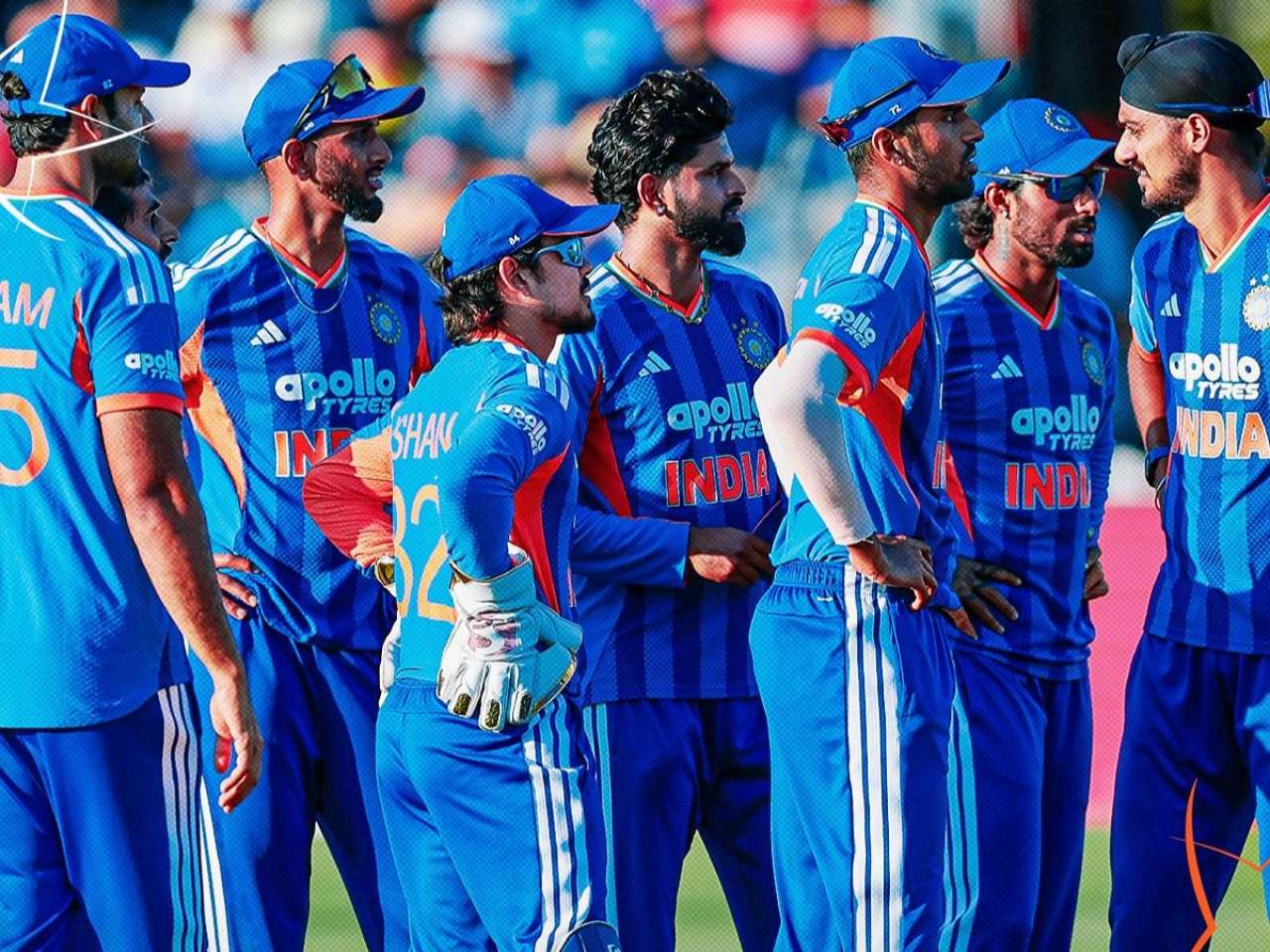
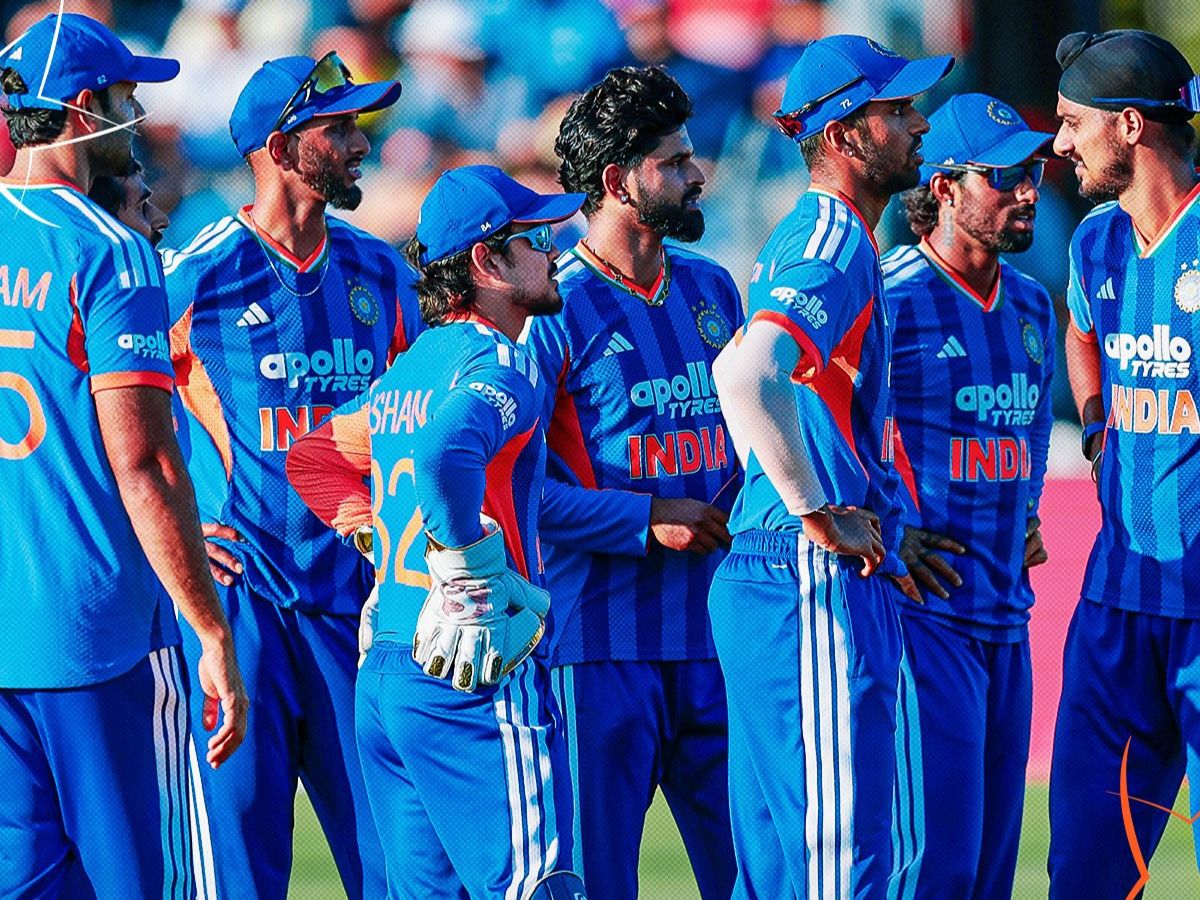
Shreyas Iyer’s maiden outing as India’s T20I captain was, by all accounts, a baptism by fire. Tasked with leading a relatively experimental squad on the challenging T20I tour of the UK, the results were unequivocally grim. The team suffered back-to-back defeats against a spirited Irish side, followed by a demoralising whitewash in the five-match series against a dominant England outfit. This dismal performance, a stark contrast to India’s customary strength in bilateral series, immediately triggered widespread questioning of Iyer’s leadership acumen and tactical decision-making.
The narrative quickly shifted from assessing individual player performances to scrutinising the captain himself. Media analyses and fan discussions largely focused on whether Iyer, despite his proven track record in the Indian Premier League (IPL), possessed the gravitas and strategic depth required to steer the national team. Calls for an immediate change at the helm began to surface, advocating for a swift replacement to prevent further damage to India’s T20I trajectory, especially with the impending World Cup.
It is against this backdrop of public disquiet and mounting pressure that Abhishek Nayar’s intervention carries significant weight. His strong warning to the BCCI is not merely a defence of an individual but a broader philosophical statement on team management. Nayar’s core message is unequivocal: stability and trust in leadership are non-negotiable for long-term success. He contends that judging Iyer solely on the basis of a single, challenging series – his first at the national T20I helm – would be a grave error, potentially creating more problems than it solves. Instead, he advocates for patience, support, and the provision of necessary resources for Iyer to evolve into the role, echoing the belief that true leadership takes time to blossom and requires the unwavering backing of the management.
)
Chronology: Iyer’s Journey and the Recent Debacle
Shreyas Iyer’s Cricketing Trajectory: A Path to Leadership
Shreyas Iyer’s journey through the ranks of Indian cricket has been marked by early promise and consistent performances. Hailing from Mumbai, a city synonymous with cricketing excellence, Iyer quickly rose through the domestic circuit, showcasing an aggressive yet composed batting style. His leadership qualities were evident from a young age, culminating in his appointment as captain for the Delhi Capitals in the IPL in 2018, a significant responsibility for a relatively young player. Under his captaincy, the Capitals transformed from perennial underperformers into a formidable unit, reaching the IPL final in 2020 – a testament to his ability to galvanise a squad and foster a winning culture.
Following a period with the Delhi Capitals, Iyer moved to the Kolkata Knight Riders (KKR) in 2022, where he once again assumed the captaincy. He steered KKR to another IPL final, further cementing his reputation as a capable leader in the high-pressure environment of franchise cricket. These IPL successes, where he demonstrated strategic acumen, player management skills, and the ability to perform under pressure, were key factors in his consideration for national leadership roles. His ascent to the T20I captaincy for India was, therefore, a natural progression, albeit one fraught with the unique challenges of international cricket. It is also important to note that Iyer was returning to the T20I side himself, having navigated his own fitness and form challenges prior to the UK tour, adding another layer of personal pressure to his captaincy debut.

The UK T20I Tour – A Detailed Examination of India’s Struggles
The recent T20I tour of the UK unfolded as a stark reminder of the unforgiving nature of international cricket and the fine margins between victory and defeat. India’s campaign began with a two-match series against Ireland, a team known for its spirited performances against top-tier nations. India, under Iyer’s captaincy, failed to assert dominance, succumbing to both defeats. While individual performances saw glimpses of brilliance, the collective unit struggled to maintain consistency, particularly in crucial moments.
The subsequent five-match series against England, the reigning T20 World Champions, proved to be an even more chastening experience. England, playing on home soil with a clear tactical blueprint and an aggressive mindset, exposed several vulnerabilities within the Indian squad. The series saw a comprehensive whitewash, with England consistently outplaying India in all facets of the game.
)
- Batting Failures: Indian batsmen frequently struggled to adapt to the English conditions, particularly against the short-ball barrage employed relentlessly by the English pacers. Key players often found themselves bogged down or dismissed attempting ambitious shots under pressure. The lack of sustained partnerships and an inability to accelerate effectively in the middle overs became a recurring theme.
- Bowling Inconsistency: The Indian bowling attack, while featuring some potent names, lacked the incisiveness and control required to contain England’s aggressive batting line-up. Spinners struggled to find their rhythm, and pacers, despite moments of brilliance, often conceded runs at crucial junctures. The absence of a consistent wicket-taking threat in the middle overs allowed England to dictate terms.
- Tactical Shortcomings: From a captaincy perspective, Iyer faced the immense challenge of rallying a team that seemed to be under siege. His field placements, bowling changes, and batting order adjustments were often scrutinised in hindsight. The inability to counter England’s aggressive short-ball strategy, both with bat and ball, pointed to a need for swifter in-match adaptation and a more robust pre-series tactical plan.
- The "Short Ball" Predicament: As Abhishek Nayar later highlighted, the tour served as a stark "wake-up call" regarding India’s vulnerability to the short ball. Both Ireland and especially England deployed this tactic with remarkable consistency and precision, unsettling Indian batsmen and forcing errors. The inability of multiple batters to effectively manage or counter this sustained attack was a glaring weakness that permeated throughout the series. England’s superior homework and execution contrasted sharply with India’s struggle to adapt, particularly in a format where quick adjustments are paramount.
This comprehensive overview of the tour underscores the immense pressure under which Shreyas Iyer made his T20I captaincy debut. It was a series where the team not only faced formidable opposition but also grappled with fundamental technical and tactical issues that require deeper reflection than mere leadership change.
Supporting Data and Expert Analysis: The Case for Patience
The Weight of International Captaincy: Beyond Franchise Cricket
The transition from leading an IPL franchise to captaining the national team is a monumental leap, often underestimated in its complexity. While both involve high stakes and intense scrutiny, the international arena presents unique pressures. A national captain bears the hopes of over a billion people, navigating not only on-field strategy but also off-field expectations, media narratives, and the delicate balance of managing diverse personalities within the squad. Unlike IPL, where players are bought and sold, the national team comprises individuals who have earned their place through consistent domestic and international performances, each bringing their own established routines and perspectives.
)
A new captain, especially one taking over a side with established stars, rarely gets a blank slate. They often inherit an existing structure, a pre-selected squad, and a coaching philosophy that may or may not align perfectly with their own vision. As Abhishek Nayar aptly explained, "New captains don’t always get a say in the squad or the direction right away—they have to settle in, handle what’s given, and then decide how to move forward." This period of settling in, understanding the team’s dynamics, and gradually asserting one’s own leadership style is crucial but often overlooked in the immediate aftermath of poor results.
Abhishek Nayar’s Core Arguments: An Expansion
Nayar’s defence of Iyer is rooted in a deep understanding of player psychology and team building. His arguments can be further elaborated to underscore the critical need for patience:
)
-
"Unfair to judge after one series": This is perhaps Nayar’s most potent point. A single series, particularly one as challenging as the UK tour, is an insufficient sample size to definitively assess a captain’s long-term potential. Iyer was not only new to the T20I captaincy but was also making his personal comeback to the T20I squad. This dual pressure – leading the team while simultaneously trying to cement his own place and form – would be daunting for any player. To expect immediate, flawless success in such circumstances is unrealistic. A captain needs time to forge connections with players, understand their strengths and weaknesses, and implement a strategic framework that goes beyond knee-jerk reactions.
-
Empowering the Captain to "Own the Squad": Nayar stresses the importance of giving a captain the autonomy to build "his own team." This doesn’t necessarily mean a complete overhaul of personnel but rather the freedom to influence selection, develop tactical plans, and foster a team culture that reflects his vision. He draws parallels with successful leadership models in international cricket:
- Harry Brook and Ben Stokes (England Test Team): The "Bazball" revolution under Ben Stokes and coach Brendon McCullum wasn’t an overnight success. It involved a radical shift in philosophy, a commitment to aggressive cricket, and unwavering support for players, even through initial setbacks. Harry Brook, a key component, was given the freedom to express himself. This model prioritises intent and process over immediate results, trusting that the latter will follow.
- Rohit Sharma and Virat Kohli (India Test Team): Both former captains, in their respective tenures, were given significant leeway to shape the Indian Test team. They cultivated a formidable unit, particularly in home conditions and eventually overseas, by fostering a strong team ethos, backing certain players, and developing a clear strategic direction. Their success was not instantaneous but a result of sustained efforts and management support.
- Shubman Gill (India ODI Captaincy): Nayar specifically referenced Shubman Gill, who also experienced initial losses in his early outings as ODI captain. However, the management’s patience allowed him to grow into the role, eventually leading the team to more consistent performances. This serves as a pertinent example within the Indian context itself, demonstrating the value of sustained faith.
The underlying principle is that a captain’s vision, confidence, and ability to inspire confidence in his players takes time to build. Without the space to experiment, learn from mistakes, and exert influence, a captain becomes a mere figurehead, unable to truly lead.
)
Statistical Context and Psychological Impact:
While the win/loss record of the UK tour is undeniably poor, it must be viewed within the larger context. T20 cricket is inherently volatile, and a few close matches can swing series results dramatically. More importantly, frequent changes in captaincy can have a detrimental psychological impact on the team. It breeds a sense of instability, forces players to constantly adapt to new leadership styles, and can erode confidence, both in the captain and the management. Players thrive in environments where roles are clear, expectations are consistent, and leadership is stable. A rotating door for captains can lead to uncertainty, hesitancy, and ultimately, a decline in performance. The idea of "building a team" requires a consistent leader who can shepherd the squad through highs and lows, instilling a long-term vision rather than merely reacting to short-term outcomes.
Official Responses and Board Philosophy (Implied)
Nayar’s Direct Warning to the BCCI: A Call for Strategic Foresight
)
Abhishek Nayar’s strong admonition is not just a personal opinion but a direct challenge to the BCCI’s decision-making philosophy. By stressing "stability and continuity," he implicitly critiques any inclination towards hasty leadership changes driven by immediate results. He highlights the potential for "confusion" and "uncertainty" if Iyer is prematurely removed, suggesting that such a move would signal a lack of faith and a reactive approach from the board. This, in turn, could impact not only Iyer but also future captaincy aspirants, creating an environment where leaders fear failure rather than embrace the challenge of building a team.
The warning also gains additional relevance with the recent appointment of Gautam Gambhir to the management team. Gambhir, known for his decisive and often uncompromising leadership style, will now be instrumental in shaping India’s cricketing future. Nayar’s advice serves as an early counsel to the new management: while demanding improvement is essential, it must be balanced with patience and a clear, unwavering vision for leadership. The board’s response, or lack thereof, to such a high-profile recommendation will be closely watched, as it will reveal their commitment to long-term planning versus short-term fixes.
The BCCI’s Historical Approach to Captaincy: A Balancing Act
)
Historically, the BCCI has navigated a complex path regarding captaincy. There have been instances of unwavering support for captains, even during lean patches, allowing them to build formidable teams – MS Dhoni’s initial years and Virat Kohli’s Test captaincy are prime examples. Conversely, there have also been periods of rapid changes, particularly in white-ball formats, driven by performance pressures or the need to inject fresh leadership. This balancing act between demanding performance and fostering long-term stability is a perennial challenge for any cricketing board.
The current situation with Shreyas Iyer presents a critical test of the BCCI’s philosophy. Will they succumb to public pressure and immediate results, or will they heed Nayar’s advice and invest in Iyer’s potential, providing him with the necessary support and time to grow into the role? The decision will not only impact Iyer’s career but also set a precedent for how future leaders are groomed and supported within the Indian cricketing ecosystem. A clear, consistent approach to captaincy, built on trust and strategic foresight, is vital for maintaining a steady leadership pipeline and ensuring the overall health and competitiveness of Indian cricket.
Implications: Charting India’s T20 Future
The ramifications of the UK T20I tour and the subsequent debate extend far beyond Shreyas Iyer’s individual captaincy. They touch upon India’s strategic preparedness for global tournaments, the efficacy of its player development programs, and the leadership philosophy of the BCCI under its new management.
)
Immediate Future for Shreyas Iyer: A Test of Resilience
If Nayar’s counsel is heeded, "patience" for Shreyas Iyer would translate into concrete actions:
- More Opportunities: He would be given further series to demonstrate his growth as a captain, with clear objectives and constructive feedback from the coaching staff.
- Support from Management: This would involve open communication, strategic discussions, and a commitment to empowering him in decision-making processes, including input on squad selection and tactical approaches.
- Personal Growth: Iyer himself would need to internalise the lessons from the UK tour, making tactical adjustments, refining his leadership style, and most importantly, leading by example with consistent personal performances. His resilience in navigating this period of intense scrutiny will be crucial.
The "Wake-up Call" – Strategic Adjustments for India:
)
Nayar rightly termed the UK tour a "real wake-up call." It exposed fundamental vulnerabilities that India must address proactively, especially with the World Cup on the horizon.
-
Addressing the Short-Ball Vulnerability: This was arguably the most glaring weakness. The relentless short-ball attack by Ireland and England caught Indian batsmen off guard, highlighting a potential technical flaw and a lack of preparedness.
- Technical Training: Players, particularly those susceptible to the short ball, will need dedicated practice sessions focusing on body balance, shot selection (pull, hook, leave), and counter-attacking strategies. This isn’t just about survival but about turning a weakness into a scoring opportunity.
- Mental Fortitude: Beyond technique, developing the mental resilience to face sustained hostile bowling is crucial. This requires match simulations and focused drills that replicate game-like pressure.
- Contextual Adaptation: While Australian conditions offer "truer bounce," which India generally adapts to better, the English experience showed that international teams are increasingly sophisticated in exploiting specific weaknesses. India needs to be prepared for varied conditions and opposition tactics globally, not just in Asia.
-
Spin Department Consistency: Nayar’s observations on Axar Patel and the broader inconsistency in spinner selection underscore another critical area.
)
- Axar Patel’s Case: His dip in form, attributed to the disappearance of his natural "drift" due to action issues or fatigue, highlights the need for dedicated player management. The coaching staff must help him analyse and rectify these issues, ensuring he returns to his best. Opponent analysis (England "working him out") means developing variations and unpredictability.
- Inconsistent Selection: The rotation between Kuldeep Yadav, Varun Chakaravarthy (plagued by injuries), and other spinners points to a lack of a clear, consistent strategy. For T20 World Cups, a settled spin attack with defined roles is vital. The coaching staff needs to identify a core group of spinners, invest in their development, and provide them with consistent opportunities to build confidence and rhythm, rather than chopping and changing based on fleeting form. This "chopping and changing" creates uncertainty and hinders player development.
- Clear Expectations: Laying out what is expected from each player, where improvement is needed, and how they fit into the team’s long-term vision is paramount. This clarity fosters a sense of direction rather than creating more uncertainty.
Gautam Gambhir’s Management Era: A New Paradigm?
With Gautam Gambhir now leading the management team, the onus is on him and his colleagues to implement Nayar’s call for steadiness while simultaneously demanding improvement. Gambhir’s own playing career was marked by a fierce competitiveness and a strategic mind. His challenge will be to translate that intensity into a patient, developmental approach for the national team.
- Strategic Roadmap: The new management must establish a clear roadmap for India’s T20 future, identifying core players, defining roles, and outlining the expected trajectory for individual and team development.
- Communication: Transparent communication with players and the captain regarding expectations, performance reviews, and future plans will be vital to build trust and accountability.
- Balancing Continuity and Evolution: The difficult task will be to maintain continuity in leadership and core personnel while simultaneously evolving tactics and addressing technical shortcomings. This requires shrewd cricketing judgment and a long-term perspective.
The Road to the World Cup: A Crucial Learning Curve
)
The UK tour, despite its disappointing outcome, should be viewed as a crucial learning experience rather than a catastrophe. It provided invaluable insights into player capabilities under pressure, tactical vulnerabilities, and the specific areas requiring urgent attention. The World Cup is approaching, and India cannot afford to panic. Instead, the focus must shift to methodical preparation, addressing the identified shortcomings (like the short ball), stabilising the spin department, and, most importantly, providing unwavering support to the chosen leadership group. The challenge is to transform losing into a "turning point" for growth and strategic recalibration, rather than allowing it to spiral into chaos.
Conclusion: A Call for Measured Leadership
In essence, Abhishek Nayar’s strong warning to the BCCI encapsulates a fundamental truth about high-performance sports: genuine success is built on a foundation of stability, trust, and a long-term vision, not on reactive decisions spurred by immediate results. Shreyas Iyer’s debut as India’s T20I captain was undoubtedly challenging, culminating in a difficult series loss that exposed both individual and collective weaknesses. However, Nayar’s intervention serves as a vital reminder that leadership, particularly at the international level, is a nuanced and evolutionary process that demands time, support, and the space to learn and grow.
As Gautam Gambhir’s management team begins its tenure, the message is clear: a steady hand, clear expectations, and an unwavering focus on player development are paramount. The UK tour should not be viewed as an endpoint for Shreyas Iyer’s captaincy aspirations but rather as a critical juncture for introspection and strategic adjustment for the entire Indian cricketing setup. By resisting the temptation for knee-jerk changes and instead investing in a measured, patient approach, the BCCI can ensure that the recent losses become a valuable "turning point" towards sustained success, fostering a robust and confident Indian team ready to conquer future challenges. The alternative – a spiral into chaos driven by uncertainty – is a price too high to pay for India’s cricketing future.