

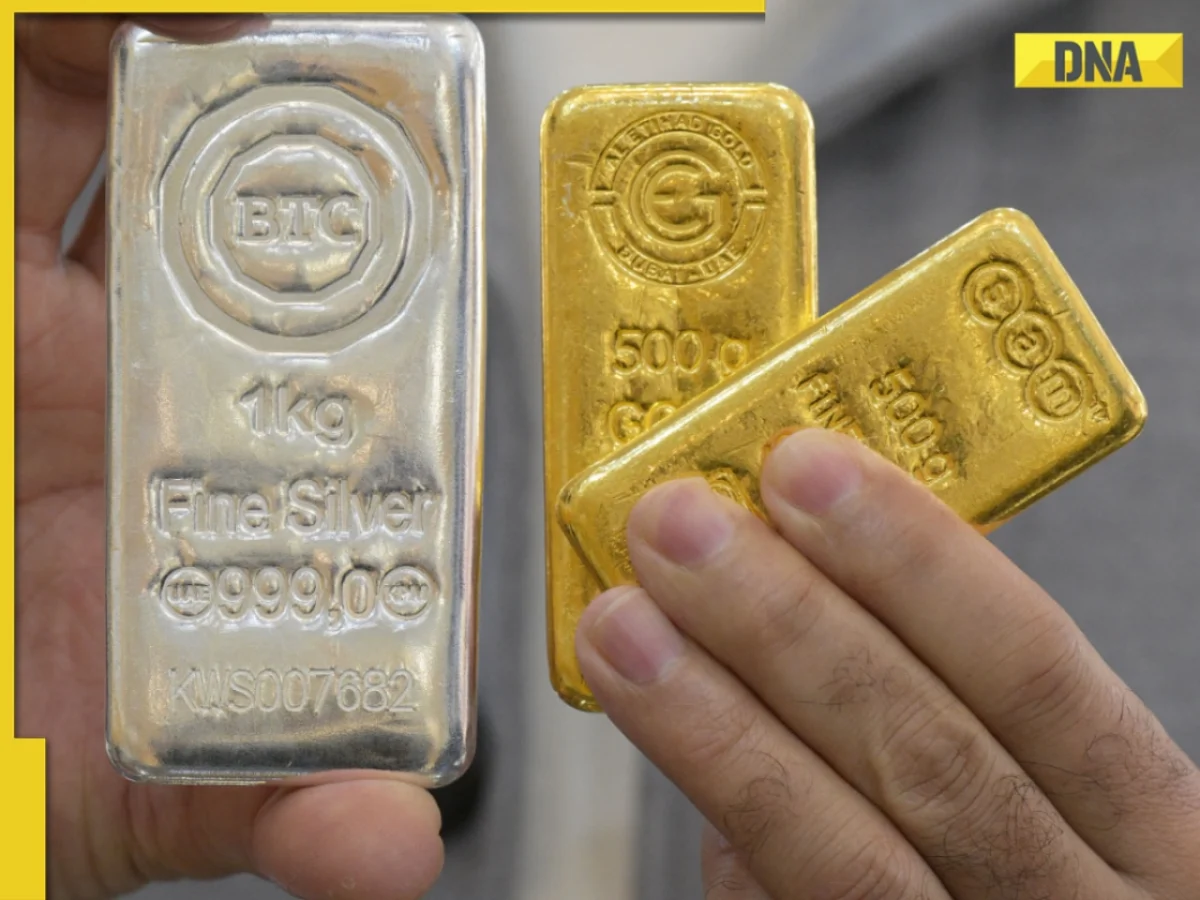
A Snapshot of India’s Precious Metals Market on May 24, 2026
As of Saturday, May 24, 2026, the Indian precious metals market exhibits a nuanced picture, with both gold and silver prices continuing their dance with a multitude of global and domestic factors. While gold has registered a slight uptick, largely propelled by persistent global demand and inflationary pressures, silver maintains a steady trajectory, influenced by both investment interest and crucial industrial applications. This daily fluctuation underscores the dynamic nature of these commodities, which remain central to India’s economy, cultural heritage, and investment landscape.
The benchmark 24K gold (999 purity) is trading at an average of ₹15,906 per gram across major Indian cities, with variations reflecting local taxes and demand. Its counterpart, 22K gold (91.67% purity), commonly favored for jewellery, hovers around ₹14,580 per gram. Silver, the ‘poor man’s gold,’ is priced at approximately ₹2,84,500 per kilogram for 999 purity, while Silver 925 (sterling) stands at ₹2,79,000 per kilogram. These figures, while seemingly incremental on a daily basis, are the culmination of complex interplay between international gold rates, the strength of the US Dollar, domestic purchasing power, and seasonal demands that define India’s unique relationship with these precious metals.
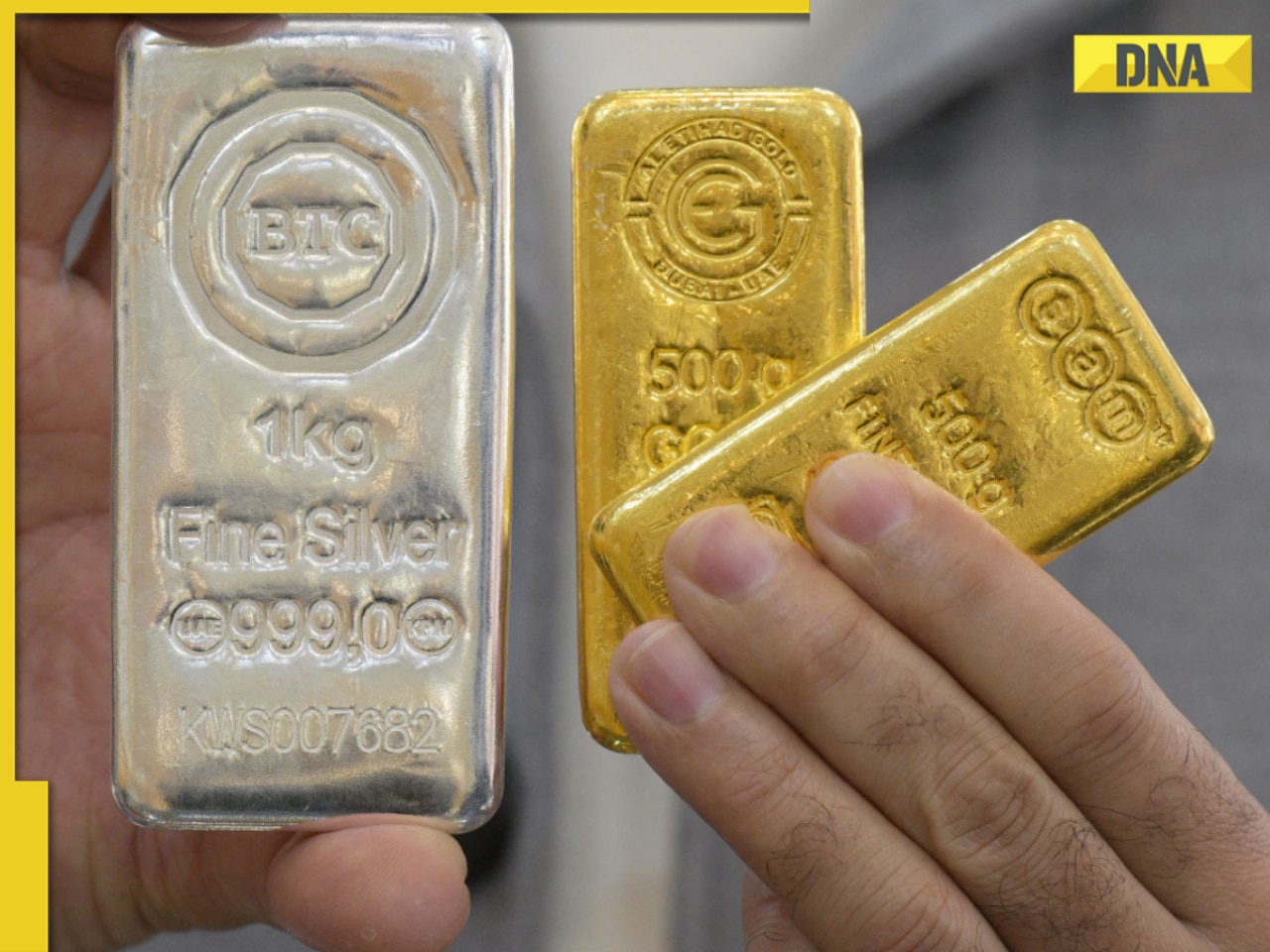
Gold Takes a Modest Ascent
The slight increase in gold prices today, May 24, 2026, can be primarily attributed to a confluence of global financial uncertainties and sustained inflationary concerns that continue to drive investors towards safe-haven assets. This sentiment has permeated the Indian market, where gold’s traditional role as a hedge against economic instability remains unchallenged.
Current Gold Prices (per 1 gram) on May 24, 2026:
)
- 24K Gold (999 Purity):
- Delhi: ₹15,921
- Mumbai: ₹15,906
- Kolkata: ₹15,906
- Chennai: ₹16,069
- 22K Gold (91.67% Purity):
- Delhi: ₹14,595
- Mumbai: ₹14,580
- Kolkata: ₹14,580
- Chennai: ₹14,730
The variations observed across cities like Chennai, which consistently records slightly higher prices, are typically due to differing local taxes, transportation costs, and specific regional demand dynamics, particularly during peak wedding or festive seasons. The general upward trend, albeit modest, signals underlying bullish sentiment in the precious metals sector.
Silver’s Steady Performance
Silver, often referred to as the "industrial metal with monetary characteristics," also holds significant weight in the Indian market. Its price movements are influenced by a dual demand structure: traditional investment and jewellery consumption, alongside a rapidly growing industrial requirement.

Current Silver Prices on May 24, 2026:
- 999 Purity Silver (per 1 kilogram): ₹2,84,500 (average)
- 925 Sterling Silver (per 1 kilogram): ₹2,79,000 (average)
- 999 Purity Silver (per 10 grams):
- Delhi: ₹2,850
- Mumbai: ₹2,850
- Kolkata: ₹2,850
- Chennai: ₹2,950
Similar to gold, Chennai registers a marginally higher silver price, reflecting local market conditions. Silver’s stability, despite global economic shifts, points to robust industrial demand, especially from the electronics, solar energy, and automotive sectors, where silver is an indispensable component. This consistent industrial appetite often provides a floor to its price, making it an attractive option for diversified portfolios.
)
Chronology of Influences: A Look Back at Recent Trends
The current prices of gold and silver on May 24, 2026, are not isolated figures but rather the outcome of a complex interplay of events and trends that have unfolded over the preceding months and years. Understanding this chronology is crucial to grasping the underlying market dynamics.
Global Economic Headwinds and Tailwinds
The period leading up to mid-2026 has been characterized by persistent global economic volatility. Inflationary pressures, stemming from supply chain disruptions, elevated energy prices, and expansionary fiscal policies post-pandemic, have been a recurring theme. Central banks worldwide, including the US Federal Reserve and the European Central Bank, have grappled with the delicate balance of taming inflation without stifling economic growth. Their interest rate decisions have had a direct bearing on gold prices. Higher interest rates typically make non-yielding assets like gold less attractive compared to interest-bearing instruments. However, if inflation remains stubbornly high, gold’s appeal as an inflation hedge often outweighs the opportunity cost of holding it.
)
Geopolitical tensions, particularly in Eastern Europe and parts of the Middle East, have also played a significant role. Episodes of heightened conflict or political instability consistently trigger flights to safety, pushing gold prices upward. Investors view gold as a reliable store of value when conventional financial markets face uncertainty. The strength or weakness of the US Dollar against major currencies has been another critical determinant. Since gold is primarily denominated in USD, a weaker dollar makes gold cheaper for holders of other currencies, thereby increasing demand and vice versa. Over the past year, periods of dollar strength have exerted downward pressure, while bouts of dollar weakness have provided support.
Domestic Dynamics and Seasonal Demands
In India, the global influences are intricately woven with unique local factors. The Indian Rupee’s exchange rate against the US Dollar is a primary domestic determinant. A depreciating rupee makes imported gold more expensive in local currency terms, directly impacting prices. The Reserve Bank of India (RBI) consistently monitors these currency movements, sometimes intervening to stabilize the rupee, which in turn has indirect effects on precious metal imports and prices.
)
Beyond currency, India’s cultural affinity for gold is unparalleled. The country is one of the largest consumers of gold globally, with demand spiking during auspicious festivals like Diwali, Akshaya Tritiya, and major wedding seasons. These cyclical demands create predictable price surges. Over the past year, the festive season of late 2025 and early 2026 saw robust demand, providing a strong floor for gold prices despite global fluctuations. Government policies, such as changes in import duties on gold and silver, have also historically influenced prices. While no major duty changes were announced immediately prior to May 2026, the market constantly anticipates and reacts to any such potential policy shifts aimed at managing trade balances or curbing illicit gold trade. The gradual formalization of the jewellery sector and the increasing popularity of digital gold and Sovereign Gold Bonds (SGBs) have also subtly reshaped demand patterns, offering alternatives to physical gold.
Industrial Demand’s Silent Hand (for Silver)
While silver shares gold’s appeal as an investment and ornamental metal, its industrial utility provides a distinct layer of demand. Over the past decade, the growth of high-tech industries has significantly boosted silver’s consumption. The burgeoning solar energy sector, for instance, relies heavily on silver paste for photovoltaic cells. The rapid expansion of electric vehicles (EVs), 5G technology, and various electronic gadgets also translates into increased silver usage.
)
Leading up to May 2026, consistent investment in green energy initiatives and technological advancements worldwide has ensured a stable, if not growing, industrial demand for silver. Any slowdown in global manufacturing or tech production could temper this demand, but the long-term outlook remains positive given the global push towards decarbonization and digitalization. This industrial base often provides a cushion against sharp price drops that might otherwise occur if silver were solely dependent on investment demand, making its price trajectory somewhat more resilient than other commodities during economic downturns.
Supporting Data and Market Analysis
Delving deeper into the mechanics of precious metal pricing reveals the intricate calculations and market forces that dictate their value in India.
)
Deeper Dive into Gold Pricing Mechanisms
The price of gold in India is not simply a reflection of global rates but a complex calculation. The foundational price is derived from the international spot price of gold, typically quoted in US Dollars per troy ounce. This international price is then converted into Indian Rupees using the prevailing USD-INR exchange rate. To this, the Indian government’s import duty (which has seen various revisions over the years, impacting local prices significantly) is added. Further additions include local Goods and Services Tax (GST), typically 3% on the value of gold, and varying making charges applied by jewellers, which can range from 8% to 25% depending on the complexity of the design.
Formulaic Representation:
)
Indian Gold Price = (International Gold Price per ounce / 31.1035 grams) * USD-INR Exchange Rate * (1 + Import Duty %) * (1 + GST %) + Making Charges
The city-wise variations, as seen in Delhi, Mumbai, Kolkata, and Chennai, arise primarily from differences in local octroi, transport costs, and specific market demand-supply dynamics within each region. Chennai, for instance, often exhibits higher gold prices due to its robust regional demand, particularly from South Indian cultural practices where gold holds immense significance in daily life and traditional ceremonies. The distinction between 24K and 22K gold is also crucial for consumers. 24K (99.9% pure) is preferred for investment, such as gold bars and coins, where purity is paramount. 22K gold, with its 91.67% gold content mixed with other metals like copper or silver, is more durable and suitable for crafting intricate jewellery, making it the choice for most consumers. The price difference between the two reflects this purity distinction.
Silver’s Intricate Valuation
Silver’s valuation is similarly multifaceted, though its industrial component adds another layer of complexity. Like gold, its international spot price (USD per troy ounce) is converted via the USD-INR exchange rate, with import duties and GST applied. However, industrial demand for silver can be highly sensitive to global economic growth rates. When manufacturing output increases, silver demand for electronics, solar panels, and medical devices surges, pushing prices up. Conversely, a slowdown in these sectors can lead to price stagnation or declines.
)
Global supply, primarily from mining operations in countries like Mexico, Peru, and China, also plays a critical role. Any disruptions in mining due due to labor issues, environmental regulations, or geopolitical conflicts can impact supply and consequently, prices. Silver’s volatility is generally higher than gold’s. This is partly because its market is smaller and less liquid than gold’s, making it more susceptible to speculative trading and sharp price swings. Investors often view silver as a ‘leveraged play’ on gold, meaning it tends to amplify gold’s movements. When gold rises, silver often rises more sharply, and vice versa. This higher beta makes it attractive to investors seeking greater returns, albeit with higher risk.
Historical Context and Future Projections
Looking back at the past year, gold prices have shown a steady upward trajectory, punctuated by periodic corrections. For instance, in May 2025, 24K gold was trading around ₹14,500-14,800 per gram, indicating an approximate 7-9% appreciation over the last twelve months. Silver, too, has seen healthy growth, having moved from roughly ₹2,50,000 per kilogram in May 2025, representing a similar percentage gain. This consistent growth underscores the metals’ resilience amidst global economic uncertainties.
)
Market analysts, looking ahead, generally anticipate continued volatility but project an overall upward trend for both gold and silver in the medium term. Sustained global inflation concerns, potential geopolitical flashpoints, and continued central bank buying (especially for gold) are expected to provide strong support. For silver, the accelerating demand from green technologies is a significant bullish factor. However, any significant strengthening of the US Dollar or a sharp rise in real interest rates could pose headwinds. Investors are advised to monitor these macro-economic indicators closely for informed decision-making.
Expert Voices and Official Responses
Understanding the current market sentiment and potential future directions requires insights from seasoned analysts and an awareness of governmental approaches.
)
Perspectives from Market Analysts
Market experts generally concur that the current slight upward movement in gold prices reflects a cautious investor sentiment globally. "The persistent inflationary pressures across major economies, coupled with an unpredictable geopolitical landscape, are compelling investors to seek refuge in traditional safe-haven assets like gold," states Mr. Rajeev Sharma, a Senior Commodity Analyst at InvestCorp India. He further elaborates, "We are witnessing a sustained demand from central banks globally, which are diversifying their reserves, adding a strong underlying support to gold prices. While interest rate hikes by the Fed could create short-term headwinds by strengthening the dollar, the long-term outlook for gold remains bullish as a hedge against currency debasement and economic uncertainty."
Ms. Priya Singh, an independent economist specializing in emerging markets, adds her perspective on silver. "Silver’s dual nature makes its price movements fascinating. While it benefits from the same safe-haven appeal as gold during times of uncertainty, its increasing industrial application in renewable energy and electronics provides a unique growth driver," she explains. "The global push towards green technologies, particularly solar energy and electric vehicles, guarantees a robust demand floor for silver, making it an attractive proposition for long-term investors looking beyond traditional gold investments." Analysts also highlight the importance of the upcoming festive season in India, which is expected to reignite strong domestic demand, potentially providing an additional boost to prices in the latter half of the year.
)
Government and Regulatory Stance
The Indian government, through various ministries and the Reserve Bank of India (RBI), plays a crucial role in managing the precious metals market, primarily to control inflation, stabilize the rupee, and manage the current account deficit. While there haven’t been any immediate policy changes announced on May 24, 2026, the government consistently monitors import duties on gold and silver. Historically, duty hikes have been used to curb surging imports and stabilize the rupee, while reductions aim to formalize the trade and reduce smuggling. Any future changes would be keenly watched by the market.
The RBI, in its monetary policy reviews, takes into account the impact of global commodity prices, including gold, on domestic inflation. As gold is a significant import, its price directly affects India’s import bill. The central bank’s stance on inflation control and its management of the country’s foreign exchange reserves indirectly influence the precious metals market. Furthermore, initiatives to promote Sovereign Gold Bonds (SGBs) and gold monetization schemes are part of a broader strategy to channel physical gold holdings into financial instruments, reducing the reliance on imports and providing alternative investment avenues for Indian households. These official responses, while not directly setting daily prices, create the overarching regulatory and economic environment within which the precious metals market operates.
)
Implications for Investors and Consumers
The current market scenario for gold and silver carries significant implications for various stakeholders, from individual investors and consumers to the broader economy and the jewellery industry.
Navigating the Investment Landscape
For investors, the current price levels of gold and silver present a mixed bag of opportunities and considerations. Gold, with its reputation as a safe-haven asset, continues to be a crucial component of diversified portfolios, especially amidst ongoing global economic uncertainties. Investors seeking stability and a hedge against inflation may find the current environment opportune for long-term accumulation. Options range from physical gold (coins, bars) to financial instruments like Sovereign Gold Bonds (SGBs), Gold Exchange Traded Funds (ETFs), and digital gold, each offering different levels of liquidity, storage convenience, and tax implications. SGBs, in particular, offer the added benefit of interest payments and tax exemptions on capital gains if held until maturity.
)
Silver, while more volatile, offers potential for higher returns due to its industrial demand and relatively smaller market size. It’s often considered a more speculative investment than gold. Investors considering silver should be prepared for larger price swings but can benefit from its growing utility in green technologies. Diversification across both metals, or even within gold (e.g., physical and SGBs), is often recommended to mitigate risk. Understanding one’s risk appetite and investment horizon is paramount before committing capital to these precious metals.
Impact on the Jewellery Sector and Households
The Indian jewellery sector, a significant driver of gold demand, is directly impacted by price fluctuations. Higher gold prices can lead to reduced sales volumes, as consumers may defer purchases or opt for lighter jewellery. Retailers and manufacturers must carefully manage their inventory and pricing strategies to remain competitive. For households, gold holds immense cultural and emotional value, often serving as a primary form of savings, especially in rural areas. The current prices mean that families planning weddings or festive purchases might need to adjust their budgets or consider buying 22K gold which is cheaper per gram than 24K, or opting for jewellery with lower gold content.
)
The upcoming festive seasons, starting with Ganesh Chaturthi and culminating in Diwali, will be a crucial test for consumer demand. While cultural significance often transcends price, sustained high prices could lead to a shift in purchasing patterns, with a greater emphasis on lighter, more affordable designs or even a temporary pivot towards silver jewellery, which is generally more accessible. The trend of exchanging old gold for new, which helps offset some of the current price, is also likely to remain popular.
The Broader Economic Ripple Effect
The prices of gold and silver have broader economic ramifications for India. As a major importer of these metals, high international prices, coupled with a depreciating rupee, can significantly inflate India’s import bill, potentially widening the current account deficit. This can put pressure on the rupee and influence the RBI’s monetary policy decisions. Conversely, a stable or declining import bill for precious metals can contribute to macroeconomic stability.
)
Moreover, the health of the jewellery sector, which employs millions, has direct implications for livelihoods and economic growth. A robust precious metals market also reflects global economic sentiment; often, rising gold prices signal underlying anxieties about the global financial system, while strong industrial silver demand indicates healthy manufacturing activity. Thus, the daily price movements of gold and silver are not merely numbers but indicators of a complex web of global economic forces and domestic socio-cultural dynamics that profoundly impact India’s financial health and its citizens’ daily lives. Staying informed about these trends is essential for both market participants and the general public.
In conclusion, as of May 24, 2026, India’s gold and silver markets reflect a delicate balance of global economic trends, domestic demand, and currency dynamics. While gold enjoys a modest ascent driven by safe-haven appeal and inflation concerns, silver benefits from both investment interest and its crucial industrial utility. This intricate interplay underscores the enduring significance of these precious metals in India’s economic and cultural fabric, necessitating continuous vigilance and informed decision-making from all stakeholders.
