

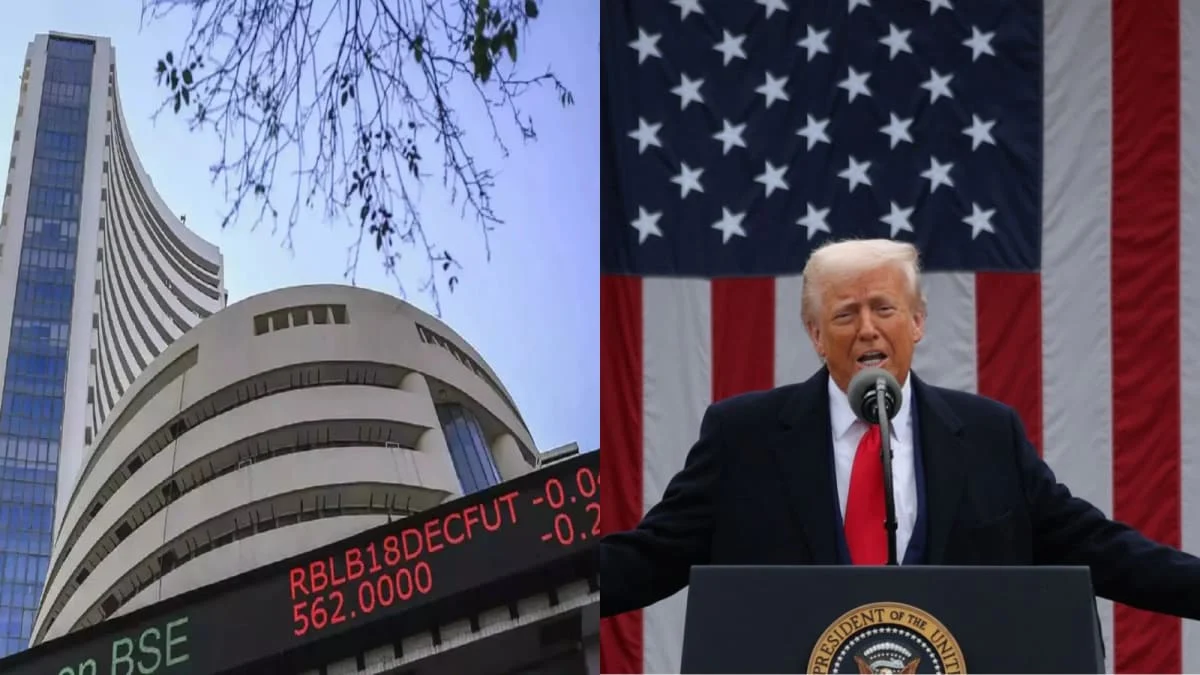
New Delhi, India – May 24, 2026 – Global financial markets, particularly Indian equities, are bracing for a significant uplift this Monday, May 25, following a late-breaking announcement from US Secretary of State Marco Rubio. Speaking from New Delhi, Rubio indicated that "good news" regarding an Iran-US peace deal could be revealed within hours, signaling a potential de-escalation of the prolonged West Asia crisis that has rattled economies worldwide. This diplomatic breakthrough is widely expected to trigger a "gap-up" opening across major stock exchanges, with investors eagerly anticipating a return to stability and a reduction in geopolitical risk.
The remarks by Secretary Rubio, made during a critical visit to India, have injected a powerful dose of optimism into a market that has been grappling with elevated uncertainty since the eruption of hostilities in late February 2026. The prospect of a comprehensive resolution to the Iran-US standoff promises to ease energy supply concerns, stabilize crude oil prices, and reignite investor confidence across a broad spectrum of assets.
The Diplomatic Breakthrough: Rubio’s Pivotal Remarks
New Delhi, India – US Secretary of State Marco Rubio’s statement, delivered during a press interaction alongside India’s External Affairs Minister S. Jaishankar, marked a pivotal moment in the ongoing diplomatic efforts to resolve the Iran-US crisis. His assertion that "I do think perhaps there is the possibility that in the next few hours the world will get some good news" reverberated across global news wires, instantly recalibrating market expectations.
Rubio underscored Washington’s unwavering stance that Iran must never acquire a nuclear weapon, a core tenet of US policy in the region. He also reiterated the critical importance of maintaining the free flow of international shipping through the Strait of Hormuz, a vital maritime chokepoint for global energy trade. These conditions highlight the strategic objectives underpinning the negotiations and the scope of any potential agreement.
Acknowledging the intricate nature of the discussions, Rubio described the issue as "technically complex" but confirmed tangible progress. "We have made some progress in the last 48 hours, but we still have some work to do," he stated, suggesting that intensive, round-the-clock negotiations were underway to iron out the final details. This indication of tangible movement, rather than mere platitudes, is what has fueled the current wave of optimism. The fact that such a sensitive announcement was made from India, a major global power with significant stakes in regional stability and energy security, also lends weight to the declaration, suggesting a broader international consensus and support for the impending resolution.
The Iran-US Conflict: A Retrospective and Its Economic Fallout
The conflict between Iran and the United States, which escalated dramatically in late February 2026, had cast a long shadow over the global economy. Rooted in longstanding geopolitical rivalries, regional power dynamics, and differing interpretations of international agreements, the latest flare-up had rapidly spiraled into a full-blown crisis. Initial triggers included renewed accusations of nuclear program violations by Iran and retaliatory sanctions from the US, leading to a tit-for-tat escalation that threatened to destabilize the entire West Asian region.
One of the most immediate and severe consequences of the conflict was the closure of the Strait of Hormuz. This narrow waterway, situated between the Persian Gulf and the Gulf of Oman, is arguably the world’s most critical oil transit chokepoint. Approximately 20% of the world’s total petroleum liquids consumption, or about 21 million barrels per day, passes through this strait. Additionally, a significant portion of global liquefied natural gas (LNG) also transits this passage. Its closure, whether partial or complete, had immediate and dramatic effects on global energy supply chains.
The disruption led to an unprecedented surge in crude oil prices, with Brent crude briefly touching highs of $115-$120 per barrel and WTI futures following suit. This "geopolitical risk premium" added significantly to energy costs for businesses and consumers worldwide, exacerbating inflationary pressures already present in the post-pandemic recovery phase. Industries heavily reliant on oil, such as aviation, shipping, logistics, and manufacturing, faced severe cost pressures, threatening profit margins and consumer purchasing power. Supply chain disruptions became rampant, as alternative shipping routes were either non-existent or prohibitively expensive and time-consuming. The specter of a prolonged conflict and its impact on global trade had fostered a "gloomy and muted investing environment," pushing investors towards safer assets and dampening overall market sentiment for weeks.
Market Anticipation: A Monday Morning Surge?
The prospect of an imminent peace deal has fundamentally altered the market outlook, particularly for Indian equities. Analysts now widely predict a "big gap-up opening" for indices like the Nifty 50 and BSE Sensex on Monday, May 25. Indian markets are acutely sensitive to stability in West Asia due to several factors:
- Energy Import Dependency: India imports over 85% of its crude oil requirements, a substantial portion of which originates from the Middle East and transits through the Strait of Hormuz. Lower, stable oil prices directly translate into reduced import bills, better current account balances, and lower domestic inflation.
- Foreign Institutional Investor (FII) Flows: Geopolitical stability encourages FIIs to channel capital into emerging markets like India, boosting liquidity and supporting asset prices. Conversely, uncertainty often leads to capital outflows.
- Trade and Remittances: India has significant trade ties with West Asian nations, and millions of Indian expatriates work in the region, sending crucial remittances home. Stability ensures these economic lifelines remain robust.
The anticipated positive momentum is not confined to India. Global stock markets, which have been under pressure, are also expected to witness a "risk-on" rally. Major indices like the Dow Jones Industrial Average, FTSE 100, DAX, Nikkei 225, and Hang Seng are likely to open higher. The return of "risk-on" sentiment implies that investors will shift capital from safe-haven assets (like gold, government bonds, and the US dollar) back into equities and other growth-oriented investments. This broad-based optimism reflects a collective sigh of relief that a major global economic headwind might be dissipating.
Sectoral Impact:
Certain sectors are poised to benefit disproportionately from this positive development:
- Airlines and Logistics: Directly benefit from lower crude oil prices, which reduce operating costs.
- Manufacturing: Lower energy input costs and stabilized supply chains improve profitability.
- Automobiles: Reduced fuel costs can boost consumer spending and demand for vehicles.
- Consumption-oriented sectors: Easing inflation pressures leaves more disposable income for consumers.
- Infrastructure and Capital Goods: A stable economic outlook encourages investment and project execution.
Conversely, sectors that might have seen a temporary boost from the conflict, such as certain defense stocks or some energy companies that profited from surging oil prices, might see a cooling off as the risk premium diminishes.
Crude Oil Prices: A Sigh of Relief for Global Economies
The most immediate and tangible effect of the diplomatic progress has been observed in crude oil markets. Following Rubio’s hints, Brent crude futures cooled off significantly, trading near $103 per barrel, while West Texas Intermediate (WTI) crude futures dipped below $100 per barrel. This marks a substantial retreat from their peak levels during the height of the conflict.
The mechanism behind this price drop is straightforward: a reduction in the geopolitical risk premium. Traders price in the likelihood of supply disruptions; when that likelihood diminishes, so does the premium. A peace deal implies the sustained and uninterrupted flow of oil and gas through critical waterways like the Strait of Hormuz, alleviating fears of an energy crunch.
For global economies, this is a monumental relief. High oil prices are a major driver of inflation, acting as a tax on businesses and consumers. A sustained moderation in crude prices can:
- Ease Inflationary Pressures: Providing central banks, which have been aggressively tightening monetary policy, with more flexibility and potentially slowing the pace of interest rate hikes.
- Boost Economic Growth: By reducing input costs for industries and increasing disposable income for consumers.
- Improve Trade Balances: Especially for net oil-importing nations like India, reducing their import bills and strengthening their currencies.
The cooling of oil prices is therefore seen as a critical step towards restoring global economic stability and fostering a more predictable environment for investment and growth.
Nifty’s Technical Outlook: Pre-Rubio vs. Post-Rubio
Prior to Secretary Rubio’s optimistic announcement, market analysts had largely predicted the Nifty 50 to remain "range-bound with a positive bias" for Monday’s trade. Technical analysis had identified immediate support for the Nifty near 23,300, while resistance was pegged in the 23,800–24,000 zone. A breakout above this resistance was seen as a prerequisite for strengthening bullish momentum, while a failure to hold support could trigger renewed selling pressure.
Rubio’s statement has dramatically altered this technical picture. The "good news" is likely to act as a powerful catalyst, potentially leading to a significant upside breakout.
- Gap-Up Opening: The Nifty is now expected to open with a substantial gap-up, possibly breaching the initial resistance zone of 23,800-24,000 right at the open.
- New Resistance Levels: If the market opens above 24,000, the previous resistance will become immediate support. New resistance levels would then be eyed at 24,200, 24,500, and potentially even 25,000 in the short to medium term, depending on the sustained momentum and global cues.
- Momentum Indicators: Indicators like the Relative Strength Index (RSI) and Moving Average Convergence Divergence (MACD) are likely to show renewed bullish crossovers and strength, indicating strong buying interest.
- Volume and Market Breadth: A significant gap-up is often accompanied by robust trading volumes, reflecting broad participation. Market breadth (the number of advancing stocks versus declining stocks) is also expected to be overwhelmingly positive.
- Investor Sentiment: The shift from cautious optimism to outright bullishness could attract fresh capital, both domestic and foreign, propelling the market higher. However, analysts will also advise caution, noting that initial euphoria can sometimes lead to profit-booking at higher levels. The details of the peace deal, once announced, will be crucial in sustaining the rally.
Broader Economic and Geopolitical Implications
The potential resolution of the Iran-US conflict extends far beyond immediate market reactions, carrying profound implications for global stability, trade, and future geopolitical alignments.
Global Stability: A peace deal would represent a significant de-escalation of tensions in West Asia, a region historically prone to conflict. This could foster a more cooperative environment, potentially paving the way for resolutions to other regional disputes. Key regional players like Saudi Arabia, Israel, and other Gulf states would closely watch the terms of the agreement, as it could reshape alliances and security architectures. For the US, it would mark a significant diplomatic achievement, potentially allowing for a strategic pivot of resources and attention to other global challenges. For Iran, a deal could lead to the gradual easing of sanctions, enabling its reintegration into the global economy, boosting its oil exports, and improving living standards for its population.
Trade Routes and Supply Chains: The assured reopening and safety of the Strait of Hormuz will have immediate positive effects on global trade. Shipping costs, including insurance premiums for vessels transiting the region, are expected to decline. This reduction in logistical overheads will benefit all trading nations, particularly those heavily reliant on energy imports and exports. Global supply chains, which have been under immense strain from various disruptions, will experience a much-needed period of stability and predictability, contributing to greater efficiency and lower consumer prices.
Inflationary Pressures: The sustained moderation in crude oil prices, coupled with improved supply chain dynamics, offers a strong antidote to global inflationary pressures. This could provide central banks worldwide with more maneuvering room, potentially allowing them to adopt a less aggressive stance on interest rate hikes or even consider future rate cuts sooner than anticipated. This would, in turn, support economic growth by reducing borrowing costs for businesses and consumers.
US Foreign Policy: A successful diplomatic resolution would be a significant win for US foreign policy, demonstrating the efficacy of engagement and negotiation even in highly complex and volatile situations. It could bolster the US’s standing as a global mediator and reduce the perception of its sole reliance on coercive measures.
Key Economic Events to Watch This Week (Expanded)
While the Iran-US peace deal will undoubtedly dominate headlines, several other critical economic data points and events scheduled for the coming week will also influence market sentiment and direction. As Ajit Mishra of Religare Broking highlighted, the upcoming week is expected to remain highly sensitive to global macroeconomic developments, currency movements, and policy commentary.
-
RBI’s Record Dividend Transfer: Participants will closely assess the impact of the Reserve Bank of India’s (RBI) record dividend transfer to the government. This substantial infusion of funds provides the government with greater fiscal flexibility, potentially leading to increased public spending on infrastructure and social welfare programs. This could stimulate economic activity but will also be watched for its implications on liquidity in the financial system and the government’s borrowing program. Analysts will scrutinize whether this windfall reduces the need for market borrowing, potentially easing pressure on bond yields.
-
Crude Oil Prices and US-Iran Negotiations: Despite the optimistic signals, the actual signing and implementation of the peace deal, along with the detailed terms, will be continuously monitored. Any lingering uncertainties or new developments in the negotiation process could still trigger volatility in crude oil prices. Investors will look for sustained evidence of stability in energy markets.
-
Trajectory of the US Dollar and Bond Yields: The strength of the US dollar and the movement of US Treasury yields are crucial barometers for global capital flows. A stable or weakening dollar, coupled with falling US bond yields, typically makes emerging markets like India more attractive to foreign investors, potentially leading to increased FII inflows. Conversely, a strong dollar and rising yields can draw capital away, putting pressure on emerging market currencies and equities. The market will be watching the correlation between geopolitical stability and these key global financial indicators.
-
India’s Industrial Production (IIP) Data for April 2026: Scheduled for release on May 28, this data will provide crucial insights into the health and momentum of India’s manufacturing and mining sectors. Following recent signs of moderation in some economic indicators, a robust IIP number would reassure investors about the underlying strength of the Indian economy. Conversely, a weaker-than-expected figure could temper some of the optimism generated by global events.
-
Government Budget Data and Fiscal Deficit Position for FY26: To be released on May 29, this data will offer clarity on the government’s fiscal trajectory for the recently concluded financial year. A disciplined fiscal deficit number, ideally within the government’s targets, would bolster investor confidence in India’s macroeconomic stability and potentially improve sovereign credit ratings. Any significant deviation could raise concerns about fiscal prudence and future borrowing needs.
-
Foreign Exchange Reserves Data: Amid continued pressure on the Indian Rupee (INR) and expectations of potential RBI intervention, the weekly foreign exchange reserves data will remain a key monitorable. Healthy and growing reserves provide the RBI with ammunition to manage currency volatility, ensuring rupee stability and providing a buffer against external shocks. A decline in reserves could signal increased pressure on the currency.
Investor Sentiment and Forward Look
The prevailing sentiment among investors has shifted dramatically from apprehension to cautious optimism. The potential resolution of the Iran-US conflict removes a major tail risk that had been weighing heavily on global markets. This shift is likely to encourage a broader allocation towards "riskier" assets, benefiting equities, commodities, and emerging market debt.
However, market participants are also seasoned enough to understand that geopolitical developments can be fluid. While the immediate outlook is bright, the long-term implications will depend on the durability of the peace deal, the specifics of its implementation, and the broader regional response. Investors will closely scrutinize the fine print of any agreement, including details on sanctions relief, nuclear safeguards, and regional security arrangements.
In conclusion, the coming week promises to be momentous for global financial markets. Secretary Rubio’s announcement has opened the door to a potentially transformative period of reduced geopolitical risk and renewed economic confidence. While the immediate reaction is expected to be overwhelmingly positive, a holistic view of economic data and ongoing geopolitical dynamics will be essential for navigating the evolving market landscape. The world watches with bated breath for the "good news" that could herald a new era of stability for West Asia and beyond.
