

Mumbai, May 24, 2026 – In the glittering world of Indian cinema, where stories unfold on screen with captivating narratives and larger-than-life characters, the visual heralds of these cinematic experiences – the original film posters – are rapidly becoming relics of a bygone era. A profound sense of loss is being voiced by film historians and memorabilia enthusiasts alike, as countless irreplaceable archival treasures, particularly the hand-painted posters that once adorned cinema halls and captured the public’s imagination, have vanished, victims of time, neglect, and a lack of sustained preservation efforts.
Veteran film historian and dedicated memorabilia archivist, S.S.M. Ausaja, paints a somber picture of this archival void. His lifelong pursuit of cinematic history has led him to confront the stark reality: a significant portion of India’s cinematic heritage, embodied in its iconic posters, has been irrevocably lost. These posters were not mere advertisements; they were the visual soul of a film, the first tantalizing glimpse into the worlds crafted by visionary filmmakers. Their disappearance represents a chasm in our understanding and appreciation of Indian cinema’s rich evolutionary tapestry.
The Echoes of Lost Classics: A Chronology of Archival Gaps
The lament for lost posters extends across decades, touching upon the very foundations of Indian cinema. Ausaja points to critical omissions that underscore the severity of the archival crisis.
"Nobody has the poster of P.C. Barua’s Devdas (1935)," he reveals, referring to the seminal first Hindi film adaptation of Sharat Chandra Chattopadhyay’s enduring Bengali romance novel. This particular omission is poignant, as Devdas remains one of Hindi cinema’s most iconic and frequently reinterpreted tales of doomed love. The original poster, if it still existed, would offer a direct visual link to the initial cinematic interpretation that set the stage for all subsequent versions.
The archival gaps are not confined to a single era but stretch across pivotal moments in Indian film history. Ausaja also laments the absence of the original posters for Ardeshir Irani’s groundbreaking 1931 period fantasy film, Alam Ara. Renowned as India’s first talkie, Alam Ara marked a revolutionary shift in the nation’s cinematic landscape. The loss of its original promotional material means a significant piece of this technological milestone is no longer physically accessible to historians and enthusiasts.
Further compounding this sense of loss is the missing original poster of Nitin Bose’s Dhoop Chhaon (1935). This film holds the distinction of being India’s first to utilize the innovative technique of playback singing, a development that would fundamentally alter the way music was integrated into Indian films. The absence of its poster represents a lost visual marker of a crucial creative and technical advancement.
The archival tragedy, however, is not limited to the nascent years of Indian cinema. The 1970s, a period of immense creative output and cinematic evolution, also bears the scars of this loss. Ausaja specifically highlights the disappearance of the first release poster for Gulzar’s poignant 1975 musical romance, Mausam, starring the legendary Sanjeev Kumar and Sharmila Tagore. "I’ve been searching for the poster for 30 years," Ausaja confesses, underscoring the enduring elusiveness of these artifacts. The inability to locate the original poster for such a critically acclaimed and beloved film speaks volumes about the systemic neglect that has plagued film archives in India.
The Escalating Value of the Scarce: Supporting Data and Market Trends
The scarcity of original film posters has, in turn, fueled an insatiable demand among collectors and investors, driving their market value to astronomical heights. Ausaja, speaking on the podcast "The Bollywood Minute," elaborates on this burgeoning market.
"If you have a first release poster, it’s a jackpot," he states, emphasizing the rarity and desirability of these items. "The market of posters is very high today because of auctions." The archivist reveals that the auction prices for first-release posters of Hindi cinema’s classics can range from a staggering Rs 1 lakh to even Rs 10 lakh. This significant valuation reflects not only the historical importance of these posters but also their artistic merit and their potential as coveted collectibles.
To illustrate this point, Ausaja cites examples of highly sought-after posters. The original posters for blockbusters penned by the iconic screenwriter duo Salim-Javed, such as Ramesh Sippy’s Sholay (1975) and Yash Chopra’s Deewaar (1975), could command prices between Rs 1 lakh and Rs 2 lakh. These films, etched into the collective memory of Indian audiences, are further immortalized by their visually striking and now incredibly valuable original promotional art.
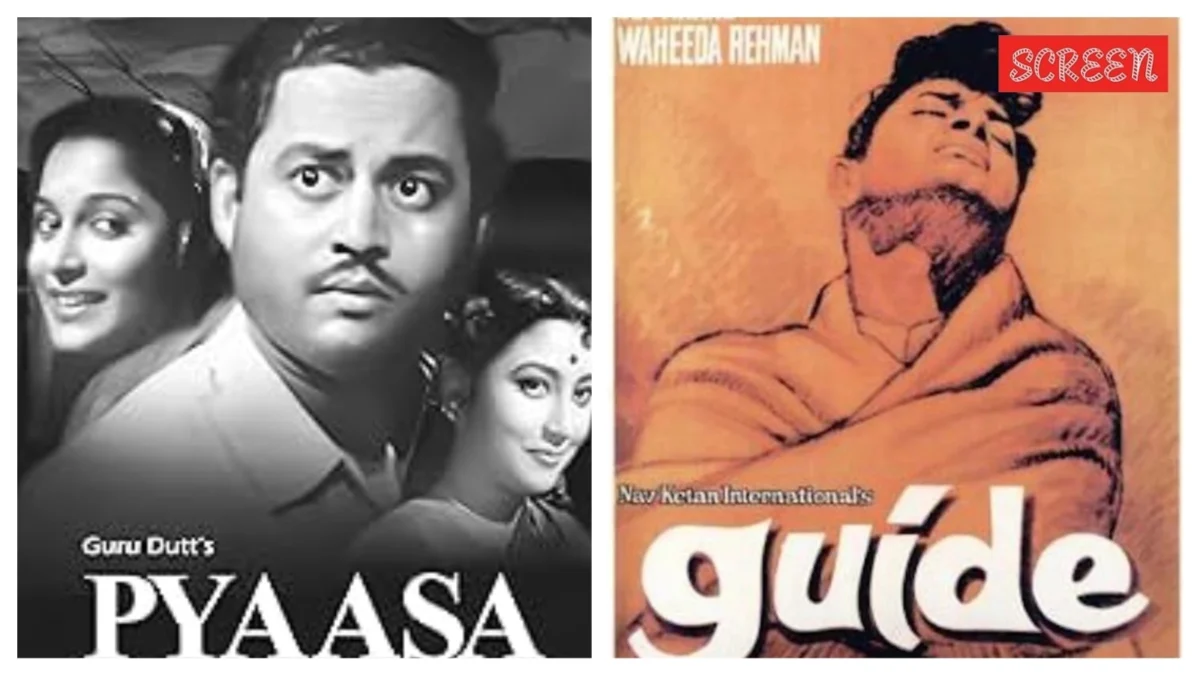
The financial stakes rise even higher when considering posters from the 1960s. Ausaja estimates that the first release posters for Chetan Anand’s visually enchanting 1965 romance Guide, starring Dev Anand and Waheeda Rehman, and K. Asif’s epic 1960 period drama Mughal-E-Azam, featuring Prithviraj Kapoor, Dilip Kumar, and Madhubala, could fetch prices exceeding Rs 5 lakh.
However, it is Guru Dutt’s poignant 1957 tragedy, Pyaasa, that holds the potential for the most extraordinary valuation. Ausaja believes that its original poster could command a staggering Rs 10 lakh today, a testament to its enduring artistic brilliance and its status as a cornerstone of Indian art cinema, even nearly 70 years after its release.
The YouTube embed in the original article, titled "Pyaasa for Rs 10L, Guide for Rs 5L: How much rare first release posters of iconic films would cost today," further underscores this trend, offering visual context to the monetary value placed on these historical artifacts.
The Art of Authenticity: Distinguishing Originals from Replicas
In a market brimming with demand, the distinction between an original, first-release poster and its subsequent re-release or reprinted counterparts becomes critically important, both for collectors and for historical accuracy. Ausaja provides crucial insights into identifying these subtle yet significant differences.
"They’re not available anywhere. If you go to these places or search online, they’re all selling re-release posters," Ausaja laments, highlighting the prevalence of reproductions. He then delves into the tangible characteristics that differentiate an authentic original:
"The first release posters will have the poorest paper quality," he explains. "The paper would be dying, and you’d know." This seemingly negative attribute is, in fact, a hallmark of authenticity. The materials and printing techniques of the era, while less durable, possess a unique character.
However, the true magic lies in the artistry: "But the colours will be organic, and will mesmerize you. The feel of the organic colour and paintbrush is enough for any art lover to say, ‘Wow!’" This emphasis on the organic nature of the pigments and the visible brushstrokes speaks to the hand-painted craftsmanship that defined early film poster art. These are not the uniform, mass-produced colors of modern printing but vibrant, nuanced hues that carry the artist’s touch.
Implications for Preservation and Future Generations: Official Responses and Broader Significance
The widespread loss of original film posters carries profound implications for the preservation of India’s cultural heritage and its legacy for future generations. Ausaja’s impassioned plea for preservation is not merely an academic concern but a call to action.
"It’s very important to locate and preserve the first-release poster," he asserts. "The re-release posters and the reprinted posters are generally of very poor aesthetic quality. I don’t think they even possess any archival value." This statement underscores the irreplaceable nature of original works and the ethical imperative to protect them.
Historically, from the 1970s and earlier, Indian film posters were predominantly handmade and printed using lithographic presses. The transition to offset printing in the 1980s and the advent of digital printing in the 1990s marked significant technological shifts. Ausaja highlights the increasing rarity of lithographic presses, noting that they are "very, very rare now. It’s not functional anymore globally." Consequently, "all the lithographic prints in organic colours are all considered to be antiques and have a very good archival value."
While the article does not explicitly detail official responses from government bodies or film institutions regarding these archival losses, Ausaja’s public pronouncements and the very existence of his archival efforts suggest a growing awareness of the problem. However, a more concerted and proactive approach from national film archives, cultural ministries, and even private film studios is urgently needed. Initiatives such as:
- Comprehensive Archival Audits: Conducting thorough inventories of existing film memorabilia and identifying critical gaps.
- Digitization Projects: Creating high-resolution digital copies of existing original posters to ensure wider accessibility and preservation against physical degradation.
- Public Awareness Campaigns: Educating the public about the historical and artistic significance of film posters and encouraging the preservation of personal collections.
- Financial Allocations: Dedicating substantial budgets for the acquisition, conservation, and secure storage of film archives.
- Collaborations with Private Collectors: Working with individuals and organizations who possess valuable film memorabilia to ensure their long-term preservation and potential public display.
The fading canvas of Indian cinema, as exemplified by the loss of its original posters, serves as a stark reminder of the ephemeral nature of cultural artifacts. The rising market value of these rare pieces is a double-edged sword: it highlights their importance but also underscores the urgency of preservation before they become entirely lost to time. The stories etched onto these canvases are not just about the films they represent, but about the evolution of art, technology, and the collective memory of a nation. Safeguarding these visual chronicles is not just an act of historical reverence; it is an investment in the enduring legacy of Indian cinema for generations to come.
