

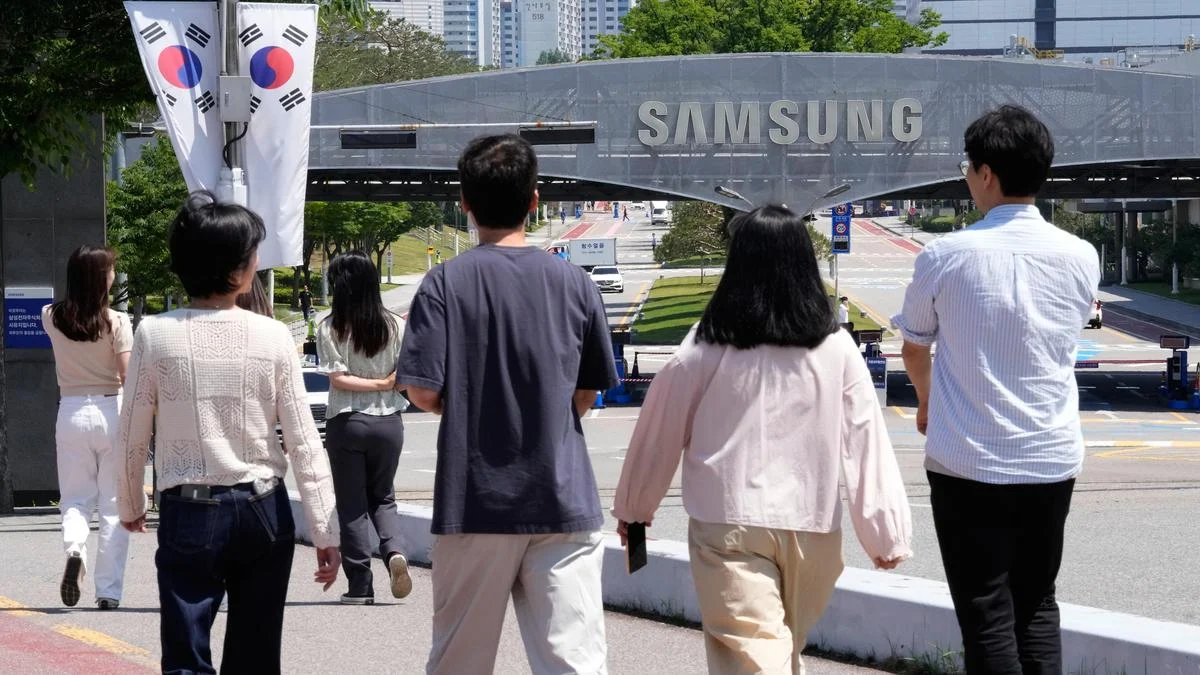
SEOUL, South Korea – May 22, 2026 – Samsung Electronics, a titan of global technology and a cornerstone of South Korea’s economy, finds itself at a pivotal juncture as its employees in South Korea cast their ballots on a contentious pay agreement. The eleventh-hour deal, brokered by government mediators, successfully averted a potentially crippling 18-day strike that could have sent ripples across global supply chains and dealt a significant blow to the national economy. However, the agreement has exposed deep divisions within Samsung’s vast workforce, with a substantial portion of employees expressing strong opposition to a bonus structure that disproportionately benefits the company’s booming memory chip division, fueled by the insatiable demand of the artificial intelligence (AI) revolution.
The proposed deal promises staggering bonuses for memory chip workers, some reportedly reaching an unprecedented $416,000 this year. In stark contrast, employees in other crucial divisions, including foundry, logic chip units, smartphones, and home appliances, are slated to receive significantly smaller, albeit still substantial, remuneration. This stark disparity has ignited a firestorm of debate over internal equity and fair compensation, casting a shadow over what was initially hailed as a crucial win for Samsung and the broader South Korean economic landscape. The outcome of the electronic vote, which commenced on Friday and is set to conclude on May 27, will not only determine the immediate future of labor relations at the tech giant but also set a significant precedent for employee compensation strategies in an era increasingly defined by the uneven distribution of AI-driven prosperity.
The Eleventh-Hour Agreement and an Averted Economic Calamity
The road to the current vote was paved with intense, often fraught, negotiations between Samsung Electronics management and various labor unions. For weeks, the specter of a widespread strike loomed large, threatening to disrupt production lines critical to the global supply of semiconductors, smartphones, and consumer electronics. Samsung, the world’s largest memory chip maker and a dominant player in numerous other tech segments, had faced increasing pressure from its burgeoning unionized workforce demanding better pay and working conditions. The planned 18-day walkout, unprecedented in its potential scale for Samsung, represented a significant escalation in labor disputes, a stark departure from the company’s historical stance of largely resisting unionization efforts.
Recognizing the immense potential economic fallout, the South Korean government stepped in as a mediator, facilitating round-the-clock discussions to bridge the chasm between management and labor demands. The urgency was palpable; a strike at Samsung would not merely impact the company’s bottom line but could severely impede South Korea’s exports, damage its international reputation as a reliable manufacturing hub, and potentially even trigger inflationary pressures. The agreement, reached just hours before the strike was set to commence, was lauded by government officials and industry observers as a critical intervention that safeguarded national economic stability. It represented a delicate compromise, allowing Samsung to avoid immediate operational paralysis while offering a substantial, albeit uneven, increase in worker benefits. This chronological progression from strike threat to government-mediated resolution underscores the profound interconnectedness of Samsung’s corporate health with the broader welfare of the South Korean economy.
A Tale of Two Bonuses: Disparity Fuels Dissent
At the heart of the current controversy lies the vastly divergent compensation packages outlined in the proposed deal. The agreement, while offering a general wage increase, primarily structures its most lucrative bonuses around the performance of individual business units, inadvertently creating a two-tiered system that has sparked considerable resentment.
Memory Chip Windfalls: The AI Boom’s Beneficiaries
The most striking feature of the deal is the colossal bonuses earmarked for employees in Samsung’s memory chip division. Some workers in this sector are reportedly in line to receive approximately $416,000 this year alone. This extraordinary payout is a direct reflection of the unprecedented boom in the artificial intelligence sector. Samsung is a global leader in the production of high-bandwidth memory (HBM) chips, which are crucial components for powering AI accelerators and data centers. As demand for AI computing skyrockets, driven by tech giants like Nvidia, Google, and Microsoft, Samsung’s memory chip business has witnessed a dramatic surge in profits and market valuation. The company’s strategic investments in advanced fabrication processes and cutting-edge memory technologies have positioned it at the forefront of this revolution, leading to record revenues and profitability in this segment. The bonuses are, therefore, a direct reward for the division’s exceptional financial performance and its critical role in supporting the global AI infrastructure.
Lesser Gains for Other Divisions: A Deepening Divide
While the memory chip division reaps the benefits of the AI gold rush, other vital segments of Samsung’s empire are receiving comparatively modest bonuses. Employees in the foundry and logic chip units, though still slated for substantial bonuses, will see significantly smaller amounts than their memory chip counterparts. These divisions are also crucial to Samsung’s semiconductor prowess, manufacturing custom chips for a wide array of clients and developing the processors that power many of the world’s electronic devices. However, their profit margins and growth trajectories, while robust, have not matched the explosive trajectory of the HBM market.
The disparity becomes even more pronounced for workers in Samsung’s consumer-facing divisions, such as smartphones (Mobile eXperience, or MX) and home appliances. These employees, who form a significant portion of the workforce, are set to receive the smallest bonuses under the new agreement. While these divisions remain profitable and essential to Samsung’s diversified portfolio, they operate in highly competitive markets with tighter margins, where growth is more incremental compared to the semiconductor sector. This tiered compensation structure, directly linking bonuses to the profitability of specific business units, has created a palpable sense of injustice among those not benefiting from the AI windfall. It underscores a fundamental challenge for diversified tech conglomerates: how to equitably reward employees across divisions with vastly different market dynamics and profit contributions.
Union Factions and the Battle for Ratification
The proposed wage deal has not only highlighted internal economic disparities but has also laid bare the complex and often fragmented landscape of labor representation within Samsung. The voting process has become a de facto referendum on the leadership and negotiating prowess of the various unions.
The Negotiating Bloc: SELU’s Stance
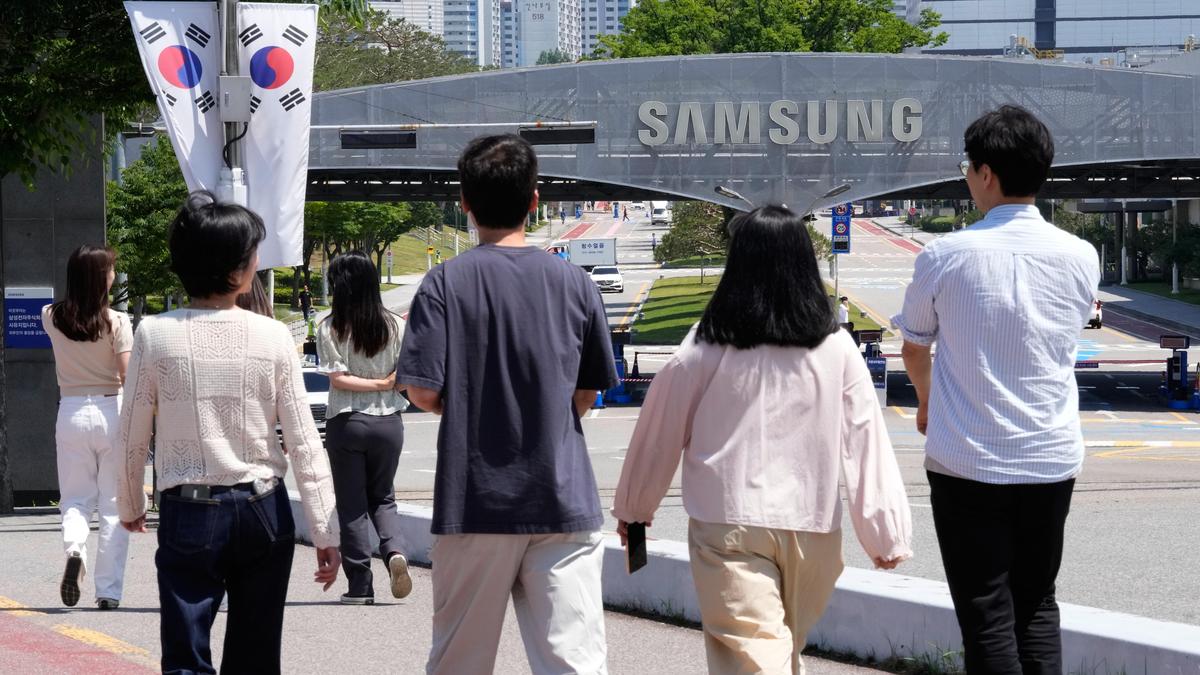
The negotiations that led to this agreement were predominantly spearheaded by a representative from Samsung’s chip division, acting on behalf of the Samsung Electronics Labor Union (SELU). This union bloc boasts a substantial membership of approximately 70,000 workers, making it the largest representative body within the company. Having been instrumental in securing the deal, the SELU representative has publicly expressed confidence that the agreement will be ratified by the majority of the voting employees. Their rationale likely stems from the fact that a deal, even if imperfect, prevents a strike and secures tangible benefits, especially for the well-performing chip division which constitutes a significant portion of their membership. For SELU, the agreement represents a hard-won victory in formalizing wage negotiations and establishing a precedent for future collective bargaining, moving Samsung further away from its historically non-unionized past.
The Opposition: NSEU’s Outcry
In stark contrast, the National Samsung Electronics Union (NSEU), with around 19,000 members, has voiced vehement opposition to the deal. Lee Ho-seop, a prominent leader of the NSEU, did not mince words at a news conference on Friday, stating that "this round of negotiations has effectively been reduced to bargaining over bonuses for the semiconductor memory division," and lamenting that "a rushed outcome was produced." The NSEU argues that the deal prioritizes the interests of a select group of highly profitable employees at the expense of broader workforce equity. They contend that the rapid conclusion of the negotiations, under government mediation, prevented a more comprehensive and fair resolution that would address the concerns of employees across all divisions. Their opposition highlights a fundamental disagreement over the principle of internal compensation: should it be strictly tied to individual business unit performance, or should there be a stronger emphasis on overall company prosperity and employee solidarity?
SECU’s Ambiguous Position
Further complicating the union landscape is the Samsung Electronics Co Union (SECU), whose representatives also attended the Friday press conference. The SECU’s membership comprises both chip and non-chip workers, adding another layer of complexity to the internal dynamics. However, the SECU had reportedly left the negotiating team before the final agreement was reached, citing disagreements with the other union blocs. This departure raises questions about their official stance on the current deal and, more critically, whether their members are even eligible to participate in the ongoing electronic vote. This fragmentation among labor unions, with differing priorities and negotiating strategies, could have significant implications for the deal’s ratification and for the future trajectory of labor relations within Samsung. It suggests a potential power struggle within the labor movement itself, even as it confronts management.
Voting Underway: A Referendum on Equity
The electronic voting process, which began on Friday and will run until 10:00 a.m. on May 27, will see approximately 89,000 eligible workers cast their ballots. This massive democratic exercise within one of the world’s largest corporations is more than just a vote on a pay deal; it is a referendum on internal equity, corporate transparency, and the evolving power dynamics between management and labor in South Korea’s highly competitive tech sector.
The outcome will reveal the true sentiment of Samsung’s workforce regarding the fairness of performance-based compensation linked directly to the fortunes of specific business units. A ratification would signal a tacit acceptance, at least for now, of this model, potentially emboldening management to continue such differentiated reward structures. Conversely, a rejection would send a powerful message, forcing Samsung to re-evaluate its compensation policies and potentially revisit the negotiating table for a more universally appealing agreement. The electronic nature of the vote ensures efficiency and anonymity, allowing employees to express their genuine opinions without fear of reprisal. The high stakes involved for both individual employees and the company as a whole mean that every vote will count in shaping Samsung’s future internal landscape.
Broader Economic and Industry Implications
The Samsung wage deal, regardless of its ultimate ratification, carries significant implications that extend far beyond the company’s internal operations, touching upon South Korea’s economic stability and broader global industry trends.
Samsung’s Strategic Imperative
For Samsung, averting the strike was a strategic imperative. As a global leader in semiconductors, displays, and consumer electronics, any significant disruption to its production would have immediate and severe consequences for its market share, profitability, and investor confidence. In the fiercely competitive semiconductor industry, where companies like TSMC and Intel are constantly vying for technological supremacy and market dominance, maintaining uninterrupted production is paramount. A strike would have led to delayed product launches, failure to meet critical orders, and a potential erosion of trust among its international clientele, which includes some of the world’s biggest tech firms. The deal, therefore, represents a tactical victory for Samsung, allowing it to maintain operational continuity and focus on its ambitious plans for expansion in AI, advanced manufacturing, and next-generation technologies.
South Korea’s Economic Stability
Samsung Electronics is not merely a company; it is an economic powerhouse that accounts for a substantial portion of South Korea’s Gross Domestic Product (GDP) and export revenue. Its success is inextricably linked to the nation’s economic prosperity. A prolonged strike at Samsung would have sent shockwaves through the national economy, impacting countless suppliers, logistics providers, and ancillary businesses. The government’s active mediation in the negotiations underscores the national importance of Samsung’s stability. This situation highlights the unique position of "chaebols" – large, family-controlled conglomerates – in South Korea’s economic fabric, where their performance directly influences national economic indicators and social welfare. The resolution, albeit contentious, averted a national economic crisis, reaffirming the government’s commitment to industrial peace in critical sectors.
The AI Boom’s Unforeseen Consequences
The Samsung wage dispute serves as a potent illustration of the unforeseen consequences of the AI boom on corporate internal dynamics. While AI promises unprecedented growth and innovation, it also creates new challenges in terms of resource allocation, talent management, and employee equity. The ability of certain divisions, like memory chips, to generate extraordinary profits due to AI demand, while others struggle with more traditional market pressures, creates an inherent tension in compensation structures. This phenomenon is likely to be replicated across other diversified tech companies globally, potentially leading to future "talent wars" within organizations and increasing calls for more equitable profit-sharing mechanisms. The Samsung case could become a case study for how large corporations navigate the socio-economic implications of rapidly evolving technological landscapes.
Precedent and Future Outlook
The outcome of this vote will establish a significant precedent for future labor negotiations not only at Samsung but also across other major South Korean chaebols and global tech giants. If the deal is ratified, it may solidify a model of performance-based compensation tied to individual business unit profitability, potentially leading to further internal stratification within companies. Conversely, a rejection could empower unions to demand more comprehensive and equitable compensation models that prioritize overall company success and employee solidarity.
The evolving landscape of labor relations in South Korea’s tech sector, marked by increasing unionization and a more assertive workforce, suggests that companies like Samsung will face continuous pressure to balance shareholder demands with employee welfare. As the AI revolution continues to reshape industries, corporations will need to innovate not just in technology, but also in human resources, developing compensation strategies that can fairly reward diverse contributions across a complex organizational structure, ensuring that the benefits of technological advancement are shared more broadly among those who drive it. The Samsung vote, therefore, is more than an internal matter; it’s a barometer for the future of work in the age of artificial intelligence.
