

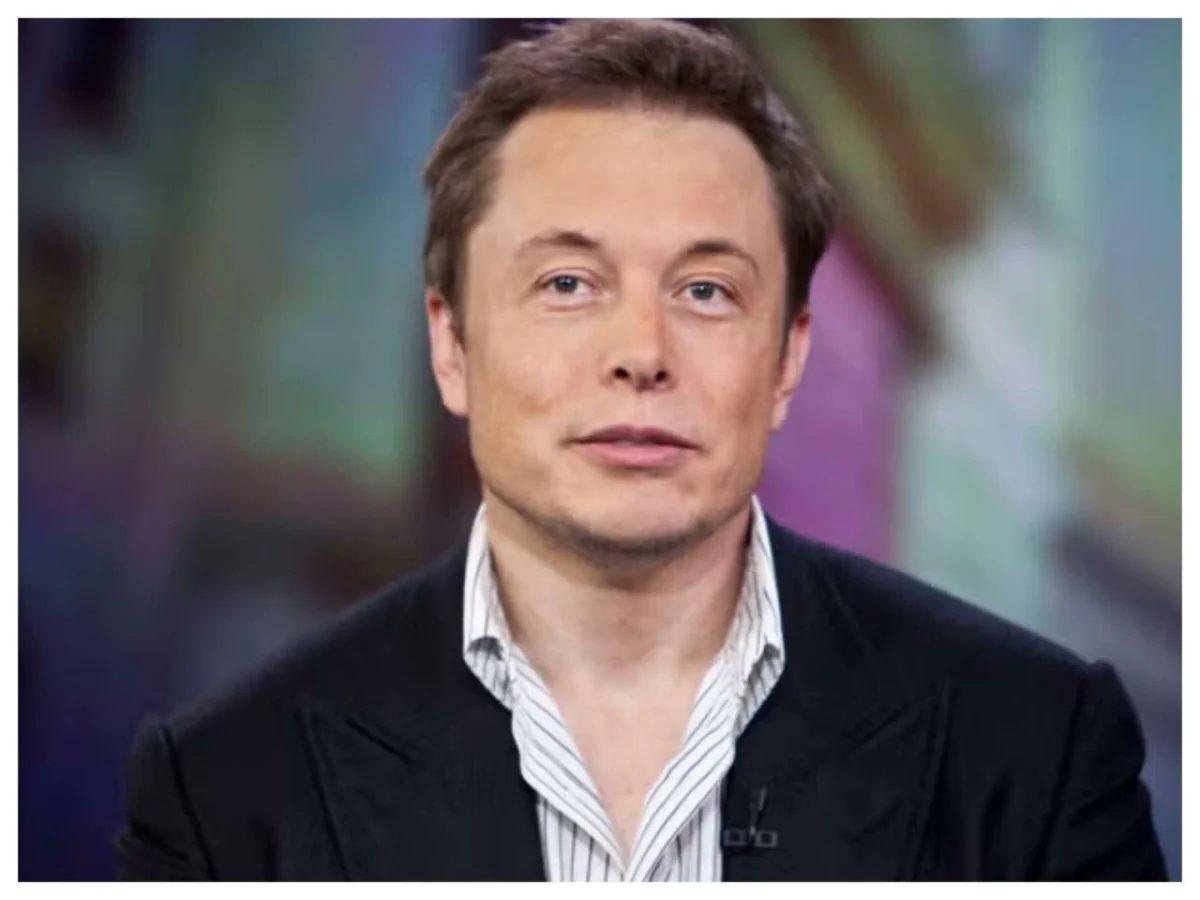
REDWOOD CITY, CALIFORNIA – July 2, 2026 – Amidst a swirling vortex of tech industry speculation, Elon Musk, the visionary CEO of SpaceX, has definitively refuted widespread reports claiming that his aerospace company is developing an AI-powered smartphone. In a characteristically direct statement on his social media platform, X, Musk dismissed the allegations as "utterly false," extinguishing a nascent wave of excitement and intrigue surrounding a potential entry by SpaceX into the fiercely competitive consumer electronics market. The denial comes at a time when the global tech landscape is increasingly focused on dedicated AI hardware, with numerous companies vying to carve out a niche in this burgeoning yet uncertain sector.
The rumors, which had gained significant traction across tech news outlets and investor forums, suggested that SpaceX was not only exploring but actively developing a sophisticated smartphone prototype, potentially leveraging artificial intelligence capabilities from Musk’s other venture, xAI. This alleged device was envisioned as a revolutionary product, possibly intended for a grand reveal to investors ahead of a future SpaceX Initial Public Offering (IPO), promising to fuse cutting-edge AI with advanced mobile connectivity.
The Genesis of Speculation: Rumors of a SpaceX AI Phone
The genesis of these compelling rumors can be traced back to a series of unconfirmed reports that began circulating in early summer, painting a detailed picture of an ambitious project underway within SpaceX. These initial claims posited that the company, primarily known for its groundbreaking achievements in rocket technology and satellite internet services, was secretly venturing into consumer electronics. The alleged smartphone was described as a device designed from the ground up to embody a new paradigm of mobile computing, deeply integrated with AI.
Sources, albeit unnamed and unverified, suggested that the prototype was being developed with an emphasis on a compact form factor, potentially even thinner than Apple’s iconic iPhone. It was speculated to incorporate advanced Qualcomm Snapdragon chipsets, a staple in high-performance Android devices, indicating a commitment to top-tier processing power. Crucially, the reports highlighted the development of a custom operating system, suggesting that SpaceX aimed to create a unique user experience distinct from existing Android or iOS ecosystems. This bespoke OS would, presumably, be tailored to maximize the capabilities of the integrated AI and potentially facilitate seamless interaction with other elements of Musk’s expanding technological universe, such as Starlink or even Tesla vehicles.
)
A central pillar of the speculation revolved around the integration of AI technologies from xAI, Musk’s artificial intelligence company. xAI, with its focus on developing advanced AI systems like Grok, was seen as the natural choice to power the alleged smartphone’s intelligent features. This could range from hyper-personalized user interfaces and predictive analytics to advanced natural language processing and on-device machine learning capabilities, offering a level of intuitive interaction far beyond conventional smartphones. The prospect of a device designed to deeply understand and anticipate user needs, powered by Grok, fueled significant excitement.
The strategic rationale behind such a move was also a key part of the speculation. It was argued that a SpaceX-branded smartphone could serve as a powerful new node for the Starlink satellite internet constellation, potentially offering direct satellite-to-phone connectivity in remote areas, bypassing traditional cellular networks entirely. This vision resonated with Musk’s past comments, where he had hinted that a "Starlink phone" was "not out of the question," though he always framed it within the context of basic emergency communication rather than a full-fledged consumer device. The reported prototype, however, elevated this concept to a sophisticated, AI-driven smartphone, implying a far more ambitious commercial play.

The timing of these rumors was also significant, aligning with a broader industry trend towards "AI-first" hardware. As generative AI models like ChatGPT and Grok captivated public imagination, the tech community began exploring how these powerful algorithms could be embodied in dedicated physical devices, moving beyond mere software applications on existing platforms. The idea that SpaceX, a company synonymous with pushing technological boundaries, would jump into this nascent field with a disruptive product felt, to many, entirely plausible.
Elon Musk’s Unequivocal Denial
The crescendo of speculation reached its peak before being abruptly halted by Elon Musk himself. Utilizing his preferred communication channel, X (formerly Twitter), Musk directly addressed the mounting reports. In a concise yet definitive post, he stated, "This is utterly false," leaving no room for ambiguity or misinterpretation. His denial was unambiguous, cutting through the intricate web of technical details and strategic analyses that had been woven around the alleged project.
)
Musk’s statement served as a cold splash of reality for those eagerly anticipating a SpaceX entry into the smartphone market. It underscored his consistent approach to public communication: direct, often laconic, and frequently used to dispel misinformation or clarify company positions. The phrase "utterly false" is a strong repudiation, indicating that not only is such a device not in development, but the underlying premise of the reports is fundamentally incorrect.
Following Musk’s denial, the companies directly implicated in the rumors, namely Qualcomm and SpaceX itself, have remained silent on the matter. Qualcomm’s non-response is standard practice for a chip manufacturer regarding speculative product developments by its potential partners. SpaceX’s silence, beyond Musk’s direct statement, simply reinforces the CEO’s official stance, indicating no further official comment is deemed necessary by the company. This lack of further elaboration from any official channels beyond Musk’s X post solidifies the narrative that the reports were, indeed, unfounded.
)
Dissecting the Alleged Device: Features and Potential Impact (Hypothetical)
While now firmly denied, the speculative features attributed to the "SpaceX AI phone" offer a fascinating glimpse into what a truly ambitious, AI-centric mobile device might entail, particularly one stemming from Elon Musk’s ecosystem. Imagining this hypothetical device helps contextualize the excitement and subsequent disappointment surrounding the rumors.
1. Deep AI Integration via xAI’s Grok:
The core differentiator would have been its profound integration with xAI’s Grok. Unlike current smartphones that run AI apps, this device was envisioned to be driven by AI. Grok could have powered a highly intelligent personal assistant capable of understanding complex, multi-modal queries, proactively anticipating user needs, and managing tasks across Musk’s connected services. For instance, it could seamlessly integrate with a Tesla vehicle, optimizing routes based on calendar appointments, pre-conditioning the car, or even handling charging logistics. For Starlink users, Grok might intelligently manage data usage, prioritize applications, or even facilitate advanced, AI-powered satellite communications. The custom OS would have been crucial for this, allowing Grok to be deeply embedded at the system level, rather than operating as a mere application layer.
)
2. Starlink Satellite Connectivity as a Core Feature:
This was arguably the most compelling and unique aspect of the rumors. Moving beyond the emergency satellite messaging features seen in newer iPhones, a SpaceX phone could have offered full, high-bandwidth Starlink connectivity directly to the device. This would revolutionize mobile communication, providing internet access in even the most remote corners of the globe, independent of traditional cellular towers. Such a feature would be invaluable for adventurers, emergency responders, and individuals living in underserved areas. It would also position SpaceX as a direct competitor to traditional mobile network operators, potentially disrupting the entire telecommunications industry. The technical challenges, however, would be immense, including miniaturizing satellite antennas, managing power consumption, and ensuring reliable data transfer at mobile speeds.
3. Advanced Hardware and Design:
The mention of Qualcomm Snapdragon chips implied a commitment to cutting-edge performance, essential for running complex on-device AI models. A "compact design, possibly thinner than the iPhone," suggests a focus on premium aesthetics and ergonomics, aiming to compete directly with high-end flagship devices. The combination of advanced silicon, a custom OS, and a sleek form factor would position the phone as a premium product, likely targeting early adopters and tech enthusiasts willing to pay a premium for a truly innovative experience.
)
4. Ecosystem Synergies:
Beyond Starlink and xAI, a SpaceX phone would inevitably seek to integrate with other elements of the Musk empire. Imagine seamless control of Tesla vehicles, direct access to Neuralink applications (if they ever reach consumer stage), or even novel ways to interact with future Martian settlements (a far-fetched, yet "Musk-esque" long-term vision). This deep ecosystem integration would differentiate it from any other smartphone on the market, appealing to a loyal fanbase already invested in Musk’s ventures.
The Broader Landscape: Growing Interest in AI Hardware Devices
Musk’s denial comes at a pivotal moment for the tech industry, which is experiencing a palpable surge of interest in dedicated AI hardware. The past year has seen several high-profile attempts to introduce devices designed from the ground up to embody artificial intelligence, moving beyond the traditional smartphone paradigm. This trend underscores a collective belief that AI’s full potential might be unleashed through new form factors and interaction models.
)
Humane Ai Pin: Perhaps the most notable example is the Humane Ai Pin, launched by former Apple executives Imran Chaudhri and Bethany Bongiorno. This screenless, wearable device projects information onto the user’s palm and relies heavily on voice commands and AI for interaction. While innovative in concept, its commercial launch has been met with mixed reviews, with users citing challenges related to battery life, performance inconsistencies, and a lack of compelling use cases that justify its price and departure from smartphone conventions. The Ai Pin’s struggles highlight the significant hurdles in establishing a new category of consumer electronics.
Rabbit R1: Another device that captured considerable attention is the Rabbit R1, a compact, orange-colored gadget designed to act as a "universal controller" for apps and services through a Large Action Model (LAM). Rather than running apps itself, the R1’s AI is supposed to learn how users interact with apps on other devices and then perform those actions on their behalf. Like the Ai Pin, the R1 garnered initial hype but has faced criticism regarding its actual utility and whether it offers enough distinct value to warrant replacing or even supplementing a smartphone. Its reliance on cloud processing and questions about its long-term functionality have made its future uncertain.
)
Microsoft’s AI Prototypes: Established giants are also exploring this space. Microsoft has publicly showcased experimental wearable prototypes driven by AI, envisioning a future where AI assistants are ambient, always present, and contextually aware, integrated into glasses, badges, or other accessories. These concepts often focus on enhancing productivity, providing real-time information, and facilitating seamless interaction with digital environments without the need for constant screen engagement.
OpenAI and Jony Ive Collaboration: Even OpenAI, the company behind ChatGPT, is reportedly collaborating with former Apple design guru Jony Ive on an AI-focused hardware product. While details are scarce, the involvement of Ive, known for his minimalist and user-centric design philosophy, suggests an ambition to create a device that is both aesthetically pleasing and profoundly intuitive, aiming to overcome the usability challenges faced by current AI hardware attempts. This collaboration signals a serious intent from leading AI developers to shape the physical manifestation of their intelligence.
)
Challenges in the Consumer AI Device Market:
Despite the innovation, the market for consumer AI devices remains highly unpredictable. Several critical challenges persist:
- Compelling Use Cases: Many AI-first devices struggle to demonstrate a truly indispensable function that existing smartphones cannot already provide, either directly or through sophisticated apps.
- User Adoption: Convincing consumers to adopt an entirely new category of device, often at a premium price, requires a clear value proposition and a seamless user experience.
- Battery Life and Performance: On-device AI processing can be resource-intensive, posing significant challenges for battery life and requiring powerful yet energy-efficient hardware.
- Privacy and Data Security: Devices constantly listening or observing to provide AI assistance raise significant privacy concerns that need robust solutions.
- Cost and Scalability: Developing and manufacturing new hardware categories is incredibly expensive and risky, especially for startups.
Musk’s adamant rejection of the SpaceX smartphone claims underscores the inherent difficulties and strategic considerations involved in entering this volatile market. Even for a company with SpaceX’s resources and Musk’s track record, venturing into consumer AI hardware represents a massive undertaking with no guarantee of success.
)
Implications of the Denial
Elon Musk’s definitive denial carries several significant implications for SpaceX, the tech industry, and the ongoing narrative surrounding AI hardware.
For SpaceX: The denial clarifies SpaceX’s immediate strategic focus. The company’s primary missions remain the advancement of reusable rocket technology, interplanetary travel (Mars colonization), and the expansion of the Starlink satellite internet constellation. Diversifying into consumer electronics, especially a complex product like a smartphone, would represent a colossal diversion of resources, engineering talent, and capital. While Musk is known for audacious goals, this denial reaffirms that for the foreseeable future, SpaceX’s efforts will remain concentrated on its core space and connectivity objectives. It prevents any dilution of focus or investor confusion about the company’s long-term strategy ahead of a potential IPO.
)
For the Tech Industry and AI Hardware: The denial serves as a sobering reminder of the challenges inherent in launching new hardware categories, even for a brand as powerful as "SpaceX" or "Elon Musk." While the interest in AI hardware is undeniable, the commercial viability and widespread adoption of these devices are far from guaranteed. The struggles of Humane and Rabbit are illustrative. Musk’s "utterly false" statement suggests that even with xAI’s capabilities and Starlink’s potential, the smartphone market is mature, highly competitive, and difficult to disrupt without an absolutely revolutionary and perfectly executed product. It might temper some of the wilder speculative enthusiasm, encouraging a more grounded approach to AI hardware development.
Musk’s Credibility and Communication: Musk’s direct intervention through X, while characteristic, also highlights his active role in shaping public perception around his ventures. His quick and decisive denial prevents the rumors from festering and potentially impacting investor confidence or public expectations. It reinforces his image as a leader who, despite often engaging in ambitious pronouncements, also actively corrects misinformation when it pertains directly to his companies’ immediate plans.
)
Future Possibilities (Still on the Horizon?): While the current reports have been unequivocally denied, it doesn’t entirely rule out a future foray into mobile communication devices. Musk’s earlier statement about a "Starlink phone" not being "out of the question" might have referred to a far simpler, more functional satellite communication device rather than a full-fledged AI smartphone. As technology evolves and the Starlink network matures, a basic Starlink-enabled handheld device for emergency or remote connectivity could still emerge as a logical extension of SpaceX’s services. However, a sophisticated, AI-powered consumer smartphone, as described in the recent rumors, appears firmly off the table for now. The iterative nature of research and development means that ideas once dismissed can resurface in new forms, but for the present, the message is clear.
In conclusion, Elon Musk’s swift and categorical denial of a SpaceX AI smartphone project puts an end to a wave of exciting but unfounded speculation. While the tech world continues its quest for the "next big thing" in AI hardware, SpaceX will apparently remain focused on its galactic ambitions, leaving the smartphone battleground to established players and the brave new entrants of the AI-first device movement, who continue to navigate its uncertain waters. The dream of a "Musk phone" may persist in the collective imagination, but for now, it remains firmly in the realm of science fiction rather than imminent reality.
