

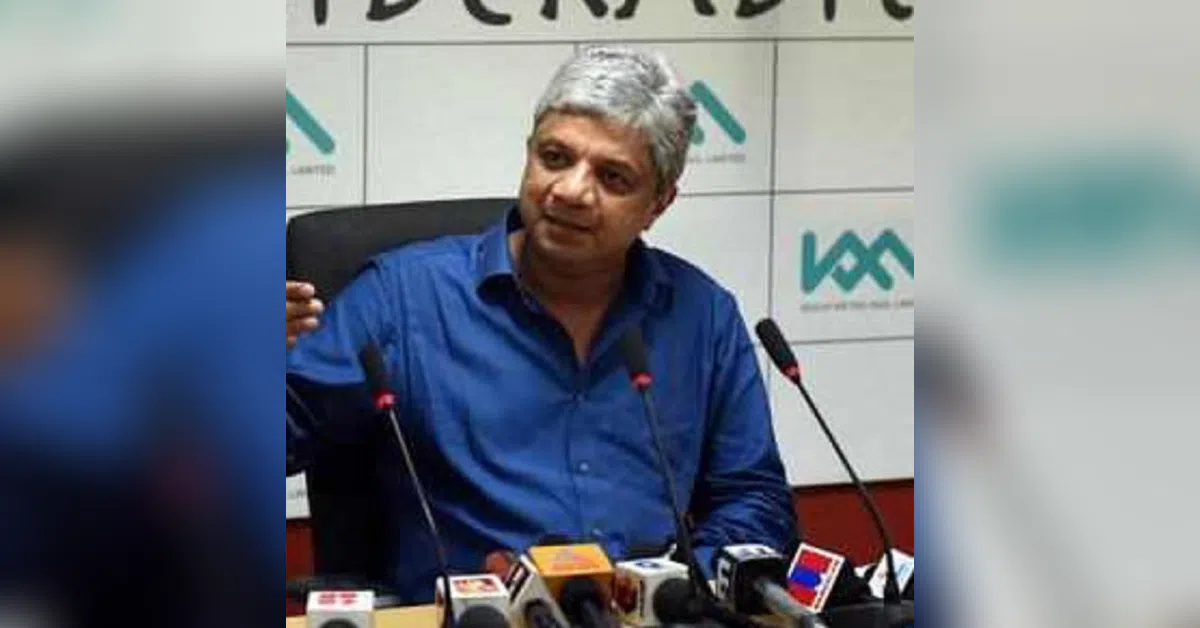
Mumbai, India – May 24, 2026 – In a significant development set to bolster its strategic oversight and governance framework, the Reserve Bank of India (RBI) has formally approved the appointment of Mr. Elias George, a distinguished former Indian Administrative Service (IAS) officer, as the part-time chairman of Federal Bank. The appointment, effective May 23, 2026, will span a three-year term, marking a pivotal moment for one of India’s prominent private sector banks. Mr. George, who previously served as an independent director on the bank’s board, assumed his new responsibilities immediately, bringing a wealth of administrative acumen and public sector experience to the leadership team.
This move underscores Federal Bank’s commitment to robust corporate governance and strategic vision, leveraging Mr. George’s extensive background in infrastructure development, public policy, and financial administration. His transition from a career in elite public service to a key leadership role in the private banking sector highlights a growing trend of integrating seasoned bureaucratic expertise into corporate boardrooms to navigate increasingly complex regulatory and economic landscapes.
Main Facts: A New Era at Federal Bank
RBI Greenlights Veteran Administrator for Key Role
The announcement, disseminated by Federal Bank on Friday, May 24, 2026, confirmed the RBI’s assent to Mr. Elias George’s elevation. As part-time chairman, Mr. George will play a crucial role in providing strategic direction, ensuring compliance, and fostering a culture of strong governance within the bank. His appointment comes at a time when the Indian banking sector is undergoing rapid transformation, driven by technological advancements, evolving customer expectations, and heightened regulatory scrutiny.
Federal Bank, a prominent player in the Indian banking landscape with a rich heritage rooted in Kerala, has been steadily expanding its national footprint and diversifying its service offerings. The induction of a leader with Mr. George’s unique profile is expected to reinforce the bank’s strategic initiatives, particularly in areas requiring a deep understanding of public policy, large-scale project management, and regulatory frameworks. His previous tenure as an independent director would have already provided him with an intimate understanding of Federal Bank’s operations, culture, and strategic aspirations, ensuring a seamless transition into his new, elevated role. The part-time nature of the chairmanship allows for high-level strategic input without involvement in day-to-day executive functions, aligning with best practices in corporate governance that separate the roles of chairman and managing director & CEO.
Chronology: A Distinguished Career Leading to Federal Bank
From Public Service to Banking Governance
Elias George’s journey to the helm of Federal Bank’s board is a testament to a career defined by diverse challenges and significant contributions across various sectors. His trajectory offers valuable insights into the kind of multi-faceted leadership now sought after in the financial industry.
Early Career and the Indian Administrative Service: Mr. George is an alumnus of the prestigious Indian Administrative Service (IAS), a cadre that forms the backbone of India’s administrative machinery. Entering the IAS signifies a commitment to public service and demands exceptional intellectual capabilities, leadership potential, and an unwavering dedication to policy implementation and governance. His initial years in the service would have involved district administration, exposure to various government departments, and a fundamental understanding of India’s socio-economic fabric and administrative processes. This foundational experience provides IAS officers with a unique perspective on macro-economic trends, societal needs, and the intricacies of government-business interactions.
Pivotal Roles in Kerala Government: Mr. George’s career in the Kerala government saw him undertake several high-impact assignments, particularly focusing on infrastructure development, public utilities, and financial administration.
- Additional Chief Secretary, Government of Kerala: This senior bureaucratic position involves significant responsibilities in policy formulation, departmental oversight, and inter-ministerial coordination. As Additional Chief Secretary, Mr. George would have been instrumental in shaping key state policies, managing large budgets, and overseeing the implementation of critical government programs. This role demands a comprehensive understanding of public finance, legal frameworks, and stakeholder management – skills directly transferable to strategic banking governance.
- Chief Executive Officer (CEO) of the Kochi Metro Rail Project: This was arguably one of his most high-profile and challenging assignments. The Kochi Metro, a flagship urban infrastructure project, required meticulous planning, complex financing models, extensive coordination with multiple government agencies (state, central, and local), land acquisition challenges, and stringent project management to ensure timely and cost-effective delivery. Leading such a large-scale, capital-intensive project from its conceptualization to operationalization demonstrates exceptional leadership, negotiation skills, and an ability to navigate intricate public-private partnership dynamics. His success in this role underscores his capabilities in project finance, risk management, and large-scale execution – all highly relevant to the banking sector, especially in corporate and infrastructure lending.
- Chairman of the Unified Metropolitan Transport Authority (UMTA): This role further broadened his expertise in urban planning and integrated transport solutions. As Chairman of UMTA, he would have focused on creating a cohesive and sustainable urban mobility framework, integrating various modes of transport, and developing policies for efficient public transportation. This position requires strategic foresight, an understanding of urban economics, and the ability to forge consensus among diverse stakeholders, skills that are invaluable for a bank chairman in understanding evolving market needs and regulatory environments.
Union Ministries Experience: While specific roles within Union ministries are not detailed, his service at the national level would have exposed him to broader policy perspectives, inter-state economic dynamics, and the functioning of central government regulatory bodies. This national exposure would further enrich his understanding of the macro-economic environment in which Federal Bank operates, aiding in strategic decision-making and risk assessment.
Transition to Corporate Governance – Independent Director: Prior to his elevation, Mr. George served as an independent director on Federal Bank’s board. This role is critical in corporate governance, providing objective oversight, ensuring ethical conduct, and representing the interests of all shareholders. As an independent director, he would have already been deeply involved in the bank’s strategic discussions, risk management frameworks, financial performance reviews, and compliance mechanisms. This prior engagement ensures continuity and a comprehensive understanding of the bank’s internal workings, allowing him to hit the ground running as chairman. The appointment process for such senior banking positions is rigorous, involving recommendations from the bank’s nomination and remuneration committee, board approval, and ultimately, the stringent "fit and proper" assessment by the RBI, which scrutinizes the candidate’s integrity, experience, and absence of conflicts of interest. Mr. George’s impeccable public service record would have undoubtedly met these high standards.
Supporting Data: Federal Bank’s Trajectory and the Need for Strategic Leadership
Navigating Growth and Regulatory Landscapes
Federal Bank’s strategic appointment of Elias George reflects the evolving demands on leadership within India’s dynamic banking sector. The bank, headquartered in Aluva, Kerala, holds a significant position as a mid-sized private sector bank known for its strong retail franchise, focus on small and medium enterprises (SMEs), and pioneering digital initiatives.
Federal Bank’s Performance and Market Position: Over the years, Federal Bank has demonstrated consistent growth, maintaining a healthy balance sheet and a focus on sustainable expansion. It boasts a robust network of branches and ATMs, a strong customer base, particularly in South India, and an increasing national presence. The bank has been proactive in adopting technology to enhance customer experience and operational efficiency, investing in digital platforms and fintech partnerships. Its financial performance, characterized by steady asset growth and improving asset quality, indicates a well-managed institution poised for further expansion. The bank’s emphasis on ethical banking practices and customer-centricity has also built a strong reputation in a competitive market.
The Role of a Part-time Chairman in Modern Banking: The part-time chairman’s role is distinct from that of the Managing Director & CEO, focusing primarily on strategic oversight, governance, and board effectiveness. Key responsibilities include:
- Strategic Guidance: Guiding the board in formulating and reviewing the bank’s long-term strategy, ensuring alignment with regulatory expectations and market opportunities.
- Corporate Governance: Upholding the highest standards of corporate governance, ensuring transparency, accountability, and ethical conduct across all levels of the organization.
- Regulatory Liaison: Acting as a crucial interface between the bank’s board and regulatory bodies like the RBI, ensuring compliance with banking laws and guidelines.
- Stakeholder Relations: Building and maintaining trust with various stakeholders, including shareholders, customers, employees, and the broader community.
- Succession Planning: Overseeing the development of a robust succession plan for key leadership positions.
A part-time chairman, particularly one with Mr. George’s background, can bring an external, yet deeply informed, perspective to the board, fostering independent decision-making and robust challenge to management proposals.
Industry Trends and Regulatory Environment: The Indian banking sector is at an inflection point. Key trends include:
- Digital Transformation: Banks are heavily investing in digital channels, AI, and data analytics to enhance customer service and operational efficiency.
- Increased Regulatory Scrutiny: The RBI and other financial regulators are continuously strengthening governance norms, risk management frameworks, and capital adequacy requirements to ensure financial stability.
- Competition: The entry of new-age fintech companies and payment banks, alongside traditional players, intensifies competition.
- ESG Focus: Environmental, Social, and Governance (ESG) considerations are becoming increasingly important for investors and regulators, influencing lending practices and operational strategies.
In this complex environment, leadership with a deep understanding of public policy, large-scale project execution, and regulatory nuances is invaluable. Mr. George’s experience in infrastructure financing and public utilities, for instance, could provide Federal Bank with a strategic edge in government-backed projects, affordable housing, or financing MSMEs, aligning with national development priorities.

RBI’s "Fit and Proper" Criteria: The RBI’s approval of such high-level appointments is contingent upon rigorous "fit and proper" criteria. These criteria assess a candidate’s:
- Integrity and Reputation: Ensuring a spotless record and high ethical standards.
- Competence and Experience: Verifying relevant skills, knowledge, and leadership experience in financial or related sectors.
- Financial Soundness: Assessing their financial standing and independence.
- Absence of Conflicts of Interest: Ensuring there are no situations that could compromise their impartiality or the bank’s interests.
Mr. George’s illustrious career in public service, marked by significant achievements and a commitment to public welfare, undoubtedly satisfies these stringent requirements, reflecting the RBI’s confidence in his ability to uphold the highest standards of banking governance.
Official Responses and Industry Outlook
Perspectives on a Strategic Appointment
The appointment of Elias George as Federal Bank’s part-time chairman has been met with positive anticipation from both the bank and industry observers, signaling a strategic move towards reinforcing governance and leveraging diverse leadership expertise.
Federal Bank’s Official Stance (Simulated): While an explicit quote from Federal Bank’s leadership on the appointment is not provided in the original snippet, a typical official response would express profound confidence and enthusiasm. The bank would likely highlight Mr. George’s exceptional track record in public service, his deep understanding of policy and administration, and his prior valuable contributions as an independent director. A statement might read: "We are delighted to announce the Reserve Bank of India’s approval for the appointment of Mr. Elias George as our part-time chairman. Mr. George brings an unparalleled blend of administrative acumen, strategic foresight, and a profound commitment to public welfare, cultivated over a distinguished career in the Indian Administrative Service. Having already served with distinction as an independent director, his elevation to chairman will provide invaluable strategic guidance, reinforce our commitment to robust corporate governance, and help steer Federal Bank through its next phase of sustainable growth and innovation. We look forward to his leadership in strengthening our market position and enhancing stakeholder value." Such a statement would underscore continuity, strategic advantage, and a commitment to exemplary governance.
RBI’s Implied Response: The RBI’s approval itself serves as the most potent official response from the regulator. It signifies that the central bank has thoroughly vetted Mr. George’s credentials, experience, and integrity, finding him to be "fit and proper" for such a critical leadership role in a regulated financial institution. The RBI’s mandate includes ensuring the sound and prudent functioning of banks, and its approval indicates confidence in Federal Bank’s choice and the potential positive impact on the bank’s governance framework. It also reinforces the RBI’s role in maintaining high standards of leadership in the banking sector to safeguard financial stability and depositor interests.
Industry Analyst and Expert Views (Simulated): Financial analysts and banking sector experts would likely view this appointment favorably. They might comment on several aspects:
- Enhanced Governance: "The appointment of a seasoned bureaucrat like Elias George is a significant win for Federal Bank. His extensive experience in public administration and policy implementation will undoubtedly strengthen the bank’s governance framework and ensure a higher degree of compliance and ethical conduct," noted a Mumbai-based banking analyst.
- Strategic Advantage: "Mr. George’s background in large-scale infrastructure projects and public utilities offers Federal Bank a unique strategic advantage, especially in navigating government-led initiatives and understanding the nuances of project finance. This could open new avenues for the bank in infrastructure lending and public sector partnerships," opined an investment banker specializing in infrastructure.
- Regulatory Acumen: "His deep familiarity with government functioning and regulatory processes will be invaluable in managing the bank’s relationship with the RBI and other regulatory bodies, potentially leading to smoother navigation of the evolving regulatory landscape," added a corporate governance expert.
- Investor Confidence: Such an appointment often bolsters investor confidence, as it signals stability, credible leadership, and a long-term vision for the bank. Investors typically look for strong, independent board leadership to safeguard their interests.
Elias George’s Potential Vision (Inferred): While Mr. George has not yet publicly articulated his vision for Federal Bank as chairman, his background suggests potential priorities. These might include:
- Further strengthening the bank’s corporate governance practices and risk management frameworks.
- Championing digital transformation initiatives to enhance efficiency and customer experience.
- Exploring strategic opportunities in infrastructure financing, public-private partnerships, and government-led development projects.
- Fostering a culture of innovation, ethical conduct, and sustainable growth within the organization.
- Enhancing stakeholder engagement and ensuring that the bank continues to serve the broader economic and social objectives while generating shareholder value.
Implications: Charting Federal Bank’s Future Course
Impact on Governance, Strategy, and Stakeholder Confidence
The appointment of Elias George as part-time chairman carries profound implications for Federal Bank, potentially influencing its strategic direction, governance standards, and overall trajectory in the competitive Indian banking landscape for the next three years and beyond.
Strengthened Governance and Ethical Framework: At the forefront, Mr. George’s IAS background is synonymous with discipline, rigorous adherence to rules, and a deep understanding of public accountability. His leadership is expected to significantly bolster Federal Bank’s corporate governance framework. He will likely emphasize transparency, ethical decision-making, and robust internal controls, ensuring that the bank operates with the highest standards of integrity. This focus on governance is crucial for maintaining regulatory compliance and building sustained trust among customers, investors, and regulators. His experience in handling sensitive public matters will lend a unique perspective to risk management, particularly in areas like operational risk, regulatory compliance risk, and reputational risk.
Influencing Strategic Direction, Especially in Infrastructure: Mr. George’s extensive experience in infrastructure creation, financing, and public utilities, particularly his leadership of the Kochi Metro project, positions him to offer invaluable strategic insights. This expertise could guide Federal Bank in exploring and expanding its footprint in project finance, infrastructure lending, and partnerships with government entities. As India continues its massive infrastructure push, a chairman with such a specialized background could enable Federal Bank to identify and capitalize on lucrative opportunities, aligning its growth strategy with national development priorities. This might involve developing specialized products or services for large-scale projects, urban development, or sustainable infrastructure.
Enhanced Regulatory Navigation and Public Policy Understanding: A key advantage of having a former IAS officer as chairman is an intimate understanding of governmental processes, policy formulation, and the regulatory environment. Mr. George’s ability to anticipate policy shifts, interpret regulatory guidelines accurately, and foster constructive engagement with regulatory bodies like the RBI will be a significant asset. This deep understanding can help Federal Bank proactively adapt to new regulations, mitigate potential compliance risks, and effectively articulate its positions on policy matters affecting the banking sector. Such expertise can streamline interactions with government agencies, which is particularly beneficial for a bank looking to participate in government-backed financial inclusion schemes or public sector lending initiatives.
Boosting Investor and Stakeholder Confidence: The appointment of a highly respected and credible figure like Elias George is likely to enhance investor confidence. Investors often view strong, independent board leadership as a sign of stability, sound management, and a commitment to long-term value creation. His reputation for integrity and effective administration will reassure shareholders about the bank’s strategic direction and its ability to navigate economic challenges. Beyond investors, this appointment could also positively influence employee morale, customer trust, and the bank’s standing within the broader financial community, reinforcing its image as a responsible and well-governed institution.
Addressing Future Challenges and Opportunities: The banking sector faces numerous challenges, including managing non-performing assets (NPAs), cybersecurity threats, intense competition from fintechs, and the need for continuous technological innovation. Mr. George’s leadership could provide the necessary foresight and strategic guidance to tackle these issues effectively. His experience in managing large-scale public projects could also inform the bank’s approach to large corporate credit, emphasizing due diligence and robust project appraisal. Furthermore, he could help the bank leverage opportunities arising from India’s economic growth, increasing digitalization, and the expansion of financial services to underserved populations.
Broader Trend in Corporate India: This appointment also reflects a broader trend in corporate India where seasoned bureaucrats and public sector veterans are increasingly being sought for leadership roles in private companies. Their deep understanding of the Indian administrative machinery, regulatory complexities, and socio-economic dynamics offers a unique value proposition that complements traditional corporate expertise. This cross-pollination of talent can lead to more holistic strategic thinking and better navigation of India’s unique business environment.
In conclusion, Elias George’s appointment as Federal Bank’s part-time chairman is a meticulously considered strategic move. His distinguished career in public service, marked by impactful leadership in infrastructure and governance, positions him uniquely to steer the bank through its next phase of growth. His tenure is expected to significantly strengthen Federal Bank’s governance framework, enhance its strategic capabilities, particularly in public-private partnerships and infrastructure finance, and instill greater confidence among all its stakeholders as it charts its future course in India’s evolving financial landscape.
