

Main Facts
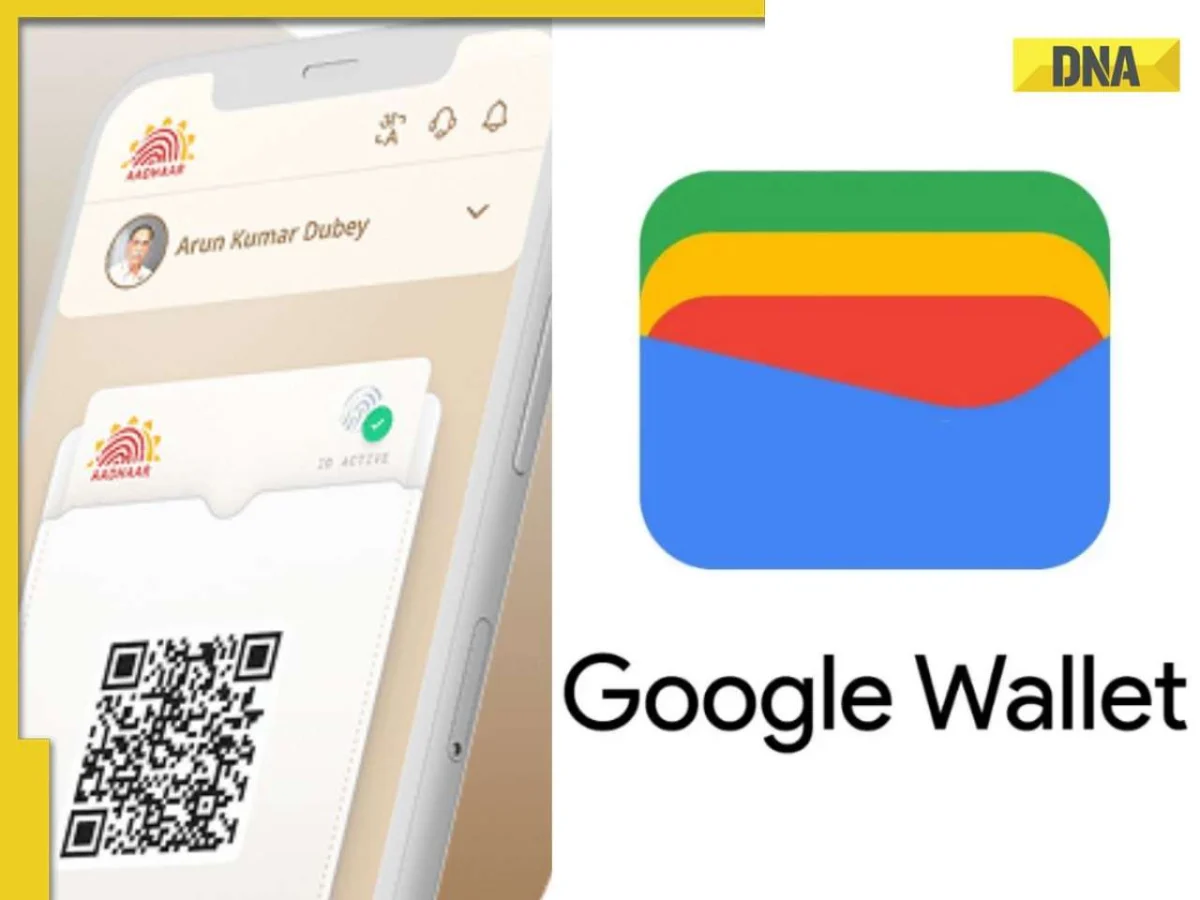
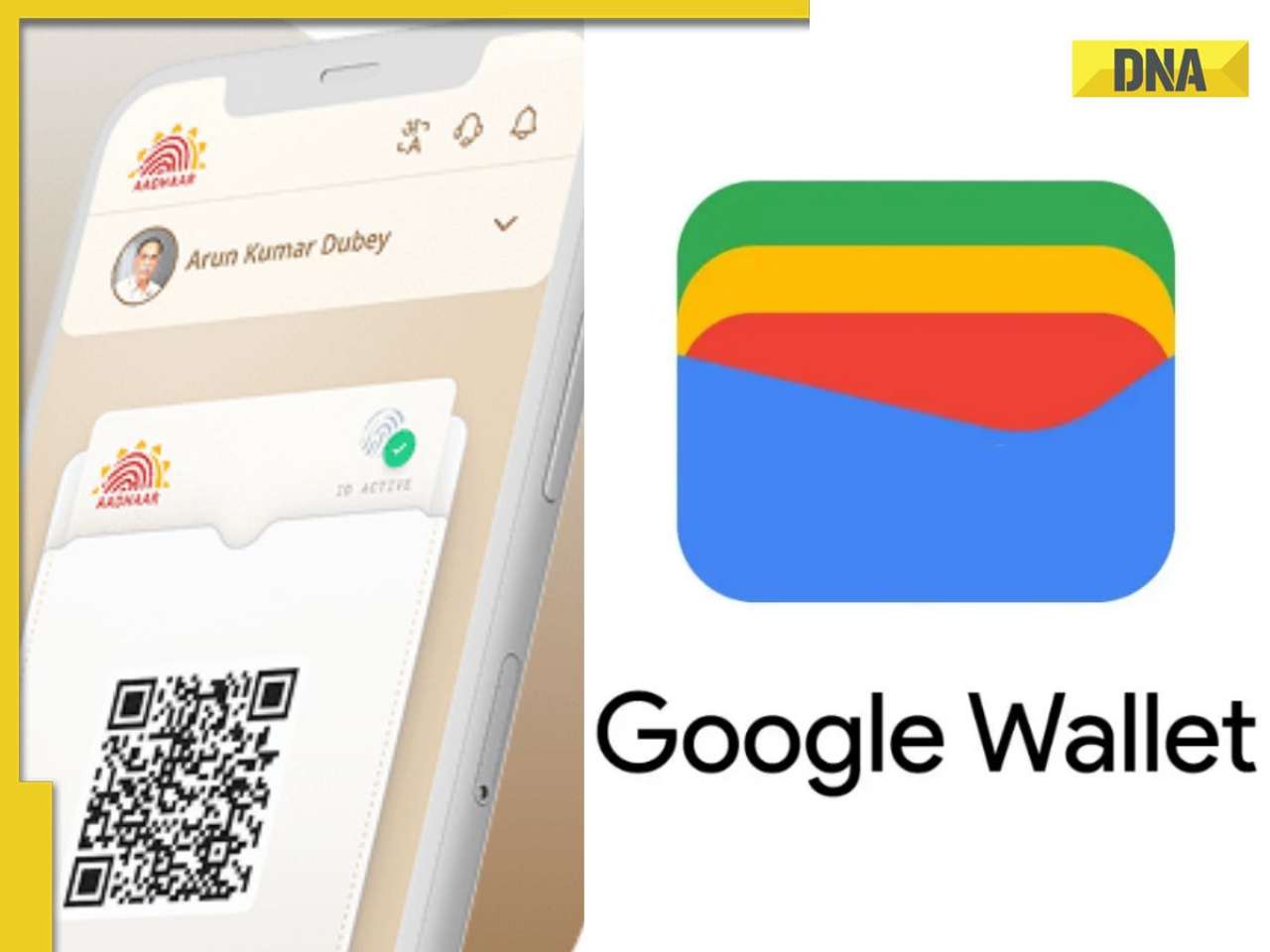
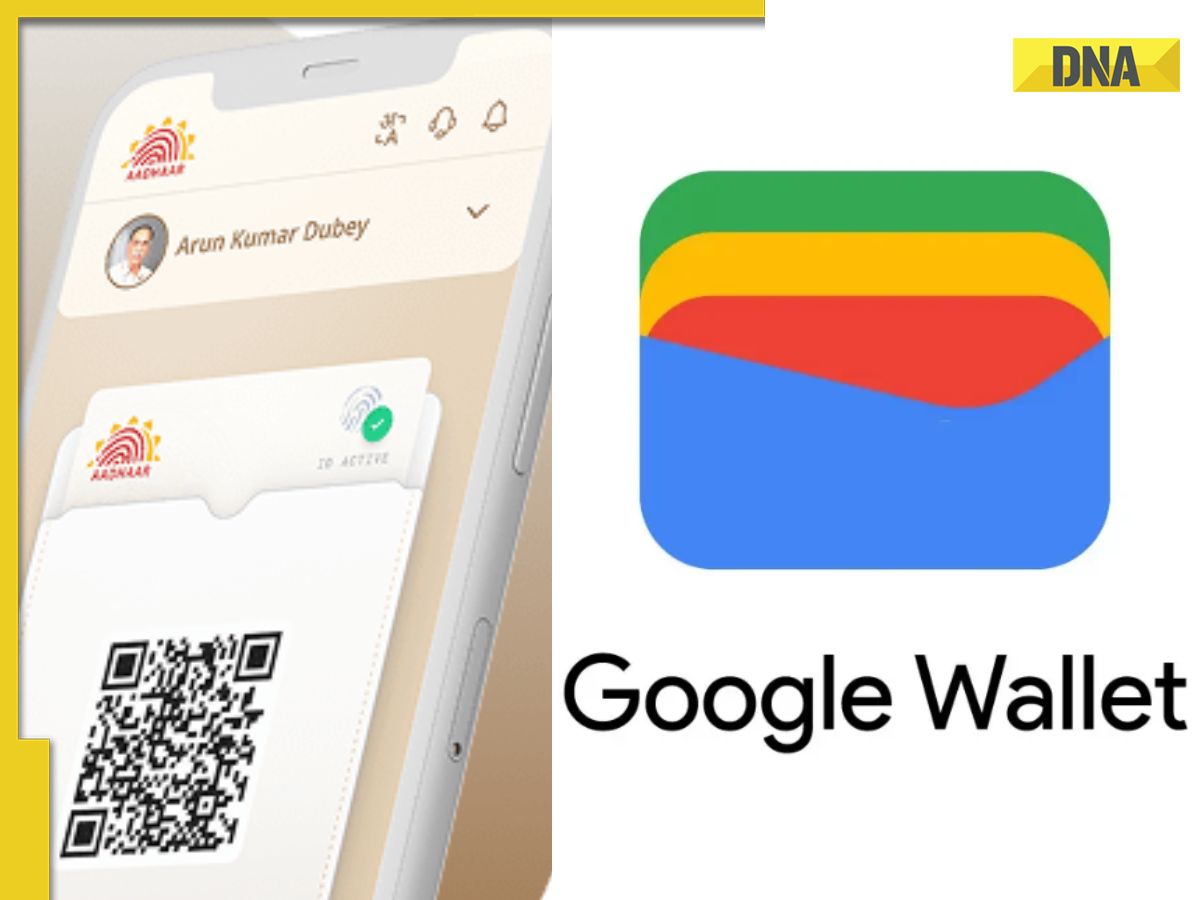
In a landmark development poised to significantly transform India’s digital identity landscape, global technology behemoth Google has officially announced a strategic partnership with the Unique Identification Authority of India (UIDAI). This collaboration enables users across the nation to securely save their Aadhaar details directly within Google Wallet, the company’s digital wallet application. The integration marks a pivotal step towards streamlining identity verification processes, offering Indian citizens a convenient and secure digital alternative to carrying physical Aadhaar cards.
The announcement, disseminated via a Google blog post, highlights the introduction of a new feature that allows users to create a "verifiable credential" of their Aadhaar on their smartphones. This innovative approach ensures that while Aadhaar details are readily accessible, they are stored and used in a manner distinct from traditional linking with financial accounts or PAN cards. Instead, Google Wallet will now serve as a secure repository for these digital identity credentials, facilitating authentication and verification without the need to expose sensitive underlying data or carry physical documents. Initial rollouts see this authentication aligned with select partners, including prominent entities like PVR INOX and BharatMatrimony, signaling a broader intent to integrate digital Aadhaar verification across various sectors.
A New Era of Digital Identity: The Partnership Unveiled
The partnership between Google and the UIDAI represents more than just a feature update; it signifies a deeper integration of India’s robust digital public infrastructure with global technology platforms. At its core, this collaboration aims to empower Indian citizens with greater control over their identity information, offering unparalleled convenience in everyday transactions and verifications.
Unlike the mandatory linking of Aadhaar with PAN cards for tax purposes or bank accounts for financial transactions, the Google Wallet integration is designed for digital storage and authentication. Users will not be "linking" their Aadhaar in the traditional sense, but rather storing a secure, cryptographically signed digital version – referred to as a "verifiable credential." This distinction is crucial. It means the full Aadhaar number or biometric data is not directly shared with Google or third-party verifiers during routine use. Instead, the Wallet presents a verified credential that can confirm specific attributes (e.g., age, identity) without revealing all underlying personal information. This aligns with modern privacy-preserving identity verification principles.
The primary objective of this initiative is to make identity verification smoother, more accessible, and significantly reduce the reliance on physical documents. Imagine boarding a flight, checking into a hotel, or completing an online form – all with the simple tap of your phone, authenticated by your digital Aadhaar in Google Wallet. This not only enhances user experience but also brings efficiency to businesses that routinely require identity proofs. The early alignment with partners like PVR INOX, a major cinema chain, and BharatMatrimony, a leading matrimonial service, demonstrates the immediate practical applications across consumer services and personal identification needs. This move positions Google Wallet not merely as a payment tool, but as a comprehensive digital identity hub for the Indian market, reflecting the country’s rapid strides in digital transformation.
Chronology of Digital Identity Initiatives in India
India’s journey towards a comprehensive digital identity system began with the ambitious launch of Aadhaar, and the integration with Google Wallet is the latest milestone in this evolving narrative. Understanding this chronology provides crucial context for the significance of the current development.
)
2009: The Genesis of Aadhaar
The Unique Identification Authority of India (UIDAI) was established in 2009 with the mandate to issue a unique identification number – Aadhaar – to every resident of India. The project aimed to provide a robust and verifiable identity proof, particularly for those without conventional documentation, to facilitate access to government services and benefits. Aadhaar is a 12-digit unique identification number based on biometric (fingerprint, iris scan) and demographic data.
2010 onwards: Phased Rollout and Adoption
The first Aadhaar number was issued in 2010. Over the next decade, Aadhaar witnessed a massive enrolment drive, becoming the world’s largest biometric ID system. Its initial purpose was to curb leakages in welfare schemes, ensuring subsidies and benefits reached the intended beneficiaries.
2014-2016: The Digital India Push and Aadhaar’s Expanded Role
With the launch of the "Digital India" campaign, Aadhaar’s role expanded significantly. It became central to the "JAM Trinity" (Jan Dhan-Aadhaar-Mobile), aiming to link bank accounts, Aadhaar, and mobile numbers to streamline financial inclusion and direct benefit transfers. This period also saw the introduction of Aadhaar-enabled Payment System (AePS) and e-KYC (Electronic Know Your Customer) services, allowing instant verification using Aadhaar data.

2016: The Aadhaar Act
The Aadhaar (Targeted Delivery of Financial and Other Subsidies, Benefits and Services) Act, 2016, provided statutory backing to the Aadhaar project, defining its legal framework and permissible uses.
2017: Introduction of mAadhaar App
UIDAI launched the mAadhaar app, enabling users to carry their Aadhaar profile on their smartphones. This was a crucial step towards digitizing the physical card and making it more accessible.
2018: Supreme Court Ruling and Privacy Concerns
A landmark Supreme Court judgment in 2018 upheld the constitutional validity of Aadhaar but restricted its mandatory use primarily to welfare schemes and PAN card linking. It also emphasized privacy safeguards, leading to a re-evaluation of how Aadhaar data was used and stored.
)
2Post-2018: Focus on Offline and Privacy-Preserving Verification
Following the Supreme Court’s directives and growing global emphasis on data privacy, UIDAI began to develop and promote more privacy-friendly verification mechanisms. This led to innovations like "Aadhaar Verifiable Credentials" (AVC), QR codes for offline verification, and masked Aadhaar options, designed to allow identity verification without exposing the full Aadhaar number or relying on online authentication for every transaction.
Late 2023 / Early 2024: UIDAI’s Aadhaar Verifiable Credentials (AVC) Framework
UIDAI formally launched and promoted the use of Aadhaar Verifiable Credentials. This framework underpins the current Google Wallet integration, allowing for secure, offline-capable verification using cryptographic proofs, significantly enhancing user privacy and control.
Present: Google Wallet Integration
The Google Wallet partnership represents the culmination of these efforts, taking the concept of digital Aadhaar to a globally recognized platform. By integrating the UIDAI’s verifiable credential framework, Google Wallet now offers a convenient, secure, and privacy-conscious method for Indians to carry and present their digital identity, marking a significant leap forward in India’s journey towards a truly digital and inclusive ecosystem. This integration builds upon the foundation laid by mAadhaar and DigiLocker, further democratizing access to digital identity services.
)
Supporting Data and Technological Underpinnings
The integration of Aadhaar into Google Wallet is not merely a superficial feature; it is built upon robust technological foundations, primarily leveraging the concept of "verifiable credentials" and sophisticated security protocols.
The Verifiable Credential Framework
At the heart of this integration lies the "verifiable credential" (VC) framework, a global standard gaining traction in digital identity. A verifiable credential is a tamper-evident digital credential that can be issued by an "issuer" (in this case, UIDAI) to a "holder" (the user) and presented to a "verifier" (any entity requiring identity proof).
- Issuer: UIDAI issues the digital Aadhaar credential.
- Holder: The user stores this credential securely in their Google Wallet.
- Verifier: A third-party service (e.g., PVR INOX, an airline, a bank) requests proof of identity.
Crucially, the VC system allows for selective disclosure. Instead of revealing the entire Aadhaar ID, the holder can present a cryptographic proof that confirms specific attributes (e.g., "This person is over 18," or "This person’s name is X") without disclosing the full underlying data. This significantly enhances privacy by minimizing the information shared. The credentials are cryptographically signed by the issuer, making them highly resistant to tampering and ensuring their authenticity. This framework aligns with global standards promoted by the World Wide Web Consortium (W3C) for decentralized identifiers (DIDs) and VCs, representing a forward-thinking approach to digital identity.
)
Security Architecture of Google Wallet
Google has emphasized that user security and privacy are paramount. Google Wallet is designed with multiple layers of security to protect sensitive information, including:
- Encryption: All sensitive data, including Aadhaar verifiable credentials, is encrypted both at rest (when stored on the device or Google’s servers) and in transit (when communicating with UIDAI or verifiers).
- Device-level Security: Integration with the device’s secure elements, such as trusted execution environments (TEEs) or hardware security modules (HSMs), ensures that sensitive keys and credentials are protected even if the device is compromised.
- Authentication: Access to Google Wallet and its contents requires strong user authentication, typically through PIN, fingerprint, or facial recognition.
- Tokenization/Pseudonymization: While not explicitly detailed for Aadhaar, Google Wallet often employs tokenization for payment cards, where the actual card number is replaced with a unique token. For verifiable credentials, the system focuses on presenting minimal, cryptographically verifiable data rather than the full ID.
- Google’s Secure Infrastructure: Leveraging Google’s extensive cloud security infrastructure, which includes advanced threat detection, continuous monitoring, and strict access controls.
UIDAI’s Offline Verification Protocol
The integration is specifically powered by UIDAI’s "Aadhaar Verifiable Credentials" (AVC), an offline-verification protocol launched by the authority a few months prior. This protocol allows for secure identity verification without requiring an active internet connection or direct access to UIDAI’s central database for every transaction.
When a user adds their Aadhaar to Google Wallet, the UIDAI issues a digitally signed verifiable credential. This credential contains a limited set of verified attributes and a cryptographic signature that can be independently verified by any authorized verifier using a public key provided by UIDAI. This means:
)
- Privacy-Preserving: The verifier does not receive the full Aadhaar number or interact directly with UIDAI’s servers during the verification process.
- Offline Capability: Verification can happen even in areas with limited or no internet connectivity, as long as the verifier has the necessary software to validate the cryptographic signature.
- User Control: Users retain control over when and to whom they present their verifiable credential, choosing which specific attributes to disclose.
This offline verification mechanism is a significant enhancement, addressing concerns about constant online connectivity and centralized data queries, while maintaining the integrity and authenticity of the Aadhaar identity.
Step-by-Step Guide to Adding Aadhaar to Google Wallet
Users have two primary methods to add their Aadhaar verifiable credential to Google Wallet:
1. Via the Google Wallet App:
)
- Update Google Wallet: Ensure your Google Wallet app is updated to the latest version.
- Open the App: Launch the Google Wallet application.
- Initiate Addition: Tap the ‘+’ or ‘Add to wallet’ button.
- Select Aadhaar: Choose the option to add an ID card or specifically select ‘Aadhaar card’. This will redirect you to the official Aadhaar app or a secure UIDAI portal.
- Enter Aadhaar Details: Enter your 12-digit Aadhaar card number.
- OTP Verification: You will receive a One-Time Password (OTP) on your mobile number registered with Aadhaar.
- Confirm and Add: Enter the OTP to confirm your identity and add your Aadhaar "verifiable credential" to your Google Wallet.
2. Via the Official Aadhaar App (mAadhaar):
- Open Aadhaar App: Launch the official mAadhaar application on your smartphone.
- Sign In & Verify: Sign in to the app and verify your identity as required (e.g., using your PIN or biometrics).
- Select ‘Add to Wallet’: Look for an option like ‘Add to Wallet’ within the mAadhaar app interface.
- Choose Google Wallet: Select ‘Google Wallet’ as the destination for your digital Aadhaar.
- Continue & Follow Instructions: Tap ‘Continue’ and follow any on-screen instructions to securely transfer and add your Aadhaar verifiable credential to your Google Wallet.
How Aadhaar Works on Google Wallet
Once added, the Aadhaar verifiable credential in Google Wallet becomes a versatile tool for identity verification. When a user needs to prove their identity:
- They open Google Wallet.
- Select their digital Aadhaar.
- Present it to a verifier (e.g., by scanning a QR code, tapping via NFC, or showing on screen).
- The verifier’s system then checks the cryptographic signature of the credential against UIDAI’s public key to confirm its authenticity and the specified attributes (e.g., age, name).
This process can be used for:
)
- Age verification: For purchasing age-restricted goods or services.
- Identity confirmation: For accessing services, checking into locations, or confirming identity on partner applications (like PVR INOX or BharatMatrimony).
- Form filling: Pre-populating identity details in digital forms.
The key benefit is the ability to save and use identity information safely for both online and offline verification, always under the user’s explicit control. This eliminates the need to physically carry the Aadhaar card, reduces the risk of loss or damage, and provides a modern, secure, and private way to manage one’s identity.
Official Responses and Stakeholder Perspectives
The integration of Aadhaar into Google Wallet is a significant development, prompting responses from both the involved entities and the broader digital ecosystem.
Statements from Google
Google’s official announcements have consistently highlighted the focus on convenience, security, and furthering digital transformation in India. A Google spokesperson or blog post would typically emphasize:
)
- Enhanced User Experience: "This partnership underscores our commitment to providing Indian users with secure and convenient tools to manage their digital lives. Google Wallet aims to simplify everyday interactions, and integrating Aadhaar is a major step in that direction."
- Robust Security: "Security and privacy are at the core of Google Wallet. We’ve worked closely with UIDAI to ensure that Aadhaar details are stored as ‘verifiable credentials’ with industry-leading encryption and device-level safeguards, giving users complete control over their identity information."
- Support for Digital India: "We are proud to contribute to India’s ‘Digital India’ vision by offering innovative solutions that make digital identity verification seamless and accessible for millions of users."
- Expanding Utility: "Beyond payments, Google Wallet is evolving into a comprehensive digital companion for daily life, and the ability to securely store Aadhaar credentials significantly expands its utility in the Indian market."
Statements from UIDAI
The Unique Identification Authority of India (UIDAI) would likely position this partnership as a testament to its ongoing efforts to modernize Aadhaar’s utility while upholding privacy and security. Their statements would focus on:
- Promoting Digital Identity: "UIDAI is committed to empowering citizens with secure and convenient digital identity solutions. The collaboration with Google Wallet aligns perfectly with our vision to make Aadhaar a versatile and accessible tool for verification in the digital age."
- Secure and Privacy-Preserving Verification: "The use of Aadhaar Verifiable Credentials in Google Wallet is a prime example of how we are enabling privacy-enhancing identity verification. This framework ensures that citizens can prove their identity without exposing unnecessary personal data."
- Offline Capabilities: "This integration leverages our offline verification protocol, which is crucial for a diverse country like India, ensuring that identity proof is accessible even in areas with limited connectivity."
- Citizen Empowerment: "By allowing citizens to carry their digital Aadhaar securely on their smartphones, we are enhancing their convenience and control over their identity, reducing the reliance on physical documents."
Industry Reactions and Potential Concerns
The broader industry reaction is likely to be mixed but largely positive, with some anticipated discussions around privacy and competition.
- Fintech and Digital Wallet Providers: Other digital wallet providers and fintech companies might view this as both an opportunity and a competitive challenge. It could spur them to integrate similar verifiable credential systems for other identity documents or compete on broader digital identity features.
- Businesses and Service Providers: Sectors like travel, hospitality, retail, and financial services that require frequent identity verification are likely to welcome the move. It promises to streamline their KYC (Know Your Customer) processes, reduce manual errors, and enhance efficiency.
- Privacy Advocates: While the "verifiable credential" model is designed with privacy in mind, privacy advocates might still raise questions about data handling, Google’s role as a custodian of sensitive data, and the potential for increased surveillance if not properly managed. However, the move away from full Aadhaar disclosure for every transaction would likely be seen as a positive step compared to earlier online e-KYC models.
- Security Experts: Cybersecurity experts will likely scrutinize the implementation, ensuring the cryptographic processes are robust and that device-level security is truly impenetrable. The resilience against phishing attacks or device compromises will be a key area of interest.
Overall, the official responses highlight a shared vision for a more digital, convenient, and secure India, while industry reactions will likely focus on the practical implications and ongoing discussions around digital trust and privacy.
)
Implications for India’s Digital Ecosystem
The integration of Aadhaar into Google Wallet carries profound implications, poised to reshape various facets of India’s rapidly expanding digital ecosystem. This move extends beyond mere convenience, touching upon digital inclusion, economic efficiency, and the future of identity management.
Enhancing Digital Inclusion
One of the primary implications is the significant boost to digital inclusion. Aadhaar has already played a crucial role in bringing millions into the formal economy and enabling access to government services. By making digital Aadhaar easily accessible via Google Wallet, it further lowers the barrier for participation in the digital economy:
- Accessibility: Smartphones are ubiquitous in India. Integrating Aadhaar into a widely used app like Google Wallet makes digital identity available to a vast population, including those who may not be tech-savvy enough to use dedicated mAadhaar apps or may simply prefer a single platform.
- Empowerment: Citizens, especially in remote areas, often face challenges with physical document storage and presentation. A digital Aadhaar in Wallet empowers them with a secure, always-available identity proof, facilitating access to services and opportunities previously out of reach.
- Reduced Friction: For individuals interacting with digital services, the ability to quickly verify identity without cumbersome processes fosters greater trust and willingness to engage online.
Impact on KYC Processes
The integration is set to revolutionize Know Your Customer (KYC) processes across numerous sectors:
)
- Financial Services: Banks, insurance companies, and fintech firms can leverage this for faster and more efficient customer onboarding, account opening, and transaction verification, potentially reducing the costs associated with physical KYC.
- Telecommunications: Streamlining SIM card activations and mobile service subscriptions.
- Travel and Hospitality: Expediting check-ins at airports, hotels, and railway stations.
- Retail and E-commerce: Simplifying age verification for restricted products or identity checks for high-value purchases and deliveries.
- Government Services: Easier access to public services that require identity proof, potentially reducing queues and paperwork.
The "verifiable credential" model is particularly impactful here, as it allows verifiers to obtain necessary confirmations (e.g., "over 18," "resident of India") without handling or storing the full Aadhaar number, reducing their own data security liabilities.
Privacy and Data Security Considerations
While the "verifiable credential" model is designed to enhance privacy, the integration will inevitably reignite discussions around data security and privacy, especially given Google’s extensive data footprint.
- User Control: The model explicitly grants users control over what information is shared and when. This is a significant improvement over traditional methods where full identity details might be exposed unnecessarily.
- Google’s Responsibility: Google assumes a significant responsibility as a custodian of sensitive identity information. Its commitment to robust encryption, secure storage, and adherence to UIDAI’s protocols will be under constant scrutiny. Any perceived vulnerability or misuse could erode public trust.
- Minimizing Data Exposure: The shift towards offline verification and selective disclosure mitigates risks associated with centralized databases and continuous online authentication, which were earlier points of contention for privacy advocates.
- Education and Awareness: Effective implementation will require extensive public awareness campaigns to educate users about how their data is protected, what information is shared, and how they retain control.
Future Prospects and Expansion
This partnership opens doors for significant future expansion and innovation:
)
- More Documents: The "verifiable credential" framework could be extended to other important documents like driver’s licenses, educational degrees, or health records, making Google Wallet a truly comprehensive digital ID hub.
- Broader Adoption: As more businesses integrate with the Google Wallet Aadhaar verification, it could become a de facto standard for digital identity proof in India.
- Global Replication: India’s Aadhaar system and its digital public infrastructure are often cited as a model for other developing nations. This successful integration with a global platform like Google Wallet could serve as a blueprint for similar collaborations internationally, promoting interoperable digital identity solutions worldwide.
- Innovative Services: The availability of secure, verifiable digital identities could spur the creation of entirely new digital services and applications that rely on authenticated user data, driving further innovation in fintech, health tech, and other sectors.
In conclusion, Google Wallet’s embrace of Aadhaar is a transformative moment for India’s digital journey. It promises unparalleled convenience and efficiency while reinforcing the principles of security and user control, setting a new benchmark for digital identity management in one of the world’s largest and most digitally ambitious nations.
