

TECHNOLOGY
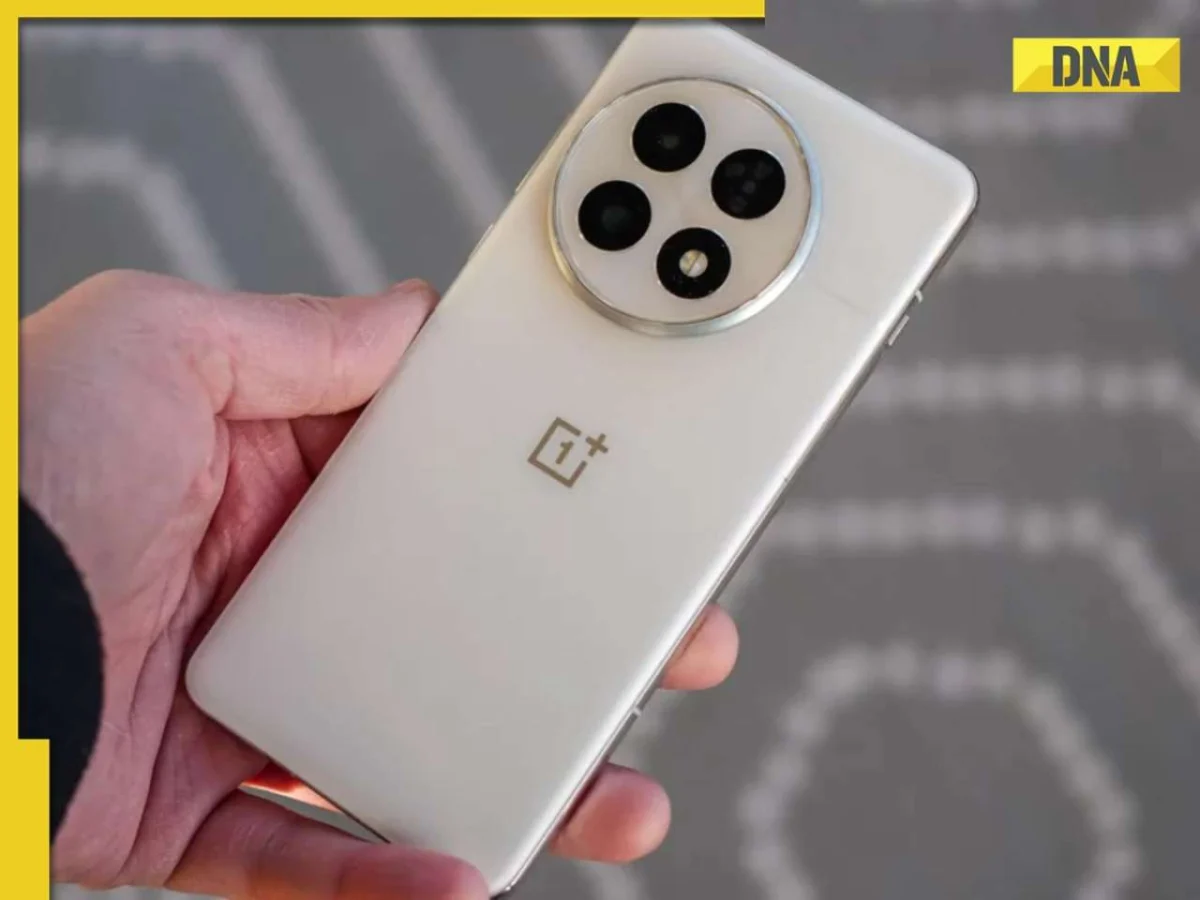
In a significant development that could reshape the global smartphone landscape, Chinese smartphone manufacturer OnePlus is reportedly initiating a strategic pivot, dramatically scaling back its operations in several international markets to concentrate its resources primarily on India and its home base, China. This anticipated shift, fueled by a confluence of internal restructuring, leadership changes, and deepening integration with its parent company, Oppo, marks a critical juncture for a brand once celebrated for its "flagship killer" philosophy.
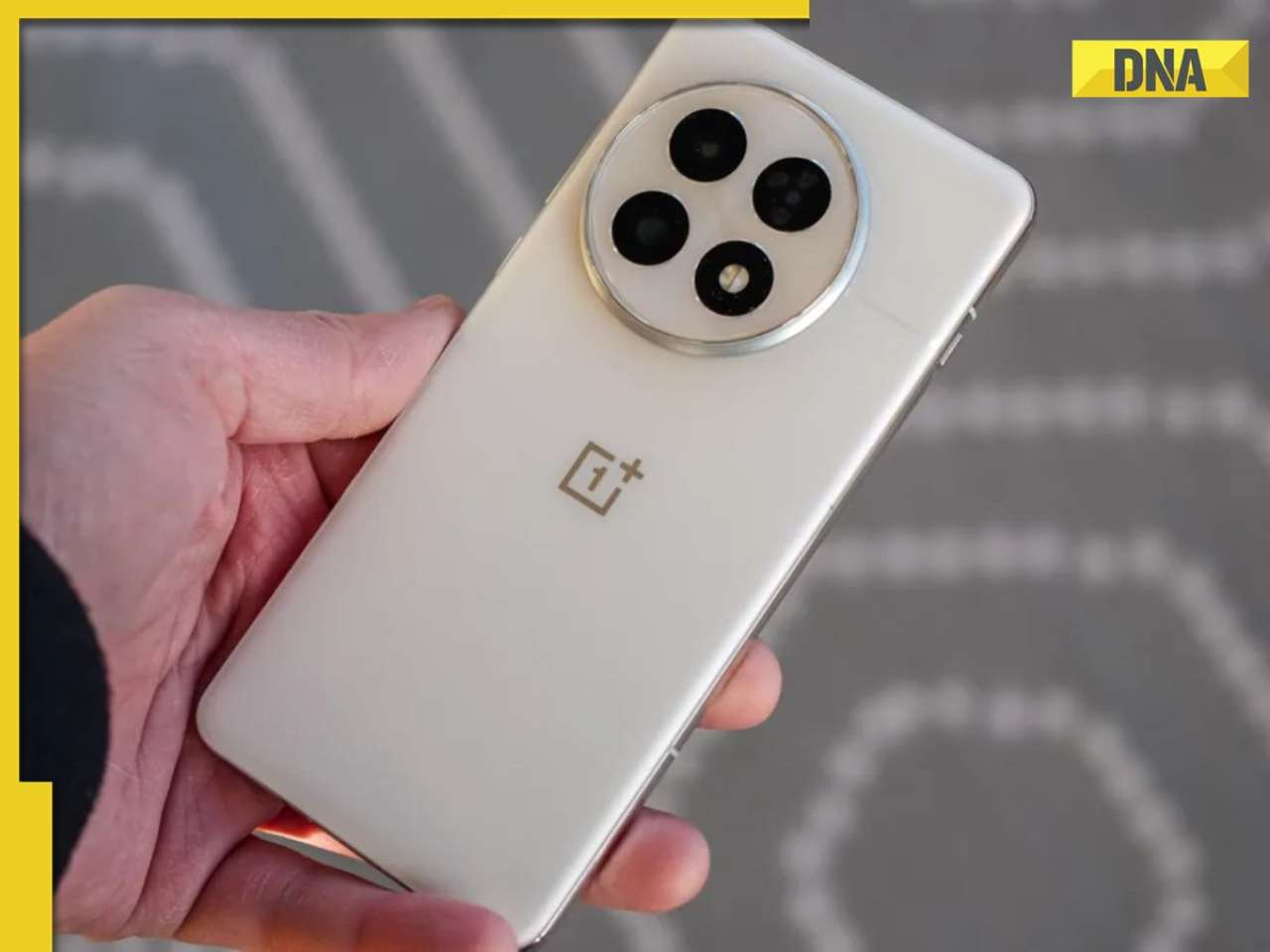
While an official confirmation from OnePlus or Oppo remains pending, industry insiders and various reports suggest that the brand’s global footprint, particularly in parts of Europe, could shrink considerably, with some operations potentially winding down as early as April 2026. This move signals a profound strategic realignment within the broader BBK Electronics conglomerate, impacting not only OnePlus’s future but also the competitive dynamics of the global smartphone market.
Main Facts: A Strategic Retreat and Reorientation
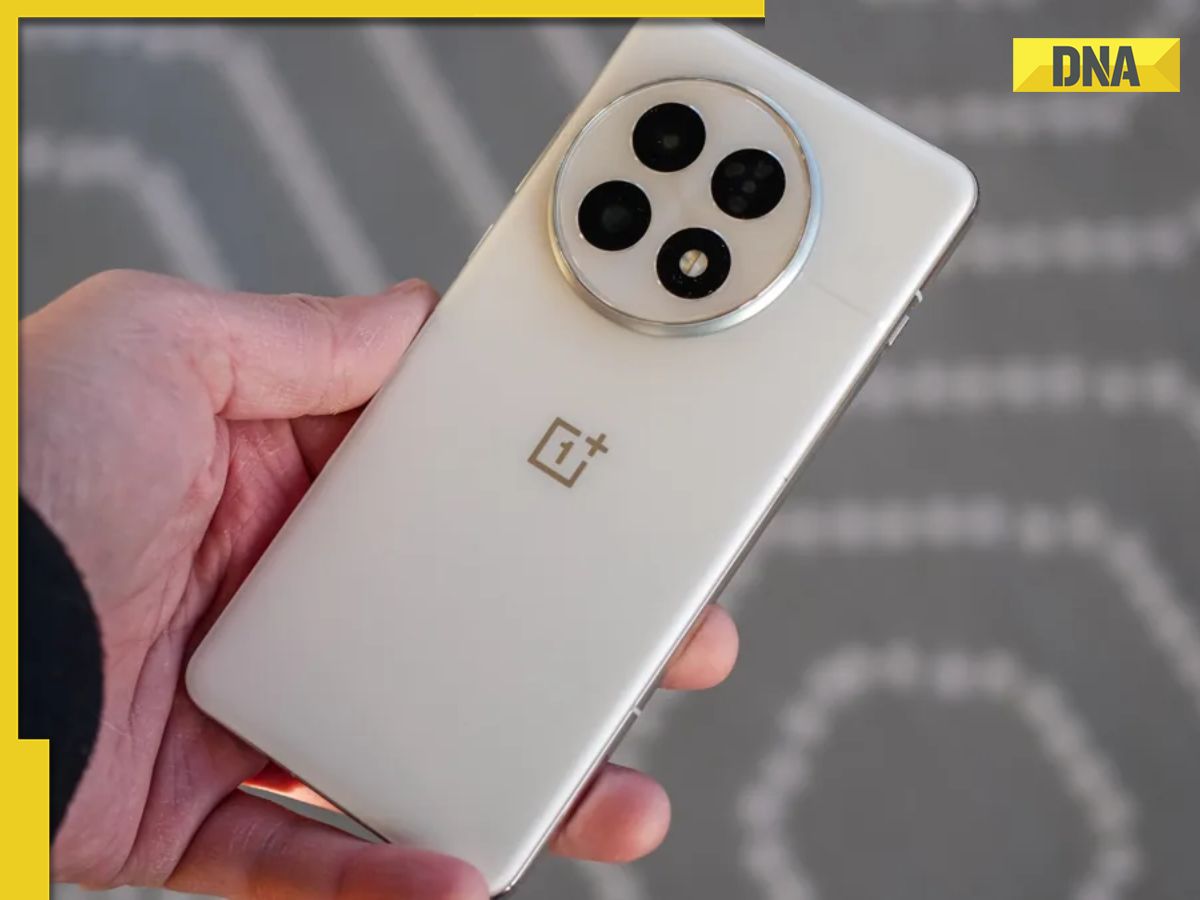
The core of the unfolding narrative revolves around OnePlus’s reported decision to narrow its global focus. After years of striving for international expansion, the company appears to be consolidating its efforts into two key strategic markets: India and China. This reorientation is not merely a tactical adjustment but seems to be a fundamental shift driven by a series of internal and external pressures.
)
Reports indicate that employees in certain non-core regions have already been apprised of impending closures, with some receiving severance packages, underscoring the seriousness and immediacy of the situation. Further substantiating these claims is the reported departure of Robin Liu, the CEO of OnePlus India, who is said to have returned to China. Such high-level executive movements are often precursors to significant corporate restructuring.
The overarching theme is a pronounced push towards closer integration with Oppo, a process that has been steadily accelerating over the past few years. This strategic consolidation aims to streamline operations, optimize resource allocation, and present a more unified front under the BBK Electronics umbrella, which also includes brands like Vivo and Realme. The reported scaling back suggests that OnePlus’s independent global ambitions are being re-evaluated within the context of this larger corporate synergy.

Chronology: The Evolution of a "Flagship Killer"
To fully appreciate the gravity of OnePlus’s reported strategic shift, it’s essential to trace its journey from a disruptive newcomer to a prominent player in the global smartphone arena.
2013-2015: The Rise of the "Flagship Killer"
OnePlus was co-founded by Pete Lau (former Oppo Vice President) and Carl Pei in December 2013, with the ambitious goal of creating premium smartphones at competitive prices, challenging established giants like Samsung and Apple. Its "Never Settle" mantra resonated deeply with tech enthusiasts. The OnePlus One, launched in 2014, became an instant sensation, offering high-end specifications at a mid-range price, primarily through an invite-only system that generated immense hype and exclusivity. This early success established OnePlus as a brand with a strong community focus and a clear value proposition.
)
2016-2019: Global Expansion and Mainstream Appeal
Building on its initial momentum, OnePlus steadily expanded its global presence, entering new markets and forging partnerships with carriers. Devices like the OnePlus 3/3T, 5/5T, and 6/6T solidified its reputation for delivering powerful performance, clean software (OxygenOS), and rapid charging technology (Dash Charge, later Warp Charge). The brand cultivated a loyal user base, particularly in Western markets and India, where its premium-yet-affordable positioning struck a chord.
2020: A Pivotal Year – Carl Pei’s Departure and Initial Integration Signals
The year 2020 marked a turning point. In October, co-founder Carl Pei announced his departure from OnePlus to found his new venture, Nothing. His exit signaled the beginning of a new era for OnePlus, one increasingly characterized by closer ties to Oppo. Shortly after, Pete Lau, the other co-founder and CEO, assumed additional responsibilities at Oppo’s product strategy committee, further blurring the lines between the two brands. This period saw the initial sharing of R&D resources, supply chains, and even aspects of software development.
)
2021-2023: Deepening Synergy and Brand Consolidation
The integration between OnePlus and Oppo intensified significantly. In June 2021, OnePlus officially announced a merger with Oppo, stating that it would become an independent brand under Oppo’s corporate structure. This move led to the unification of their R&D teams, the sharing of ColorOS (Oppo’s Android skin) as a base for OxygenOS (though OnePlus maintained its distinct UI elements), and more aligned product strategies. While presented as a move to optimize efficiency and enhance product offerings, it also raised questions about OnePlus’s long-term independence and unique identity. During this period, OnePlus continued to launch devices globally, but their distinctiveness from Oppo’s offerings began to diminish.
Late 2023 – Early 2024: Mounting Speculation and Executive Shifts
Speculation about a global pullback began to circulate more widely in late 2023, fueled by subtle shifts in marketing strategies, product launches, and regional team adjustments. The reported departure of Robin Liu, CEO of OnePlus India, further intensified these rumors, as did anecdotal evidence from employees in various markets concerning potential restructuring and severance packages. The most recent reports now point to a concrete timeline, with the wind-down of operations in certain European markets possibly commencing by April 2026. This timeline provides a clearer, albeit unofficial, indication of the company’s strategic trajectory.
)
Supporting Data: Market Realities and Corporate Strategy
The reported strategic shift by OnePlus is not an isolated event but rather a response to a complex interplay of global market dynamics, internal corporate strategies, and the evolving competitive landscape.
Global Smartphone Market Pressures:
The smartphone industry has been grappling with significant headwinds in recent years.
)
- Economic Slowdown: Global economic uncertainties have dampened consumer spending on non-essential items, including premium smartphones.
- Inflation and Production Costs: Rising raw material costs, component shortages (e.g., semiconductors), and increased manufacturing expenses have squeezed profit margins for manufacturers.
- Supply Chain Disruptions: Geopolitical tensions and global events have continued to disrupt supply chains, making it challenging to maintain consistent production and distribution.
- Market Saturation: In many developed markets, smartphone penetration is already high, leading to longer upgrade cycles and slower growth. Innovation has also plateaued, making it harder to differentiate products significantly.
Chinese manufacturers, in particular, face additional challenges, including intense domestic competition, fluctuating currency exchange rates, and sometimes, geopolitical scrutiny in international markets. Navigating these tighter margins requires immense efficiency and strategic focus.
The BBK Electronics Conglomerate Strategy:
OnePlus operates under the vast umbrella of BBK Electronics, a Chinese multinational conglomerate that also owns Oppo, Vivo, Realme, and iQOO. This corporate structure often involves a strategy of market segmentation and brand consolidation.
)
- Market Segmentation: Each brand traditionally targeted different consumer segments (e.g., Vivo and Oppo for broader appeal, Realme for budget, OnePlus for performance enthusiasts). However, as brands matured, their offerings often overlapped, leading to internal competition.
- Resource Optimization: Consolidating brands and operations allows for the pooling of R&D, manufacturing capabilities, and supply chain management. This can lead to economies of scale, reduced redundancy, and faster time-to-market for new technologies.
- Streamlined Global Footprint: Maintaining separate, fully independent global operations for multiple brands from the same parent company can be inefficient and costly. A strategic decision to focus flagship brands (like Oppo itself) in certain regions while re-aligning others (like OnePlus) can optimize global impact.
OnePlus’s Evolving Niche and Oppo’s Ascendancy:
OnePlus initially carved out a unique niche by offering a near-stock Android experience, high-end specs, and a strong community focus. However, as it grew, it began to move upmarket, and its software experience evolved, sometimes clashing with its early identity.
- Software Convergence: The integration of OxygenOS with Oppo’s ColorOS base, while aimed at efficiency, alienated some long-time OnePlus users who valued the brand’s distinct software philosophy.
- Product Overlap: Increasingly, OnePlus phones began to share hardware platforms and design language with Oppo devices, making it harder for OnePlus to stand out as a truly distinct entity.
- Hasselblad Partnership Shift: A stark illustration of this strategic shift is the recent cessation of OnePlus’s high-profile camera partnership with Hasselblad for its latest devices. This collaboration was a key selling point, lending credibility to OnePlus’s camera capabilities. However, Oppo continues to leverage the Hasselblad partnership in its own flagship lineup. This divergence strongly suggests that premium features and marketing investments are being prioritized for Oppo’s primary brand, with OnePlus potentially receiving fewer resources for such high-profile collaborations.
The Importance of India and China:
The reported focus on India and China is strategically sound:
)
- India: It is the second-largest smartphone market globally, characterized by rapid growth, a young population, and increasing disposable income. OnePlus has built a strong brand presence and loyal customer base in India, particularly in the premium segment. It’s a market where the brand still resonates strongly and has significant growth potential.
- China: As the world’s largest smartphone market and Oppo’s home turf, China is critical for volume and showcasing technological prowess. Consolidating efforts here allows for direct control over product development and marketing, catering specifically to domestic consumer preferences.
By concentrating on these two massive and high-growth markets, BBK Electronics can potentially maximize its return on investment for the OnePlus brand, leveraging existing infrastructure and brand recognition.
Official Responses: A Conspicuous Silence
As of the current reports, there has been a conspicuous lack of official statements from either OnePlus or its parent company, Oppo, directly addressing the claims of a global operations rollback. The information circulating in the media is largely attributed to "industry sources" and "reports," leaving a significant void in official communication.
)
This silence, while not uncommon in the early stages of major corporate restructuring, contributes to uncertainty among consumers, partners, and employees. In the past, OnePlus has often engaged directly with its community, providing assurances regarding product support and service commitments. However, the current situation, with reports detailing employee severance packages and executive departures, presents a different challenge to that historical transparency.
The absence of an official confirmation means that while the industry is abuzz with speculation, the definitive scope and timeline of the reported changes remain unverified by the company itself. This non-response, however, can be interpreted in several ways:
)
- Strategic Discretion: Companies often refrain from public announcements until all internal processes are finalized and legal obligations are met, especially concerning employee transitions.
- Avoiding Premature Panic: An early announcement could trigger premature panic among consumers or negatively impact sales in regions still under review.
- Negotiation Phase: The company might still be in negotiation phases with various regional partners, distributors, or regulators, and an official statement could complicate these discussions.
Despite the silence, the volume and consistency of the reports, combined with observable actions like executive shifts and the apparent reallocation of partnership resources (e.g., Hasselblad), lend significant weight to the narrative of an impending strategic overhaul. For consumers and stakeholders outside India and China, the lack of an official response only heightens the anxiety surrounding the future availability of OnePlus products and long-term support.
Implications: The Future Unfolds
The reported strategic shift by OnePlus carries profound implications for the brand itself, its global user base, the broader smartphone market, and the overarching strategy of BBK Electronics.
)
For OnePlus as a Brand:
- Loss of Independent Identity: The core implication is a potential dilution, if not outright loss, of OnePlus’s distinct identity as an independent global player. Once a disruptor with a cult following, it risks becoming more of a regional sub-brand or a specialized product line within Oppo’s larger portfolio.
- Innovation and Product Strategy: While focusing resources might lead to more tailored and competitive products in India and China, it could stifle the global innovation drive that once characterized OnePlus. Will new technologies or design philosophies developed for these specific markets resonate elsewhere, or will OnePlus become increasingly niche?
- "Never Settle" to "Never Mind"? The brand’s original ethos of "Never Settle" for compromises in performance or user experience might evolve. The focus could shift from pushing boundaries globally to optimizing for specific market demands, potentially sacrificing some of its unique appeal.
For Consumers:
)
- Outside India and China: This is where the most significant impact will be felt.
- Device Availability: Future OnePlus devices may become scarce or unavailable in many international markets, forcing loyal users to switch brands.
- Software Updates and Support: Questions linger about the long-term commitment to software updates, security patches, and after-sales service for existing devices in regions where operations are scaled back. While companies typically promise extended support, the practical execution can be challenging without dedicated regional teams.
- Community Services: OnePlus built a strong community. The reduction of global operations could lead to the dissolution of regional community forums, events, and localized support, diminishing the brand’s unique connection with its users.
- In India and China: Users in these focused markets might actually benefit from a more concentrated effort, potentially receiving faster updates, more localized features, and a stronger product lineup tailored to their preferences. However, even here, the brand’s unique global flavor might diminish.
For the Smartphone Market:
- Increased Competition in Premium Segment: The potential withdrawal of OnePlus from certain global markets could leave a void, particularly in the "affordable premium" segment it once dominated. This could open opportunities for other brands, or simply consolidate market share among existing giants like Samsung and Apple, particularly in the higher tiers.
- Consolidation Trend Continues: This move underscores a broader industry trend of consolidation. As market conditions become tougher, companies are prioritizing efficiency and strategic focus, often at the expense of maintaining numerous distinct brands with overlapping offerings.
- Impact on Android Ecosystem: While not a death knell, a less globally diverse Android ecosystem, with fewer unique voices like the original OnePlus, could lead to less innovation and differentiation, potentially making the market more homogenous.
For Oppo and BBK Electronics:
)
- Streamlined Global Strategy: This move allows Oppo to streamline its global strategy, focusing its primary brand (Oppo) on broader international expansion and premium positioning, while OnePlus serves as a more specialized vehicle in key strategic markets.
- Resource Efficiency: Consolidating resources and avoiding redundant efforts across multiple brands will undoubtedly lead to greater operational efficiency and potentially improved profitability for the conglomerate.
- Clarified Brand Hierarchy: It establishes a clearer hierarchy within the BBK portfolio, positioning Oppo as the flagship global brand and OnePlus as a robust, but more regionally focused, premium sub-brand.
Comparison to Realme:
The article mentions Realme, another brand under Oppo’s umbrella. Realme initially gained traction by offering aggressive pricing and trendy designs, particularly in emerging markets. While Realme has maintained a global presence, its strategy has also evolved to align more closely with the broader BBK ecosystem. The situation with OnePlus might mirror Realme’s trajectory in terms of deeper integration and strategic alignment, but with the added layer of OnePlus’s historical premium positioning and unique brand identity. OnePlus’s transformation could serve as a blueprint for how conglomerates manage their diverse brand portfolios in a challenging global market, prioritizing efficiency and concentrated impact over sprawling, independent operations.
In conclusion, the reported strategic pivot by OnePlus represents a significant moment for the brand and the wider smartphone industry. While the "Never Settle" spirit may continue to drive innovation in its core markets, the global community that once championed OnePlus now faces an uncertain future, as the brand redefines its place within the intricate tapestry of the BBK Electronics empire. The coming months, and an eventual official statement, will undoubtedly shed more light on the definitive path OnePlus intends to forge.
