

Last Updated: May 27, 2026, 16:17 IST
For years, India’s burgeoning craft beer movement drew heavily from established European brewing traditions, with Belgian ales, German lagers, and various wheat beers dominating taprooms across the country. Enthusiastic brewers and discerning patrons alike celebrated these global styles, eager to replicate and reinterpret them for the Indian palate. However, a significant paradigm shift is now underway, signaling a profound evolution in the nation’s brewing landscape. Craft breweries are increasingly turning inward, embracing India’s rich agricultural heritage by incorporating indigenous grains, regional flavors, and traditional forest ingredients into their innovative brews. From the earthy notes of ragi-infused lagers in Bengaluru to crisp jowar beers in Delhi and exotic mahua ales across western India, the craft beer scene is experiencing a distinctly "desi" transformation, driven by a growing appreciation for local produce and a powerful national millet revival.
This exciting pivot marks a maturation of the Indian craft beer industry, moving beyond mere imitation to genuine innovation rooted in local identity. It’s a testament to the creativity of brewers who are not only seeking novel flavor profiles but also aligning their practices with broader national goals of sustainability, agricultural support, and the promotion of India’s forgotten superfoods.

The Millet Momentum: A National Revival Fuels Brewing Innovation
The timing of this shift is no coincidence. Millets, once relegated to the status of "poor people’s grains" and largely supplanted by polished rice and refined wheat in urban households, are now experiencing a monumental resurgence across India. This revival has been significantly propelled by the United Nations-backed International Year of Millets (IYM) in 2023, an initiative championed vigorously by India itself. The IYM 2023 served as a global platform to raise awareness about the nutritional and ecological benefits of millets, effectively rebranding them as "nutri-cereals" and positioning them at the forefront of discussions around health, food security, and sustainable agriculture.
This government-backed mission, coupled with widespread media campaigns and increasing consumer awareness, has fundamentally altered public perception. Millets are no longer just a humble staple but a symbol of healthy living, environmental consciousness, and a return to India’s culinary roots. Craft brewers, ever sensitive to consumer trends and cultural currents, have keenly observed this shift and are now strategically tapping into this momentum, positioning millet beers as a more local, experimental, and environmentally conscious alternative within India’s rapidly evolving alcohol market.
Bengaluru: The Epicentre of Millet Beer Experimentation
Among India’s major craft beer hubs, Bengaluru, often dubbed the "Silicon Valley of India" and a pioneer in its craft beer scene, has emerged as the undisputed leader in experimenting with indigenous grain-based beers. The city’s innovative spirit, combined with a discerning consumer base open to new experiences, has created fertile ground for these unique brews to flourish.
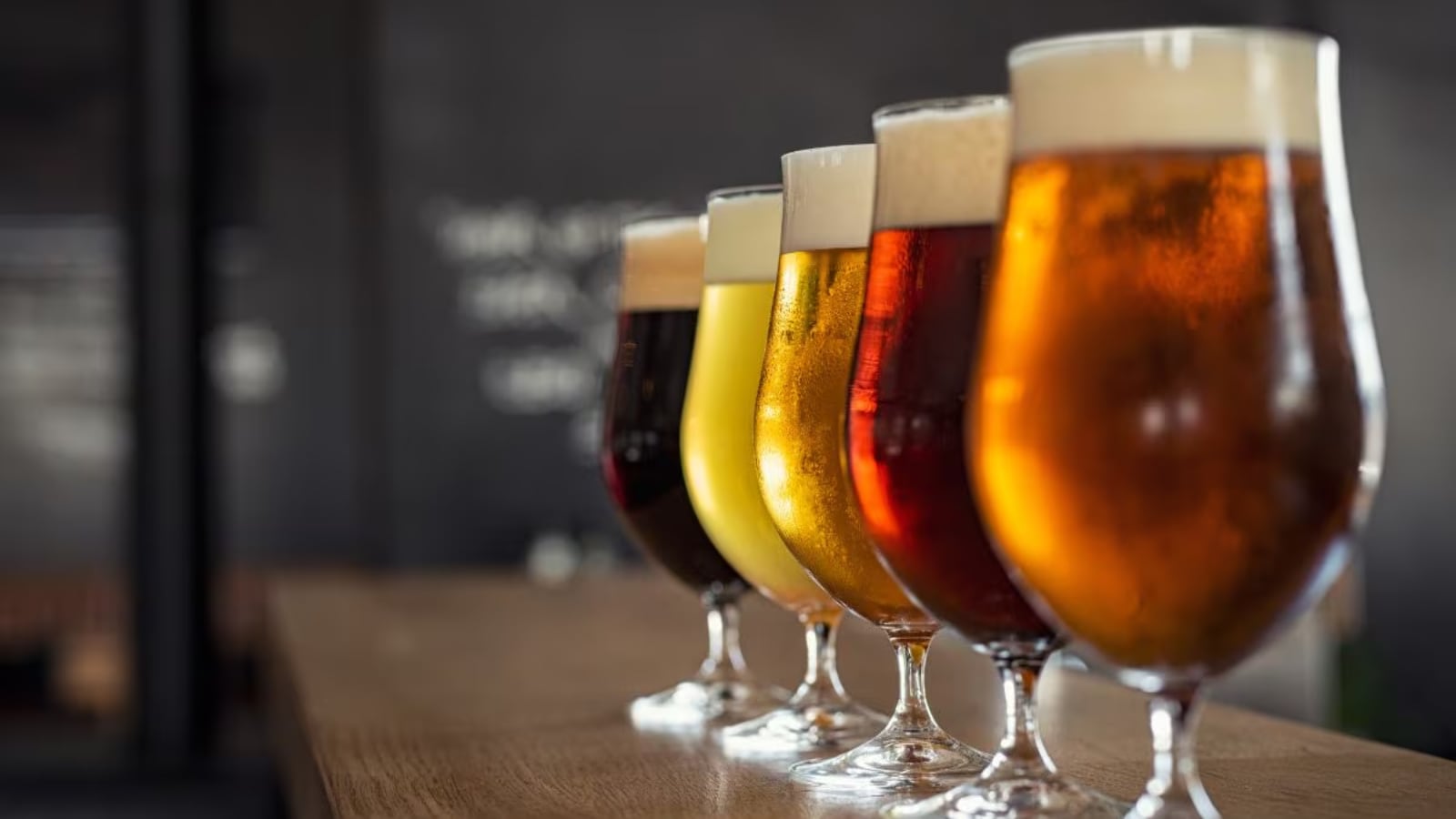
One of the most prominent examples is Toit Brewpub, a household name in the Indian craft beer circuit. Toit has successfully brewed a ragi-based beer aptly named ‘Namma Beeru’ (meaning "Our Beer" in Kannada), crafted using locally sourced Karnataka finger millet. This brew not only celebrates local ingredients but also offers a distinct taste profile that resonates with regional identity. Beyond this specific creation, Toit has also introduced ‘Banger Lager,’ a Bohemian-style millet lager that has transitioned from a seasonal special to a regular offering. Its popularity has transcended Bengaluru, making it available at Toit outlets in Mumbai and Pune, indicating a broader appeal for millet-infused lagers.
Another prominent player, Arbor Brewing Company, has ventured into even more unconventional territory with its ‘Mahua Dubbel.’ This intriguing 8% Belgian-style strong ale is brewed using mahua flowers, a traditional forest ingredient with deep cultural significance in many tribal communities across central and western India. The Mahua Dubbel artfully blends the rich, malty profile characteristic of a traditional Dubbel with the unique earthy, slightly fermented, and subtly sweet notes associated with mahua. This daring combination showcases the immense potential of indigenous ingredients to create truly distinctive and complex beers.
Other Bengaluru breweries, including The Biere Club and Byg Brewski, have also actively engaged in this movement, experimenting with various ragi ales and other regional grain-based brews, each contributing to the rich tapestry of India’s emerging millet beer landscape. Their explorations are not just about novelty; they are about carving out a unique identity for Indian craft beer that is both globally competitive and deeply rooted in local heritage.
Expanding Horizons: Delhi, Pune, and Mumbai Join the Fray
The millet beer trend is not confined to Bengaluru; it’s steadily spreading its roots across other major urban centers, demonstrating a national embrace of this innovative brewing philosophy.
In Delhi’s rapidly growing craft beer market, Fort City Brewing has made a significant mark with its pioneering jowar lager. This brew ingeniously replaces nearly 40% of the traditional barley malt with sorghum (jowar). Brewers at Fort City highlight that the use of jowar not only imparts a distinct and appealing flavor profile but also significantly lowers the gluten content compared to conventional barley-heavy beers, appealing to a health-conscious segment of consumers. Experts in the field believe that sorghum-based brewing holds immense commercial promise, primarily because jowar is considerably cheaper, more drought-resistant, and significantly more environmentally sustainable than often-imported barley malt. This makes it an attractive proposition for brewers looking to optimize costs and enhance their sustainability credentials.
The movement has also taken firm root in western India. Breweries in Pune have enthusiastically experimented with bajra-based craft beers, known for their rustic and robust character. Simultaneously, millet lagers and various ragi beers are increasingly making appearances on seasonal tap menus in Mumbai and Pune brewpubs, catering to an expanding audience eager for novel and local flavors. Industry insiders, however, note that many of these innovative beers are currently released as limited seasonal batches or rotating taps rather than permanent menu items. This means that availability often changes from brewery to brewery, creating a dynamic and exciting, albeit sometimes elusive, experience for consumers. This seasonality allows brewers to experiment widely and gauge consumer response before committing to a permanent addition to their core offerings.
Why Brewers Are Turning to Millets: A Confluence of Factors
The enthusiastic shift towards millets in craft brewing is being driven by a complex interplay of flavour experimentation, a growing commitment to sustainability, evolving consumer preferences, and economic advantages.
1. Flavour Innovation and Authenticity: For a craft beer industry that initially thrived on replicating international styles, the quest for unique, authentically Indian flavor profiles has become paramount. Millets offer a diverse palette of tastes and aromas that are distinctly different from wheat or barley. Ragi, for instance, can impart earthy, nutty, and slightly malty notes. Jowar often contributes a crisp, light body and a subtle sweetness. Mahua flowers bring a unique floral, fruity, and sometimes slightly smoky character. This allows brewers to craft truly indigenous beers that tell a story of their origin, appealing to consumers seeking genuine local experiences.
2. Sustainability and Local Sourcing: Environmental consciousness and ethical sourcing are becoming increasingly important for both producers and consumers. Millets such as ragi, jowar, and bajra are remarkably resilient crops, requiring less water and thriving in diverse climatic conditions, making them a sustainable choice for brewing. Unlike imported barley malt, which incurs significant carbon footprints and is subject to international price fluctuations, millets are easier and more reliable to source domestically. This supports local farming communities, strengthens local supply chains, and reduces the industry’s reliance on imports. Shivkumar Eashwaran, Chairman of the Indian Chamber of Commerce, has publicly advocated for breweries to increasingly source grains, fruits, and other agricultural produce from Indian farmers, emphasizing its role in bolstering local supply chains and rural livelihoods. This sentiment perfectly encapsulates the "farm-to-pint" ethos that many craft brewers are now embracing.

3. Changing Consumer Preferences: The Gen Z Factor: A significant driver behind this trend is the evolving palate and values of younger demographics, particularly Gen Z consumers. This generation is characterized by a strong inclination towards hyperlocal ingredients, authentic narratives, and products with a distinct cultural identity. They are often more adventurous in their choices, actively seeking out unique experiences and products that align with their values of sustainability and social responsibility. Millet beers, with their story of local provenance, health-conscious appeal (lower gluten), and environmental benefits, resonate deeply with these modern consumer sensibilities. They offer a refreshing alternative to mainstream options, appealing to a segment that values innovation and ethical consumption.
4. Economic Viability and Cost Reduction: Beyond flavor and ethics, there’s a compelling economic argument for millets. Imported malts can be a significant cost for brewers, often ranging from Rs 80 to Rs 120 per kilogram, depending on type and market conditions. In stark contrast, millets like sorghum (jowar) are available at a fraction of that cost, roughly Rs 20 to Rs 40 per kilogram. This substantial cost difference, as noted by researchers at the Indian Institute of Millets Research, could significantly reduce production costs for breweries, making millet beers a more commercially viable and scalable option in the long run. This not only benefits the brewers but also allows for more competitive pricing, potentially making craft beer accessible to a wider audience.
Are Millet Beers Healthier Than Traditional Beer? Unpacking the Nutritional Claims
While the excitement around millet beers is palpable, experts caution that, like all alcoholic beverages, they should not be considered a "health drink." Millet beer is still alcoholic and should be consumed responsibly. However, compared to standard wheat or barley beers, some notable nutritional differences do exist, making them an interesting proposition for certain consumers.

One of the most significant advantages is the lower gluten content. According to Ashok Kumar Are, Principal Scientist (Sorghum) at the Indian Council of Agricultural Research, jowar is naturally gluten-free, making it an excellent base for producing both alcoholic and non-alcoholic beverages suitable for individuals with gluten sensitivities or celiac disease. While not all millets are completely gluten-free (some contain prolamins, a type of gluten protein, though generally in lower amounts than wheat or barley), they offer a significantly reduced gluten load, which is a major draw for a growing segment of the population.
Beyond gluten, millets boast a range of nutritional benefits. Ragi (finger millet), for example, is widely recognized for its exceptionally high calcium content, crucial for bone health. Other millets like jowar and bajra are rich in dietary fiber, protein, and essential micronutrients such as iron, magnesium, and phosphorus. Nutritionist Dt. Trishala Goswami aptly describes millets as representing "a return to what Indian agriculture and Indian bodies were designed for," adding that modern science is now validating what traditional Indian diets had long understood.
Furthermore, the fermentation process itself can enhance the nutritional profile. A peer-reviewed 2025 study on fermented millet beverages highlighted that millet fermentation can improve nutrient absorption, aid digestion, and even introduce probiotic benefits dueulating from the beneficial microorganisms involved in the brewing process. These factors contribute to the perception of millet beers as a "better-for-you" alternative, even if they aren’t strictly health drinks.
The Brewing Process: Challenges and Innovations
Brewing with millets is not without its unique challenges. Unlike barley, which is rich in enzymes crucial for converting starches into fermentable sugars, many millets have lower diastatic power. This means brewers often need to employ exogenous enzymes or incorporate a percentage of malted barley (unless aiming for a fully gluten-free product) to achieve efficient conversion. Millet grains also have different husk characteristics and gelatinization temperatures, requiring adjustments to mash schedules and lautering processes to prevent stuck mashes and ensure clear wort.
Pioneers like Great State Aleworks, among the early experimenters with millet beer in India, faced these technical hurdles head-on. They described their first millet brew as lighter in body and flavor with mild carbonation, noting that while the brewing process can be successfully managed, the resulting taste profile is distinctly different from mainstream wheat or barley beers and may not appeal to every traditional beer drinker. This highlights the need for consumer education and an openness to new sensory experiences.
The Broader Implications: A Cultural and Agricultural Renaissance
The growing popularity of millet beer is far more than just a fleeting trend in the beverage industry; it reflects a deeper cultural and agricultural renaissance underway in India. For decades, the Green Revolution prioritized high-yielding varieties of rice and wheat, inadvertently pushing millets to the sidelines. They were often viewed as inferior, less palatable, or "poor people’s food," leading to a decline in their cultivation and consumption.
However, the tide has turned dramatically. The government-backed millet mission, coupled with India’s successful campaign for the UN’s International Year of Millets, has played a pivotal role in re-elevating these traditional grains into mainstream conversations. They are now celebrated for their hardiness, nutritional density, and ecological benefits, becoming symbols of food security, sustainable farming, and healthy eating.
Craft breweries are not merely capitalizing on this trend; they are actively participating in and reinforcing it. By transforming these humble grains into sophisticated, sought-after beverages, they are not only creating new market opportunities but also contributing to the destigmatization and valorization of millets. This integration into a modern, aspirational product like craft beer helps millets shed their outdated image and secure their place in contemporary Indian culture.
Looking Ahead: The Future of Desi Brews
The journey for millet beers is still in its nascent stages, but the trajectory is promising. As more brewers refine their techniques, innovate with different millet varieties, and educate consumers about the unique characteristics of these brews, their presence is likely to grow from seasonal specials to permanent fixtures on tap lists.

The economic advantages, coupled with the environmental and health benefits, present a compelling case for the long-term viability of millet-based brewing. It signifies a coming-of-age for India’s craft beer scene – a movement that is now confidently forging its own identity, drawing inspiration from its land, its traditions, and its people. This is not just about a new type of beer; it’s about a flavorful fusion of tradition and modernity, brewing innovation, and a sustainable future, one desi pint at a time. The shift from European-inspired brews to genuinely Indian concoctions marks an exciting new chapter, promising a diverse and distinctly Indian craft beer experience for years to come.
