

New Delhi | May 29, 2026 03:00 PM IST
In a candid disclosure that has resonated with many, former Video Jockey and popular vlogger Shenaz Treasury has opened up about a recent health challenge that has left her perplexed and seeking answers. The 44-year-old television personality took to her Instagram Stories to share a deeply personal health update, revealing a diagnosis of Hashimoto’s thyroiditis, an autoimmune condition that has been contributing to unexplained weight gain despite her consistent efforts to maintain a healthy lifestyle. Treasury’s brave sharing of her experience is not only a personal revelation but also serves as a crucial public service announcement, drawing attention to a prevalent yet often misunderstood health issue.
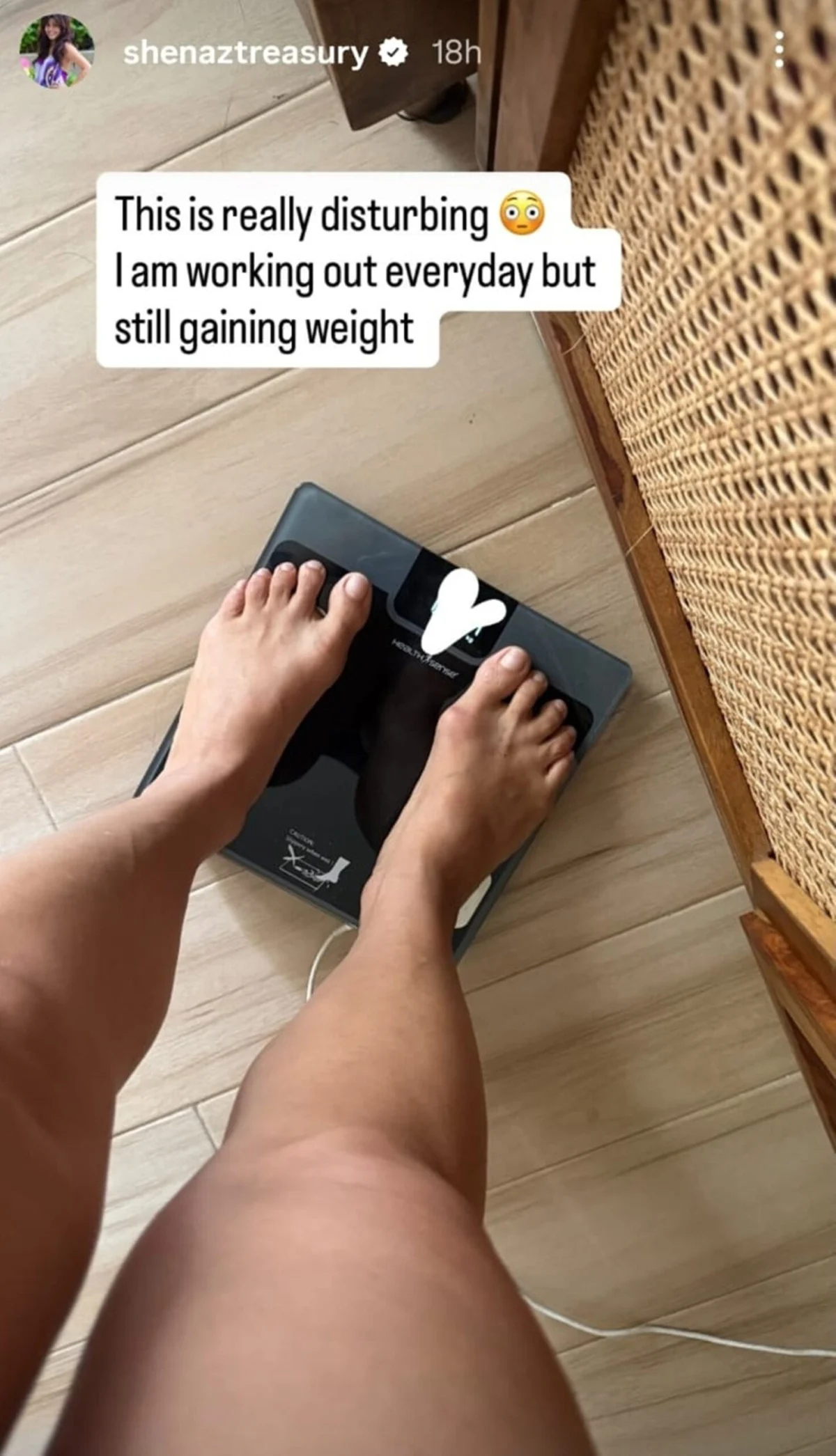
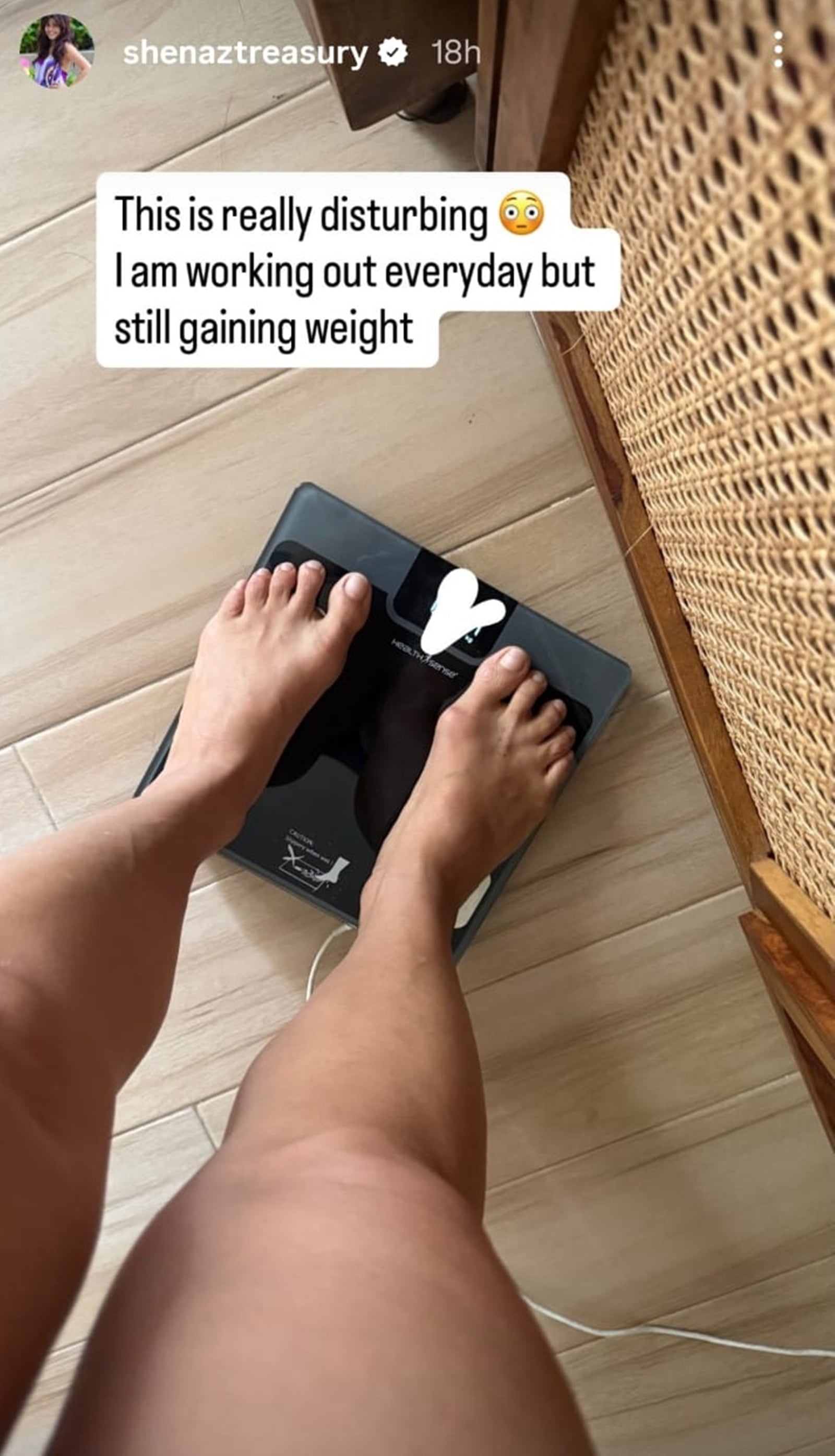
Treasury’s initial post, accompanied by an image of a weighing scale, conveyed her distress: "This is really disturbing. I am working out every day but still gaining weight." This statement, relatable to countless individuals who struggle with fluctuating weight despite dedicated exercise regimes, immediately captured public attention. She further elaborated, "My blood tests say I have developed Autoimmune thyroid, aka Hashimoto’s thyroiditis (sounds fancy, it’s not)." This direct and unpretentious explanation has demystified the condition for many of her followers.
Understanding Hashimoto’s Thyroiditis: An Autoimmune Enigma
To provide a clearer understanding of Treasury’s diagnosis, we consulted Dr. Archana S., a distinguished Consultant ENT Surgeon at KIMS Hospitals, Thane. Dr. Archana explained that Hashimoto’s thyroiditis is fundamentally an autoimmune disorder. In this condition, the body’s own immune system, which is designed to protect the body from foreign invaders like bacteria and viruses, mistakenly identifies the thyroid gland as a threat. Consequently, it launches an attack on the thyroid, leading to inflammation and progressive damage.
"Over time," Dr. Archana elaborated, "this persistent assault compromises the thyroid gland’s ability to produce adequate amounts of thyroid hormones. These hormones are absolutely critical for regulating the body’s metabolism – the complex process by which the body converts food and drink into energy. When the levels of these vital thyroid hormones drop, the body’s metabolic rate slows down significantly." This decreased metabolic efficiency means the body burns calories at a much slower pace.
The consequences of this hormonal imbalance can be far-reaching and often manifest in ways that are initially baffling. "This can lead to unexplained weight gain," Dr. Archana confirmed, "even in individuals who are diligently exercising every day and maintaining a healthy, balanced diet. Other common symptoms include persistent fatigue, a feeling of sluggishness, water retention, and a general sense of unwellness." Treasury’s experience perfectly encapsulates these typical manifestations, highlighting the insidious nature of the disease.

The Role of ENT Specialists in Thyroid Health
The thyroid gland, a small, butterfly-shaped gland located at the base of the neck, plays a pivotal role in numerous bodily functions. Its strategic position makes it an area of significant interest for Ear, Nose, and Throat (ENT) specialists. Patients often seek the expertise of ENT clinics when they notice changes in their neck region, such as swelling, discomfort, or a visible enlargement of the thyroid.
"ENT specialists are often the first point of medical contact for individuals experiencing structural abnormalities or discomfort in the neck area," stated Dr. Archana. "We are trained to identify issues related to the thyroid gland, including visible lumps, changes in voice due to vocal cord involvement, or difficulties in swallowing. When a patient presents with such symptoms, or when there’s a suspicion of an underlying thyroid issue like Hashimoto’s, we are instrumental in recommending further investigations."
These investigations typically include diagnostic imaging such as ultrasounds to visualize the thyroid gland and assess its structure, as well as blood tests to measure thyroid hormone levels and thyroid antibodies. "Our role extends to coordinating care with endocrinologists, who are specialists in hormonal disorders," Dr. Archana added. "This collaborative approach ensures that patients receive comprehensive diagnosis and management for autoimmune thyroid diseases."
Weight Gain: An Early Indicator of Hashimoto’s?
The question of whether weight gain is an early sign of Hashimoto’s thyroiditis is a critical one for many who experience similar unexplained weight fluctuations. According to Dr. Archana, for a significant number of individuals, gradual weight gain is indeed one of the most noticeable and perplexing initial symptoms, especially when it occurs despite a commitment to an active lifestyle.
However, Dr. Archana cautioned that weight gain rarely occurs in isolation. It is often accompanied by a constellation of other, more subtle symptoms that can develop insidiously over time. "These can include persistent tiredness that sleep doesn’t seem to alleviate, increased hair loss, dry and brittle skin, bloating and digestive issues like constipation, a feeling of mental fogginess or ‘brain fog,’ a low mood or feelings of depression, and in women, irregular menstrual cycles," she explained. "A feeling of puffiness, particularly in the face and neck, is also a common observation."
The slow onset of these symptoms often leads individuals to dismiss them, attributing them to everyday stressors, lack of sleep, or minor lifestyle changes. This delay in seeking medical attention can sometimes prolong the diagnostic process. Treasury’s proactive approach in sharing her experience serves as a vital reminder for the public to pay attention to these subtle bodily signals and not to disregard them.
The Journey to Management and Recovery
The good news, as highlighted by Dr. Archana, is that Hashimoto’s thyroiditis is a manageable condition. With timely diagnosis and appropriate medical intervention, most individuals can effectively control their symptoms and lead fulfilling, normal lives. The cornerstone of management lies in addressing the hormonal imbalance.
"Treatment typically involves hormone replacement therapy," Dr. Archana explained. "This means prescribing synthetic thyroid hormones to supplement what the damaged thyroid gland can no longer produce in sufficient quantities. Regular monitoring through thyroid function tests is crucial to ensure that the hormone dosage is optimal and that thyroid hormone levels are maintained within the target range."
Beyond medication, lifestyle modifications play a supportive yet significant role in managing Hashimoto’s thyroiditis and promoting overall well-being. "Encouraging patients to prioritize sufficient sleep, adopt a balanced and nutritious diet, develop effective stress management techniques, and maintain a consistent level of physical activity are all integral components of a holistic management plan," Dr. Archana advised.
The overarching message from healthcare professionals, echoed by Shenaz Treasury’s personal journey, is clear: unexplained changes in body weight, especially when coupled with persistent fatigue, skin changes, mood disturbances, or any unusual neck-related symptoms, should not be ignored. Seeking prompt medical evaluation is paramount for accurate diagnosis and effective management of conditions like Hashimoto’s thyroiditis, allowing individuals to regain control of their health and well-being. Treasury’s courage in sharing her diagnosis has undoubtedly empowered many to seek similar clarity and support.
Disclaimer: This article is based on information from the public domain and/or the experts we spoke to. Always consult your health practitioner before starting any routine or making any decisions regarding your health.
