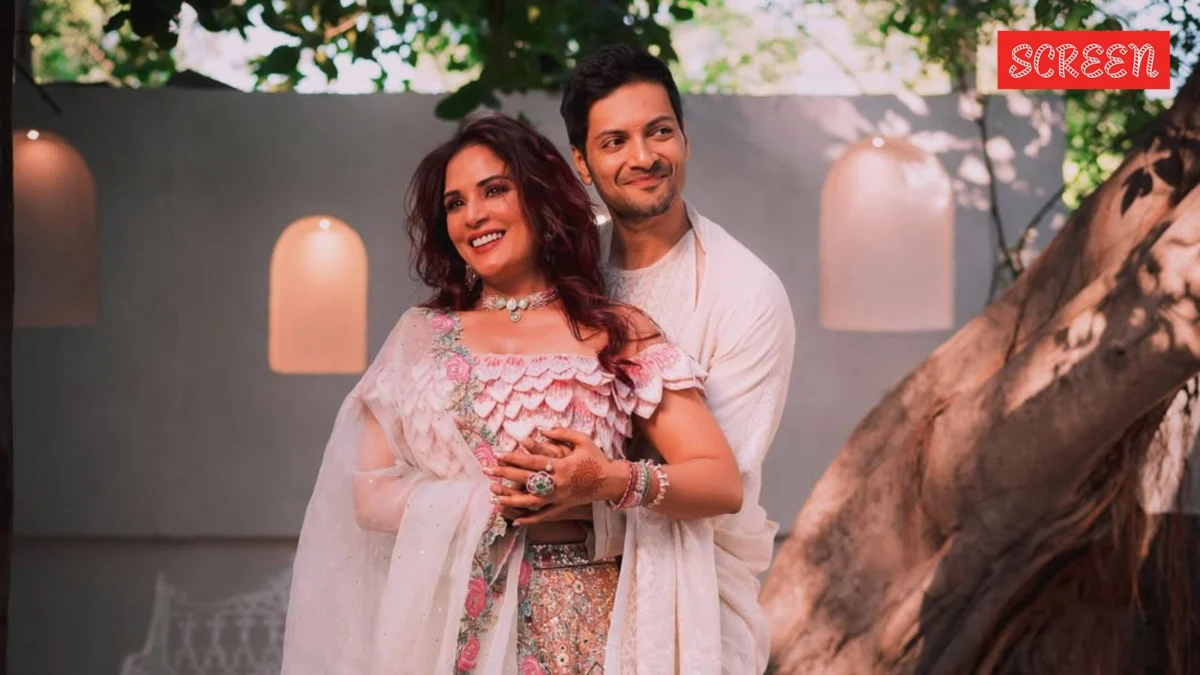
The cinematic love story of Bollywood actors Richa Chadha and Ali Fazal, which began on the sets of the 2013 film Fukrey, took an unexpected and dramatic turn in the face of the burgeoning COVID-19 pandemic. What was intended to be a meticulously planned, intimate registered marriage quickly transformed into a race against time, dictated by the abrupt imposition of a nationwide lockdown. Ali Fazal recently offered a candid glimpse into the chaotic circumstances surrounding their interfaith union on Shekhar Suman’s YouTube show, Shekhar Tonite, revealing how the pandemic’s swift advance irrevocably altered their wedding plans.
The Genesis of a Cinematic Romance
Richa Chadha and Ali Fazal’s professional paths first converged during the filming of the popular coming-of-age comedy Fukrey in 2013. It was on this set that the seeds of their enduring relationship were sown. While their on-screen chemistry was a significant draw for audiences, their off-screen connection blossomed over the subsequent years. The journey from colleagues to close friends and eventually life partners was a gradual and organic progression, culminating in their decision to formalize their union seven years after their initial meeting.
However, the narrative of their wedding day was far from the serene affair they had envisioned. The couple had carefully orchestrated their special day, aiming for a registered marriage that would allow their families to be present and celebrate their union. This plan, however, was soon to be tested by an unprecedented global event.
A Pandemic’s Unforeseen Interruption
"When we decided to get married, COVID was just beginning to spread," Ali Fazal recounted on Shekhar Tonite. "For a court marriage, you have to register a month in advance, and the notice is put up publicly. A journalist got hold of it, and reports about our marriage started circulating." This premature disclosure, while a minor hiccup in their grander plans, added a layer of urgency to their preparations.
The couple had meticulously chosen a date that would accommodate their loved ones. Yet, as the pandemic’s grip tightened across the globe, their carefully laid plans began to unravel. The impending threat of a lockdown loomed large, forcing them to re-evaluate their timeline.
The Eleventh-Hour Dash to the Altar
The pivotal moment arrived when the couple received an urgent and unexpected call from the court. "The court informed us that a lockdown would begin the next day and everything would shut down," Ali explained, his voice tinged with the memory of that surreal experience. "They told us, ‘If you want to get married, do it now.’ We were completely thrown off."
The sudden ultimatum plunged them into a frenzy of last-minute arrangements. Their designated witnesses, who lived at a considerable distance, needed to be contacted and mobilized with utmost haste. The simple act of witnessing a marriage suddenly became a logistical challenge of significant proportions.
"Our witnesses lived far away, and we were scrambling to arrange everything at the last minute," Ali recalled. The narrative that unfolded was one of hurried phone calls and frantic coordination. One friend, who was out on a date, was summoned along with his partner to serve as witnesses. Another was tasked with bringing a camera to capture the impromptu ceremony.
Amidst this whirlwind of activity, Ali himself found himself ill-prepared for the solemn occasion. "My assistant felt bad for me because I had nothing appropriate to wear. He somehow managed to get me a kurta, and that’s how we got married," he shared with a chuckle, highlighting the almost comical desperation of the situation. The image of the groom scrambling for attire moments before his wedding, a testament to the unprecedented circumstances, adds a poignant touch to their union’s inception.
The Shadow of Loss and Delayed Celebrations
While their registered marriage was an intimate and hurried affair, the couple had initially intended to host a larger, more traditional celebration shortly thereafter. However, fate intervened once more, casting a shadow of grief over their plans. "We were planning a simple wedding ceremony in April or May with my mother present. Unfortunately, she passed away, and those plans had to be postponed. We eventually pushed everything by a year," Ali revealed, his tone shifting to one of somber reflection.
The loss of his mother meant that the joyous celebrations they had envisioned had to be deferred, adding another layer of emotional complexity to their wedding journey. The pandemic had already disrupted their plans, and now personal tragedy necessitated further delay.
A Grand Celebration, A Year Later
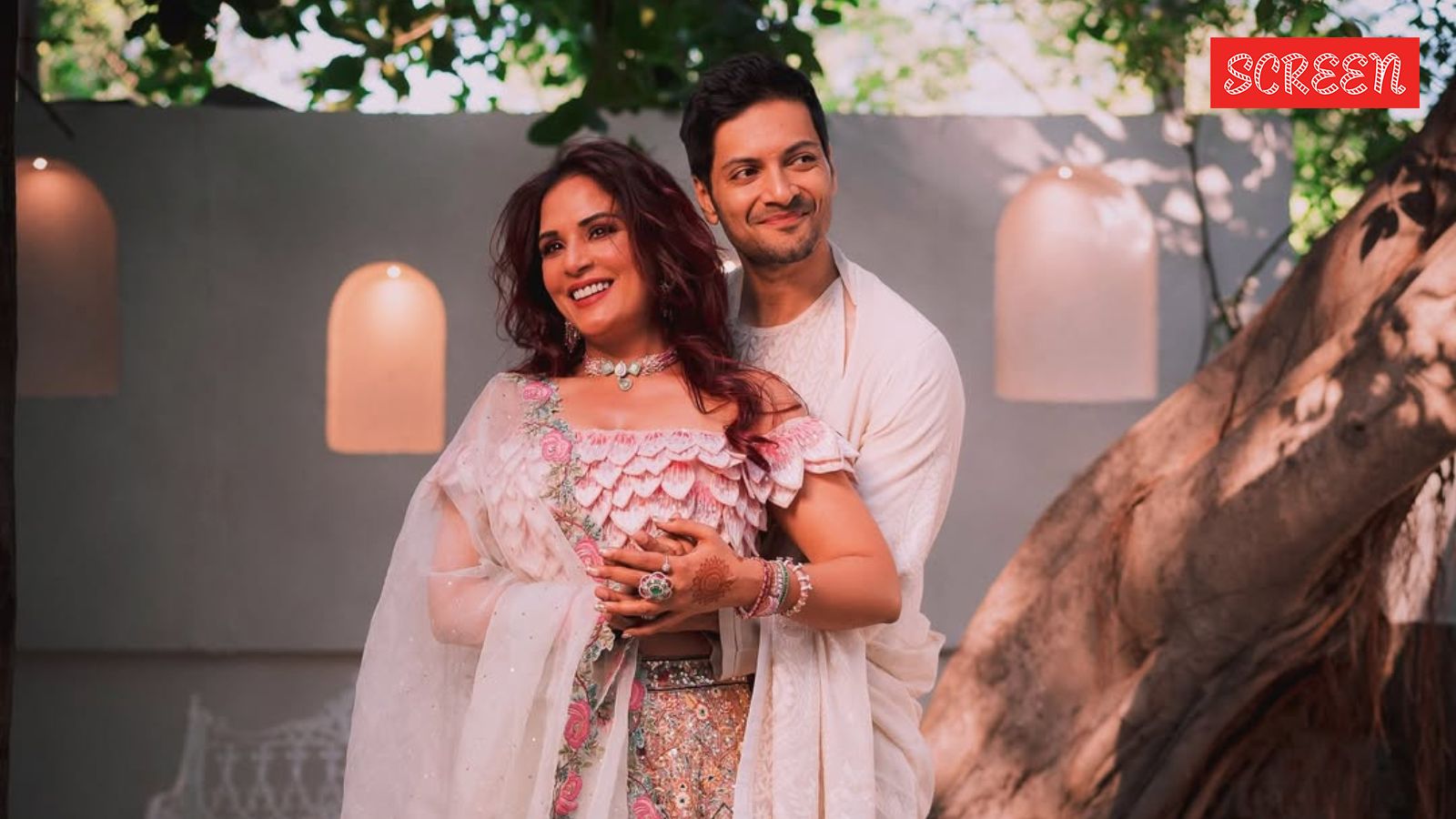
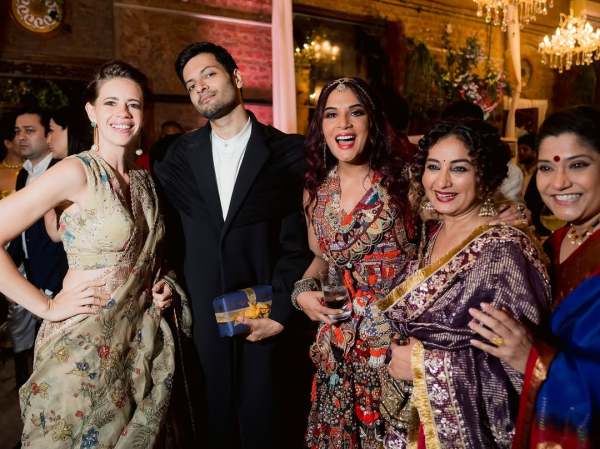
It was in 2022 that Richa Chadha and Ali Fazal finally had the opportunity to celebrate their union in the grand manner they had initially aspired to. Their wedding festivities were a multi-city affair, spanning Delhi, Lucknow, and Mumbai. These elaborate celebrations were a vibrant testament to their enduring love, attended by a constellation of family, friends, and prominent figures from the Indian film industry. The prolonged period between their registered marriage and their grand wedding allowed them to navigate their personal grief and celebrate their commitment with renewed joy and a deeper appreciation for their journey.
A Union Under the Special Marriage Act
Richa Chadha, in a separate conversation with News 18, shed further light on the legal and social aspects of their marriage. She emphasized that their union was solemnized under the Special Marriage Act, a legislation designed to facilitate interfaith and inter-caste marriages in India. "We got married under the Special Marriage Act, the family court is right around the corner. And it was super peaceful," she stated.
Chadha also addressed the media’s tendency to sensationalize such unions, particularly interfaith marriages. "And I don’t think it’s out of the ordinary. It happens in society, which is why there is a very big act for it. Of course, I feel like media really makes these kinds of things, it’s actually terrible and is very corrosive for society," she remarked, advocating for a more sensitive and nuanced portrayal of diverse marital unions. Her perspective underscores the importance of normalizing and destigmatizing marriages that transcend religious boundaries.
The Spark of Attraction: From Fan to Partner
The foundation of Richa and Ali’s relationship is rooted in a mutual admiration that predates their romantic involvement. Richa Chadha, in an interview with Bharti TV, reminisced about her first encounter with Ali during the promotions of Fukrey. "Someone called Ali on stage to dance, and he danced so badly that I found him adorable," she recalled with a smile. "The best part was that he knew he was dancing badly and was laughing at himself. After that, I texted him saying, ‘Hi, how are you?’" This playful and self-aware display of charm captured Richa’s attention and initiated their conversation.
Ali, on his part, admitted to having developed an early admiration for Richa. "I liked her and was curious about her," he confessed. "I wasn’t predicting a future together, but I definitely wanted to know her better." This mutual curiosity and nascent attraction laid the groundwork for their evolving relationship.
An Astute Prediction: A Glimpse into the Future
Adding a layer of serendipity to their love story, Ali Fazal revealed a surprising prediction he made years before they even began dating. "After watching Gangs of Wasseypur, I told my nana (grandfather) that one day I would marry her," he shared. This bold declaration, made after witnessing Richa’s powerful performance in the critically acclaimed film, speaks volumes about the profound impact she had on him even from a distance. "I was a huge fan of her performance. I had never seen anything like it before," he added, underscoring his deep respect for her talent. This prescient observation, made long before their paths truly intertwined romantically, adds a touch of destiny to their remarkable journey together.
The story of Richa Chadha and Ali Fazal’s wedding is a compelling narrative of love tested by extraordinary circumstances. Their journey, marked by an unexpected pandemic, a last-minute dash to the courthouse, personal tragedy, and ultimately, a joyous celebration, serves as a testament to their resilience, their deep affection for each other, and their ability to find humor and grace even in the face of adversity. Their union, formalized under the Special Marriage Act, also stands as a quiet yet significant statement in a society where interfaith marriages are still navigating evolving perceptions.